


Kuwaiti artist Hamad Almuzaini explores the overlooked details of urban life in his UAE debut at Tashkeel.
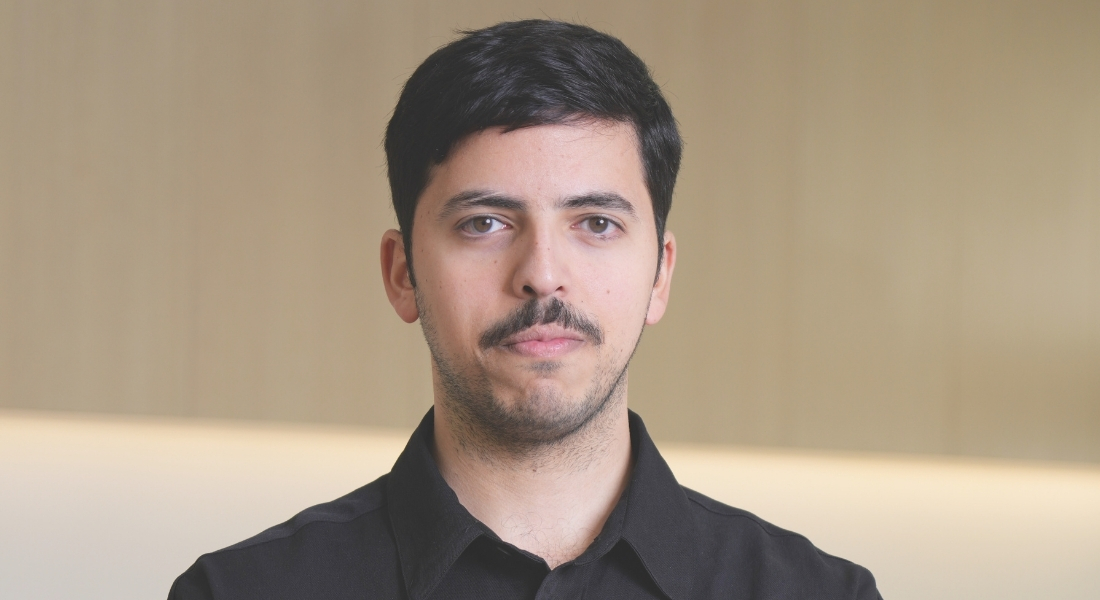
Kuwaiti artist Hamad Almuzaini looks to the overlooked details of the city to explore bigger questions about place, behaviour, and how urban environments shape our lives. His upcoming solo exhibition, Precarious Beings, at Tashkeel marks his UAE debut and follows his participation in the organisation’s Critical Practice Programme.
Drawing on observations of Kuwait City and its rapid transformation, Almuzaini turns his attention to discarded objects, damaged infrastructure and everyday municipal details that might otherwise go unnoticed. Here, he discusses returning to Kuwait, learning to see the city differently, and how it has influenced his artistic journey.
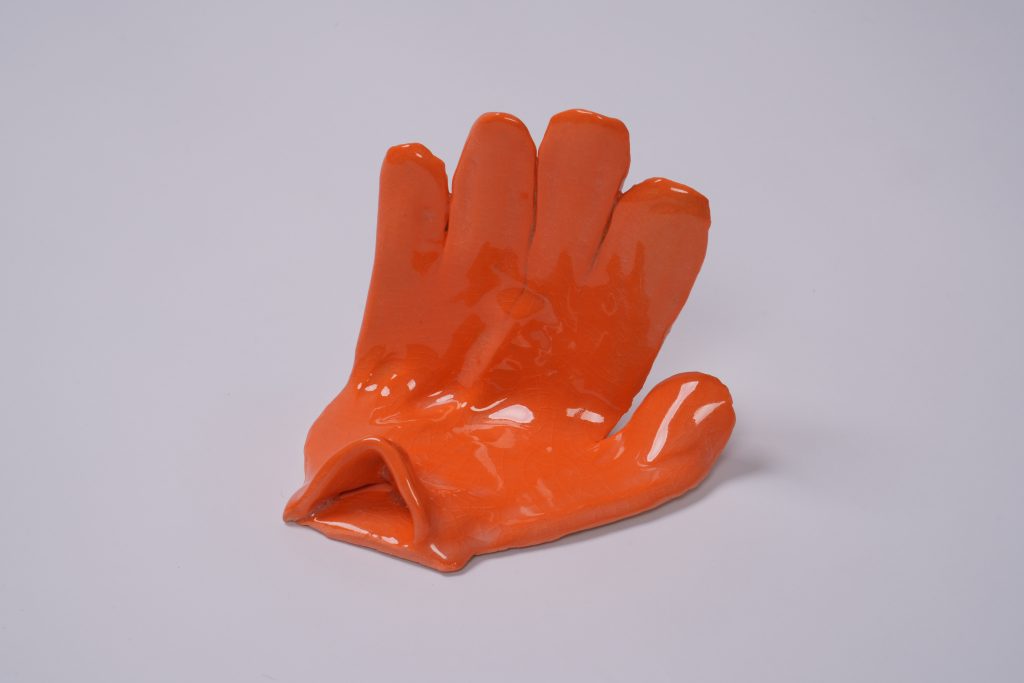
What first inspired you to explore Kuwait City and its changing urban landscape through your work?
It started when I moved back to Kuwait in 2021 after living abroad for so long. The experience of walking across the city became overstimulating; everything felt so loud, different, and new, like experiencing home in a completely different way.
Approaching the city again with this new perspective transformed things from peripheral and mundane to fantastical and introspective. The city’s fading modernist urban plan became the canvas on which people’s existence was highlighted. Ordinary scenes across the city became the foreground rather than bleeding to the periphery.
This opened the door to noticing many other behaviours we engage in across public spaces, and the responses that emerge in relation to urban plans.
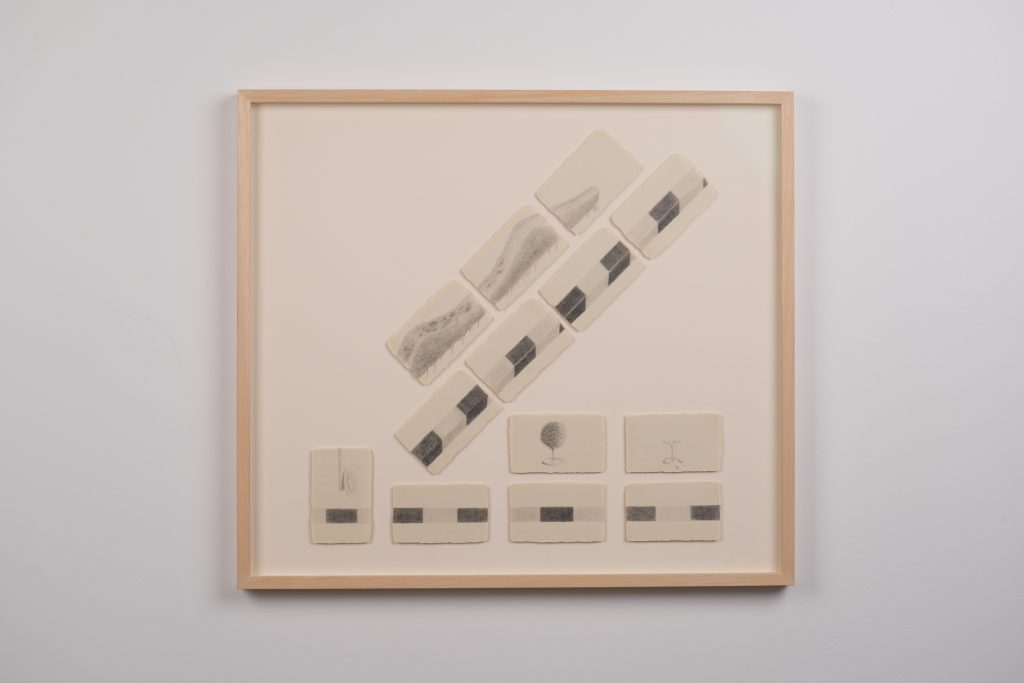
Why are you drawn to discarded objects, damaged infrastructure and details that people often overlook?
What is discarded, damaged, and overlooked becomes an open invitation to my practice. I like working on things in the dark, things that seem unenticing, insignificant, or too modest, only to showcase them in an opposite light. By doing so, you show the viewer how much they’ve overlooked, and how we are surrounded by so many curious things.
How has growing up and living in Kuwait shaped the way you see the city?
Kuwait is a beautiful place to witness people becoming authors in shaping the urban experience. Many contradictions arise from underlying urban-planning policies and the city ends up looking like a quilt or patchwork rather than a uniform place. It becomes a layered, entangled experience rather than one that is clear and straightforward. Experiencing Kuwait has allowed me to focus on these degrees of change, these subtle shades and particularities that make places feel situated.
How do you transform something you observe in the city into a work of art for a gallery?
There is something very peculiar in changing the context and makeup of anything. Bringing observed instances from the street into the gallery is already a bit disorienting and asks for a pause; then there is the matter of playing with the perception and materiality of mass-produced objects (like road bumps and curbs). Graphite drawing and hand-built ceramics are both slow, gradual processes, used here to depict things that are otherwise mass-produced quickly.
In the exhibition, I’ve segmented the works into three scales: Subjects, Situations, and Simulations. Simulations is a body of ceramic works that reinterprets both the objects themselves and the people they may pertain to. But technically, the entire exhibition could also be understood as a Simulation in its own right, recreating observations from public spaces within the context of a gallery.
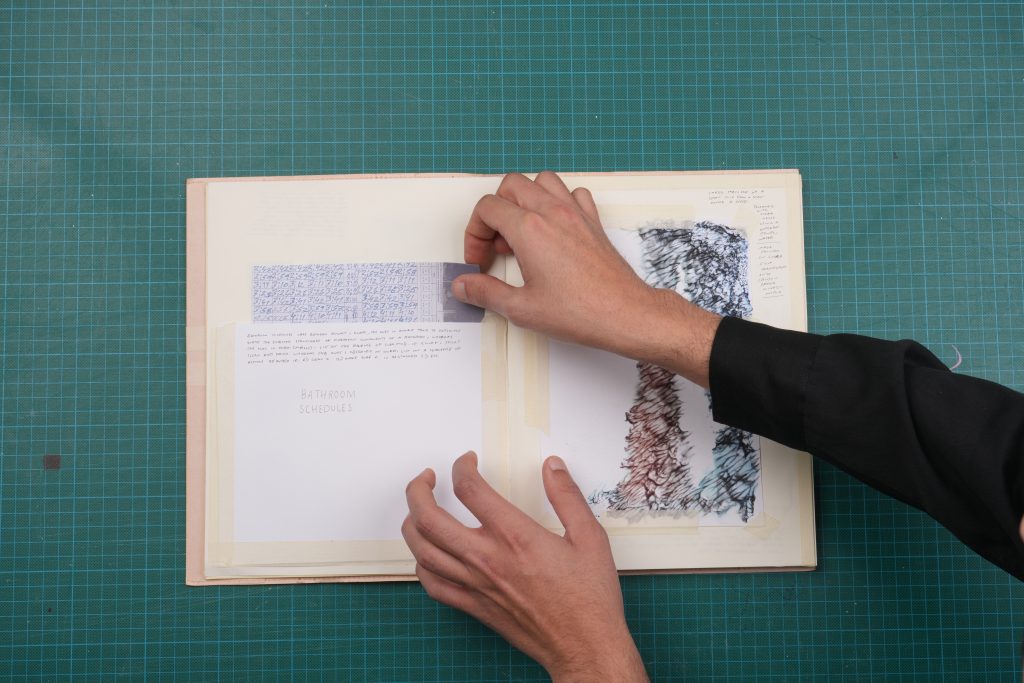
Can you tell us about your journey as an artist and what first drew you to this career?
I have both an undergraduate and graduate degree in Architecture, which is why I naturally gravitate towards built environments. Following both degrees, much of my professional experience involved modular construction. Modular and prefabricated architecture consists of so many systems and patterns, both in form and detail. After working in this particular field, I felt a compulsive need to detect and document patterns outside of architectural plans, trying to understand the rhythms of infrastructure, where they falter, and why.
I became increasingly intrigued by how a sense of “place” emerges. Rather than designing heavy-handedly, it became more about understanding than imposing. I started to take on the role of a listener rather than a speaker, and my practice emerged from that place.
Sheikha Lateefa and Tashkeel became an instrumental part of my journey and gave me this huge opportunity to explore that route within my practice. The Critical Practice Program became a vulnerable, exploratory space where we could all push the limits of our practices. This opportunity gave me a glimpse into what a professional art practice and solo exhibition entail, and for that I am forever grateful.
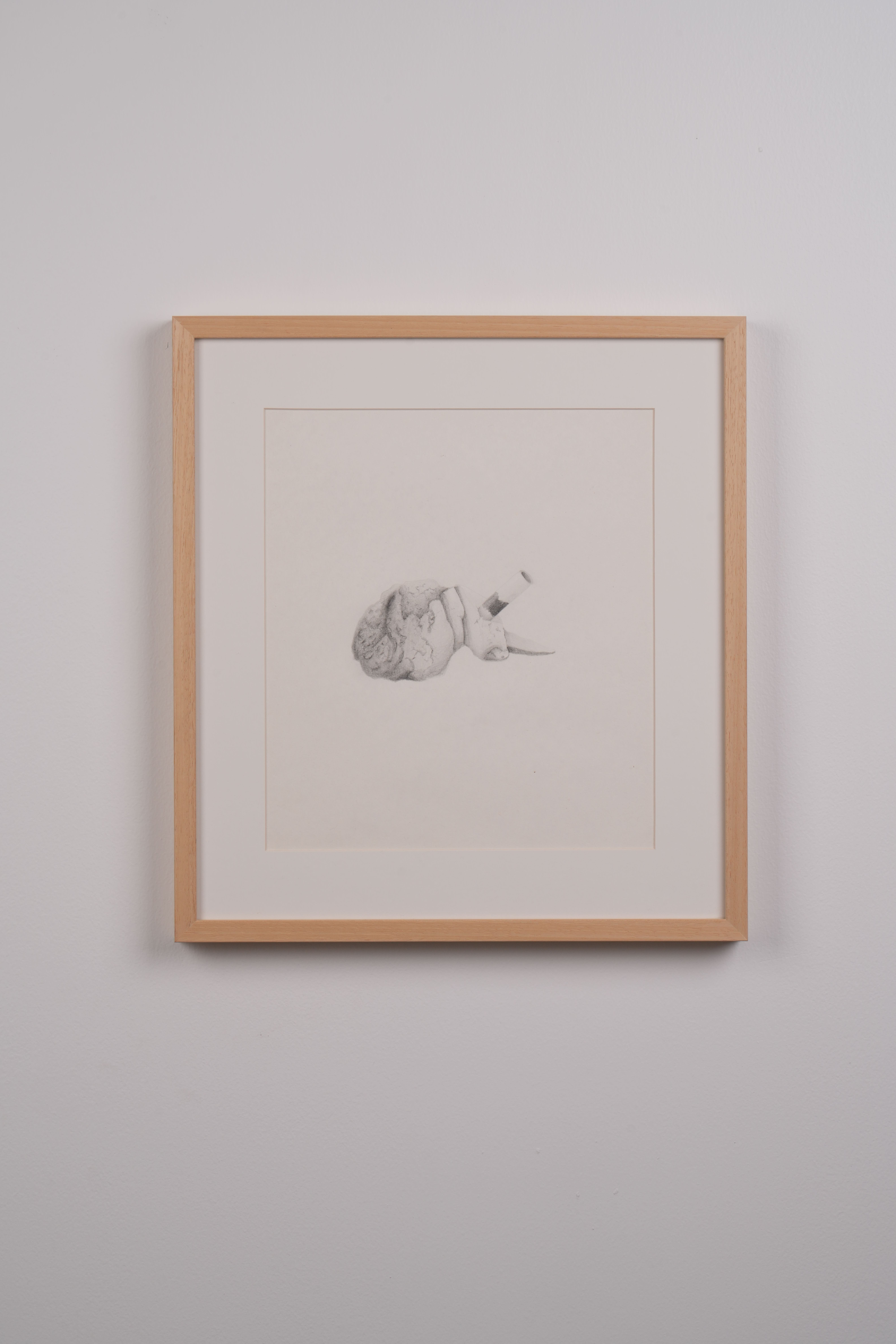
How has your approach to art evolved over the years?
I’ve always had this need to actively participate in what I find interesting, especially the peculiar arrangements or patterns I find in the built environment. Earlier on, I wanted to design interventions rather than simply reinterpret what was before me. From there came this conflict of wanting to intervene but not disrupt. My previous project, Interstices, exhibited at Sultan Gallery in Kuwait, was just that. It looked at the 13 cm gaps repeated across Kuwait’s shoreline, found between the prefabricated concrete blocks that demarcate land from sea. I considered an alternative relationship we could have with the shoreline, one that encouraged resting and stillness.
Precarious Beings is less about “designing” and more about instilling the sense of slow observation that I partake in daily within my practice. It’s about proposing an outlook rather than a solution or an interactive installation.
What would you like audiences to discover about you and your work through this exhibition?
Most importantly, it’s for them to discover how great and vast the world can be if you just stand still. The power of observation and stillness can transform everything before your eyes. Embrace the mundane, sit with it, until you find something interesting enough to keep you engaged. Through this, you begin to find a tenderness in the everyday, and perhaps endless wisdom too.