


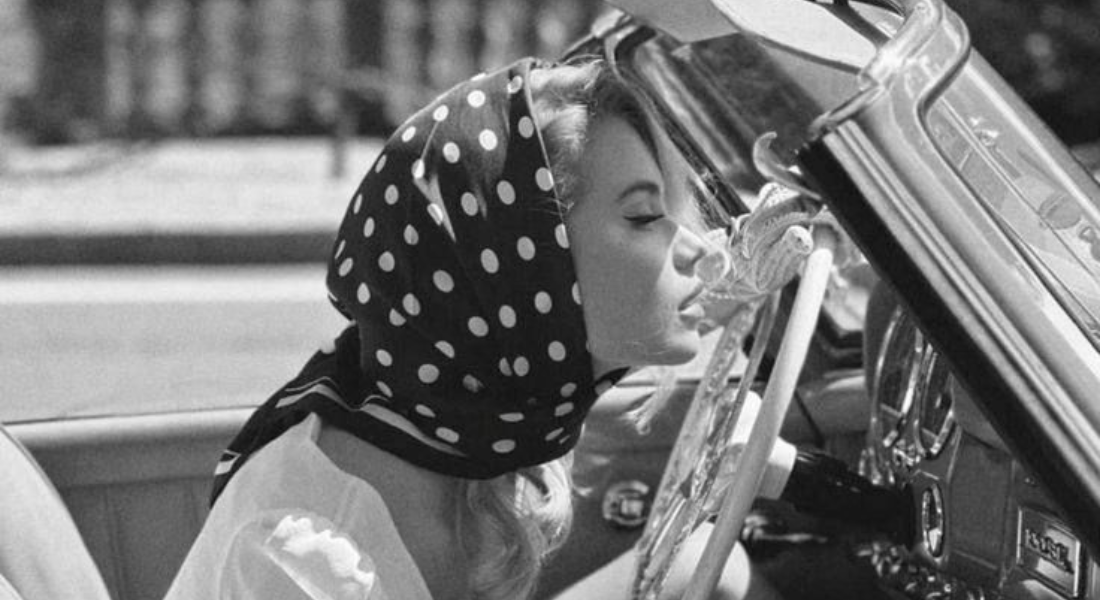
Vintage fashion continues to return not as a trend, but as a reminder of what makes style endure. In an industry driven by constant arrivals and rapid change, archive fashion offers something increasingly valuable, permanence, character, and a sense of connection. It proves that great design does not disappear with time; it evolves, gains meaning, and finds relevance again through new generations of dressing.

Fashion rarely moves forward without looking back. Designers continuously revisit previous eras, reworking silhouettes, proportions, and references into something that reflects the present moment. What appears contemporary often begins with something archival, making vintage an essential part of fashion’s creative cycle.

Vintage pieces continue to resonate because of their distinct design language. Sharper tailoring, unique cuts, richer construction, and details that feel increasingly rare today give them a character difficult to recreate through mass production. They allow wardrobes to feel more individual and less trend-dependent.
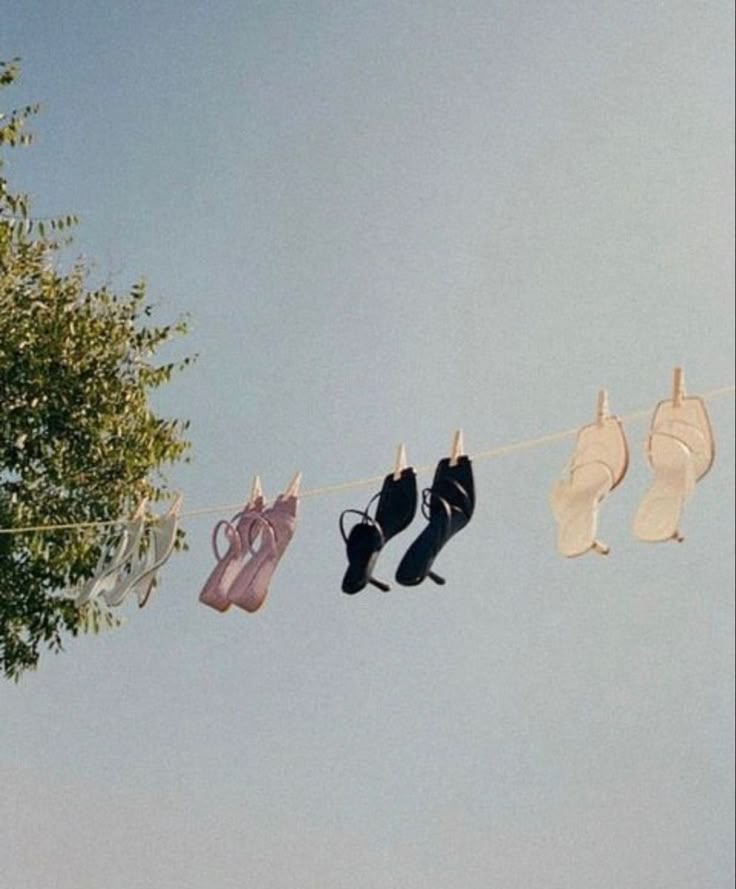
The renewed interest in vintage also reflects a wider shift in consumption. As conversations around sustainability evolve, more people are turning towards second-hand and existing fashion as part of a more considered approach to style. Choosing vintage becomes less about nostalgia and more about extending the life and value of clothing already in circulation.
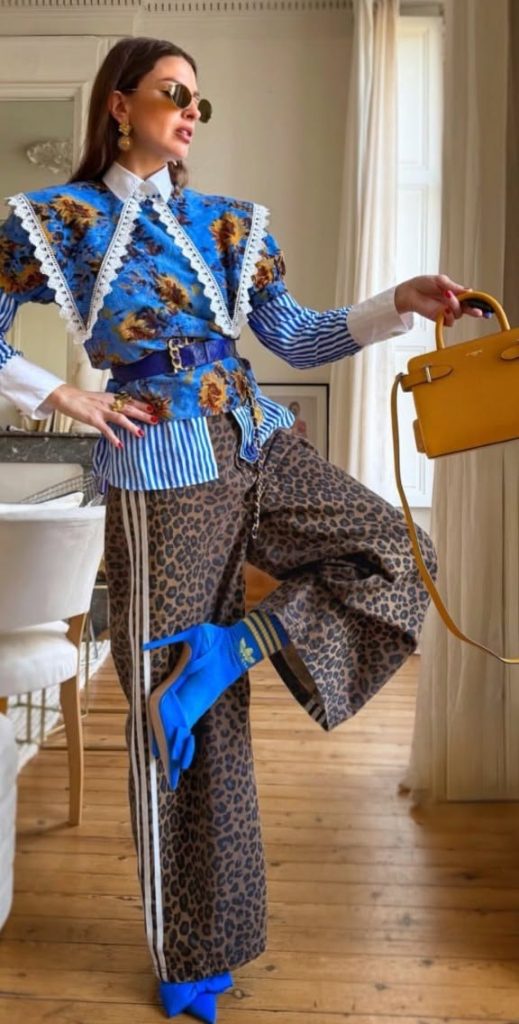
Contemporary fashion is built on mixing eras rather than committing to one aesthetic. The most compelling wardrobes today combine vintage references with modern silhouettes, an archival bag with clean tailoring, a heritage jacket with minimalist dressing. This contrast creates a look that feels layered, personal, and current.

The appeal of vintage increasingly lies in what it represents: pieces that remain desirable long after their original moment. Beyond durability, vintage carries emotional significance and craftsmanship that still holds value today. In a culture of endless newness, fashion that survives decades has become aspirational, not simply because it lasts, but because it continues to matter.