


Private collectors are quietly redefining the Dubai’s art landscape, preserving heritage, championing emerging talent, and shaping how Middle Eastern art is seen around the world.
In Dubai, private art collectors play a quiet but powerful role in shaping the region’s cultural identity. Working alongside galleries, foundations, and institutions, they are not only acquiring works but actively influencing artistic narratives, supporting emerging talent, and helping position Dubai as a growing global hub for contemporary art and cultural exchange.
The art scene is not strictly defined solely by exhibitions and galleries. It has been shaped by an influential network of private collectors who work in a discreet manner, usually unavailable to the public. These important individuals are not simply acquiring works; but they are influencing how the region is seen on a global creative scale, supporting these artists and building cultural legacies that will live on for years to come.

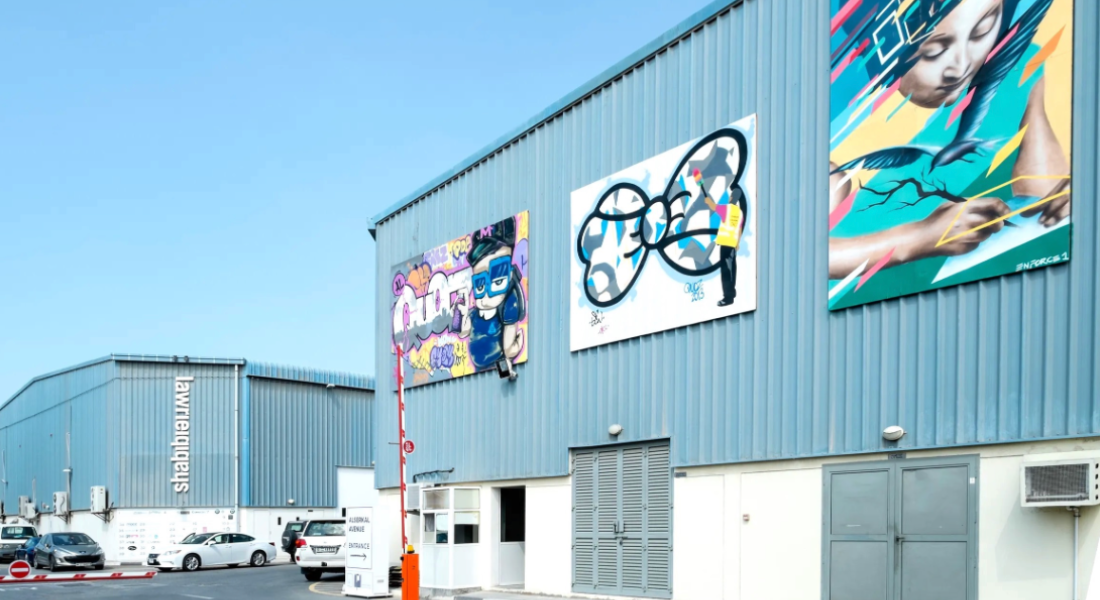
At the core of Dubai’s artistic movement is the region’s beloved Alserkal Avenue, a well known and celebrated art district that has evolved into one of the leading educational and cultural destinations in the Middle East. Within its warehouse-style structure are wonderful galleries that have attracted collectors from across the globe. Here are a handful of highly valued galleries located in this hub of creation.

The Leila Heller Gallery, founded 1982 in New York City and expanding into Dubai. It focuses on integrating a dialogue and exhibitions promoting Western and Eastern Artists and blending these cultures through film screenings,artwork and collabs with internationally known curators.

Lawrie Shabibi Gallery Founded in 2010 by William Lawrie and Asma Al Shabibi, the gallery played a key role in establishing Alserkal Avenue as the cultural destination it is today. Known for championing underrepresented artists from North Africa and the Middle East, the gallery presents powerful exhibitions across different art forms and regularly collaborates on screenings and international art fairs.

Among the collectors contributing to Dubai’s evolving art scene is gallery founder and curator Rom Levy. Through Volery Gallery, Levy represents a new generation of collectors focused on more than investment alone. By supporting contemporary art, cultural relevance, and emerging talent, the gallery creates opportunities for artists to share their work with wider audiences while encouraging a more purpose-driven approach to collecting.

While many collectors focus on emerging talent, others are dedicated to preserving artistic heritage and cultural history. The Farjam Collection, one of Dubai’s most significant private collections, brings together Middle Eastern, Islamic, and international modern works under one vision. Collections like Farjam play an important role in safeguarding cultural legacy while opening access to students, visitors, and researchers through experiences that keep these works visible and relevant.

A Collectors house is usually a portrayal of their philosophy, culture, interests and purpose. What makes the Dubai art scene stand out globally is the younger generation of collectors who aim to approach art with a more personal point of view, engaging directly with different studios,new artists and building collections that reflect history,memory and social trends.

Beyond the walls of galleries and private homes, a core institution that has immensely grown the art scene in Dubai is the Art Dubai foundation, which has strengthened the connection between the public and private collectors, making the art world more open and visible to those wanting to understand and learn more through art. Collecting art has become an act of cultural participation and community building.