


Long before beauty became an industry of serums, steps, and slogans, it existed as rituals that’ve always been grounded, inherited, and deeply personal. In Arab homes, beauty has never been separate from daily life and has been passed down for generations through observation and tradition.
At the heart of these heirloom rituals is care, not correction. Skin was tended to protect it from desert heat, sun, and wind, not to chase youth. One of the most enduring practices is the use of natural oils, particularly sesame and almond, massaged into skin and hair after bathing. These oils, often lightly warmed, were believed to seal in moisture and restore balance after exposure to harsh weather, a practice still followed in many households today.
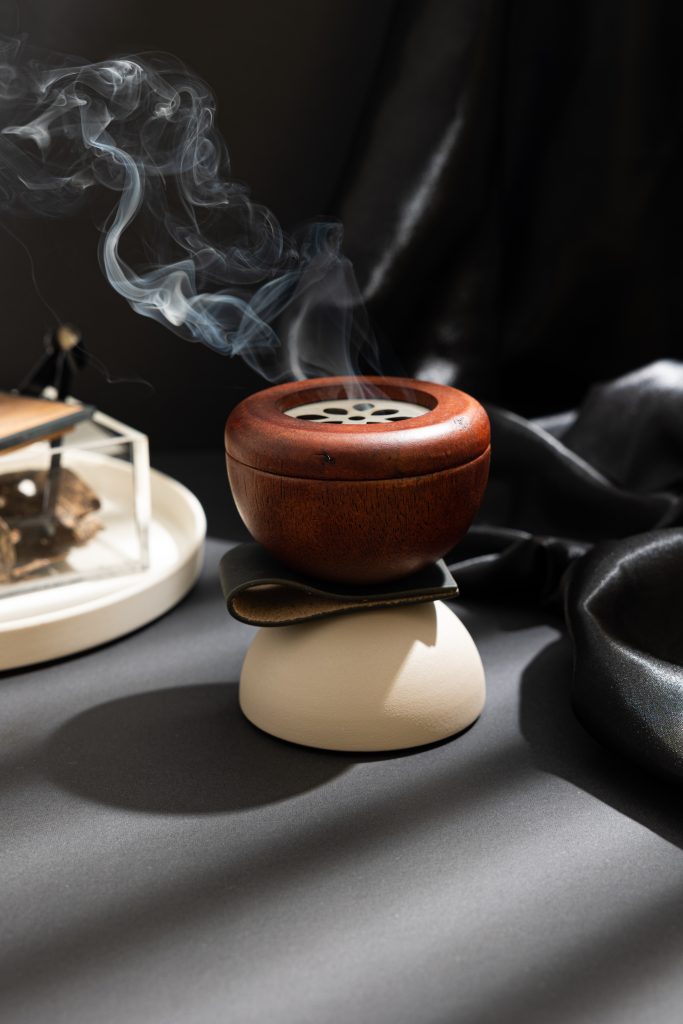
Fragrance, too, has always been integral to beauty in Emirati culture. Bakhoor rituals were not reserved for special occasions alone; they marked transitions after bathing, before hosting, and at the close of the day. The slow perfuming of clothes and hair with oud smoke is both sensory and symbolic, a moment of cleansing and refinement. Even today, it is beauty as atmosphere, not adornment. Each home often had its own preferred blend, guarded like a family recipe.
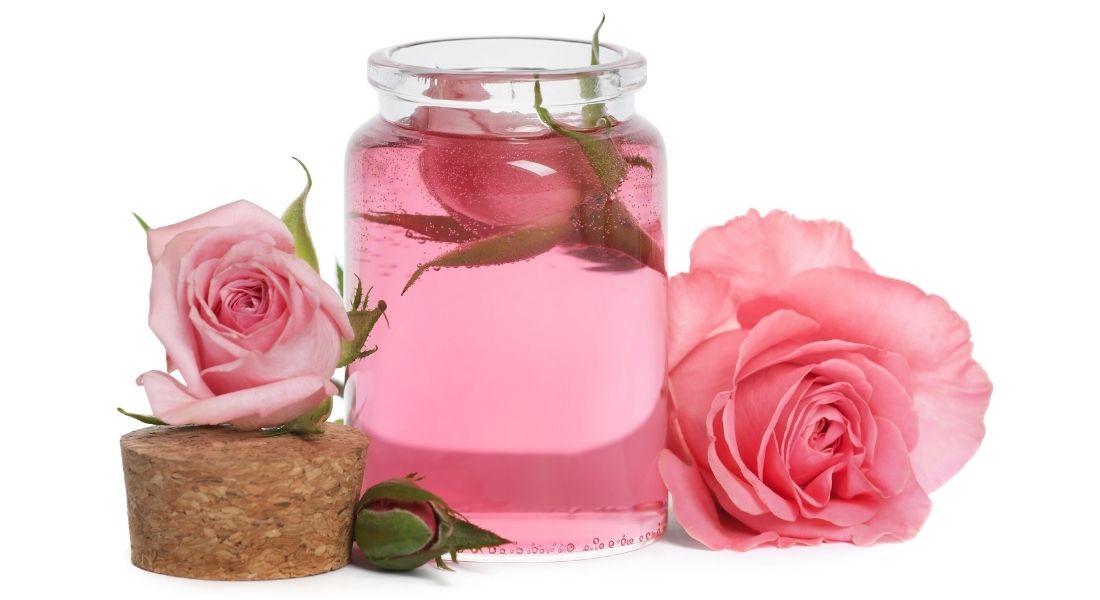
Rose water holds a similarly timeless place. Used as a facial rinse, a cooling mist during summer months, or even mixed into bathing water, it was always valued for its calming, clarifying properties long before modern toners existed. Prepared at home or sourced from trusted regional distillers, it reflected a preference for purity and simplicity. Rosewater wasstored in glass bottles, sometimes chilled, and applied with bare hands.
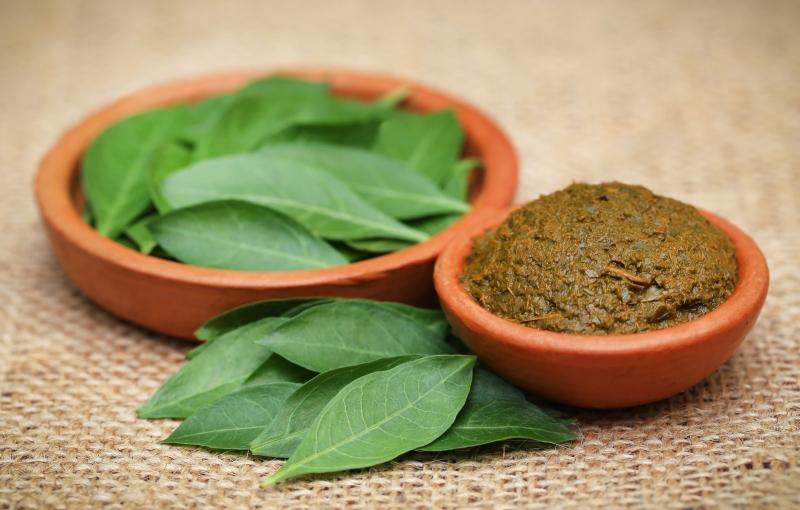
Henna, often associated today with celebrations, was once far more routine. Applied to cool the scalp, strengthen nails, and condition hair, it was as much functional as decorative. The act of preparing henna paste, which comprised grinding leaves, waiting patiently, and applying attentively, reinforced the idea that beauty requires time and intention.
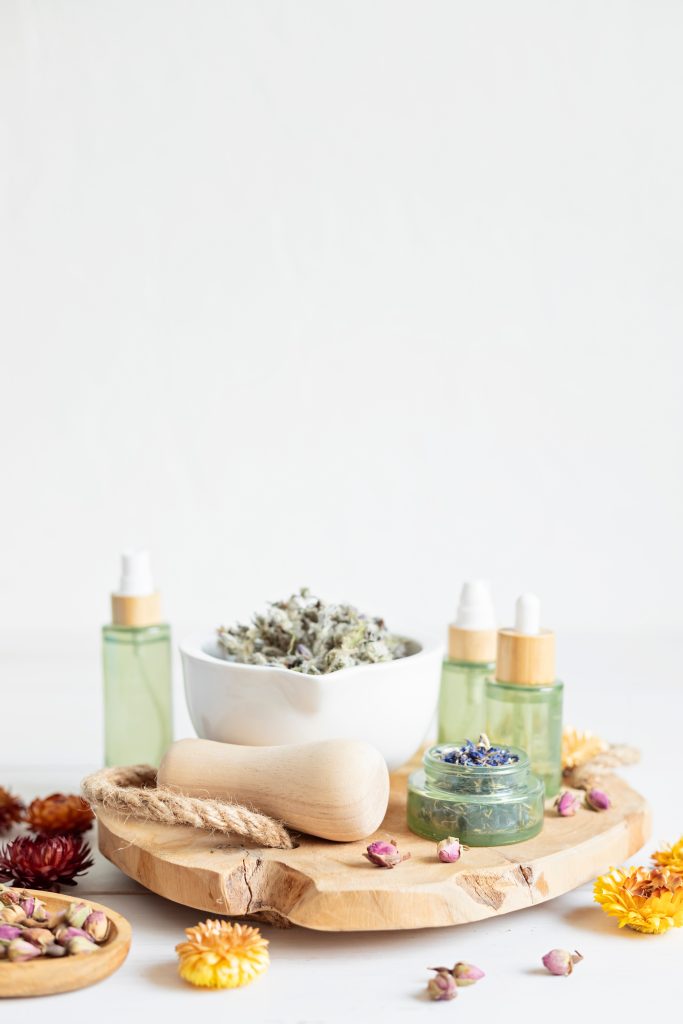
Hands and nails were massaged with an oil mixture containing a few drops of lemon to strengthen nails, soften cuticles, and maintain cleanliness.Weekly Hair Oiling Rituals were also an important aspect of beauty care. Hair was oiled and braided before sleep, sometimes covered with cloth to protect hair from dryness and breakage.
Perhaps the most understated ritual of all was rest and the restorative power of sleep. A reminder that beauty thrives when the body is allowed to recover.
Together, these rituals formed asystem of beauty — intuitive, climate-aware, and deeply personal. In today’s language, they might be called slow beauty or skin barrier care. In an era of accelerated routines and instant results, these heirloom practices offer a simpler definition of luxury.