


Inside the extraordinary world of Concorde, where crossing the Atlantic took just a few hours and luxury shopping was part of the journey.
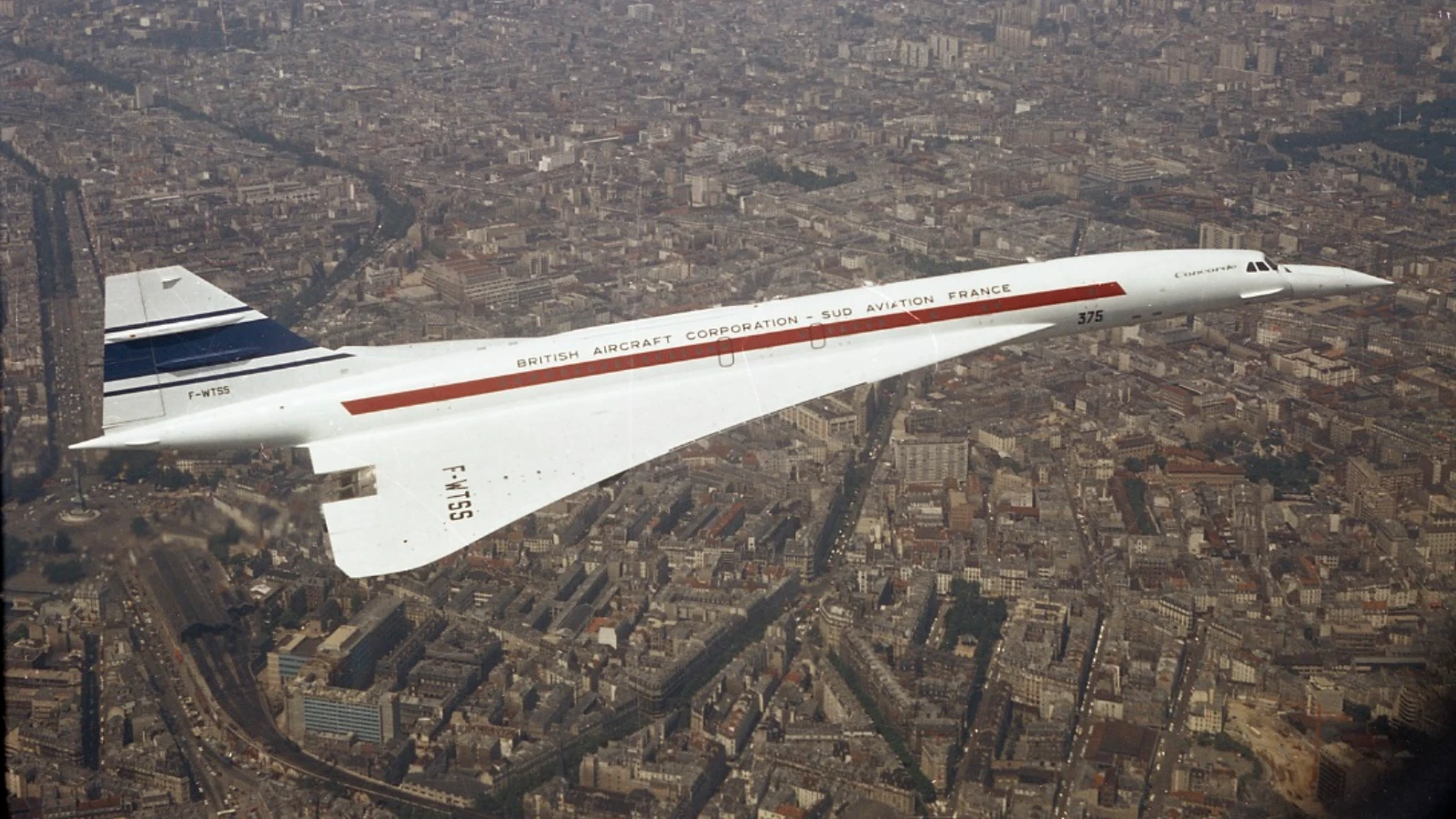
There was a time when you could board a flight in Paris, arrive in New York in time for lunch and buy a Cartier watch somewhere over the Atlantic. This was the world of Concorde, the supersonic aircraft that turned speed into the ultimate luxury and made the journey itself an experience worth paying for.
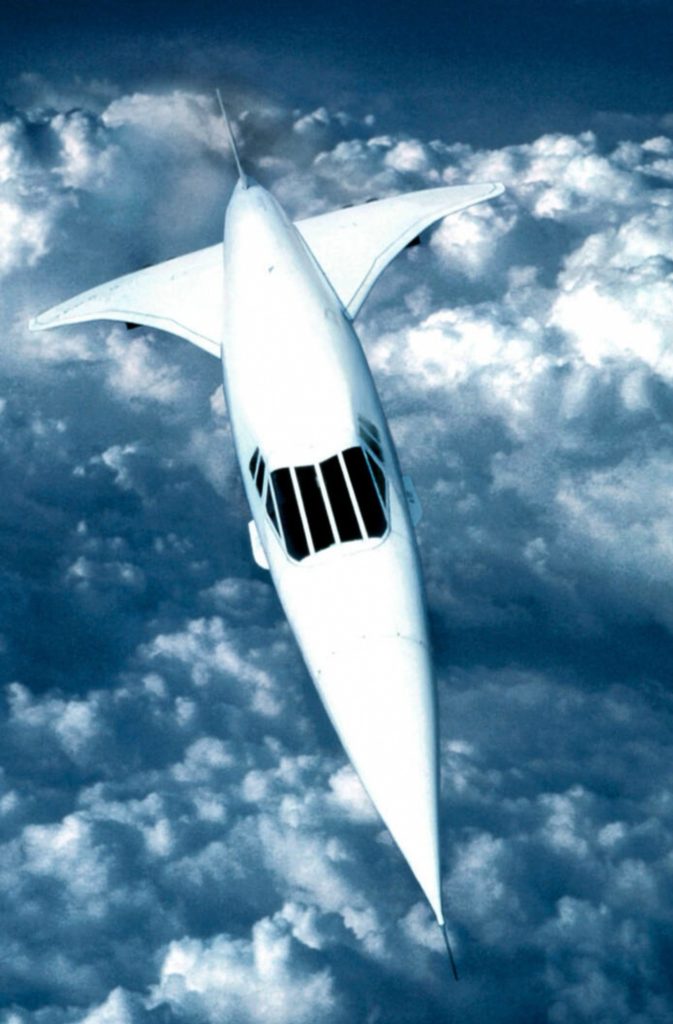
Air France and British Airways operated Concorde, which flew at more than twice the speed of sound and reached altitudes of around 60,000 feet. Its transatlantic crossings took about three and a half hours, dramatically cutting the time to travel between Europe and America. For its passengers, many of whom were celebrities, business leaders and frequent international travellers, those saved hours were the real privilege.
The cabin itself had just four seats across, a narrow aisle, and small windows; Concorde offered little of the physical space associated with today’s most luxurious first-class cabins. Instead, its appeal lay in exceptional service, exclusivity, and the extraordinary experience of travelling faster than Earth’s rotation.
And then there was the shopping.
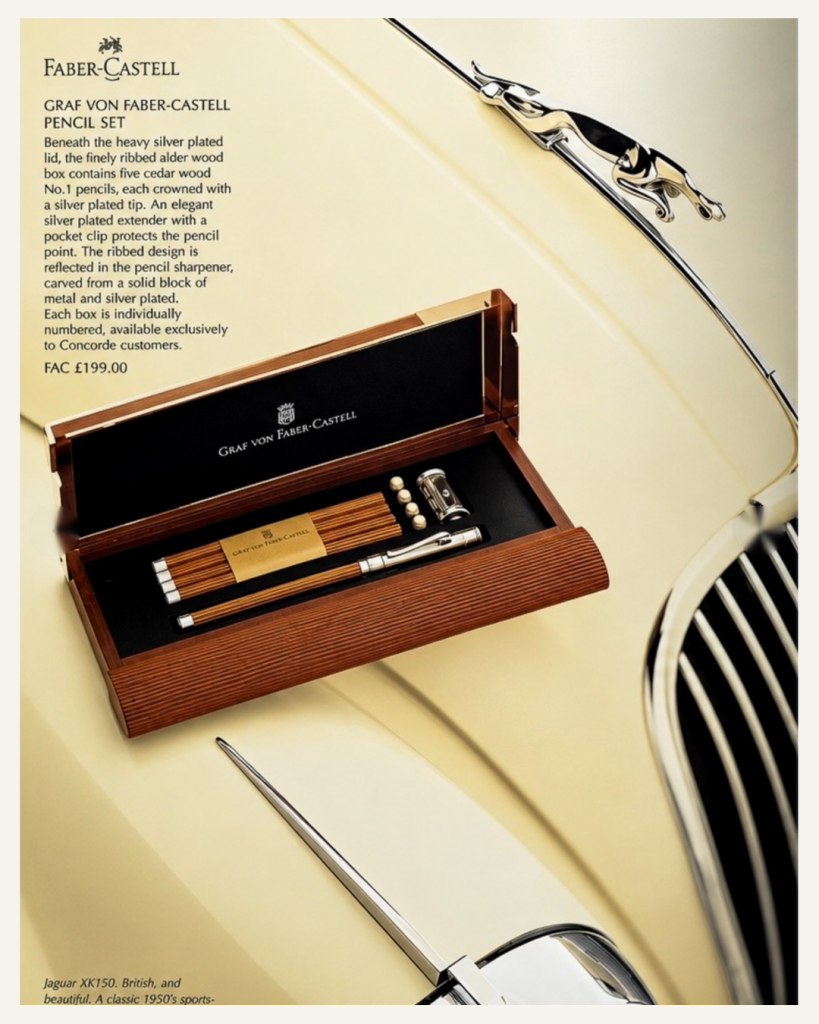
At a time when inflight retail was generally associated with perfume, cosmetics and souvenirs, Concorde offered a rather different selection. British Airways produced a dedicated Shopping the World catalogue featuring luxury accessories, including Hermès silk pieces, Cartier objects and other carefully selected gifts. Air France passengers could browse jewellery, writing instruments and watches from prestigious European houses.
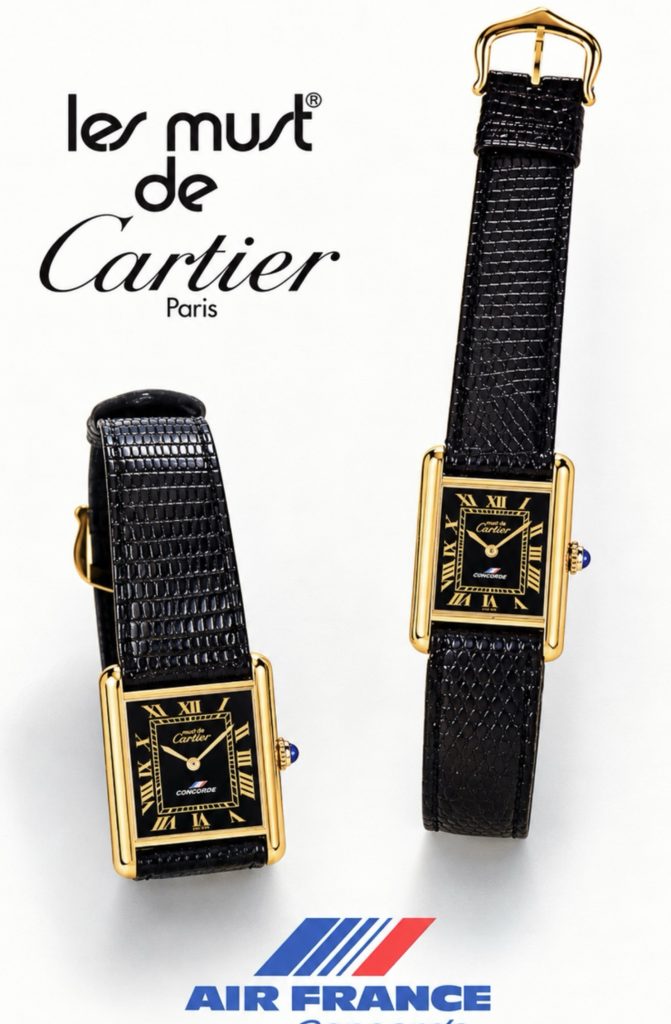
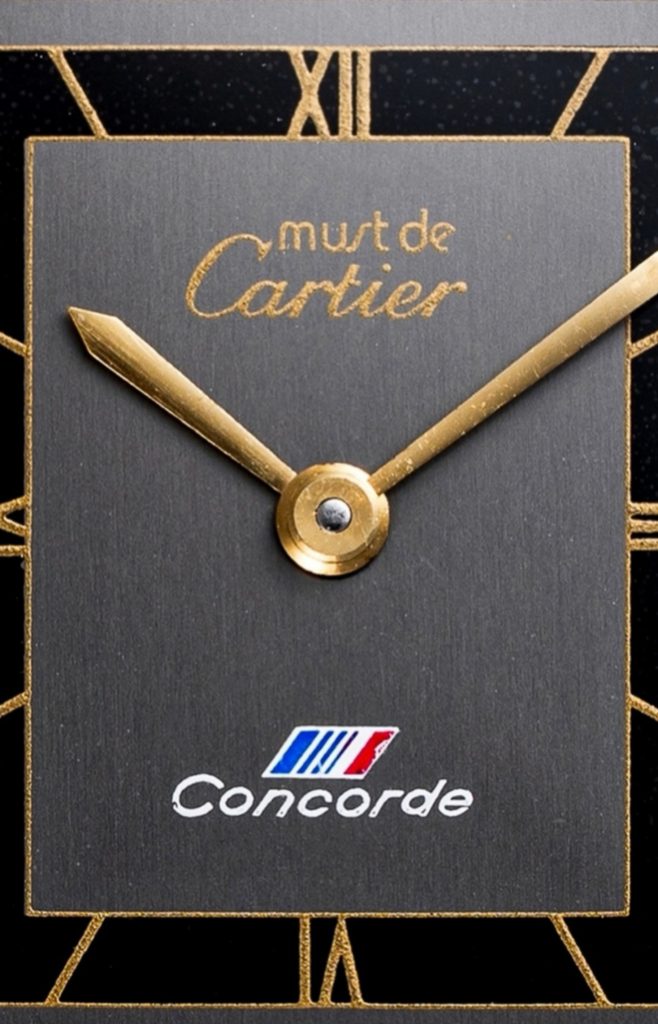
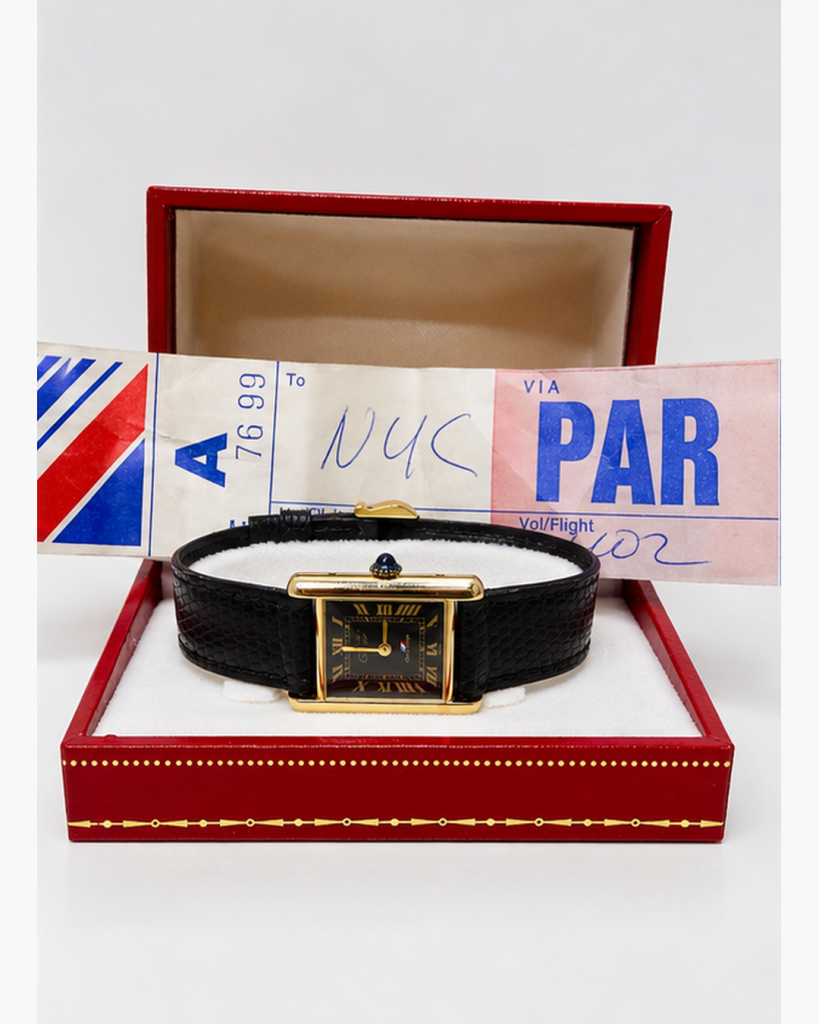
Among the most fascinating pieces was a special edition of the Cartier Tank Must, created for Air France’s Concorde service. With its distinctive black dial, gold-plated silver case and Concorde insignia at six o’clock, it combined one of watchmaking’s most recognisable designs with the glamour of supersonic travel.
Cartier introduced the Tank Must collection in 1977, making its signature rectangular watch available to a wider audience through more accessible materials and finishes. The Concorde edition presented an intriguing contrast: a relatively approachable Cartier design sold in one of the world’s most exclusive environments.
Unlike a watch purchased in a boutique, this one came with a story attached. Its connection to Concorde was part of its appeal, turning a familiar design into a personal souvenir of an extraordinary journey.
The onboard catalogues offer a fascinating record of luxury tastes at the time. Hermès ties and accessories appeared alongside fine jewellery, Cartier pens, travel clocks and beautifully presented writing instruments. These were objects chosen to appeal to an international clientele for whom travel, fashion and collecting were closely connected.
Looking back, the entire concept was wonderfully extravagant. Today, luxury travel tends to emphasise privacy, spacious suites, wellness and increasingly elaborate airport lounges. Concorde offered something quite different. Its seats were relatively modest, its cabin compact and its ticket prices considerable. Yet it delivered something no amount of additional legroom could replicate: the ability to cross an ocean in a fraction of the usual time.
When Concorde made its final commercial flights in 2003, an extraordinary era of aviation came to an end. Its legacy survives in museum collections, vintage advertising, memorabilia, and objects such as the Cartier Tank Must Concorde, which continue to attract collectors.