


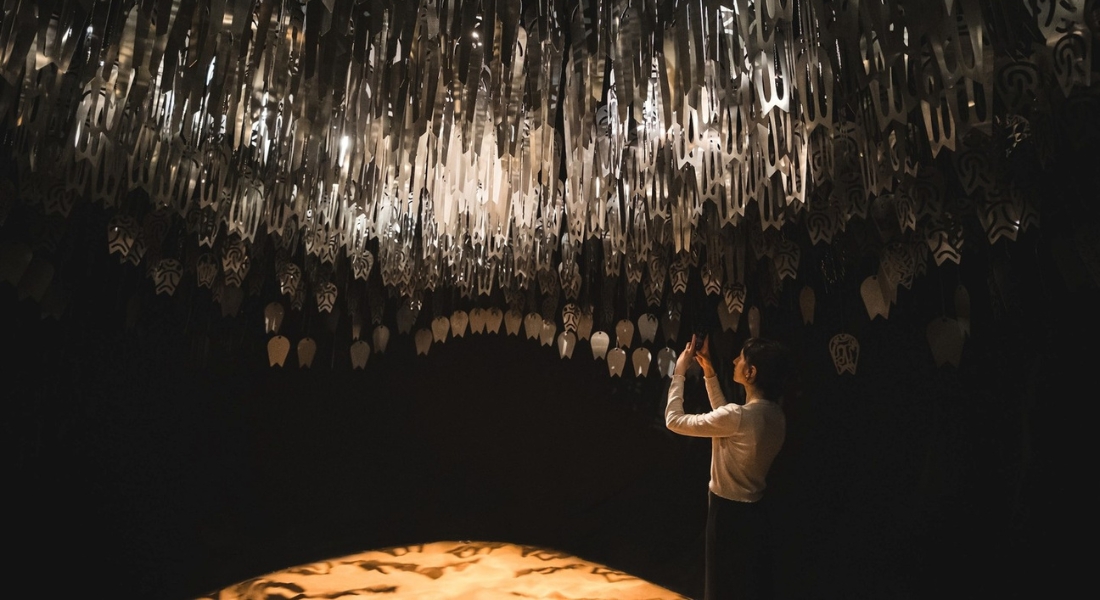
Arab artists are making their mark on the global art scene, bringing their talent and creativity to major platforms such as Art Basel, the Venice Biennale and Frieze London. Their growing presence is opening a new chapter for the region’s art scene, connecting artists with collectors, curators, museum representatives and other leading figures in the art world.
VILLA88 highlights the Arab artists whose work is reaching international audiences, contributing to the evolution of art and bringing perspectives from the Arab world to leading exhibitions and art fairs in 2026.
Meet the Arab artists shaping the global art scene in 2026.
Rashid Al Khalifa
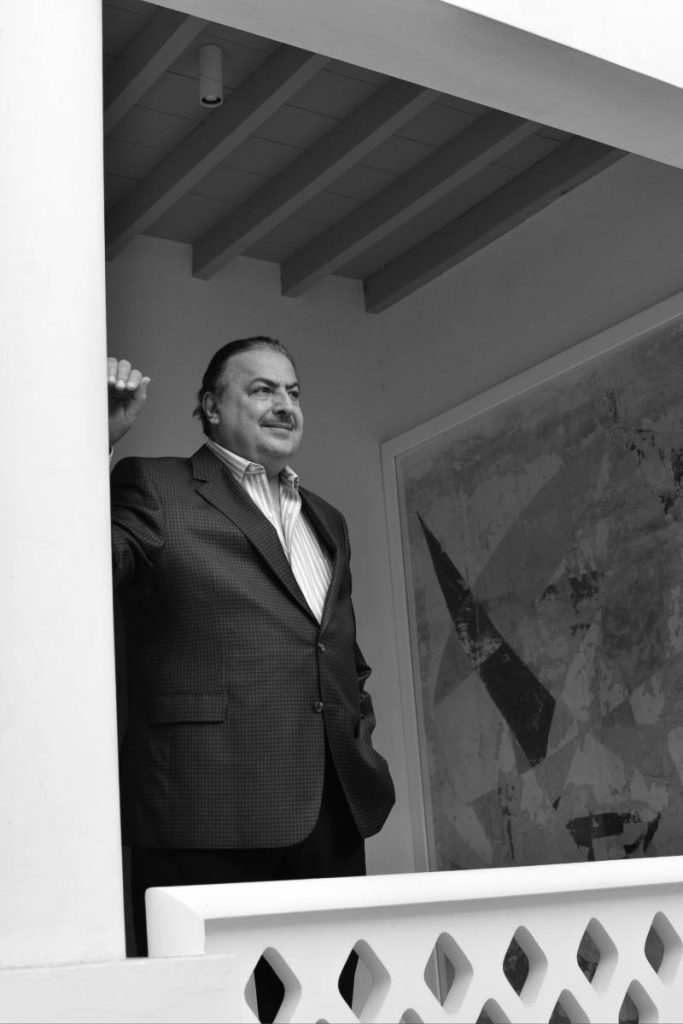
The multidisciplinary Bahraini artist Rashid Al Khalifa has established an international career spanning more than five decades, exhibiting his work across Europe, the Middle East and the United States. Known for his bold contemporary explorations, Al Khalifa blends sculpture and painting, exploring form and material through a refined, minimalist visual language.
In 2026, his international presence continued with presentations at major art platforms. At Art Basel in Switzerland, he presented Crate Maze—White in the Unlimited sector, which showcases large-scale and ambitious artistic projects. The installation draws on Bahrain’s historical role in international trade.
In May 2026, he also unveiled Guarding the Passage in Venice. The installation explores openness, protection and human connection through an immersive arrangement of red metal grids.
Farah Al Qasimi
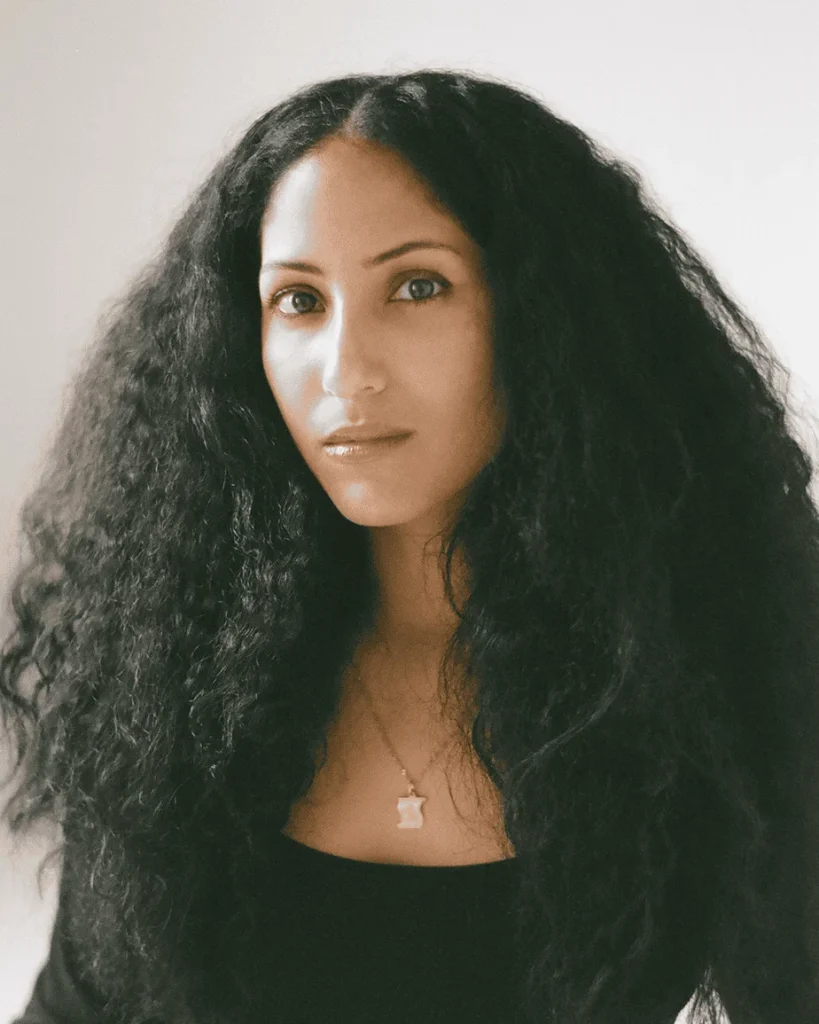
Emirati artist Farah Al Qasimi has established an international career, bringing the Gulf’s cultural identity into the global contemporary art conversation. Her work is held in the collections of major institutions, including the Museum of Modern Art in New York, Tate Modern in London and the Solomon R. Guggenheim Museum in New York.
In 2026, Farah participated in Greater New York 2026, MoMA PS1’s survey of contemporary artistic practices in the New York area. She is also among the six artists participating in Washwasha, the UAE’s national pavilion exhibition at the Venice Biennale, which runs until 22 November 2026.
Working across photography, film and music, she explores domestic interiors, consumer culture, fashion, gender and the ways identity is constructed and represented. Rather than documenting the UAE in a straightforward, journalistic manner, she creates colourful, sometimes surreal images that transform familiar environments into unexpected visual narratives.
Bouthayna Al Muftah
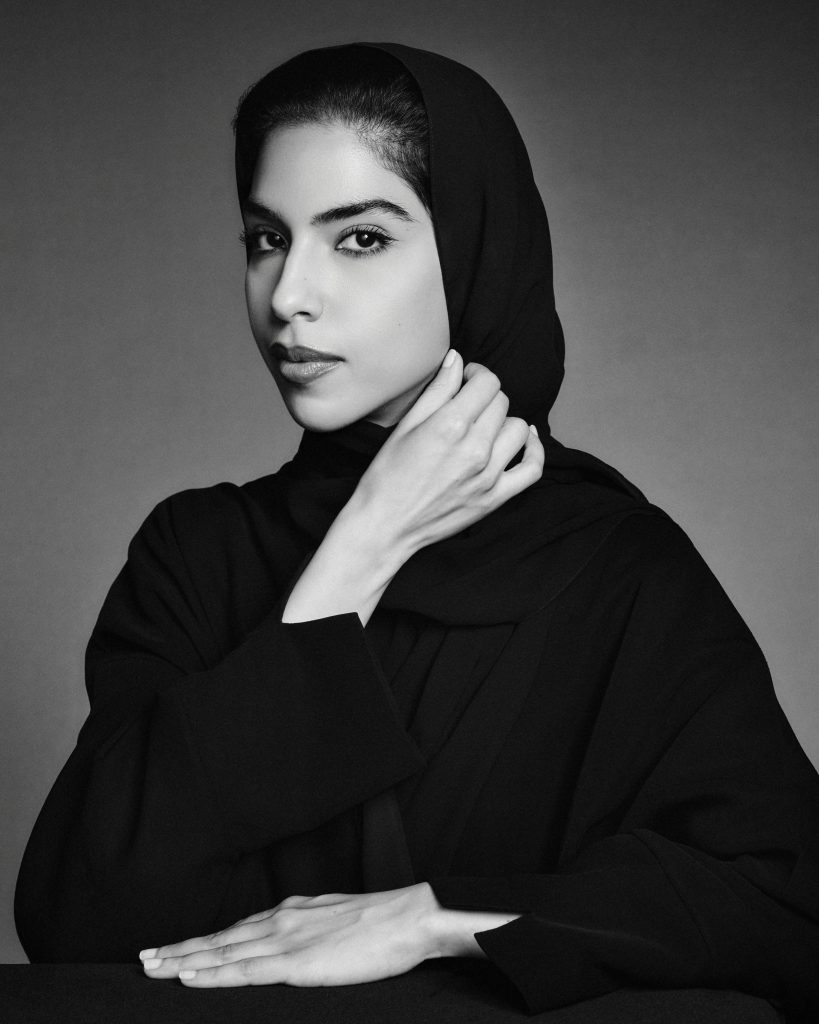
Qatari multidisciplinary artist Bouthayna Al Muftah works across painting, printmaking and performance, exploring cultural memory and identity through a practice deeply rooted in her country’s heritage. A graduate of Virginia Commonwealth University School of the Arts in Qatar, she was among the artists highlighted by Art Basel as ones to watch at its inaugural Qatar edition.
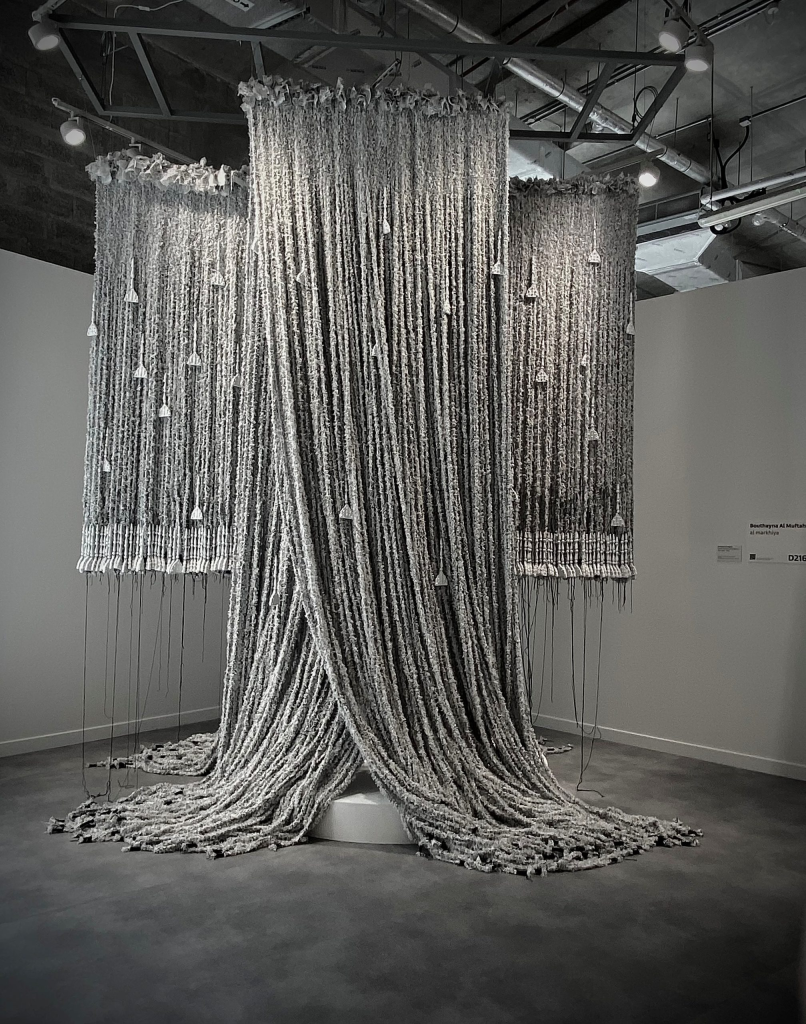
Among the standout works at Art Basel Qatar 2026 was Bouthayna’s installation, Living: Architectures of Memory, which captures an intimate yet universal ritual: women dressing together before the weekend. At its centre is a thobe, a traditional Qatari garment crafted from natural materials that maintain an ancestral connection to the land. Surrounded by inherited ornaments, the installation reflects the fragility and resilience of familial and cultural memory in an increasingly globalised world.
Continuing her international presence, her work was presented by Al Markhiya Gallery at Handmade – Part II during Berlin Art Week in September 2026. The presentation featured works from her Brushing Her Hair series, inspired by women’s hair-braiding rituals and the intergenerational relationships woven through these traditions.
Sarah Almehairi
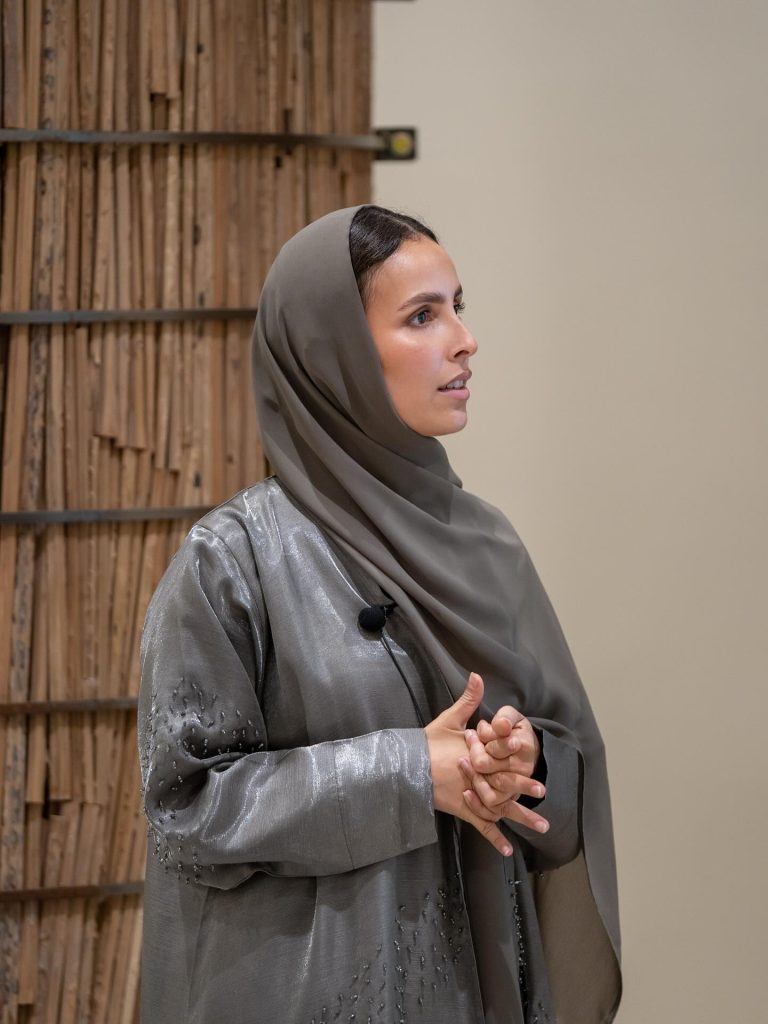
Sarah Almehairi is one of the Emirati creatives reshaping her country’s contemporary art scene, winning international acclaim for her distinctive take on abstraction. She is one of the artists putting a Middle Eastern stamp on the international art scene, with work showing at Frieze London 2026.
Her off-center, archetypal, and grid-based canvases at Frieze London 2026 offer viewers a vantage point that questions established narratives of minimalism and abstraction, while also reflecting the changing identity of contemporary art from the Middle East.
Sarah is an NYU Abu Dhabi graduate and her work investigates the interrelation of space, culture and abstraction as dynamic systems. Her work often starts with grids, frames and measured forms which she then folds, cuts and reworks through intuitive mark-making.
Sarah is a finalist for the 2024 Richard Mille Art Prize at Louver Abu Dhabi’s Art Here exhibition and her representation by Dubai-based gallery Carbon 12 has helped to further expand her international presence. She has also participated in the first edition of Art Basel Qatar with a solo presentation of her booth Flooded Space.
Haitham Al Busafi
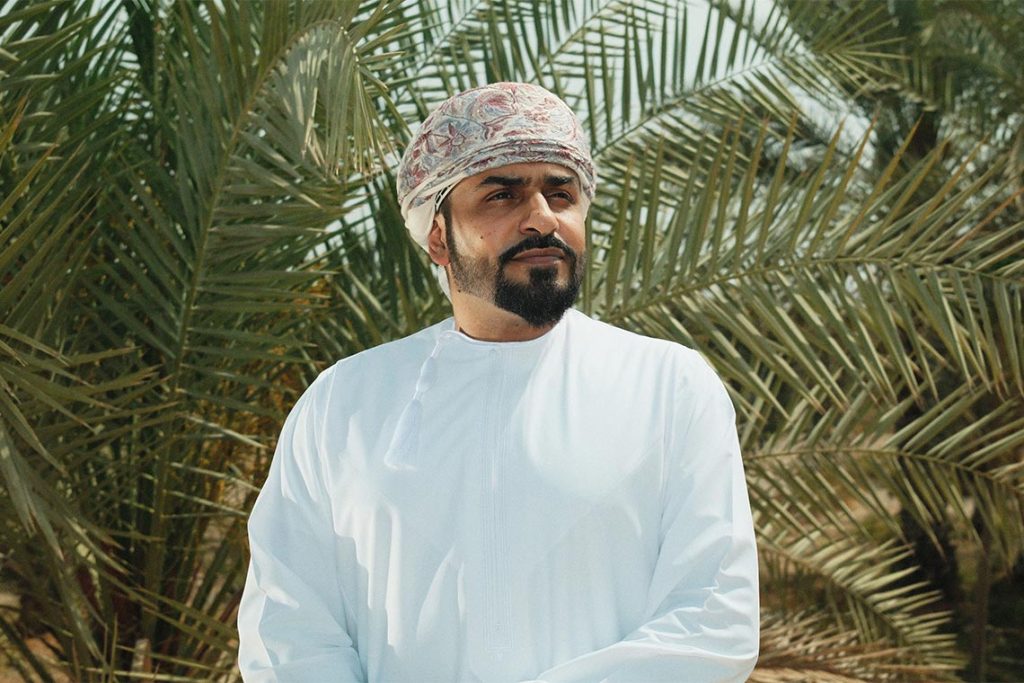
Omani artist, architect and curator Haitham Al Busafi won the Best Design Medal at the 2025 London Design Biennale for Memory Grid, an installation inspired by traditional Omani pottery that reimagines these historic vessels through the lens of digital data storage and collective memory. His interdisciplinary practice draws on architectural elements, computational design and virtual reality to explore themes of history, ecology and space, bringing cultural heritage into dialogue with contemporary artistic expression.
At the Venice Biennale 2026, his work “Zīnah” transforms the traditional Omani silver decorative harness (Al-Zaanah) for horses into a spatial and interactive environment. This approach is not merely aesthetic but serves to explore deeper philosophical concepts, such as mutual respect, care, and the recognition of dignity in both human and non-human companions.
Mays Albaik
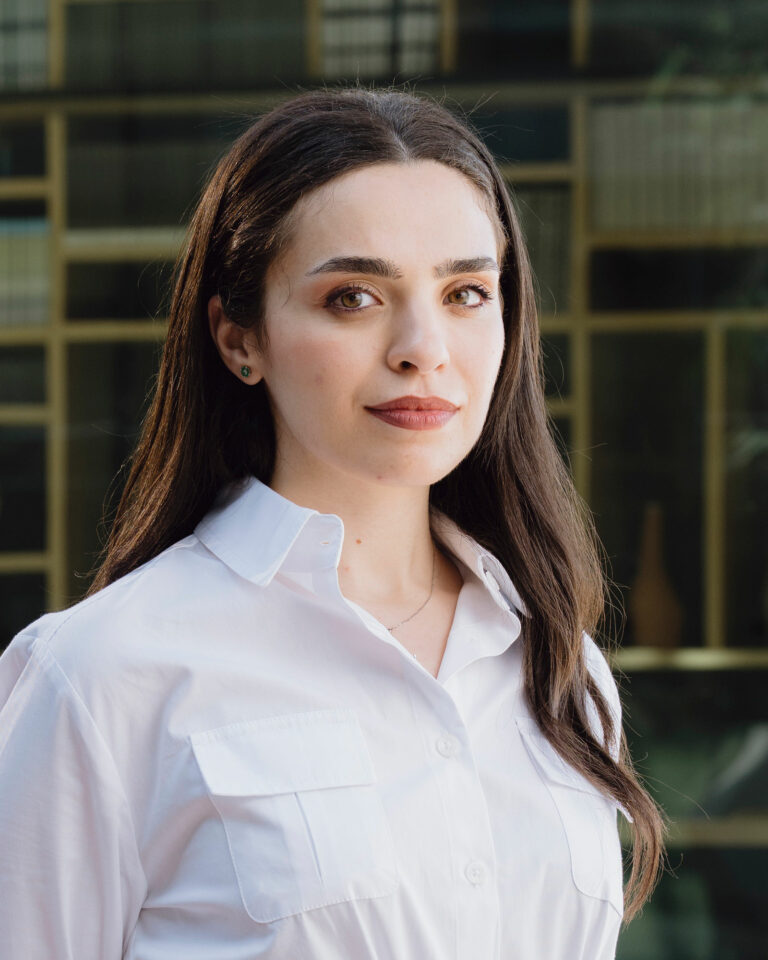
Palestinian-Dubai-based interdisciplinary visual artist Mays Albaik places literary writing at the heart of her practice. Taking shape through performance, video and spatial installations, her work seeks to establish a connection to place through the study of literary fauna and poetic production, both as tied to the land as deeply rooted plants.
Her work has been presented at the Kulturstiftung Basel H. Geiger (2024), the UAE Embassy in Brussels (2023), Louvre Abu Dhabi (2022) and Manarat Al Saadiyat. In 2026, she was featured in the UAE National Pavilion’s exhibition at the Venice Biennale.
Her compelling contribution comprises two sets of glass sculptures cast from the inside of her mouth at the precise moment she attempts to speak. The work invites viewers to reflect on the losses and transformations inherent in preserving oral histories, as well as those that occur in the very act of speech.
Dana Awartani
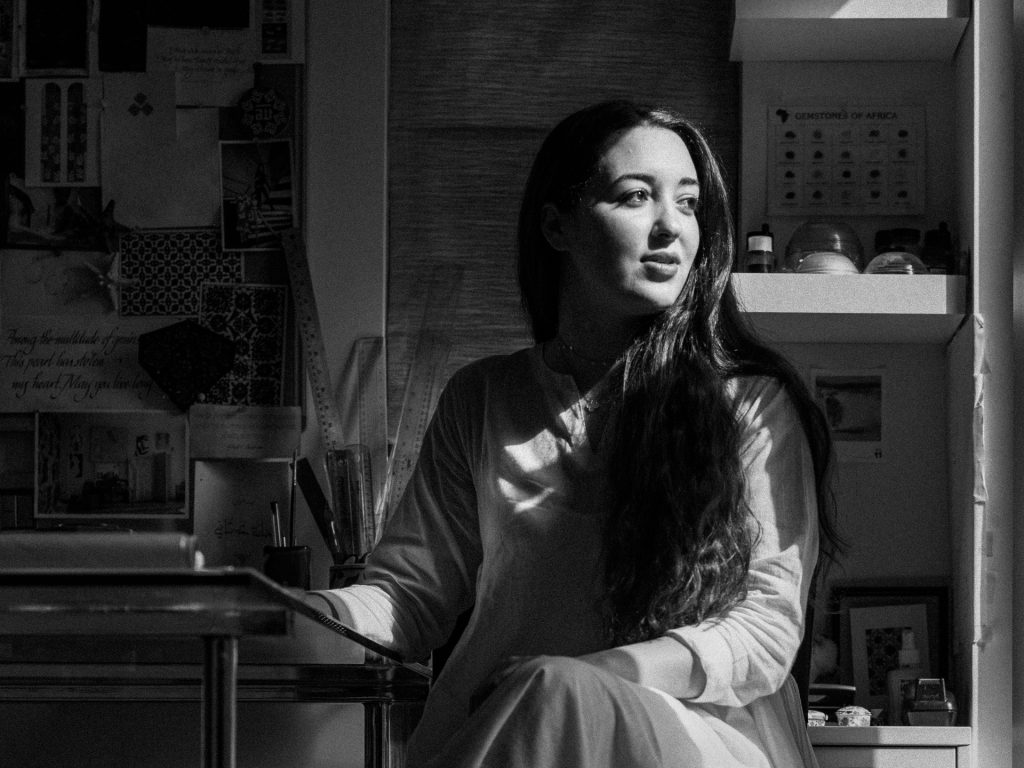
For more than a decade, Palestinian-Saudi multidisciplinary visual artist Dana Awartani has developed a distinctive practice that intertwines traditional Islamic art and craft techniques with contemporary socio-political themes. Her work is held in major collections, including the Guggenheim Museum, the British Museum, Sharjah Art Foundation and the Farjam Collection.
She gained further international recognition with Standing by the Ruins, her first institutional solo exhibition in Europe, presented at Arnolfini in Bristol in 2025. Exploring love and loss, destruction and the passage of time, the exhibition reflected her ongoing engagement with cultural memory and endangered heritage.
In 2026, Dana returned to the Venice Biennale, representing Saudi Arabia with May Your Tears Never Dry, You Who Weep Over Stones at the National Pavilion of Saudi Arabia in the Arsenale. The monumental floor installation invites visitors to walk through an imagined archaeological site, following earthen pathways formed by thousands of handmade clay bricks arranged in intricate mosaic patterns inspired by heritage sites across the Arab world. Drawing on traditions from Palestine, Syria and Lebanon, the work reflects on the fragility of cultural heritage and the urgent need to preserve histories threatened by conflict and destruction.