


INTERVIEW BY MILO RADONJIĆ
Fabio Napolitano on photographing stillness, chasing light across Mediterranean islands, and the philosophy behind Slow Living Hotels.
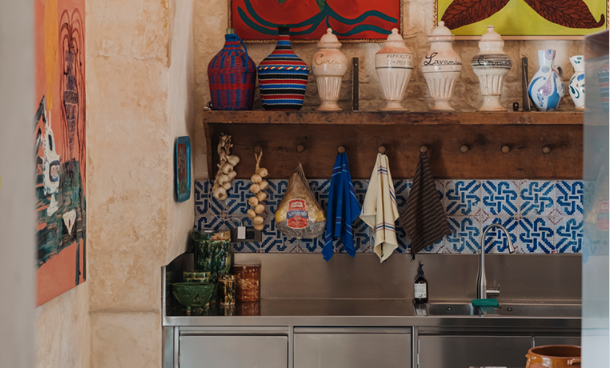
There are people who don’t simply take photographs – they translate the quiet between moments. Fabio Napolitano, the visual guru behind viral Instagram profile @SlowLivingHotels is one of them. In a world tugged forward by speed, Fabio moves differently. His images feel like pauses in time – sunlight resting on a table, the hush of an empty terrace, the sea breathing against the stones. They are not constructed; they are witnessed. And through them, he reminds us that beauty is not an event. It’s a rhythm.
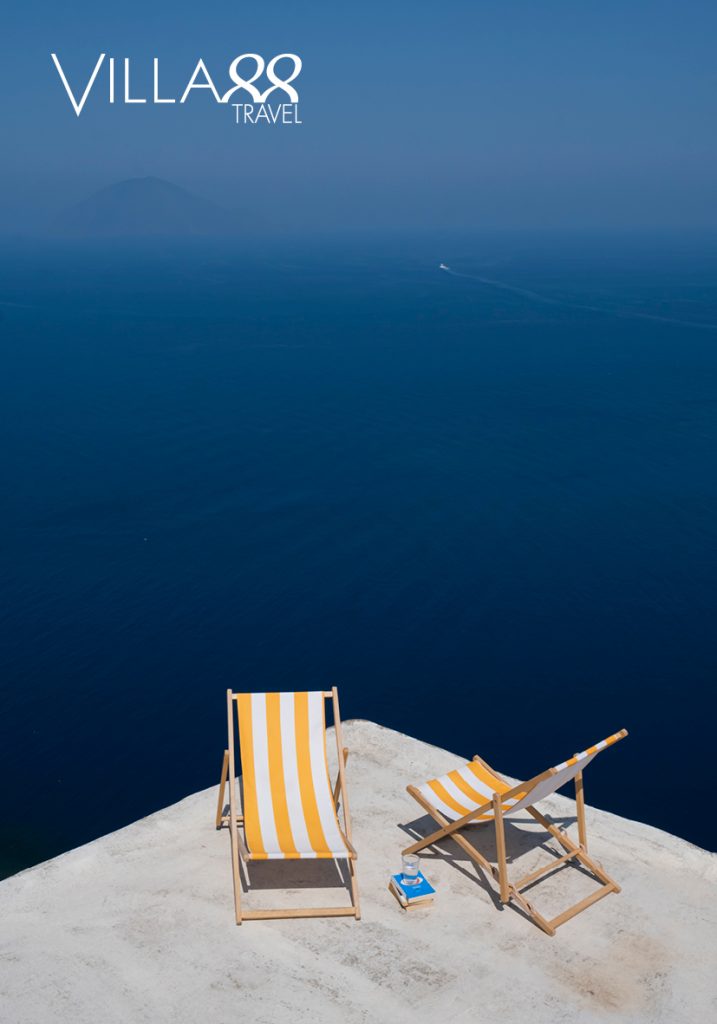
At Villa 88 Travel, we are drawn to storytellers who hold a reverence for place, for light, for the delicate architecture of stillness. Fabio lives within that world. His philosophy is not a trend but a lived devotion to slowness – to noticing, to feeling, to allowing life to unfold with intention.
In this conversation, he takes us back to the landscapes that shaped him, the trips that rewrote his understanding of hospitality, and the quiet corners of the Mediterranean that continue to guide his eye. He speaks of childhood summers, silent islands, and the emotional tenderness behind every frame he shares. Here, he opens the door to a life lived in soft focus – one where time stretches, where mornings taste of salt and citrus, and where photography becomes a form of breathing.
This is Fabio, and this is the world as he chooses to see it.
Do you remember the exact moment when “slow living” stopped being an idea and became a way of seeing the world for you?
I realised it when I understood that slow living – as I experience it, a deep inner calm and true connection with whatever I was doing – was no longer just a series of fleeting moments. It had become me. I stopped making time or space for anything that didn’t reconnect me to myself or bring me peace. Life and the world began revealing themselves differently, and I started to see everything through that new lens.
Your photography feels like a deep breath – calm, sunlit, effortless. What was the first image you ever captured that actually made you think, “This is my style”?
It was a plate of spaghetti by the sea. A simple, almost ordinary moment, yet in that image I recognised something deeply mine – the warm light, the essential details, and that natural sense of quiet all around. Over the years, my style has remained the same. It has evolved technically, but at its core it’s still true to what it has always been. I’ve never tried to be anything other than myself. My eye stays consistent because it comes from authentic sensitivity, not from trends.
What trip shaped the philosophy behind Slow Living Hotels – the journey that taught you the beauty of unhurried days?
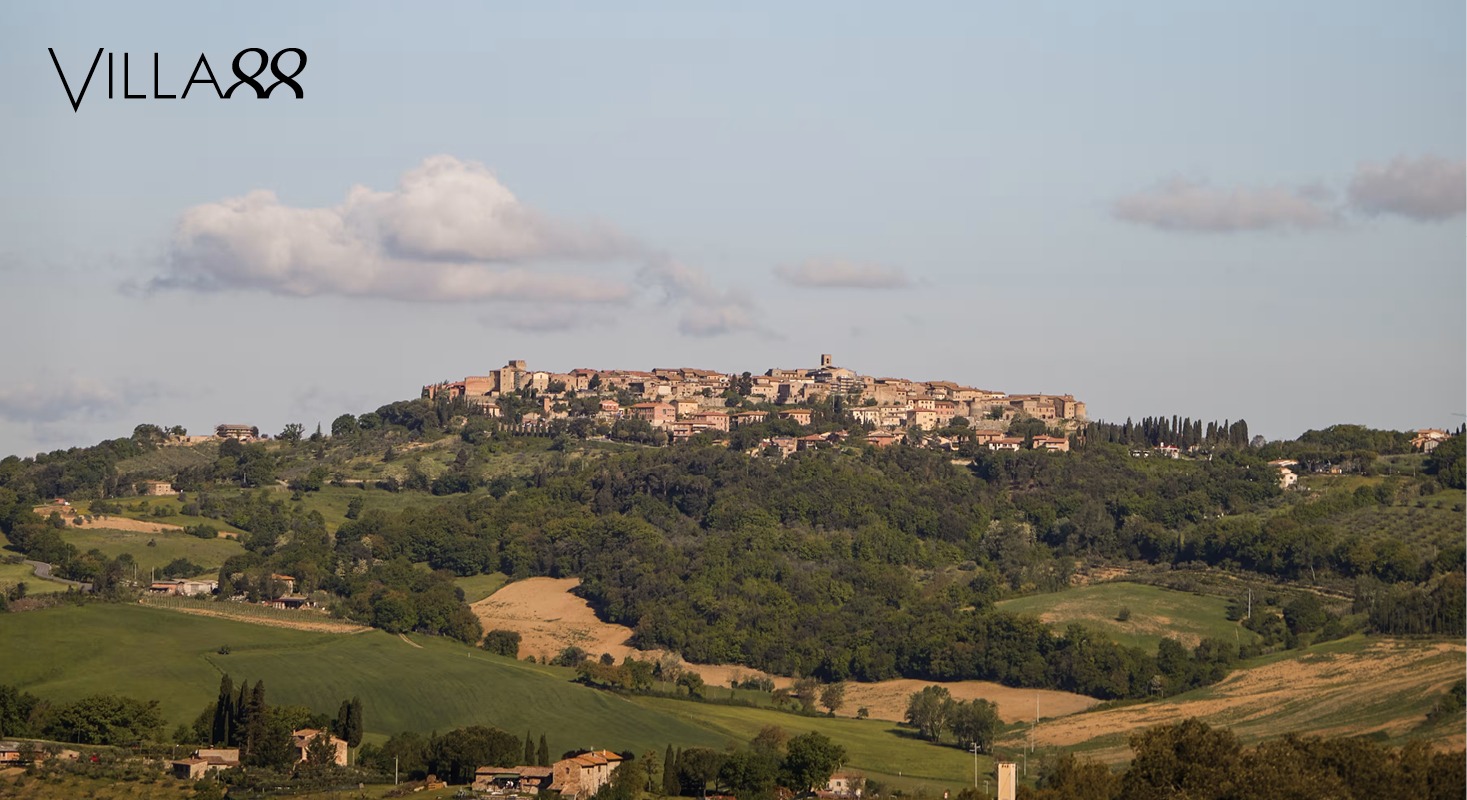
Seven years ago, I travelled alone through Tuscany, staying in three tiny hotels with just a handful of rooms, each tucked in the middle of nowhere. Fresh food from the garden, long bicycle rides through rolling hills, lingering breakfasts with hot coffee, the quiet clucking of chickens, and soft music drifting through the mornings. Those days taught me that the true essence of hospitality – and life itself – is time, presence, and simplicity. That journey became the heart of Slow Living Hotels.
Can you take us back to your childhood travels? What was the first place that made you fall in love with landscapes, light, and the poetry of simple moments?
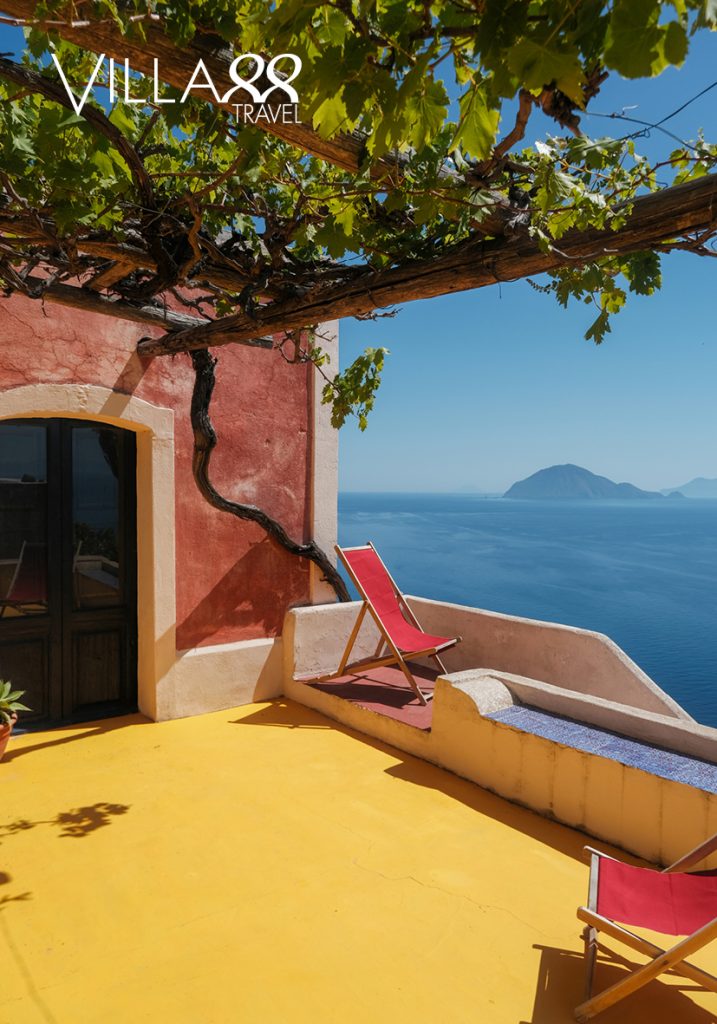
For the first ten years of my life, every summer I travelled with my family to Calabria. Back then – 20 to 30 years ago – it was even more authentic. Slow villages, rugged coastlines, endless skies. I didn’t know it would shape my aesthetic, but I was already noticing light, the colours of the sea and old stone walls, the scent of salt and citrus, the rhythms of daily life. That coast planted the seed of how I see the world today.
What was your very first job in travel or photography, and do you remember how you spent the money from it?
I was working for a hotel group in an office role that felt increasingly distant from who I was. I had a permanent contract, stability, security – but no space for creativity. One day, I left. No backup plan, no guarantees. The first payment I received as a freelancer arrived three months later – 50 euros to share a hotel photo on the Instagram Stories of Slow Living Hotels. I didn’t spend it on anything special – it wasn’t about the money. It was about the freedom. That was the real beginning.
Your work celebrates breakfasts by the sea, sun-washed terraces, sleepy afternoons… When you close your eyes, what destination is your personal definition of “slow”?
Silence. Natural sounds. No cars. The wind moving through trees. The rhythm of the sea. Footsteps on stone. Slow is when external noise disappears and you can finally hear yourself. For me, that feeling can happen anywhere – but islands, especially small ones, hold it effortlessly.
From every country you’ve visited, which destination surprised you the most – the one that felt like a secret shared only with you?
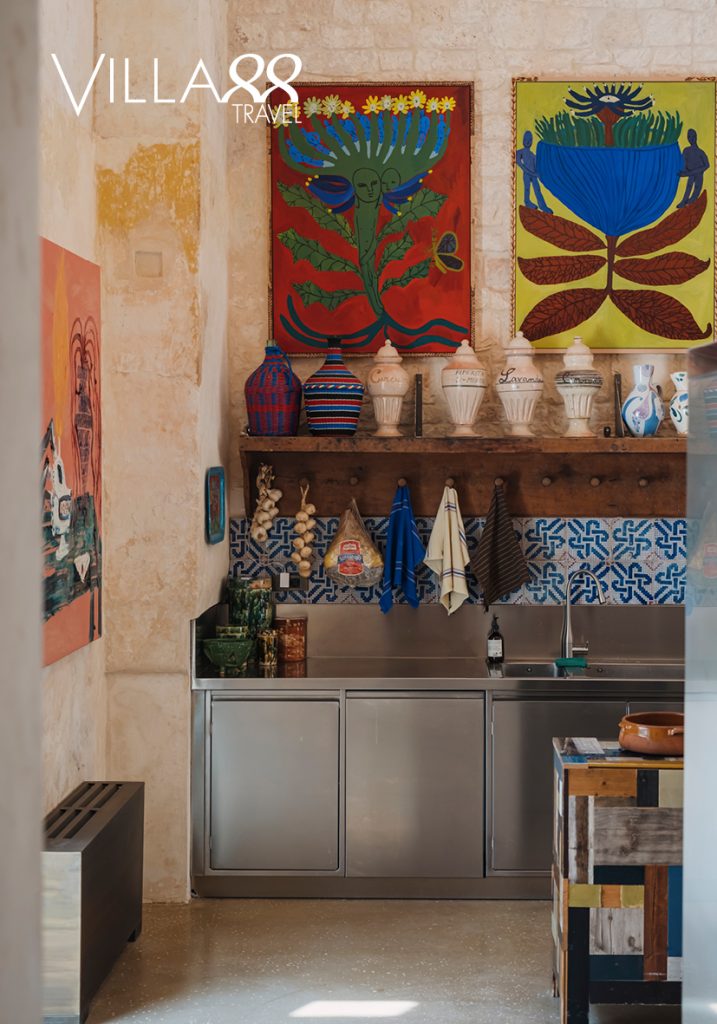
Alicudi. A small, raw island in the Aeolian archipelago where there are no cars – only steep paths and donkeys. Life moves vertically, slowly, intentionally. There’s something both primitive and poetic about it. At night, absolute darkness. During the day, only sea and sky. It feels like stepping outside of modern time.
What are your three must-have essentials when traveling in the summer – the items that feel like extensions of your creative process?
A lightweight camera so I can move freely and stay present. A notebook to write what I feel when I am truly connected to myself. Comfortable shoes to walk, observe, get lost, and discover without rushing.
Your images often feature boutique, family-run hotels. What does a hotel need to have – beyond good design – to earn a place on your page?
Soul. Design matters, but energy matters more. Attention to detail. Authentic, unforced hospitality. A real sense of story. I need to feel that someone cares – not just about aesthetics but about how a guest feels. If I feel anonymous, it’s not slow living.
What is the most magical hotel experience you’ve ever had – the one where you felt time moving differently?
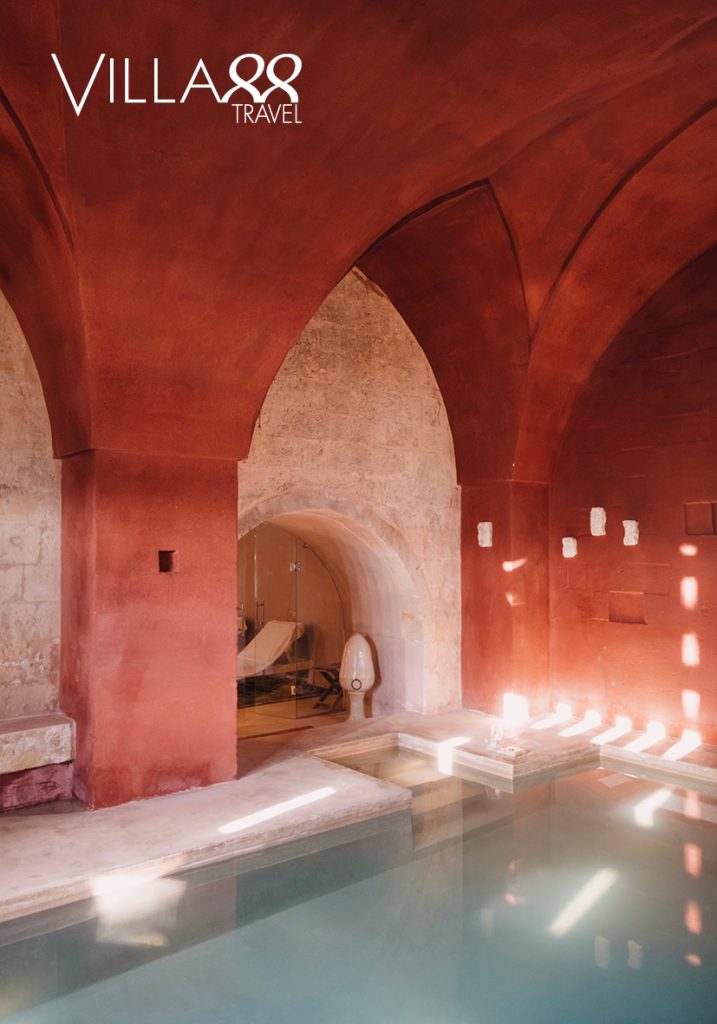
Il Monastero, a hotel inside the Aragonese Castle on a small islet connected to Ischia by a bridge. There’s a vegetable garden overlooking the sea, and every corner of the castle speaks of history and art – frescoed walls, stone arches, and centuries-old craftsmanship that give the place a soul. From every room, the view stretches across the sparkling water, blending sea and sky into daily life. A dramatic terrace suspended above the water hosts only 12 tables for intimate dinners. At sunset, everything turns gold. Time stretches. Silence becomes part of the experience. It doesn’t feel like staying in a hotel – it feels like inhabiting a suspended world where art, nature, and light come together in perfect harmony.
What’s one detail you instantly notice when you enter a hotel room – the thing that tells you it’s a place curated with heart?
The light. Always the light. If natural light enters softly and intentionally, then everything else follows.
If you could live in one hotel for a full season, watching the light change month by month, which one would it be and why?
Masseria Palombara in Puglia. I would cultivate the garden, swim in the pool on late-summer afternoons, warm myself by the fireplace as autumn arrives, and watch the fields change colour. I would live there not as a guest but as part of its rhythm.
Your aesthetic is deeply Mediterranean – long tables, citrus, sea-washed mornings. What does the Mediterranean mean to you personally?
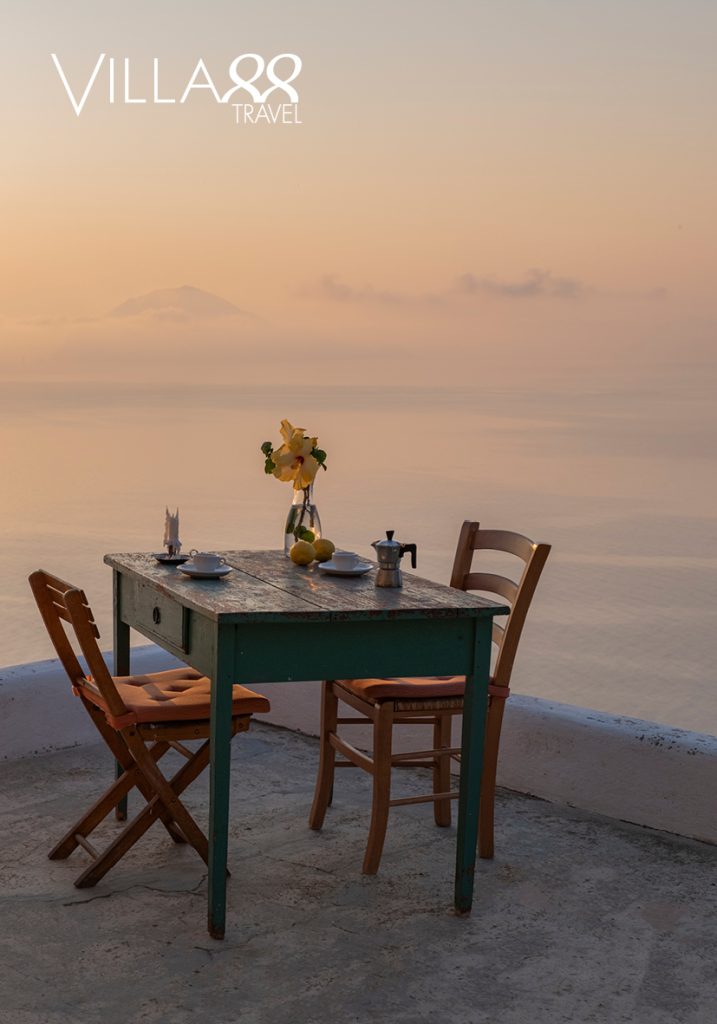
It’s not just geography. It’s rhythm – the slow pace of days that stretch like sunlight over whitewashed walls. Long tables under olive trees, shared food, laughter spilling into the evening, the scent of sea and citrus in the air. It’s layered history, the texture of old streets and stones that have seen centuries pass. Sensual simplicity, emotional architecture, a way of living that nourishes both body and soul. The Mediterranean is not a place I visit – it’s a lens through which I experience the world.
Is there a destination you return to not for work, but for the soul – a sanctuary you keep just for yourself?
A tiny island in Greece. I won’t say which one – I want to keep it for myself. It’s a place where I still walk barefoot, eat freshly caught fish, swim at sunrise. Walk, breathe, float. No performance. No content. Just presence.
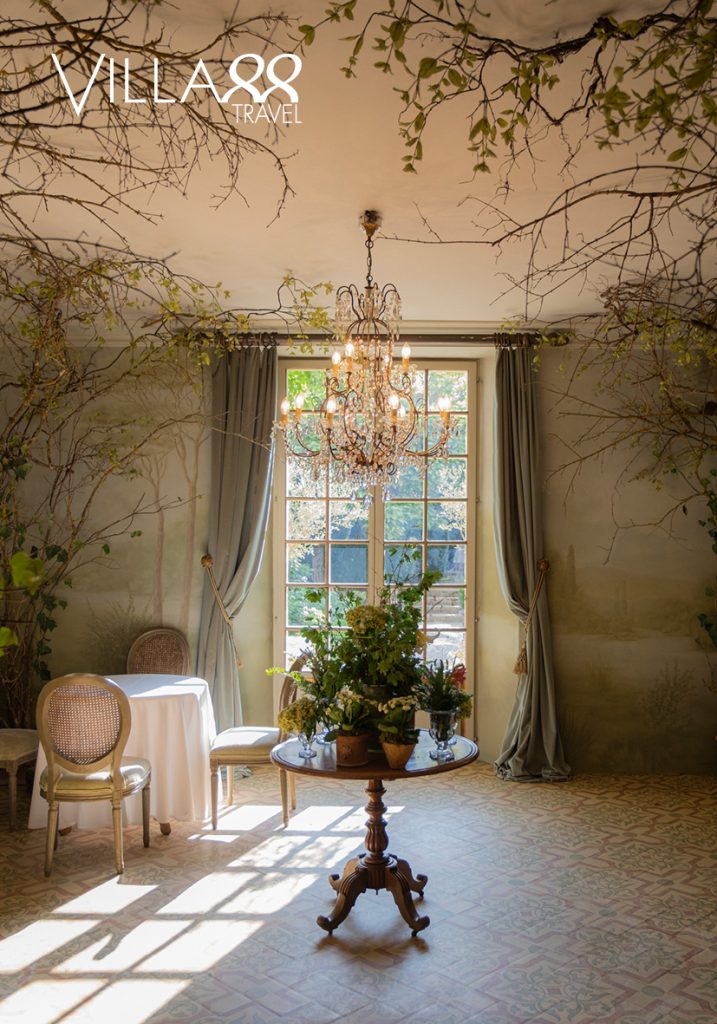
If you could photograph one place for the rest of your life, exploring its moods endlessly, which place would you choose?
Islands. I depend on the sea and the sun. I would never get tired of photographing the immensity of the ocean – its moods, its silence, its infinite horizon. The sea never repeats itself.
Which book, song, or film best captures the feeling of slow living for you – the one you turn to when you want to feel transported without moving at all?
For me, Under the Tuscan Sun by Frances Mayes captures the essence of slow living – long, leisurely walks, fresh food, old houses, and the little details that make everyday life beautiful. Paired with the music of Ludovico Einaudi, whose melodies breathe with emotional slowness, it becomes a full sensory experience of presence and calm.
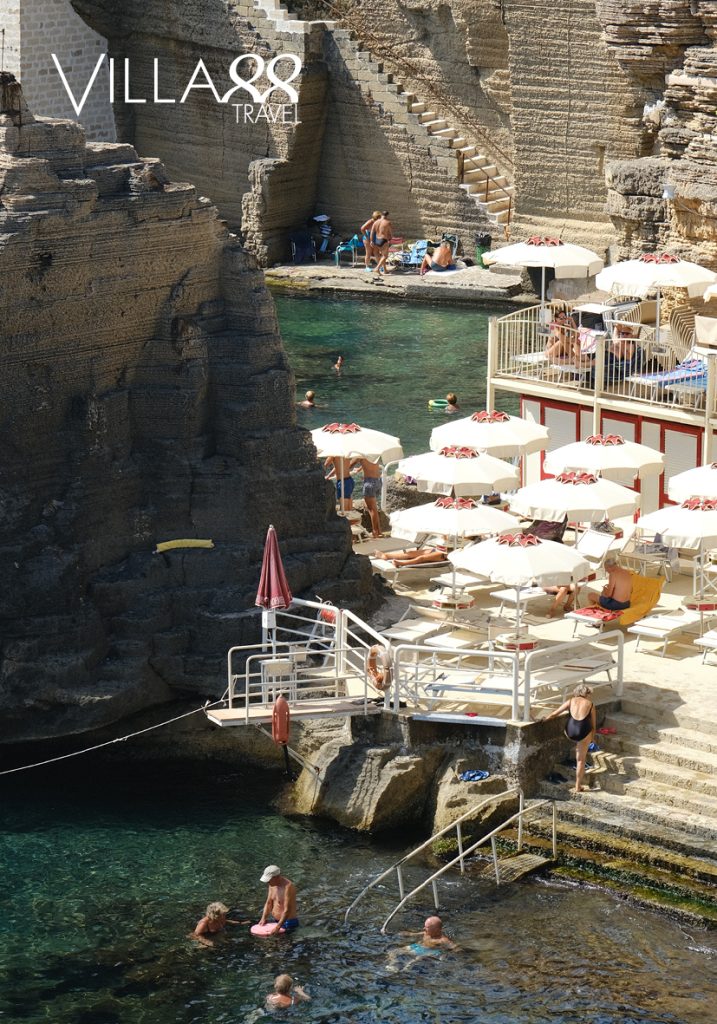
What destination, still unseen, calls to you quietly – the place you think about when you imagine future journeys?
Japan. I first visited when I was 15, and the memory of its quiet temples, minimalist streets, and delicate rituals has stayed with me ever since. Now I’m planning a new trip to return, to experience again that sense of calm, presence, and the slow rhythm of life that only Japan seems to offer.
What is the most meaningful message a follower has ever sent you – the one that made you realise the emotional impact of your work?
Someone once wrote to me saying their life felt chaotic. They couldn’t find peace anywhere. But every time they looked at my photos, they felt calmer. So, I sent them their favourite images in high resolution so they could print them and hang them in their bedroom – to wake up and fall asleep with something that made them breathe. That moment made me understand the emotional responsibility of what I do.
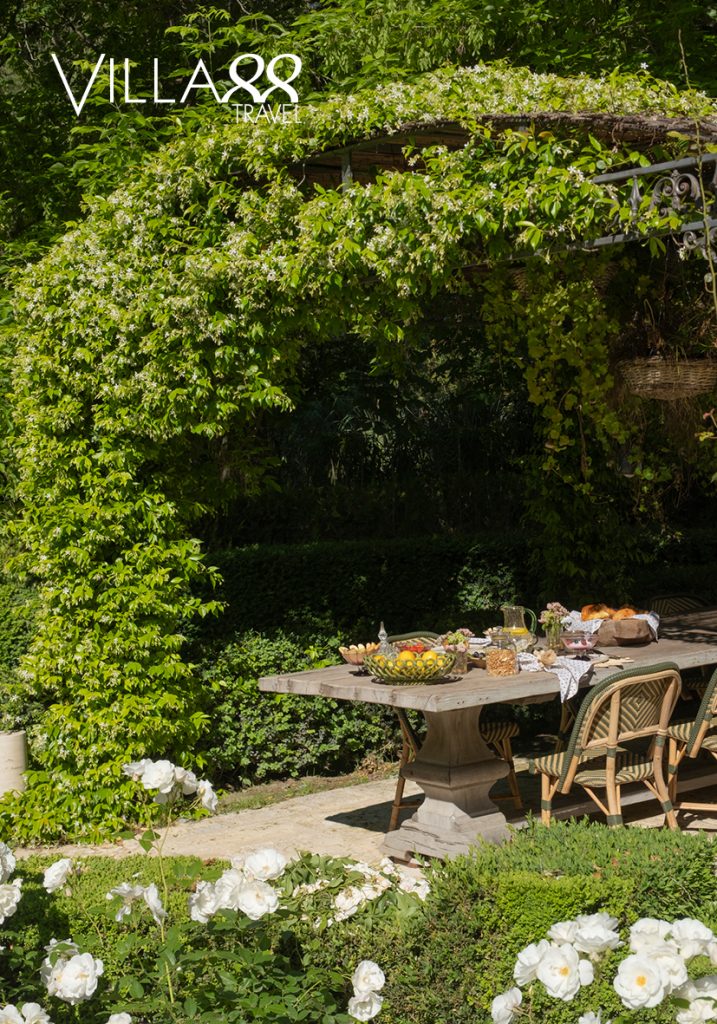
What’s the biggest misconception about slow living that you’d love to correct?
People confuse slow living with a cliché – a coffee by the sea, two elderly people walking at sunset. Slow living is not a postcard. You live slowly when your mind is calm; when, despite repetitive routines, you carry deep inner peace; when you smile easily; when you find beauty in small things – the shadows of leaves, music in the background, a good book. In that moment, you are living slowly. You can be by the sea or, paradoxically, at work. Slow living is an internal state, not a location.
If you were to write a love letter to slow travel – the way one writes to a person – what would the first line say?
“Thank you for teaching me that time is the only true luxury.”
Photos supplied by Fabio Napolitano.