


Between Florence and Siena lies a medieval village that became a hotel without ever forgetting what it was. Across 3,200 acres of working vineyards, olive groves, and farmland, Castello di Casole, a Belmond Hotel, makes a convincing case that authenticity, when it runs this deep, needs very little else.
Words by Asma Al Fahim
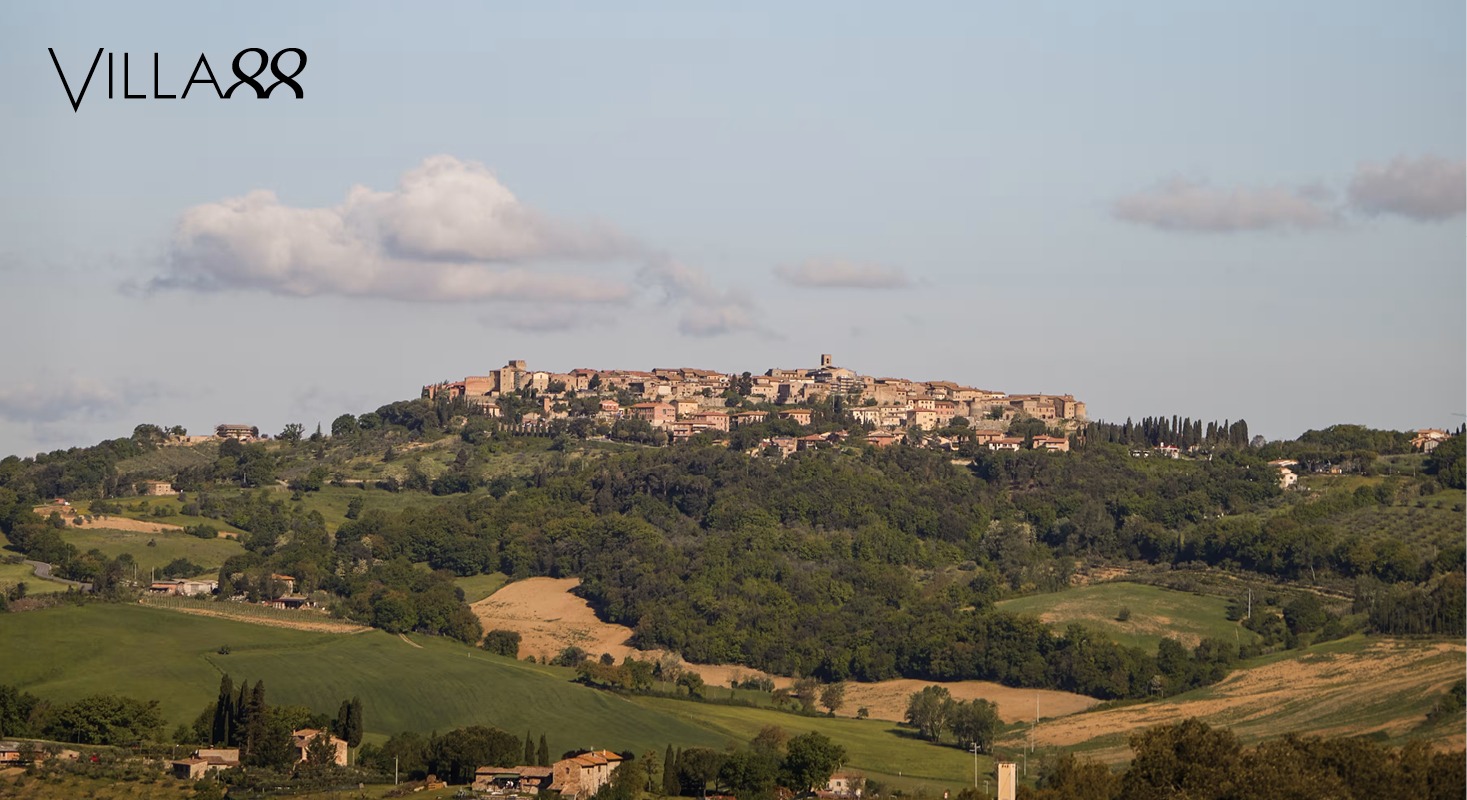
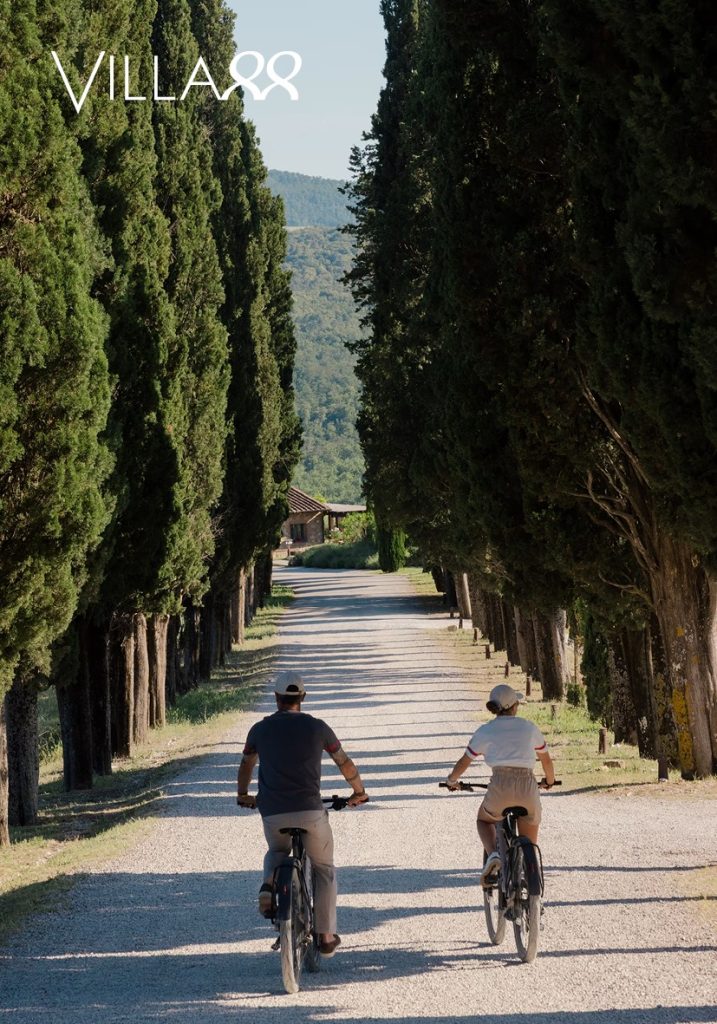
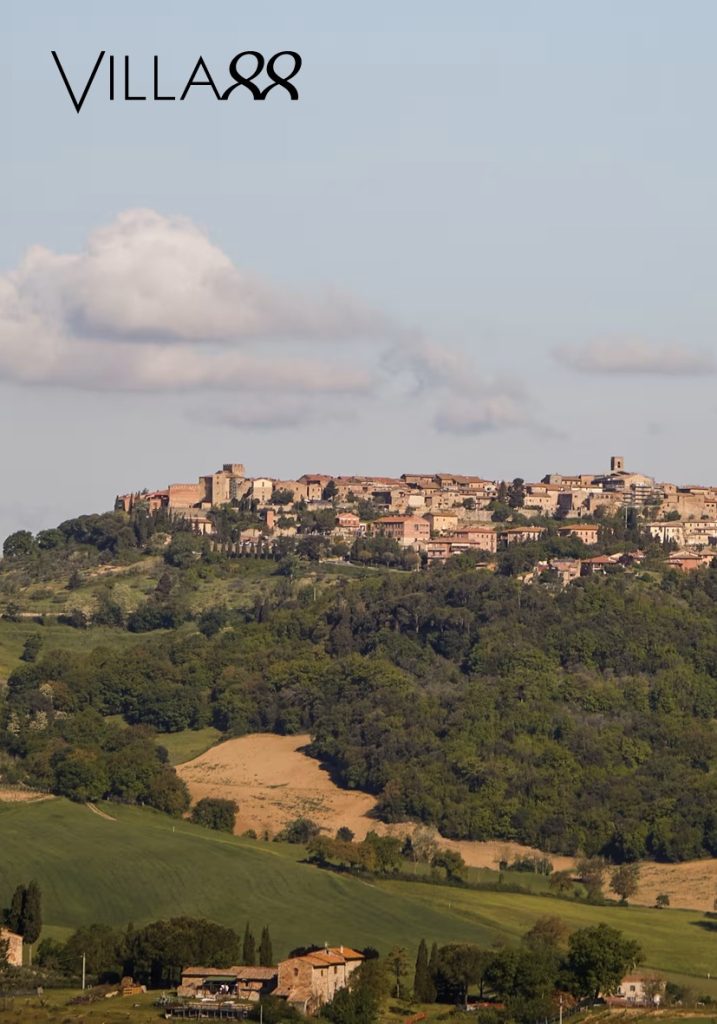
Somewhere between Florence and Siena, the Tuscan countryside becomes almost unreasonably beautiful. Cypress-lined roads, hills in a dozen shades of green, and late-afternoon light draped over vineyards make a case for travelling slowly and silently, through them. I found myself unsettled by it – not overwhelmed, but disoriented. The landscape had the quality of a Renaissance painting you’ve studied so long you no longer believe it depicts a real place. Then my driver pointed toward the horizon.
“The castle,” he said.
What came into view was Castello di Casole, a Belmond Hotel. A former medieval village dating to the 10th century, once belonging to the noble Bargagli family, it has now been restored by Belmond with a precision that stops short of perfection – on purpose. Spread across 3,200 acres, it is among the largest private estates in Italy.
Vineyards run toward the tree line. Olive groves yield the property’s own organic oil, and its farmland is still actively worked. The rhythm here predates hospitality entirely, and Belmond has been careful not to interrupt it.
What struck me first, though, were the smiles – disarmingly personal in the way Italian warmth at its best always is, but here amplified by scale. With around 40 suites and a small collection of private villas, there is no crowd to disappear into. I didn’t feel like I was checking in. I felt like I was expected, which is such a rarity in travel today.
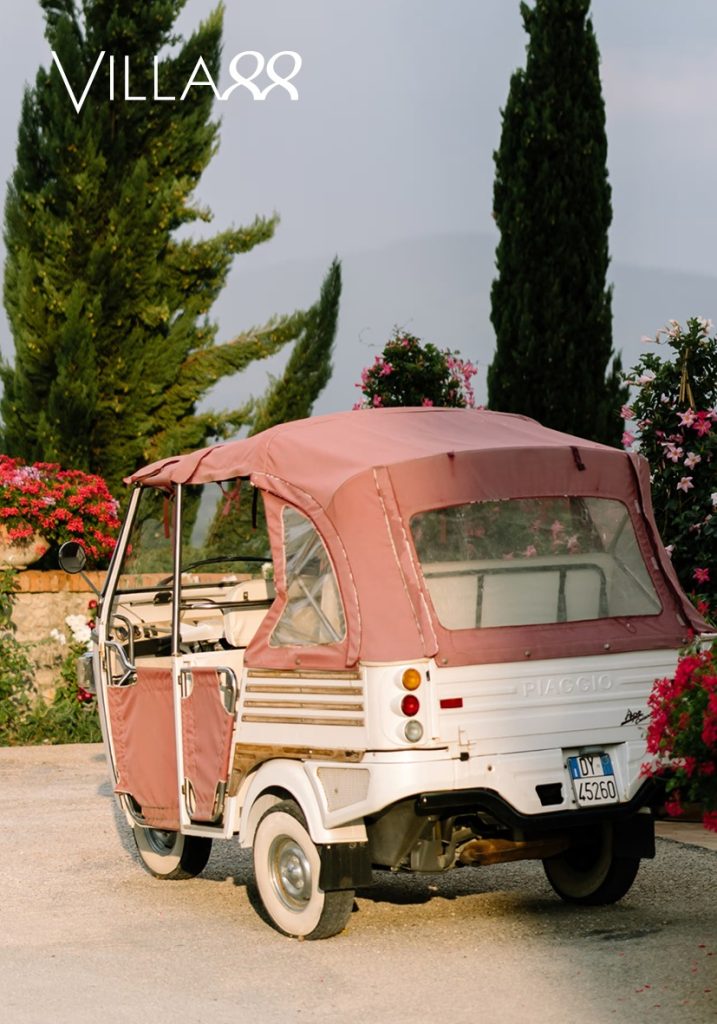
My villa was reached by golf cart, because cars are kept deliberately distant here. The medieval façade had been softened by climbing greenery, nature doing its quiet work.
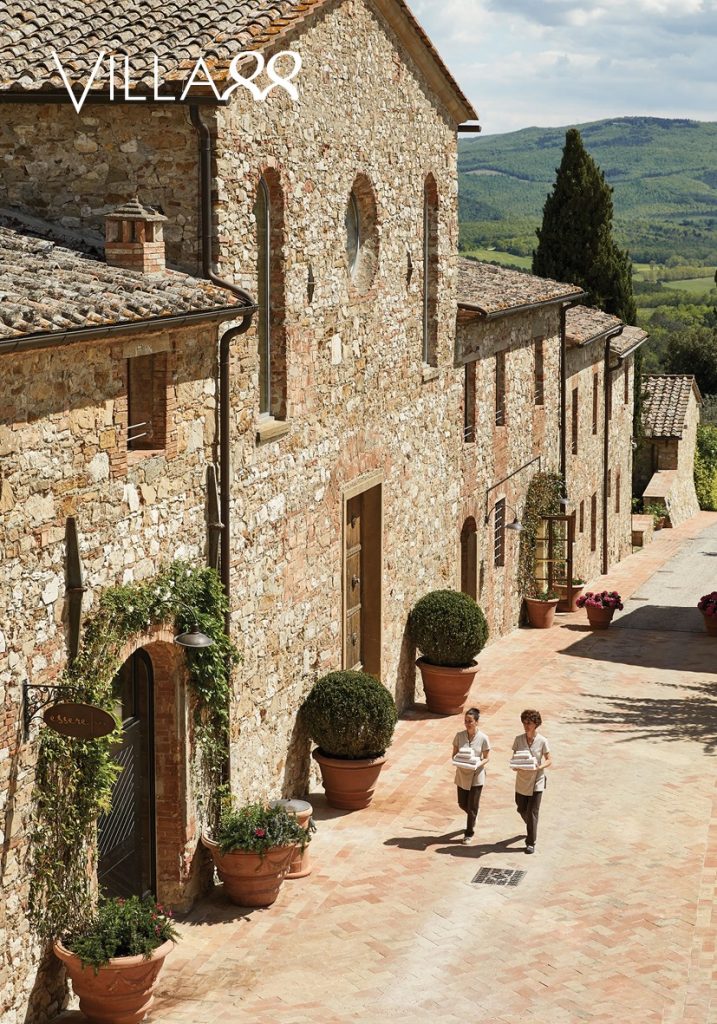
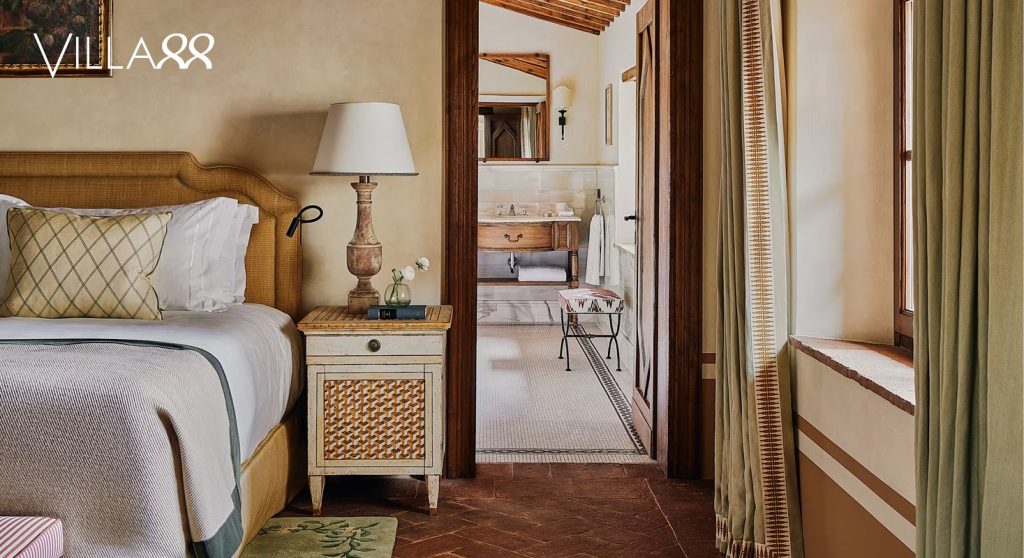
Inside, the atmosphere was immediate and deeply affecting, with a sitting room, a library worth lingering in, an antique fireplace, and a garden that felt truly private. The kitchen, stocked with still-warm focaccia and vegetables from the estate’s own organic plots, had the composed beauty of a still life painting.
The walk to the spa passed through a corridor of tall trees, light breaking into patterns on the path below. The spa occupies the estate’s ancient vaulted cellars – Etruscan-inspired, built for the long exhale. Artifacts unearthed from the surrounding land are displayed along the route, a quiet reminder that the ground here has always held more than soil. I chose rose and honey for my spa treatment, and what followed was a restful day, in tune with what was around me.
Dinner at Tosca was an interesting affair. The restaurant draws from Orti del Castello, the estate’s own kitchen gardens, and the vegetarian tasting menu I ordered arrived with complete authority. The flavours were precise, grounded, unhurried, but commanded my full attention. One dish stayed with me long after the meal ended – and I couldn’t have told you exactly why. That’s usually the mark of the real thing.
Morning brought a picnic basket left in the kitchen – a gesture small enough to be genuine and unique. I walked the cypress corridor to the fully equipped gym, which is integrated into the landscape so neatly you almost miss it.
Lunch was pizza from a wood-fired oven that has been in use for centuries, its simplicity doing exactly what simplicity does when the ingredients are this good.
General Manager Alessandro spoke about the property with the warmth of someone who knows they’re tending something rare. “This is my playground,” he said. Over three years, he has tightened the estate’s sustainability practices without making them the focal point of every conversation.
“Our olive oil is made here,” he explained. “Our honey is made here. Our bread is baked here. We want everything to be Tuscan.”
It shows, in the texture of every meal, every corner of every room.
The concept store offered locally crafted ceramics, textiles, and artisanal objects that read as extensions of the estate rather than additions to it. And an eco-printing workshop with artist Marianna Sauro yielded a silk scarf pressed with leaves and flowers gathered from the gardens. “Don’t forget to thank the plant,” she said, as we picked. Surprisingly, I did.
In the nearby village, ceramicists and jewellers work in studios that echo the same values. In all, the estate and its surrounding landscape form a kind of argument – for slowness, for rootedness, for the kind of care that doesn’t announce itself.
Castello di Casole refuses to be anything other than what it is – a place where the land has always come first, and where every decision made since has been in service of that fact.
Photos: Courtesy of Belmond Hotels