


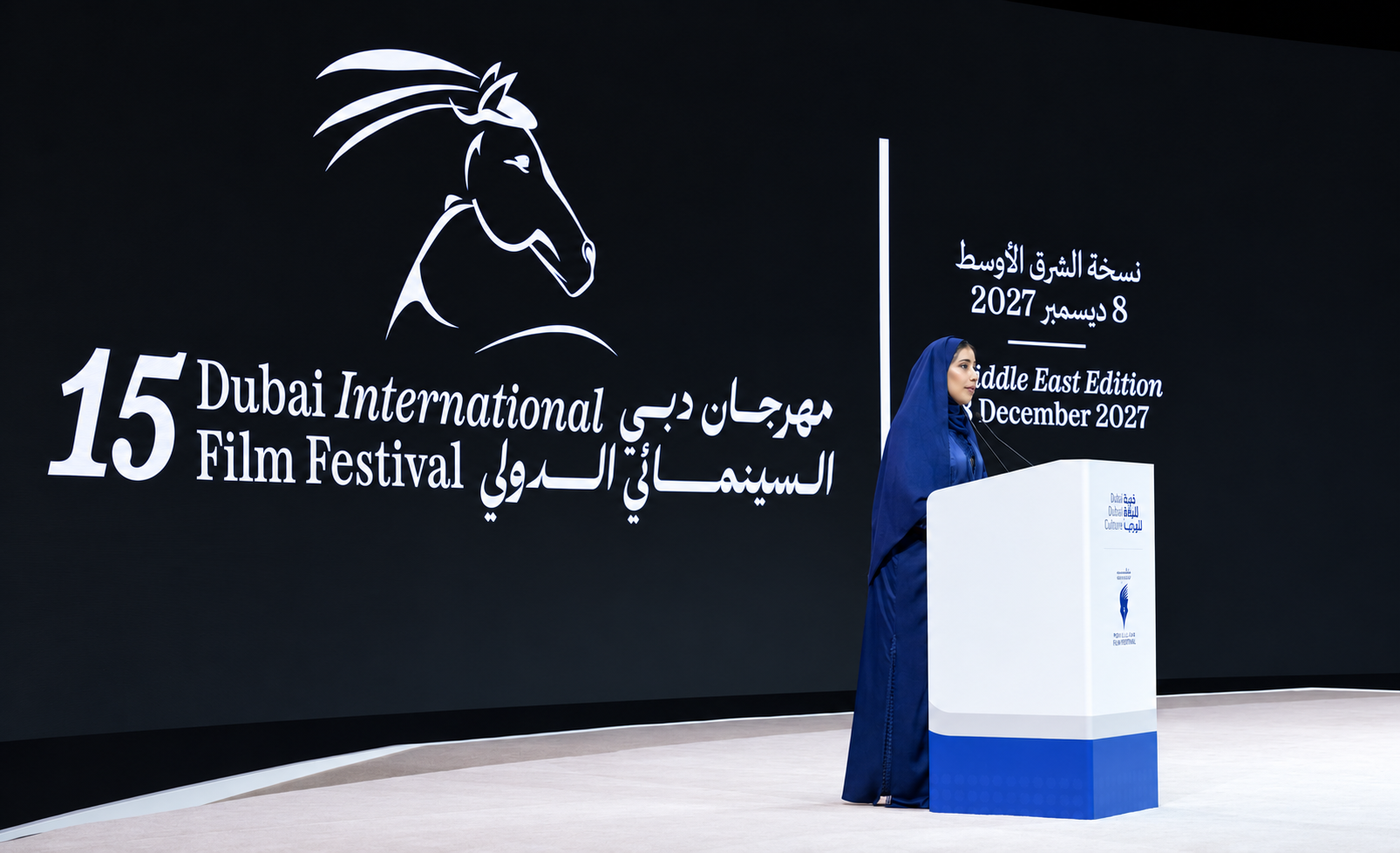
After a decade-long absence, the Dubai International Film Festival will return in December 2027. We look back at the event that helped put the city on the global cinema map.
For more than a decade, December in Dubai meant red carpets, world premieres and some of cinema’s biggest names descending on the city. Now, after a 10-year absence, the Dubai International Film Festival is officially returning.
The 15th edition will open on December 8, 2027, marking the beginning of what organisers have described as a new chapter for the festival and for Dubai’s wider film industry. Rather than simply reviving an event from the past, the ambition is to create a platform that reflects just how significantly cinema in the UAE and wider Middle East has evolved.
Where it began
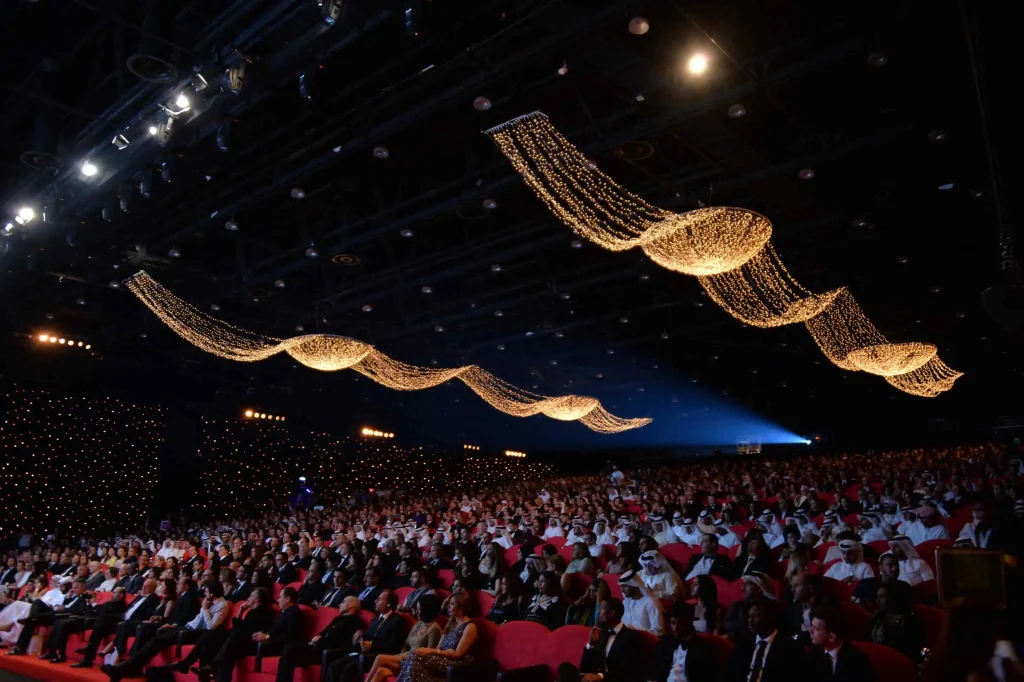
Launched in 2004, DIFF was created to establish Dubai as a meeting point between Arab and international cinema. From its earliest editions, the festival placed regional filmmakers alongside established names from Hollywood, Bollywood and the international independent film world, giving Arab stories greater access to global audiences.
Over the following 14 editions, its scale and influence grew considerably. Films from across the world were screened at venues including Madinat Jumeirah, while competitions, workshops and industry programmes created opportunities for filmmakers behind the screen as well as those appearing on it.
DIFF increasingly became associated with major international premieres and awards-season contenders. Slumdog Millionaire had its Middle East gala premiere at the festival in 2008 before winning the Academy Award for Best Picture. Two years later, The King’s Speech opened DIFF with its first Middle East screening before achieving its own Best Picture win.
Perhaps one of its most memorable moments came in 2011, when Tom Cruise arrived in Dubai for the world premiere of Mission: Impossible – Ghost Protocol. Partly filmed in the emirate, including its now-famous Burj Khalifa sequence, the film demonstrated Dubai’s potential not only as a festival destination but also as a location for major international productions.
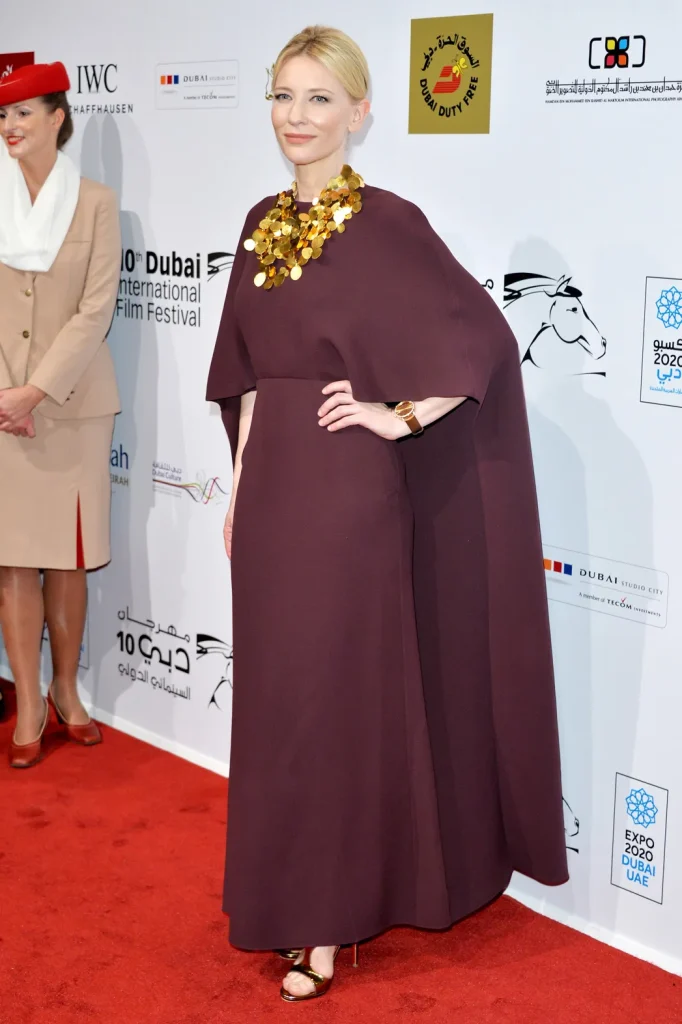
Over the years, guests included George Clooney, Cate Blanchett, Shah Rukh Khan, Morgan Freeman, Omar Sharif and Patrick Stewart, while films such as Life of Pi and Star Wars: The Last Jedi became part of the festival’s international programme. By its final edition in 2017, DIFF was presenting 140 films from 51 countries.
A platform for regional talent
Yet DIFF’s importance went far beyond celebrity appearances. Its Muhr competitions championed filmmakers from the Arab world, including a dedicated platform for Emirati cinema, while initiatives such as Dubai Film Connection helped connect regional projects with funding, producers and international industry figures.
That role could prove even more significant when the festival returns. The Middle Eastern film landscape is very different from the one DIFF left behind in 2017. Investment in film and television production has increased across the Gulf, regional stories are reaching international streaming platforms, and a new generation of filmmakers is finding audiences far beyond the Arab world.
The revived DIFF intends to put Middle Eastern cinema and talent firmly in the spotlight, while creating an industry platform that connects filmmakers with producers, investors and global markets. According to the Dubai Media Council, programmes will also encourage new projects, partnerships and collaboration across the UAE and wider region.
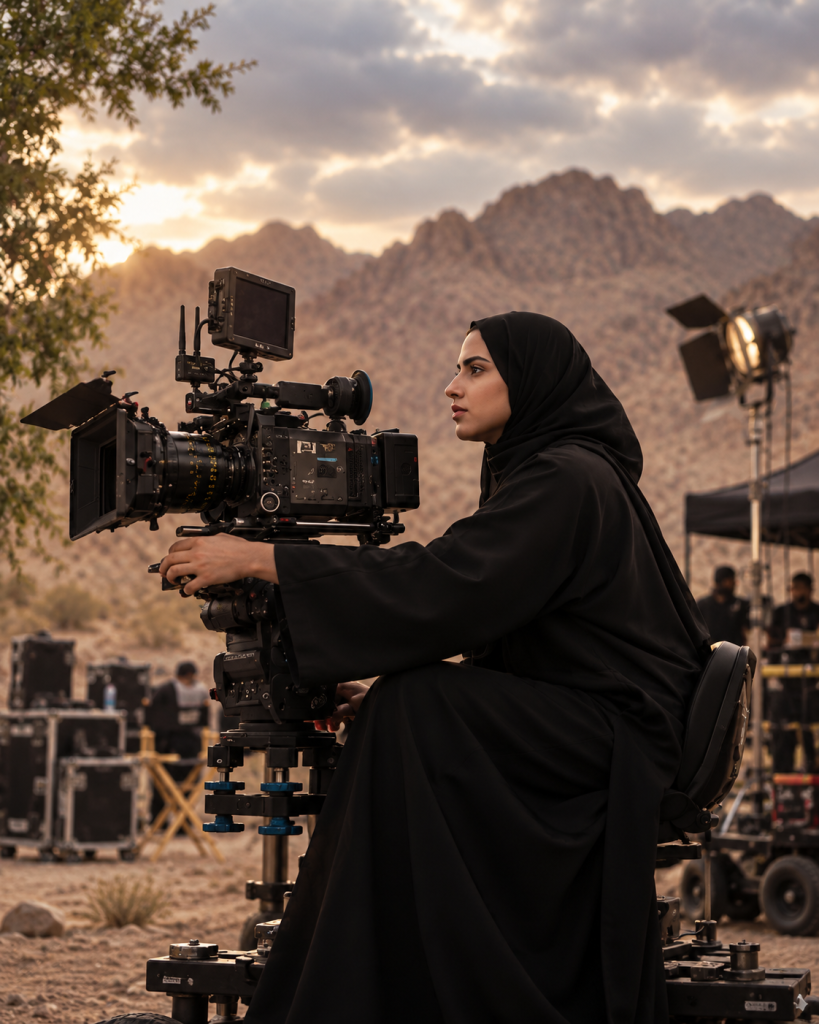
For Dubai, that could make the festival an important part of a much bigger creative ecosystem. A successful film festival does more than bring premieres to a city. It creates opportunities for financing, distribution, talent development, production and international collaboration, while giving emerging filmmakers direct access to the people who can help take their work further.
DIFF’s return, therefore, is not simply about recreating the glamour of its previous editions. Ten years on, the opportunity is to build something that responds to a far more ambitious regional film industry and once again puts Dubai at the centre of the conversation.
The red carpet may be returning, but what happens behind it could ultimately prove even more important.