


Through material innovation, sustainable dyes and digital archiving, Irthi Contemporary Crafts Council is ensuring the knowledge of Emirati women artisans continues to inspire contemporary design.
The Council’s latest developments look at craft as more than just material objects. These centuries-old techniques carry the stories, skills and cultural identity of the women who have preserved them across generations. Irthi Contemporary Crafts Council is ensuring that this knowledge is not only protected but given new relevance within contemporary design.
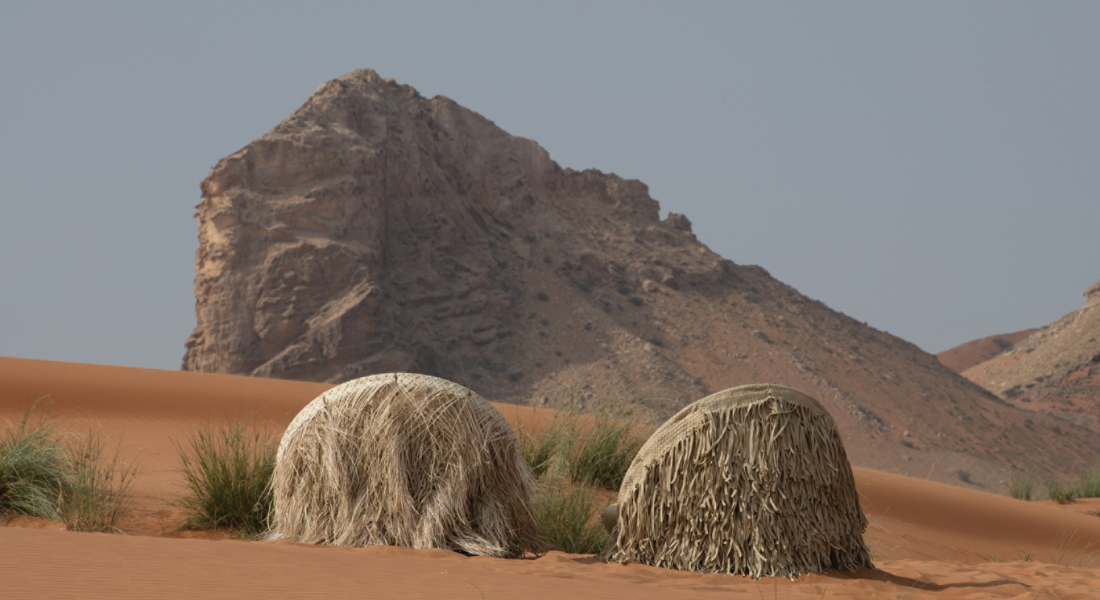
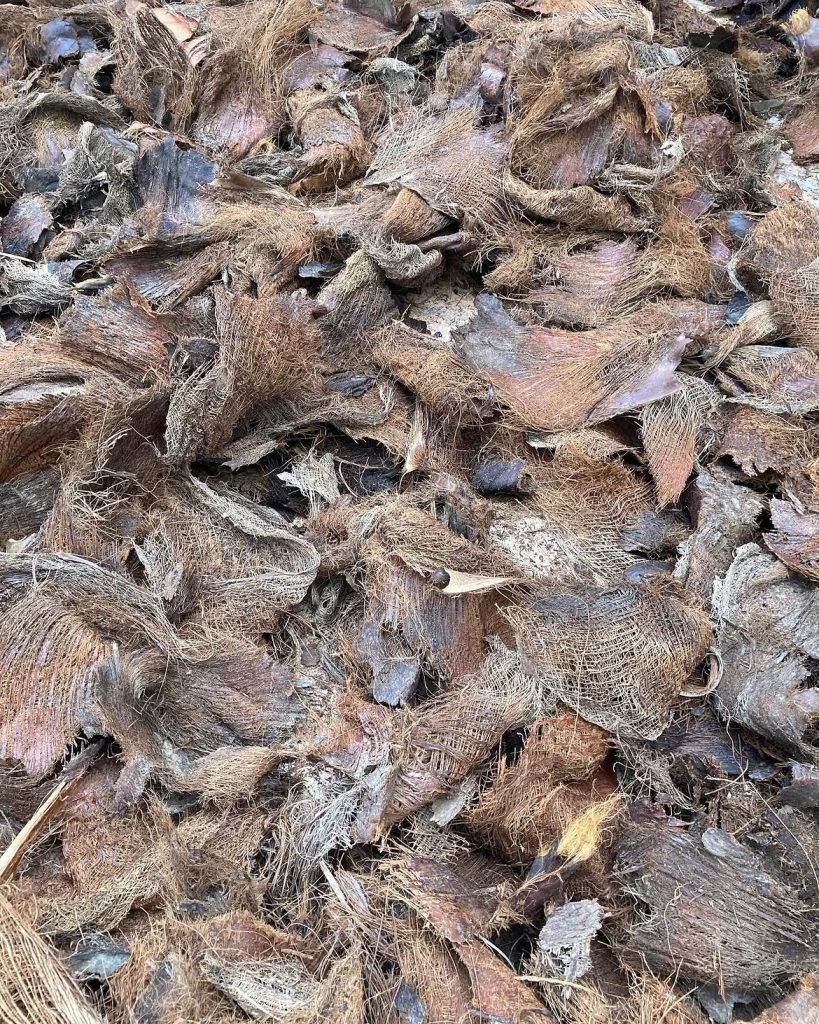
Through its Research and Documentation wing, part of the Council’s Curation and Design department, Irthi is exploring innovative approaches to material transformation, natural dye production and craft archiving. Working with material specialists and native plants, including the palm tree, the team has developed new textile fibres that bring sustainability and fresh creative possibilities to traditional techniques.
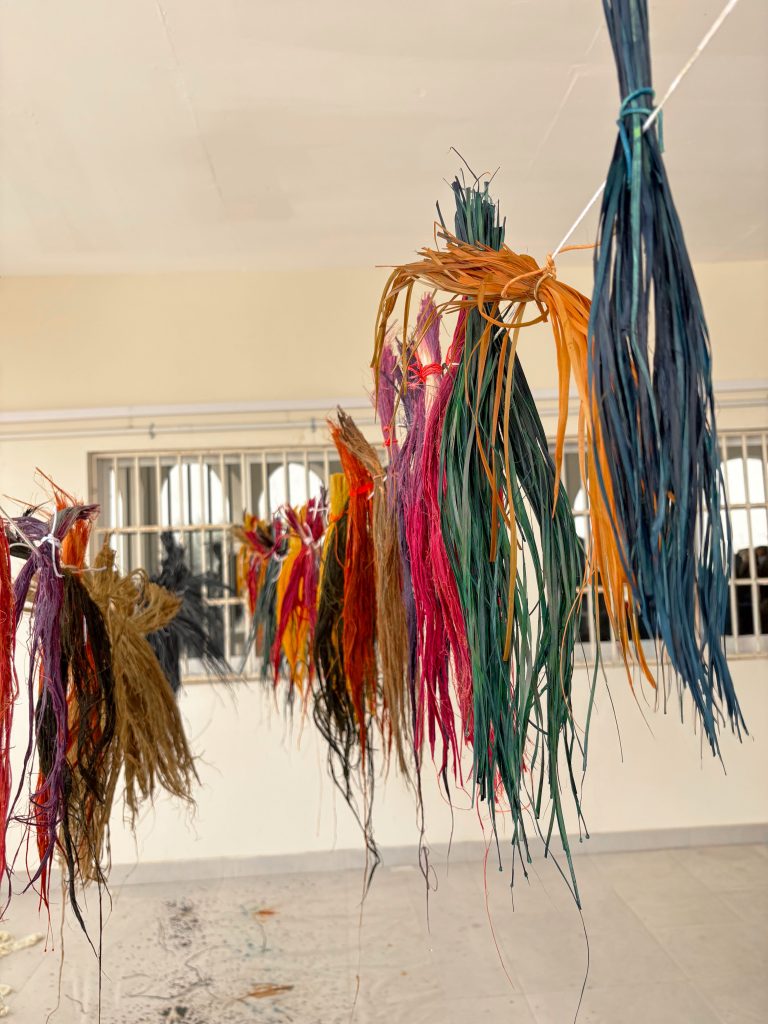
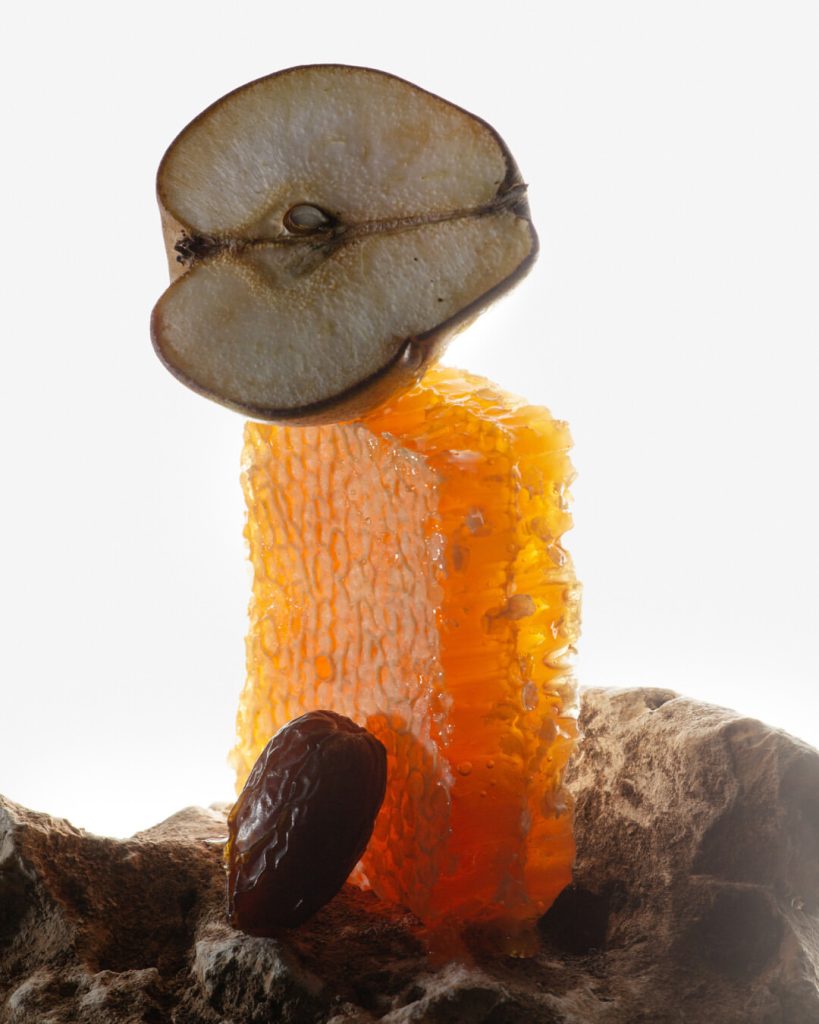
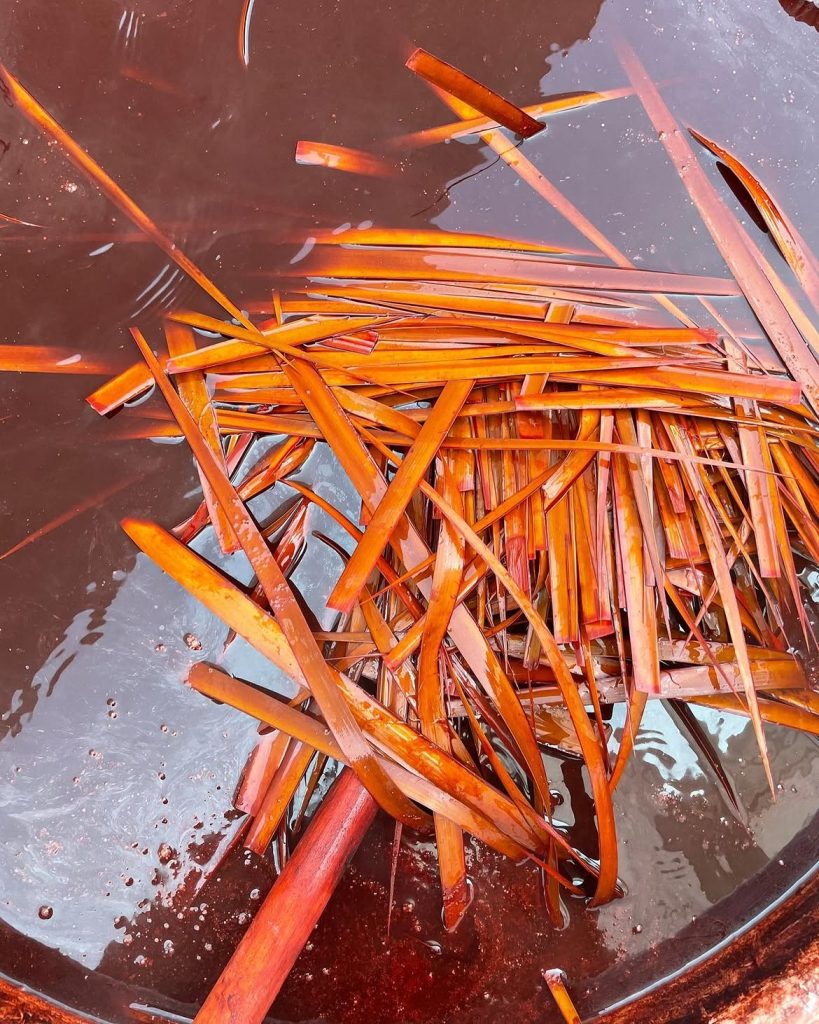
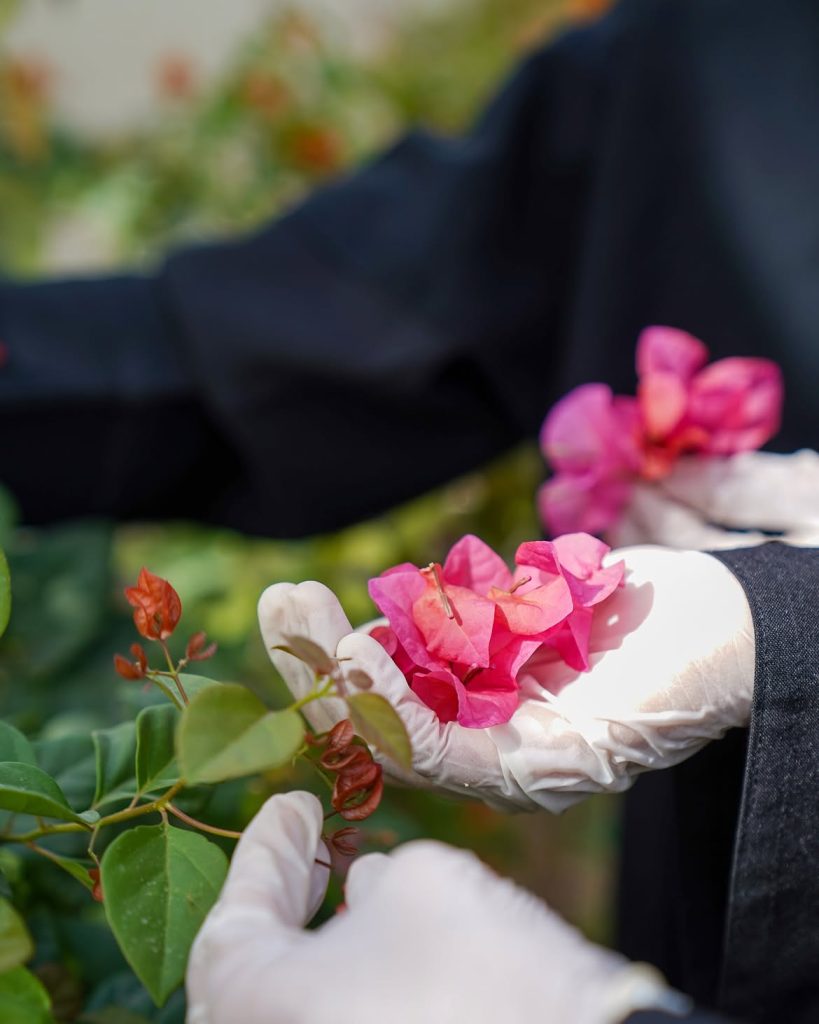
Research has also focused on replacing chemical fabric dyes with safer alternatives created from recycled food waste. The resulting colours offer a more environmentally conscious resource while creating healthier working conditions for the women artisans who use them.
“By continuously expanding this knowledge base, we aim to support the continuity of traditional crafts and strengthen their place within the evolving landscape of contemporary design and creative practice,” says Ghaya Bin Mesmer, Head of Research and Documentation at Irthi.
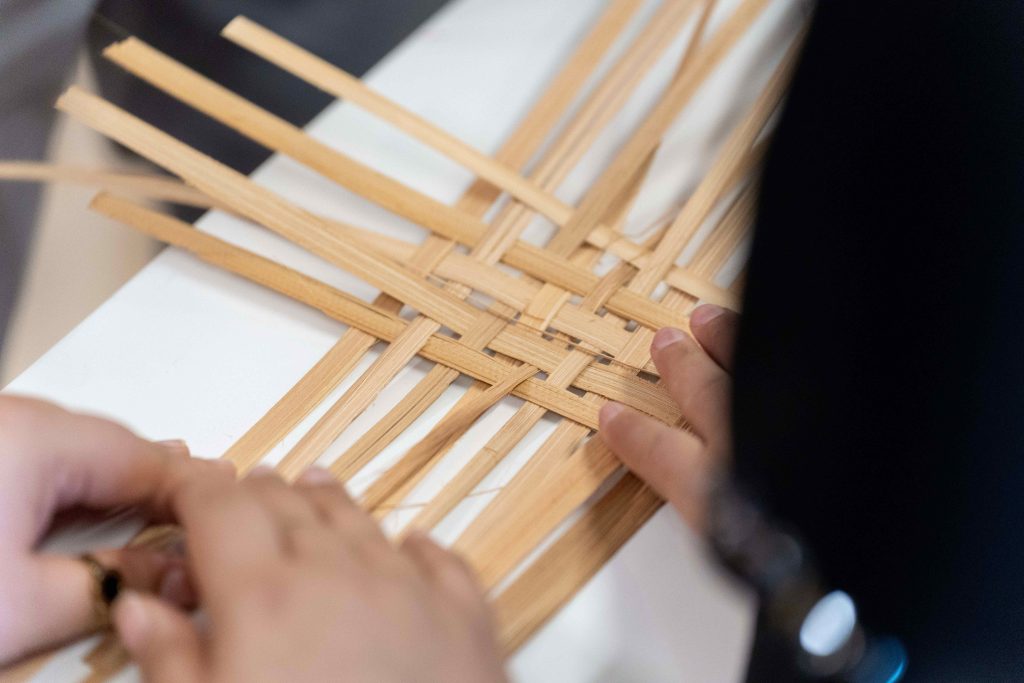
Technology is playing an equally important role. Detailed 3D scans capture weaving techniques step by step, creating a permanent digital resource for future craft learners. Illustrated guides, photographs and recorded insights from native artisans further preserve centuries of knowledge in an accessible format.
Irthi is also introducing its newly developed fibres, dyes and weaving techniques directly to artisans, supporting them as they explore more sustainable and contemporary methods. Natural dye recipes have been documented in a dedicated book, allowing this research to be shared and expanded.
“Our work goes beyond preserving traditional knowledge to developing a deeper understanding of the materials, techniques, and cultural contexts that shape these crafts.” AddsBin Mesmer. It includes exploring new ways to adapt and advance them through research, innovation, and collaboration with artisans, researchers, and designers.”
By bringing women artisans, researchers and designers into conversation, Irthi is demonstrating that preservation does not mean standing still. Emirati craft can remain faithful to its origins while continuing to evolve as a refined, relevant and internationally recognised expression of culture.