


ForTheLoveOfTravel – by Clementine Martini
Marseille. Massilia. Defiant, misunderstood, and loathed by some. Your past has earned you a reputation you never truly deserved—but those in the know have always known better.
Those who don’t listen to gossip. Those who look beyond appearances. Those who don’t rush to judge. Those who are comfortable in their own shoes and don’t blindly follow the latest trends. They know. They always have.
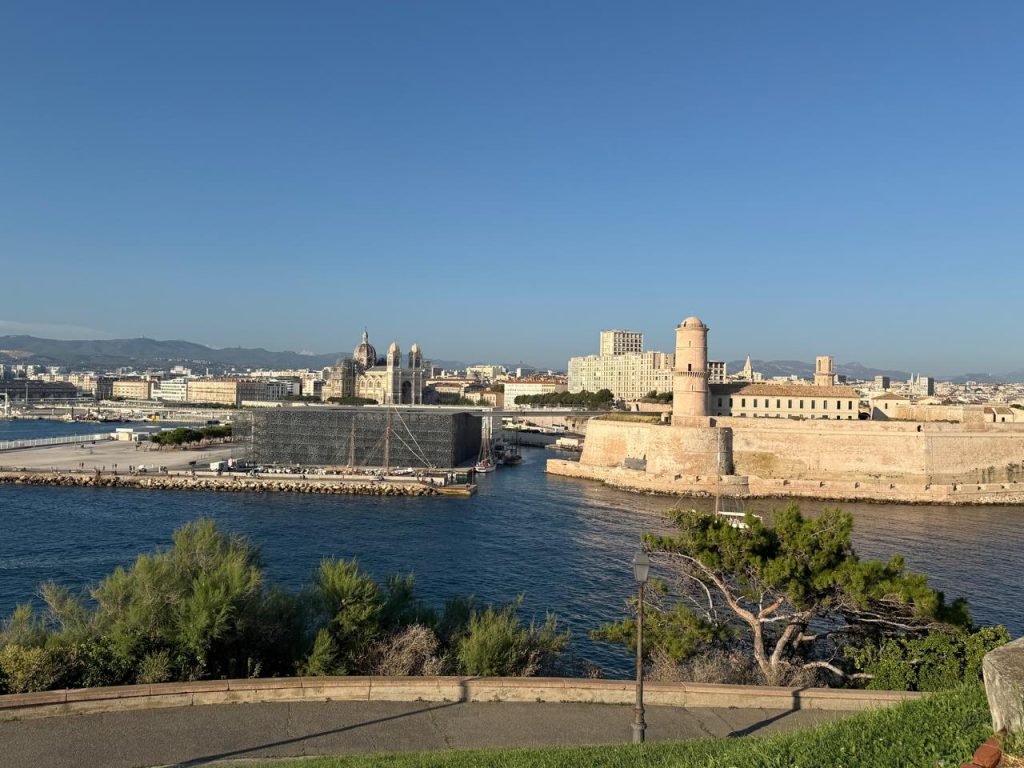
The beauty of Marseille remains a closely guarded secret, shared between Marseillais and those who have genuinely, irrevocably fallen in love with her. The New York Times once called you “France’s secret capital.” We knew that already.
True lovers of Marseille love her out of season.
In September, when the Rentrée arrives, the tourists have gone home and locals reclaim their city. It is Indian summer: the South is soft and golden, the days still warm, and we navigate the chaotic traffic of a city that is gloriously, unapologetically messy.
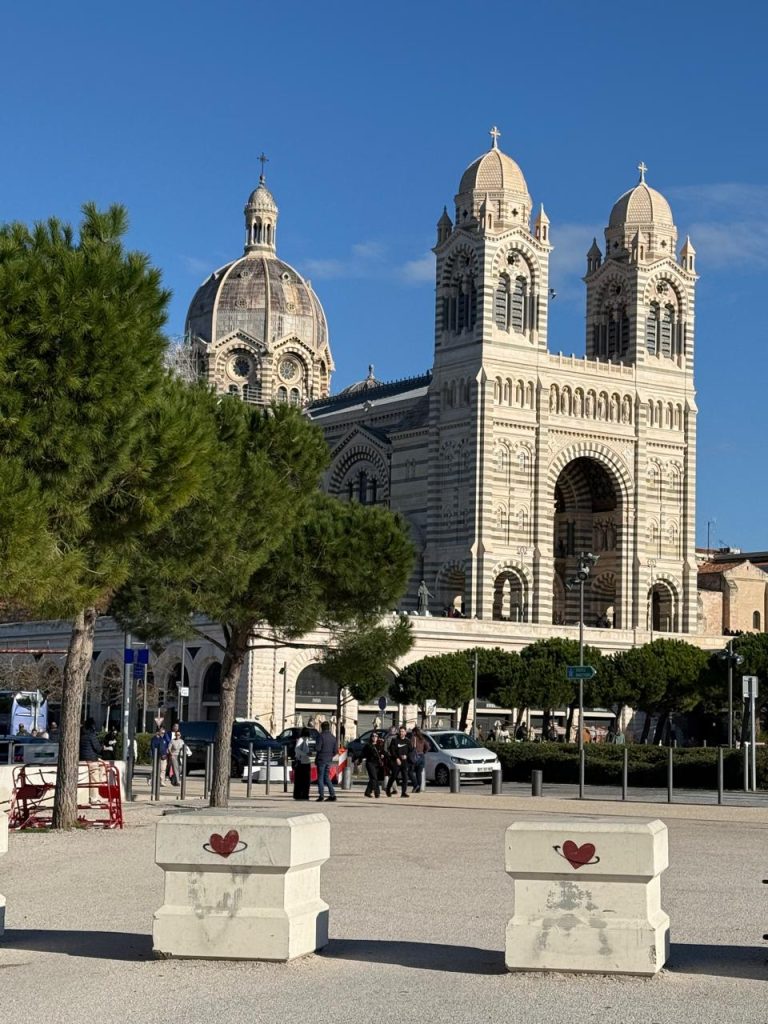
In October, for the last lingering rays of sunshine and a wander through Le Panier, Marseille’s oldest neighbourhood—and one I was forbidden from visiting throughout my childhood because it was considered far too dangerous. Times have changed. Today, you come here for pizza and supions (baby squid) at Chez Étienne, a local institution. Then walk towards the MUCEM to lose yourself in the history of Mediterranean civilisations and admire this architectural jewel, while sailboats glide back into the harbour with their sails still full of wind.
In November, when the cold, rain and the Mistral arrive—the wind that gives us headaches and mercilessly strips our hair of any hope of a decent hairstyle. We find comfort in oursinades, those glorious feasts of sea urchins, and slow-cooked Provençal daube: winter, the Marseille way.
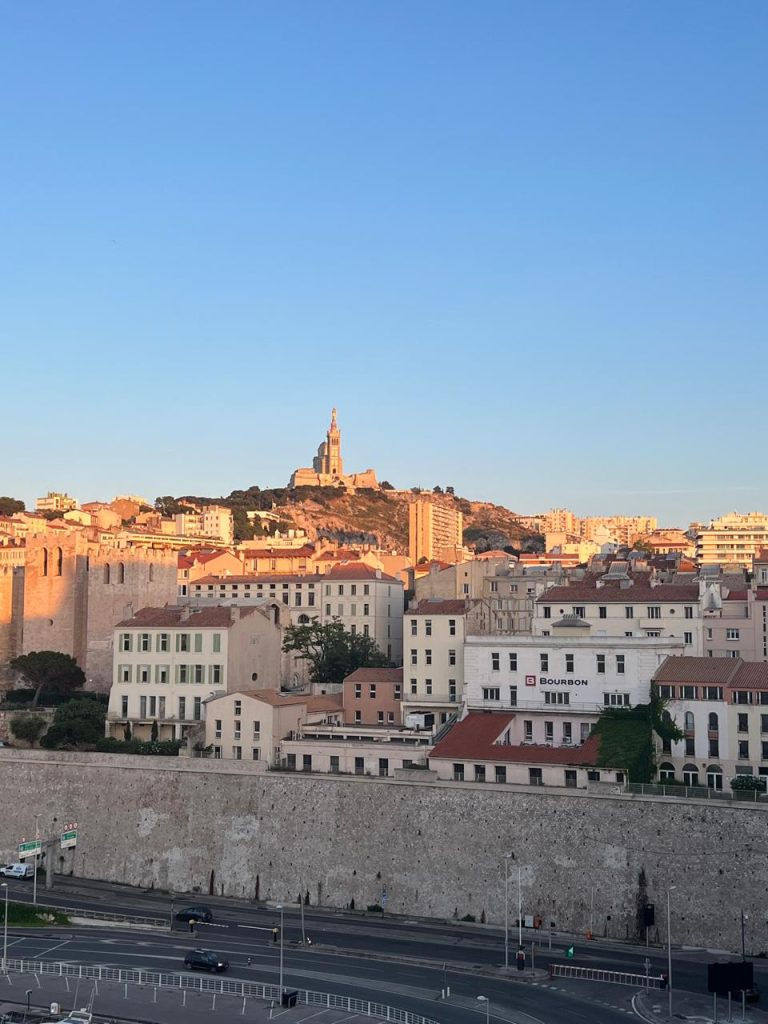
In December, for the Provençal santons at the Christmas markets along La Canebière; for Provençal dates that have absolutely nothing to envy their Emirati cousins; and for the fireworks exploding above the Vieux-Port, watched over, as always, by our beloved Bonne Mère—Notre-Dame de la Garde.
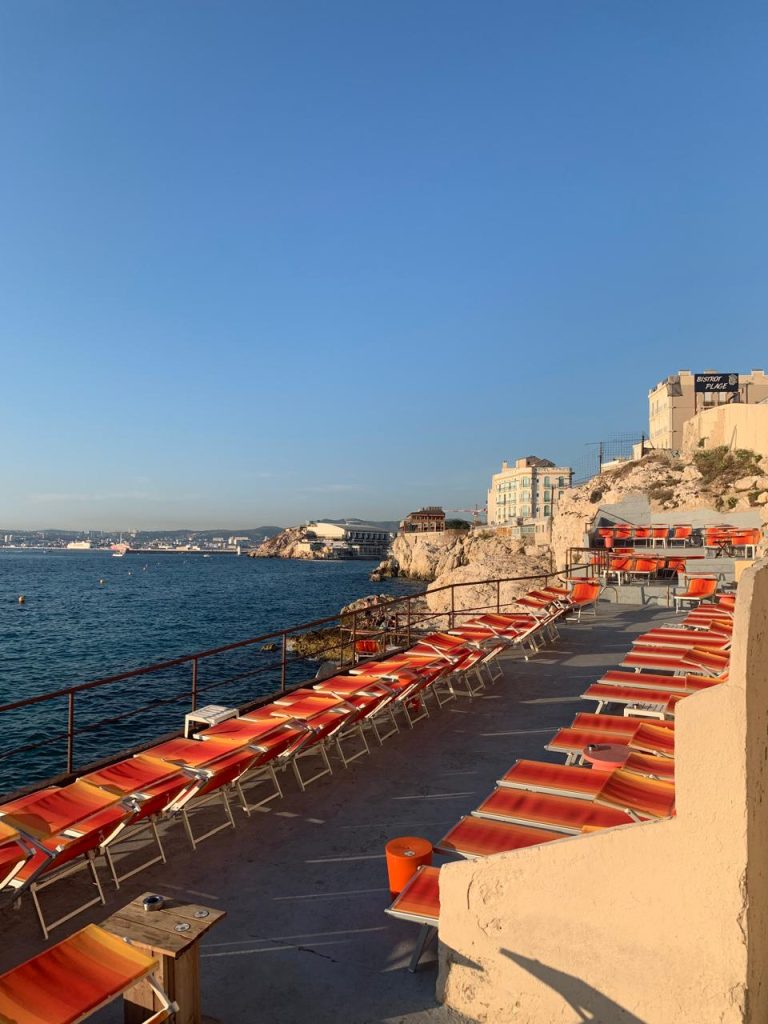
In January, when we need a dose of vitamin D after the festivities, we run along the Corniche Kennedy to the rhythm of the Mediterranean waves. The perfect finish line is L’Estaque, where panisses and chichi frégis await—delicious doughnut-like treats made with chickpea flour and orange blossom water. And then, on the way home, the mind wanders, filled with that unmistakable southern light; with the extraordinary contrast between rugged hills and the endless blue of the sea, so beautifully captured by Paul Cézanne and Georges Braque, L’Estaque’s most famous painters.
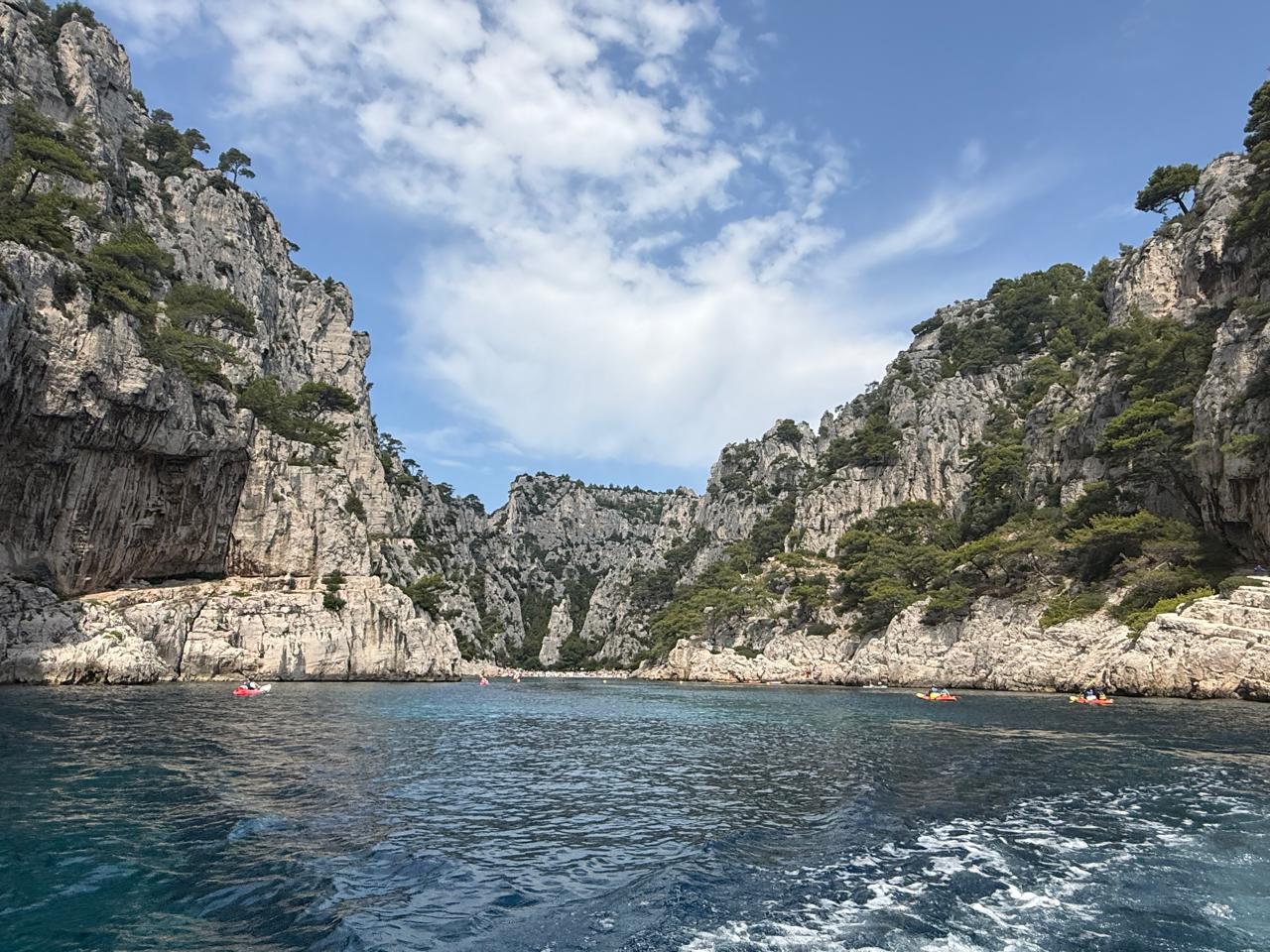
In spring, we walk through the magnificent Calanques National Park before ending the day with an apéro at the Vieux-Port and a proper bouillabaisse. Those in the know will tell you there are only two places to eat one: at my parents’ house, or at Chez Peron.
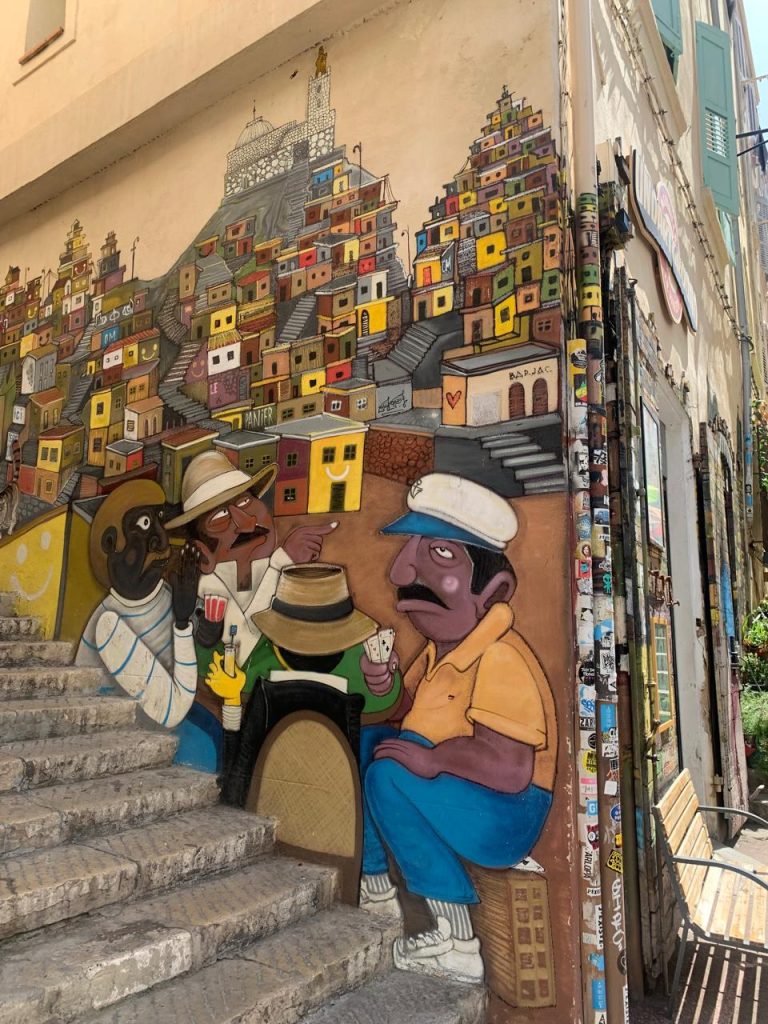
In Marseille, time slows down. We talk to strangers on the street. We chat with the shopkeepers. We play cards. Rosé flows as freely as tap water. We play pétanque with friends & family, somewhere between the obligatory afternoon nap and l’apéro.
Once the object of Parisian envy, Marseille has now, much to our despair, become something of Paris’s newest arrondissement. The Marseillais is secretly flattered by this newfound success—though they will never admit it—but deep down, we’re not entirely sure what to make of all these estrangers, as we call outsiders back home.
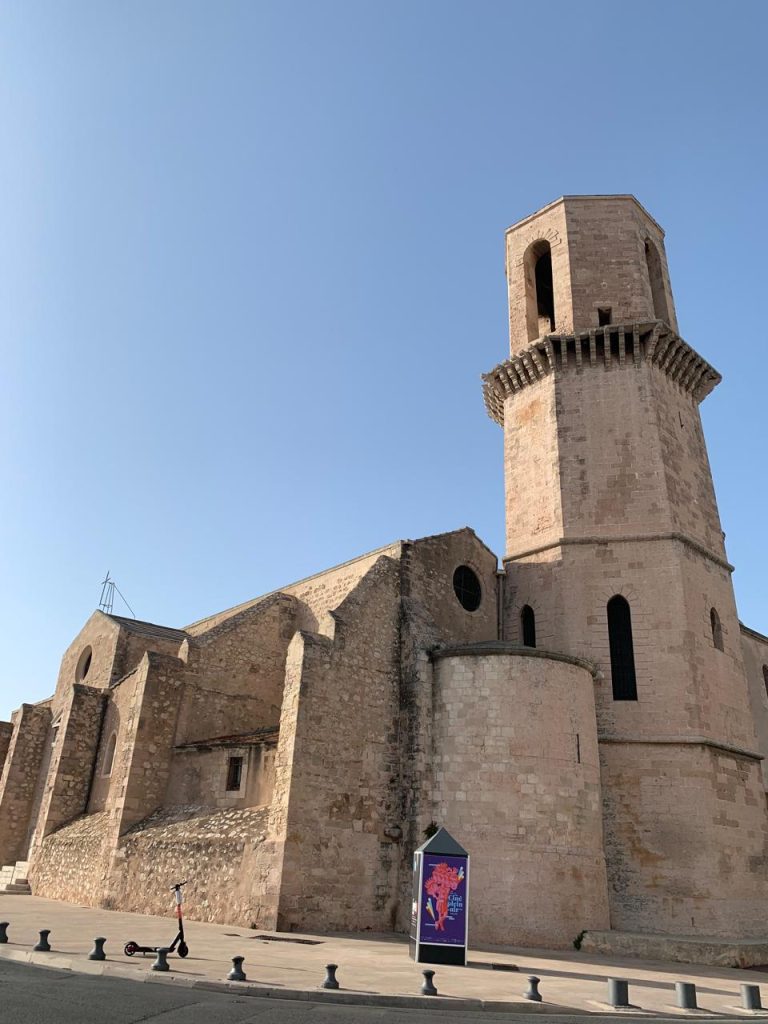
You are often compared to Naples or Beirut, and rightly so. You share the same scorching sun, the same working trade harbour, the same crossroads of cultures from every corner of the world. The fierce pride of being Neapolitan, Beiruti, Marseillais. Family laundry drying above narrow streets. The irresistible smell of street food filling the air. A street life that is loud, sometimes a little dirty, occasionally disorganised—often disorganised.
And that is precisely where the charm lies.
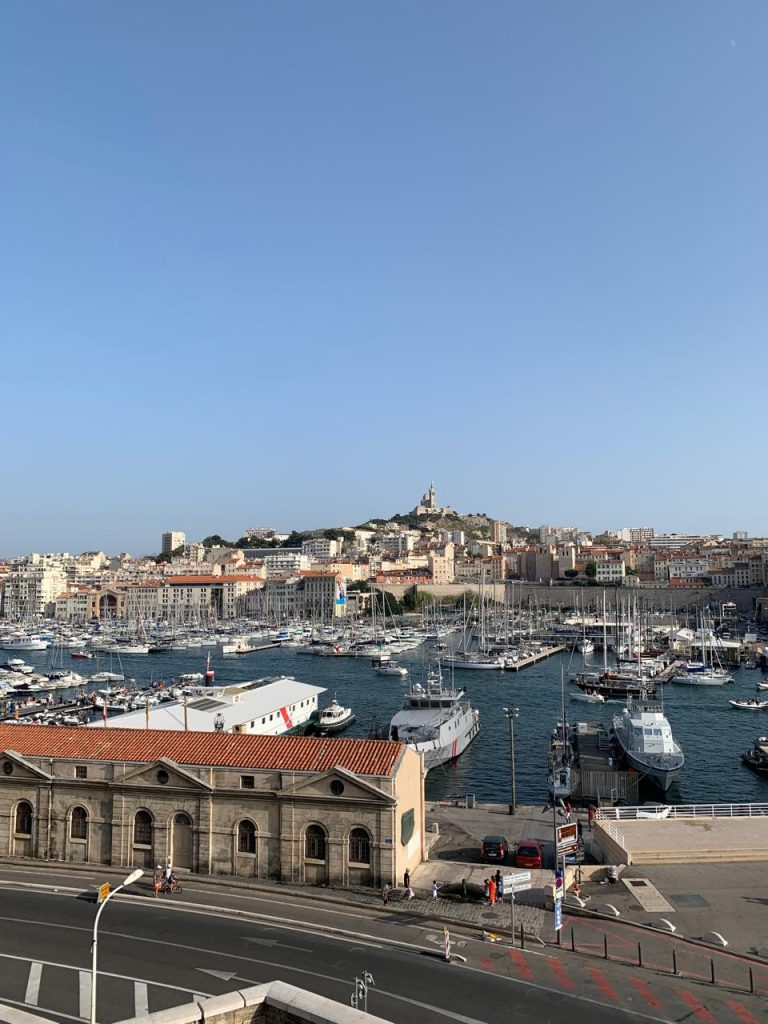
These are cities that have remained fiercely loyal to themselves: to their identities, their people and centuries-old cultures. Their imperfections are part of their beauty. Their rough edges are their soul.
Our singing accent, once mocked by the rest of France, has slowly seduced the world— and, eventually, the rest of the French too.
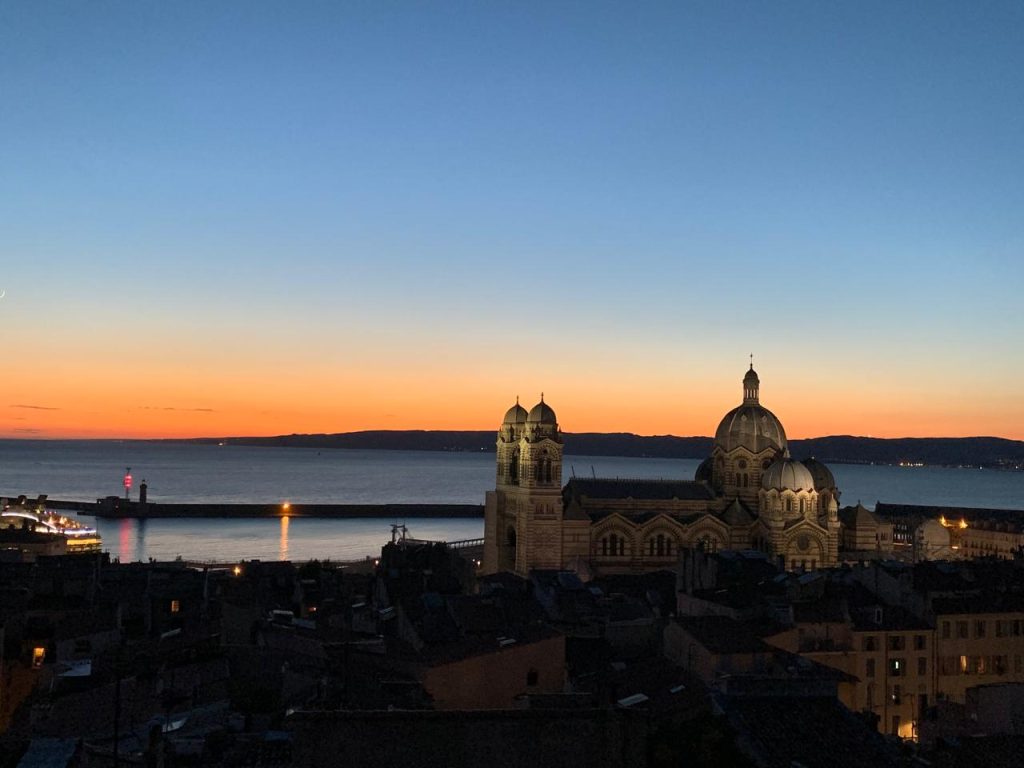
For 2,600 years, perched at the crossroads of the Mediterranean, you have been the child of exile and migration: Greek, Armenian, Italian, Spanish, Portuguese, North African, Lebanese. This cultural mosaic is your strength. Your graffiti is the scar tissue of a rebellious city with a fiercely independent identity.
A city that refuses to be anything but itself. A city that feels eternal.
And yes.
This is Marseille, bébé.