


The luxury heritage brands that have lasted over a century.
In a world that’s constantly changing, when it comes to fashion brands, longevity is perhaps the greatest luxury of all. While trends come and go, a select group of luxury houses have remained at the forefront of style for more than a century, continually reinventing themselves while staying true to the craftsmanship and heritage that first defined them.
From saddlery workshops and luggage makers to couture ateliers, these iconic Maisons have not only survived changing tastes but have helped shape fashion history. These are the brands that have earned their place among fashion’s most iconic names.
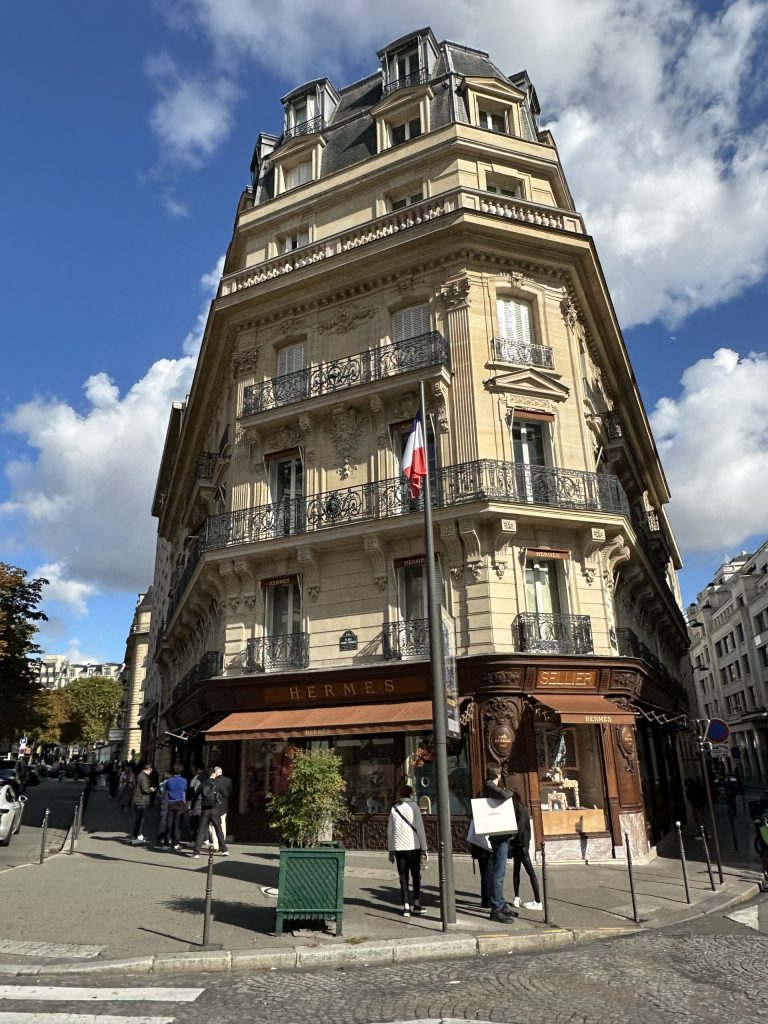
Hermès (Founded 1837)
Founded in Paris by Thierry Hermès in 1837, Hermès is the oldest luxury fashion house still operating today. Originally producing finely crafted harnesses and saddles for Europe’s aristocracy, the Maison established its reputation through exceptional craftsmanship long before entering the world of fashion. That commitment to quality continues to define Hermès nearly two centuries later. The introduction of leather goods, including the Kelly and Birkin bags, transformed the house into one of the world’s most coveted luxury brands, yet each piece is still meticulously handcrafted using techniques passed down through generations. Hermès has built its legacy on patience, rarity, and timeless design, proving that true luxury never dates.
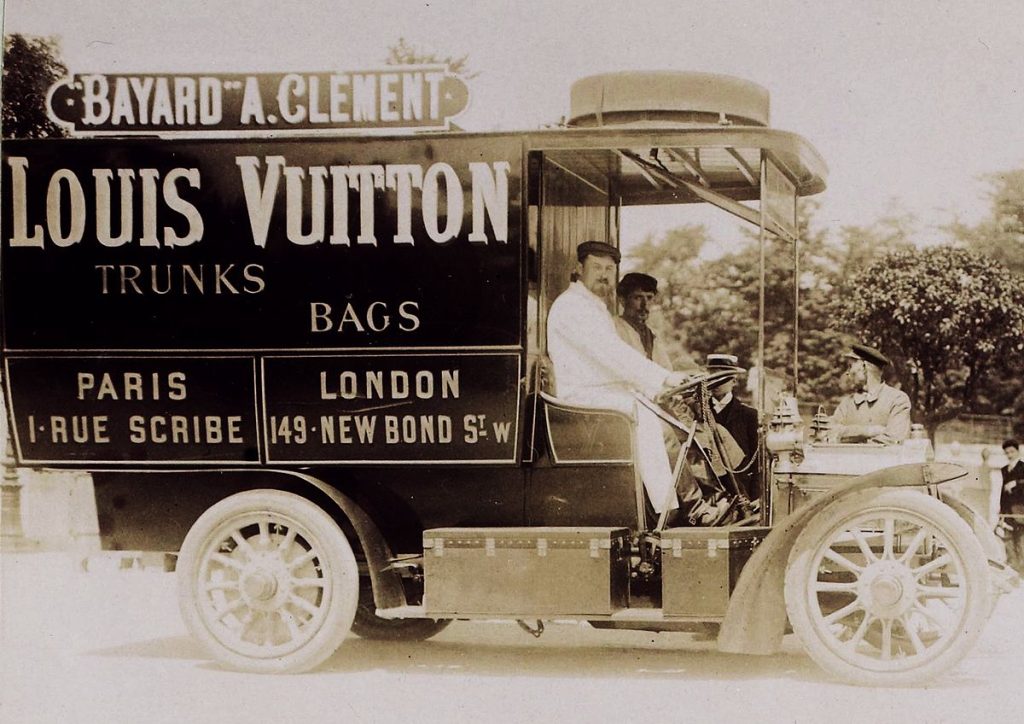
Louis Vuitton (Founded 1854)
Louis Vuitton began life as a trunk maker to France’s elite, revolutionising travel with lightweight, flat-topped trunks that were practical and elegant. Founded in Paris in 1854, the house quickly became synonymous with sophisticated travel, later introducing its instantly recognisable Monogram Canvas and Damier patterns. The evolution from luggage maker to global fashion powerhouse has been driven by innovation rather than reinvention. Iconic creations such as the Keepall, Speedy, Alma, and Neverfull remain staples of the maison, while collaborations with contemporary artists and designers have kept Louis Vuitton firmly at the centre of modern culture.
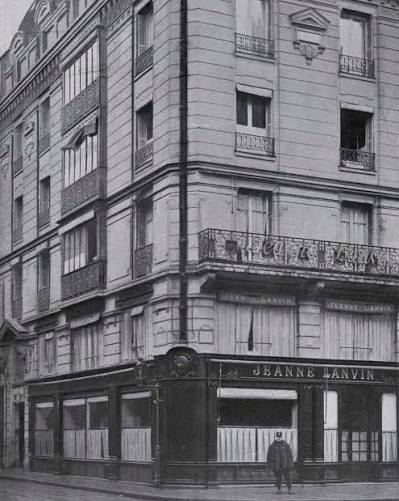
Lanvin (Founded 1889)
Jeanne Lanvin established her eponymous house in Paris in 1889, initially creating beautifully crafted hats before turning her attention to children’s clothing inspired by her daughter, Marie-Blanche. Demand soon grew among fashionable mothers, leading Lanvin to expand into womenswear, menswear, lingerie, and accessories, becoming one of the first luxury houses to dress the entire family. Renowned for exquisite embroidery, intricate beadwork, and impeccable craftsmanship, Lanvin developed a distinctive elegance that continues to define the brand today. More than 135 years later, the maison remains admired for balancing artistic expression with refined Parisian sophistication.
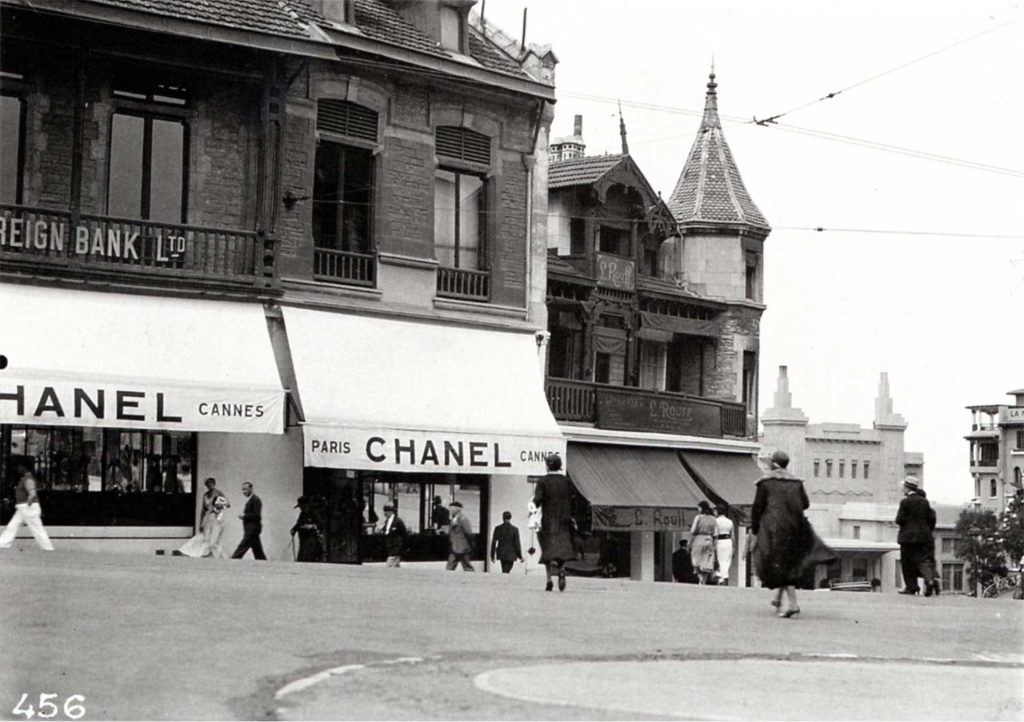
Chanel (Founded 1910)
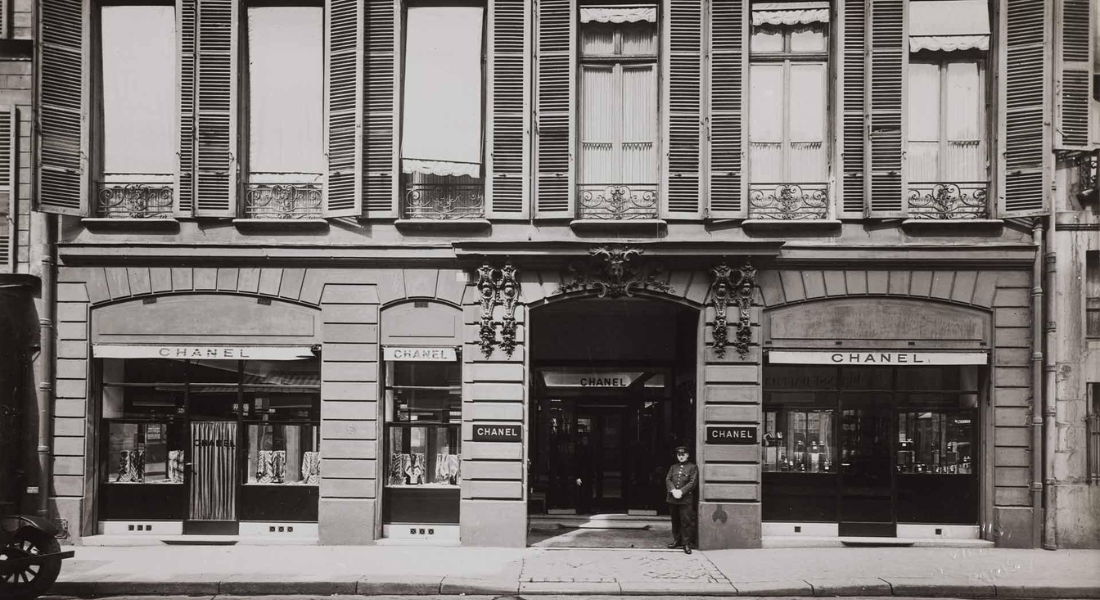
After opening her first boutique in Paris in 1910, Gabrielle “Coco” Chanel challenged the era’s restrictive fashion guidelines, introducing clothing that prioritised comfort, freedom, and understated elegance. Her designs, from the tweed jacket and little black dress to the quilted 2.55 handbag, have become some of the most recognisable pieces in fashion history. More than a century later, Chanel continues to build upon Coco’s original philosophy of timeless simplicity while evolving through contemporary ready-to-wear, haute couture, fine jewellery, and beauty. Its appeal lies in creating classics that remain as relevant today as when they first appeared.
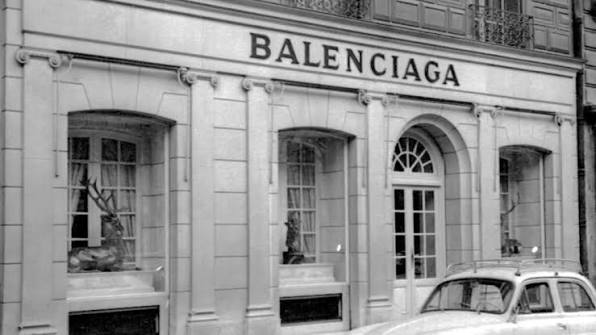
Balenciaga (Founded 1919)
Founded by Spanish couturier Cristóbal Balenciaga in 1919, the house earned legendary status for its architectural silhouettes and technical mastery. Revered by fellow designers, including Christian Dior, who famously described Balenciaga as “the master of us all”, the couturier revolutionised fashion with creations such as the balloon dress, cocoon coat, and sack silhouette. Throughout its history, the maison has repeatedly reinvented itself under successive creative directors while maintaining its reputation for pushing the boundaries of design. Whether through couture innovation, iconic accessories like the Motorcycle Bag, or contemporary collaborations that have introduced the house to younger audiences, Balenciaga continues to influence the direction of modern fashion.
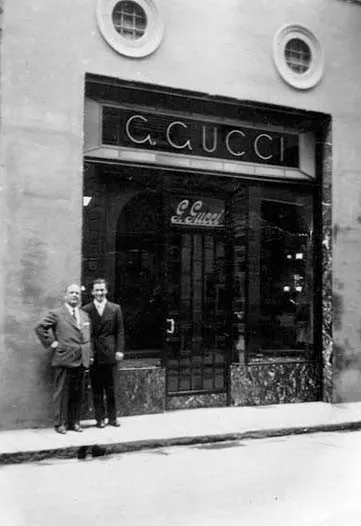
Gucci (Founded 1921)
Established in Florence by Guccio Gucci in 1921, Gucci began as a luxury luggage and leather goods company inspired by the refined lifestyles of Europe’s travelling elite. Over the decades, the house introduced enduring icons including the Horsebit loafer, Bamboo bag, Jackie bag, and silk scarves, each reflecting the craftsmanship that remains central to the brand’s identity. More recently, Gucci has demonstrated an ability to embrace contemporary culture through collaborations, digital innovation, and creative experimentation while never losing sight of its Florentine roots. More than a century after its founding, Gucci continues to evolve, proving that heritage and modernity can coexist.