


In Oman, frankincense has always been more than fragrance — it is how a culture says welcome. Khalid Al Amri is the man tasked with telling that story to the world.
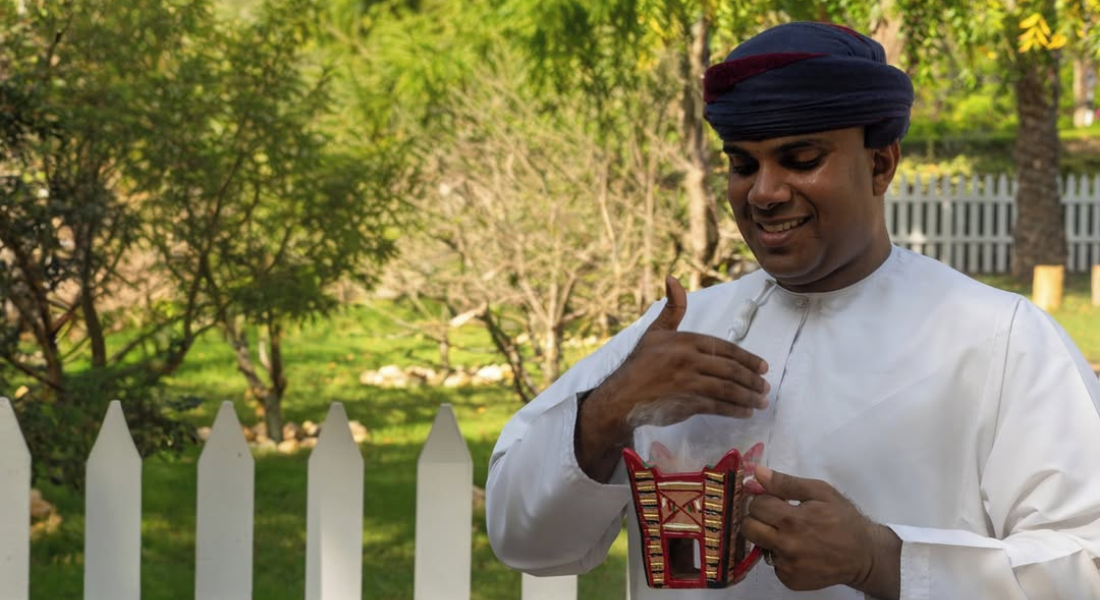
Growing up in Seeb, frankincense was simply part of the rhythm of the day. It rose at sunrise and again in the evenings, particularly when guests were expected. Khalid Al Amri, now Culture and Heritage Ambassador at Hilton Muscat Barr Al Jissah Resorts, didn’t question it then. He didn’t need to. “It was the scent of home,” he says. The realisation that what felt ordinary to him felt extraordinary to others came later, through encounters with people who had never encountered it before. “What felt normal to me felt new and even emotional to them.” That moment of seeing his own culture through someone else’s eyes became the beginning of a vocation.
You’re Oman’s first accredited Frankincense Sommelier — a title that holds both the ancient and the contemporary in one breath. What did that path of accreditation actually look like?
It is about bridging two worlds: ancient knowledge and modern structure. Frankincense has always been passed down through generations, through practice and memory. Accreditation brings a layer of formal study to that — training with institutions like the National Museum of Oman and Bait Al Zubair, learning history, technique and storytelling in a structured way. But even with that structure, the essence remains experiential. You cannot truly learn frankincense from books alone. You have to smell it, handle it, live with it.
Take us through the journey from the Boswellia tree to the mabkhara in an Omani home.
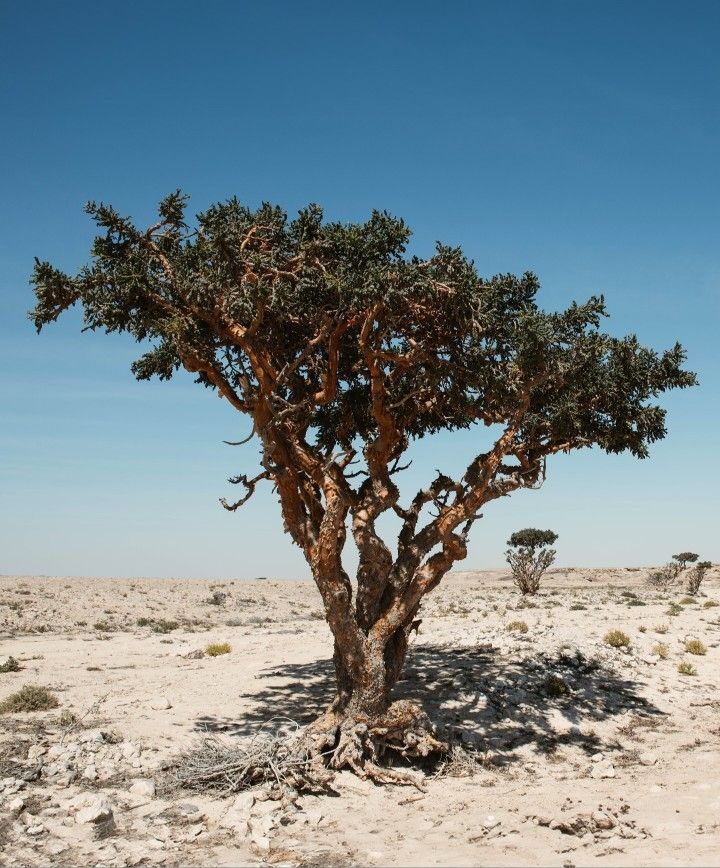
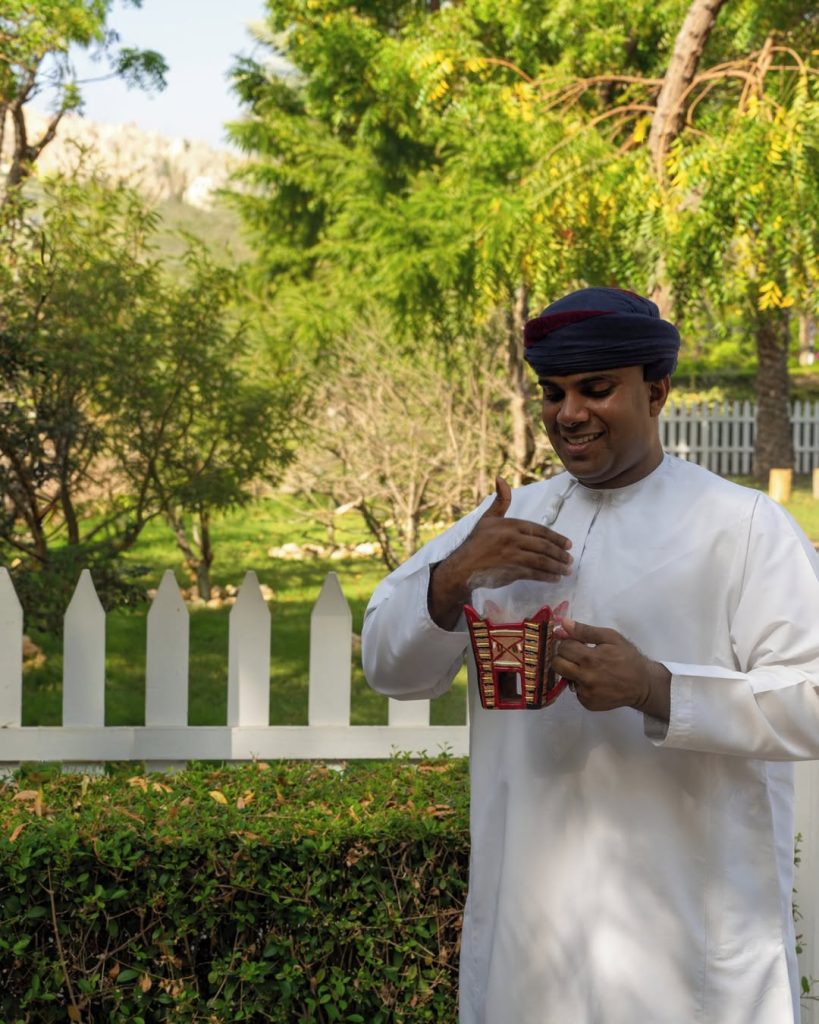
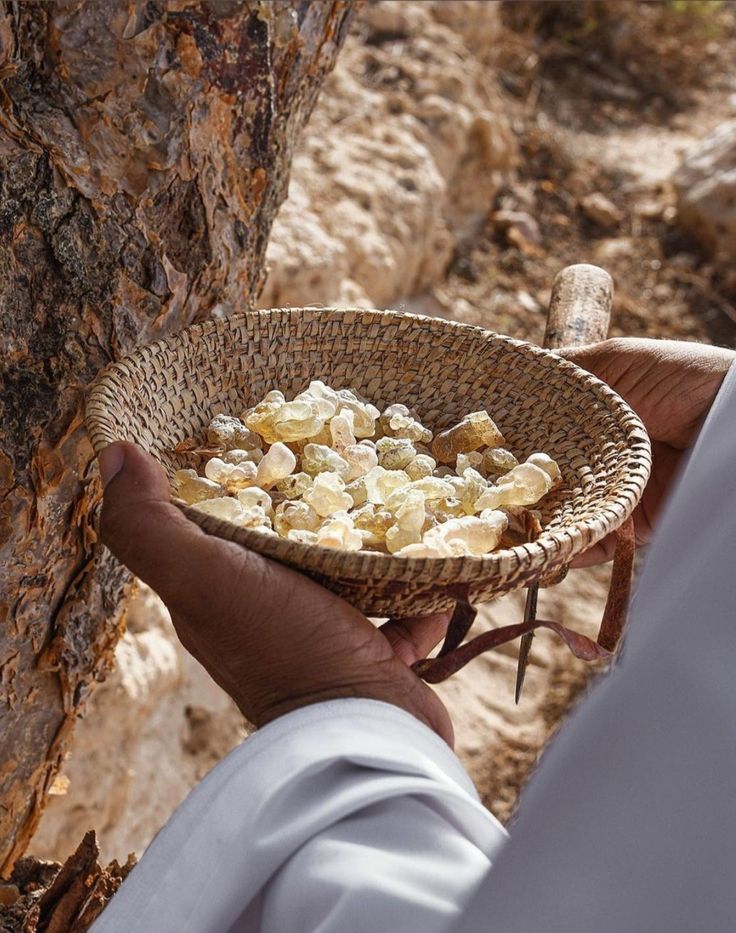
You cannot fully understand frankincense without going to Salalah. The Boswellia trees grow in very specific conditions in Dhofar, and that environment shapes the quality of the resin. The process begins with a careful cut in the tree using a manqaf. The sap slowly forms into tear-shaped drops, which harden into resin and are then collected by hand. From there, it reaches homes, where it is placed on charcoal in a mabkhara. As it heats, it releases its scent into the space. It is a simple act in the home, but behind it is a full journey — from landscape to daily life.
Your training included work with Dr. Patricia Groves, a heritage researcher whose knowledge of Oman spans decades. What did she show you about your own culture?
She helped me understand the meaning behind things I had always experienced without questioning. What surprised me most was how much depth exists in the details — whether it is architecture, rituals or everyday habits, everything is connected and intentional. She also taught me how to communicate that clearly. Not to overcomplicate it, but to explain it in a way that keeps it real and authentic.
Frankincense carries layers of history, trade, spirituality and identity. When you’re guiding an experience, which thread do people connect with most unexpectedly?
People often expect to connect with the scent first. But what surprises them is the emotional and cultural layer behind it — learning that frankincense is part of welcoming a guest, of healing, of prayer, of daily life. It shifts their understanding. Many don’t expect something so sensory to carry so much meaning. It becomes less about fragrance and more about connection: between people, places and moments.
And the future? Is there a version of frankincense culture that adapts to how people live and travel now without losing what makes it worth preserving?
The future is about adapting how we share it, without changing what it represents. Today, guests want experiences that feel clear and engaging — which is why we have introduced guided tours, the frankincense garden, and ways to integrate it into spa and dining experiences. But the meaning should stay the same. Frankincense should always represent identity, tradition and the way we receive people. As long as that remains, it can continue to evolve naturally.