


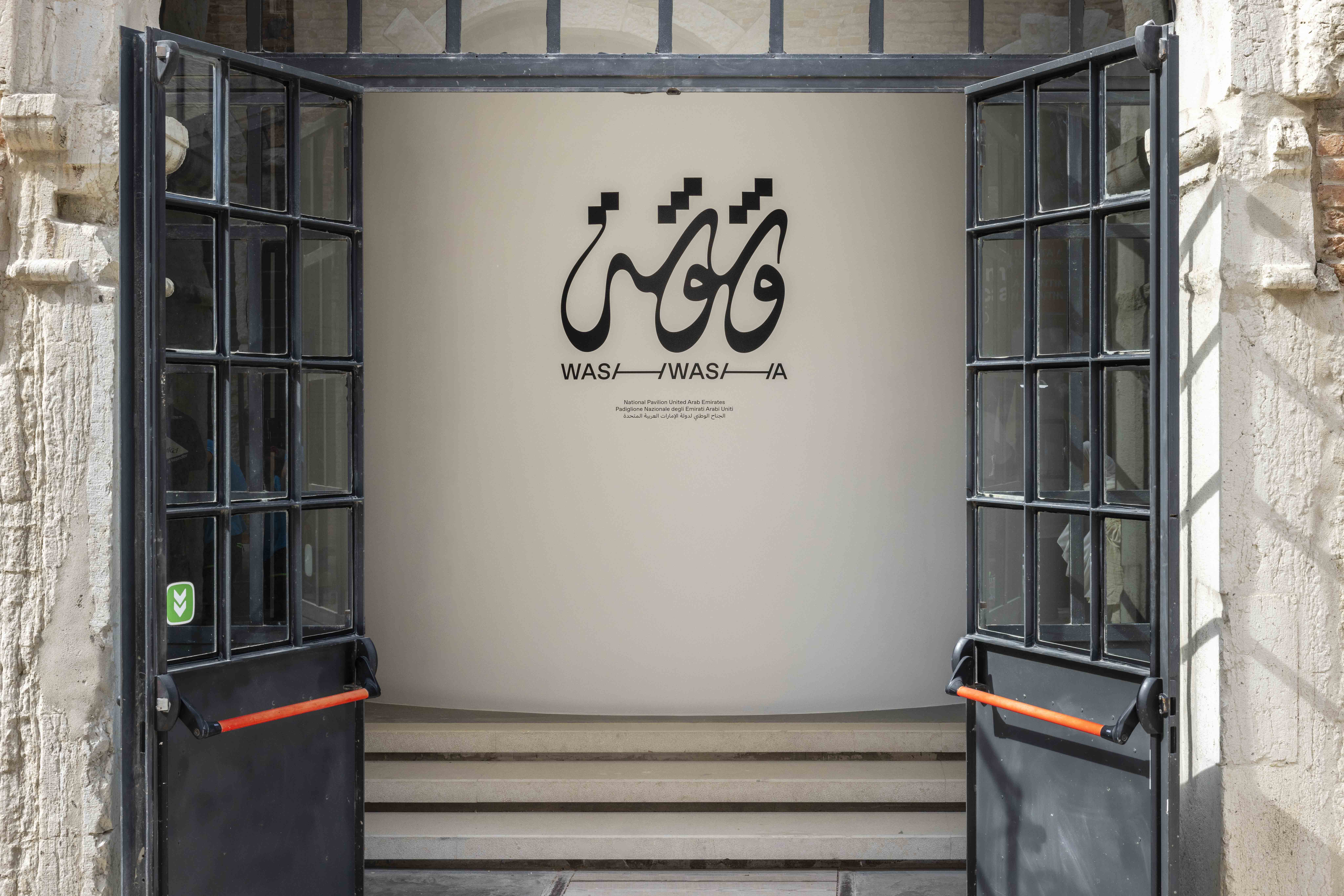
The exhibition explores sound, memory, and communication through the eyes of UAE-based artists
The UAE’s national presentation at the 61st Venice Biennale 2026 transforms sound into a medium to explore identity, memory, and contemporary life. Titled Washwasha, the exhibition takes its name from the Arabic word for “whispering,” an onomatopoeic expression that captures something quiet, suggestive and open-ended.
Curated by Bana Kattan with assistant curator Tala Nassar, the exhibition brings together newly commissioned and existing works by Mays Albaik, Jawad Al Malhi, Farah Al Qasimi, Alaa Edris, Lamya Gargash and Taus Makhacheva. Together, the artists explore how sound shapes experience, moving between oral storytelling, language, migration, technology and the emotional weight carried within everyday communication.
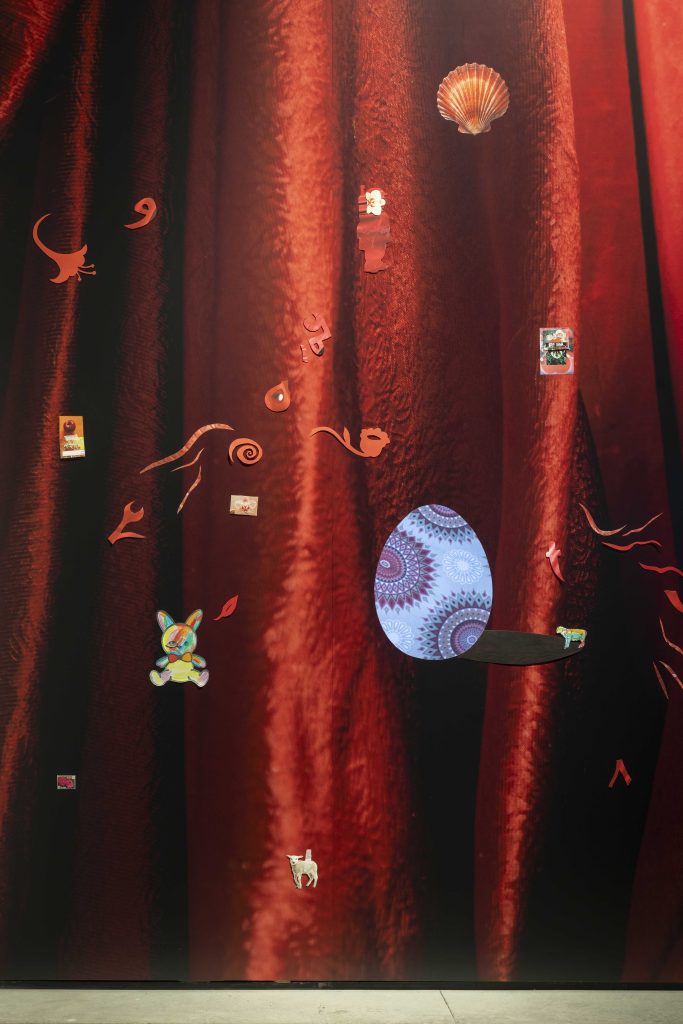
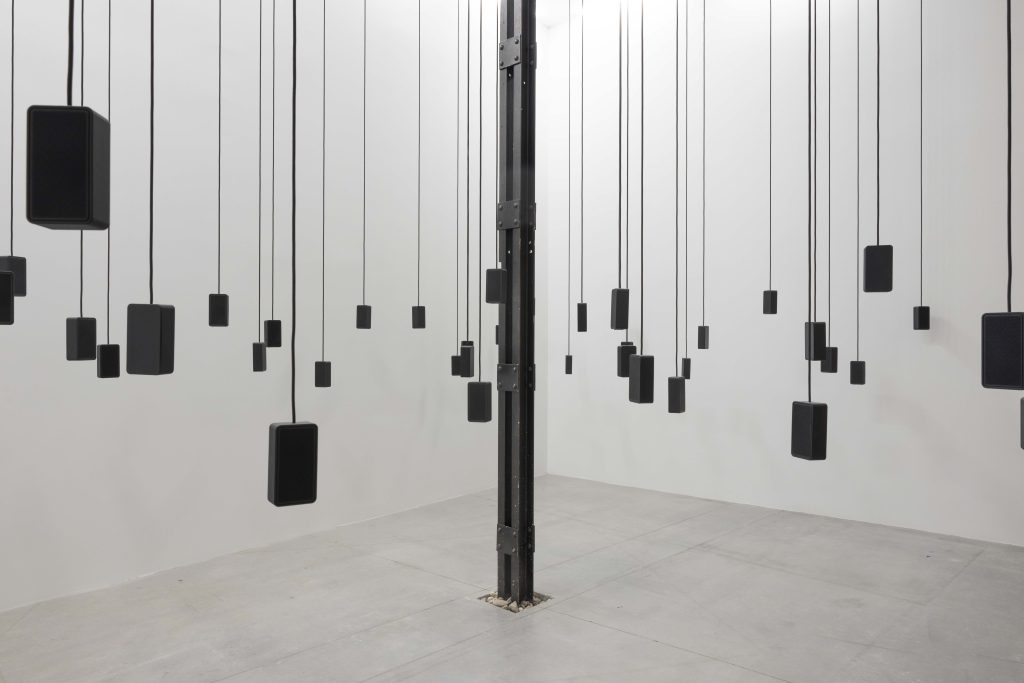
Designed by Büro Koray Duman Architects, the space itself follows a sonic journey. Visitors move from quiet zones centred around close listening into increasingly layered environments shaped by overlap, interruption and noise, reflecting the progression from intimate conversation to hyperconnected modern life.
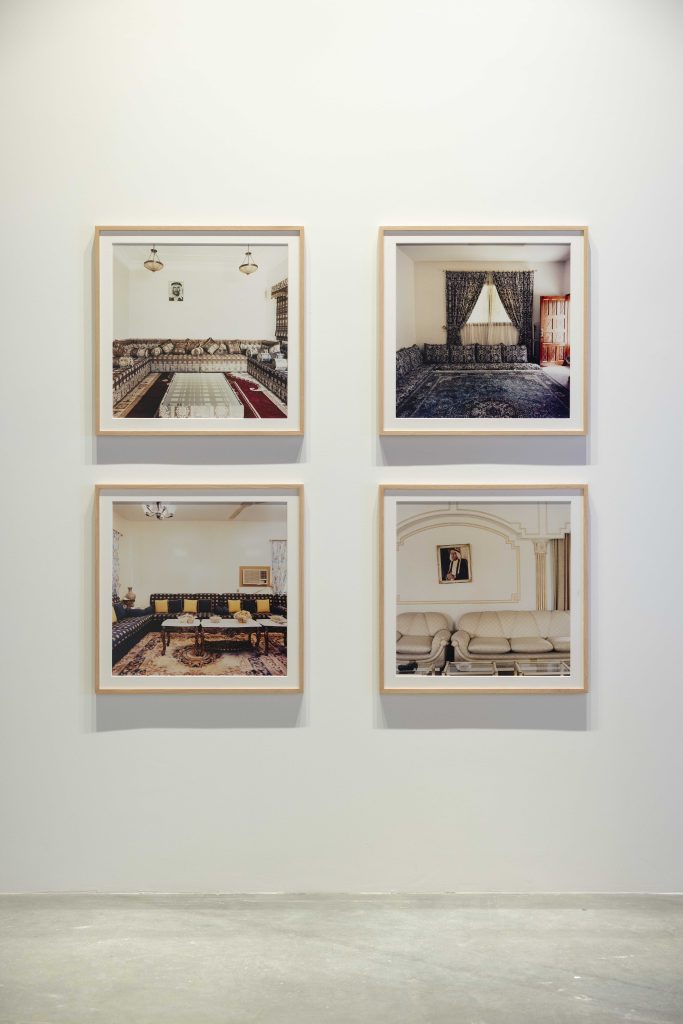
Several works revisit cultural memory through sound. In Naiman, Jawad Al Malhi presents recordings of men recalling wedding rituals and celebratory traditions, while Lamya Gargash’s photographic series Majlis examines gathering spaces as environments for listening, grieving and collective exchange. Mays Albaik’s sculptural installation casts the inside of her mouth mid-speech, questioning what is lost when oral histories are preserved or translated into physical form.
Elsewhere, Farah Al Qasimi’s installation The Curse explores childhood understandings of guilt and communication barriers, while Alaa Edris reflects on mechanisation and confusion within contemporary life through her work Wiswās. Taus Makhacheva’s installations approach gossip, exhaustion and the pressures of constant communication with both humour and critique.
The exhibition also incorporates a live programme inspired by Emirati broadcaster Salem Obaid Alaleeli, cofounder of Ajman’s first radio station in 1961. Contemporary recordings by Moza Almatrooshi, Roudhah AlMazrouei and Spencer Shea continue this legacy, capturing fragments of everyday life across the UAE.
Washwasha is on view until November 22.