


Indian jewelry house, Tribe Amrapali’s presentation at Bait Elowal in Sharjah brought together two institutions deeply invested in preserving and reinterpreting craft.
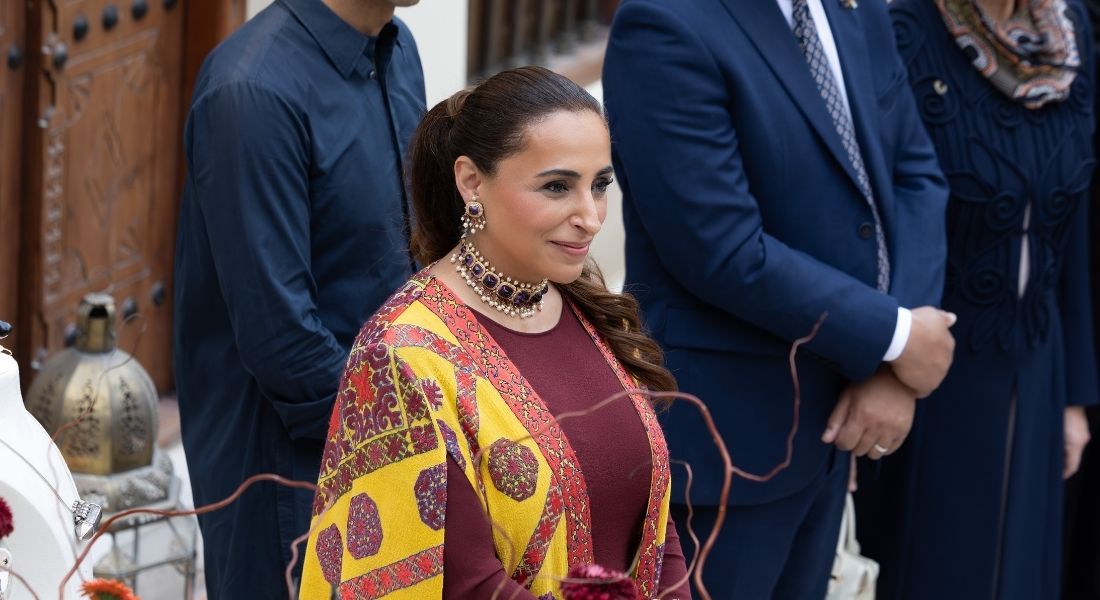
Under the leadership of Her Highness Sheikha Bodour Al Qasimi, the collaboration reflects the evolving role of Soghat Elowal, the retail arm of Bait Elowal, as a platform for meaningful cultural exchange.
Born in Jaipur, the House of Amrapali has long been a representation of India’s jewellerytraditions. In 2013, Tribe Amrapali was introduced as its more contemporary expression by celebrating silver, tribal forms, and ancestral techniques through a modern lens. Each piece reimagines history without diluting it, honouring raw craftsmanship while speaking to present-day aesthetics.
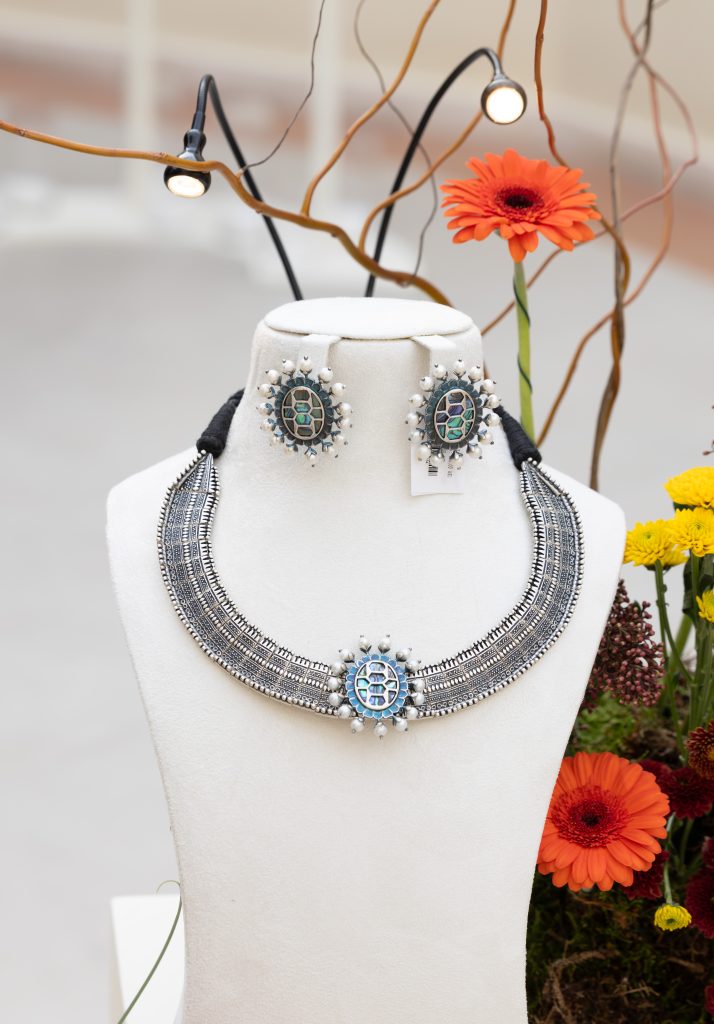
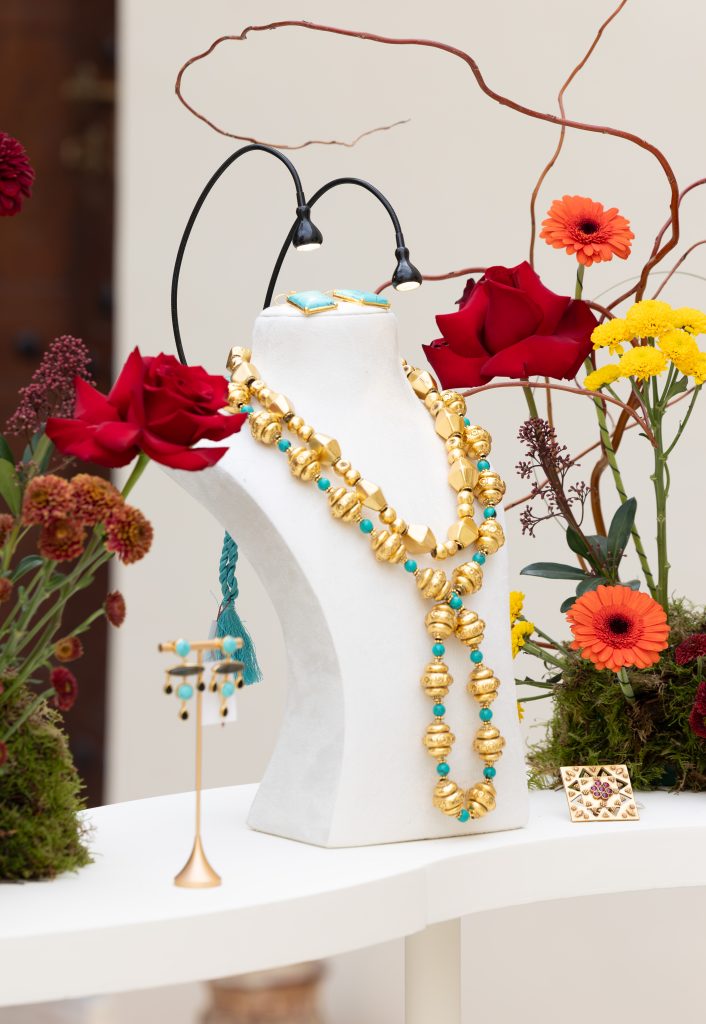
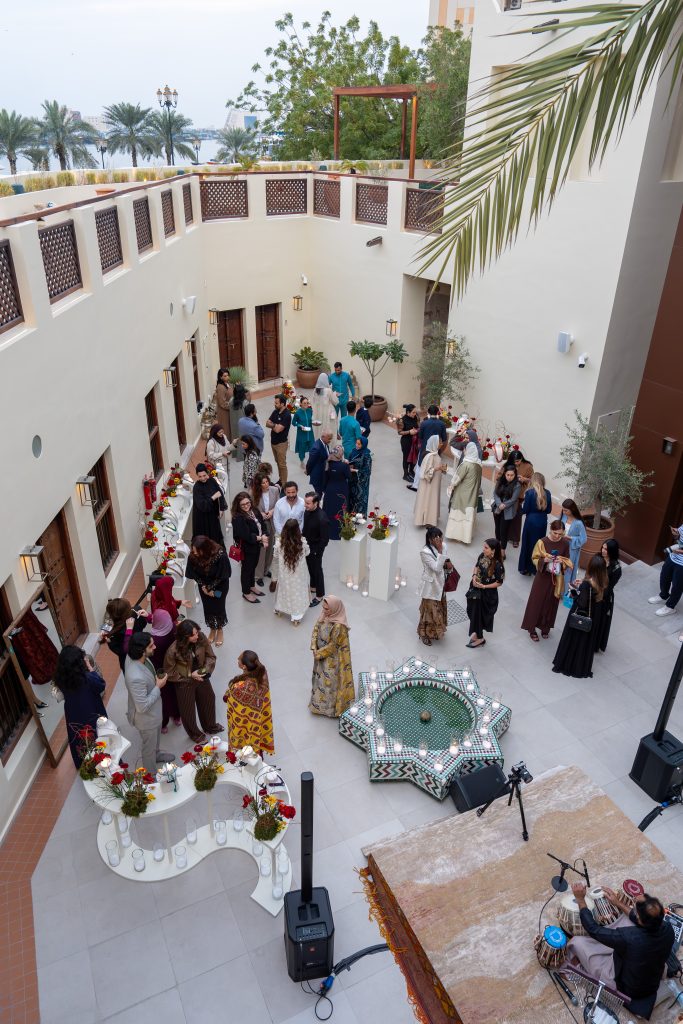
At Bait Elowal, this ethos finds a natural home. Set within the property’s open-air courtyard by the creek, framed by a restored historic house and shaded by palms, the evening unfolded as a multisensory experience. Jewellery was presented not as static luxury, but as a living culture that’s worn, felt, and seen in context.
A specially curated canapé menu by Michelin-starred chef Vineet Bhatia drew on Indian regional flavours, while tabla musician Sandu added rhythmic depth to the setting. Together, sound, taste, and setting mirrored Tribe Amrapali’s philosophy: craftsmanship understood through all the senses.
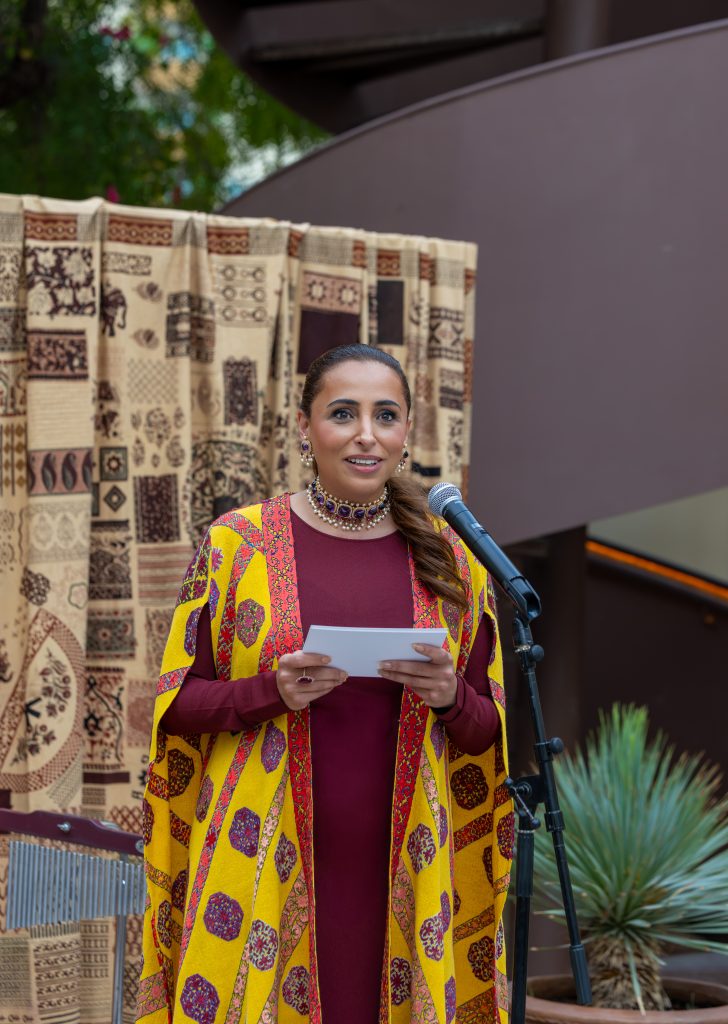
HH Bodour Al Qasimi said: “Bait Elowal was conceived as a modern majlis, a space where heritage is not sealed off behind glass, but lived, shared and renewed. We welcome Amrapali to Sharjah in the belief that true craftsmanship carries memory and meaning, and that cultural exchange is richest when it is grounded in respect, storytelling, and human connection.”
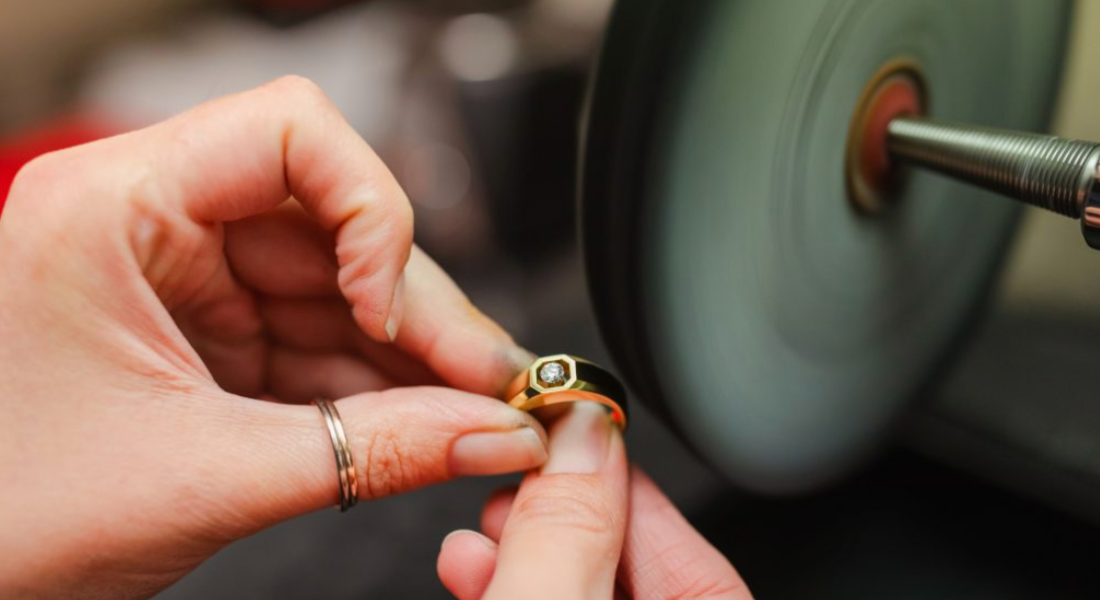
Under the leadership of Tarang Arora, Tribe Amrapali has championed artisan empowerment, fair-wage practices, and the preservation of skills, collaborating with museums and global fashion houses while safeguarding traditional knowledge.
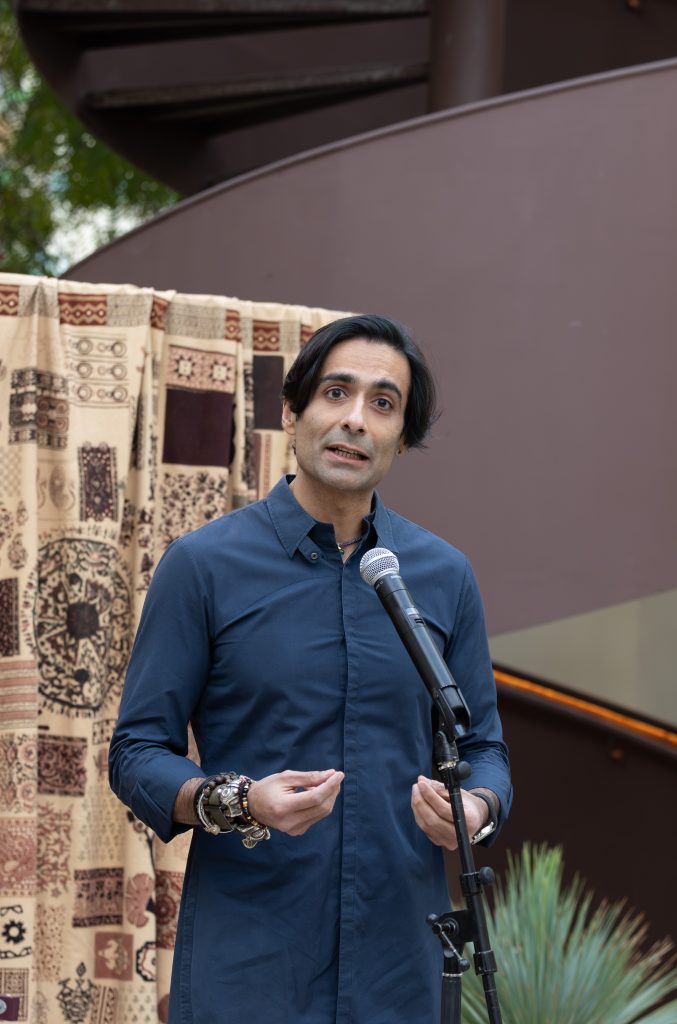
“Sharjah is a cultural homecoming for us. In the Middle East, there is a profound, visceral understanding of silver, not just as ornament, but as heritage. Our expansion here is a deliberate alignment with a community that instinctively values the soul of the artisan’s hand over the sterile precision of a machine. For Tribe Amrapali, this isn’t just an expansion; it is a conversation between two cultures that have always spoken the same language of craft,” said Tarang Arora, CEO and Creative Director of Amrapali Jewels.
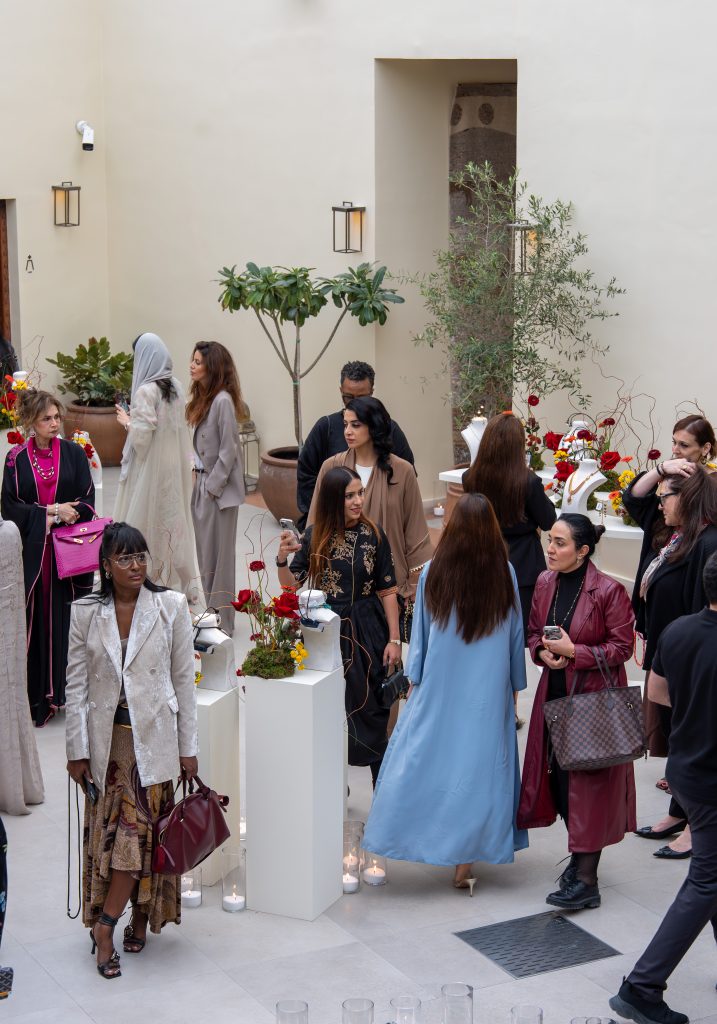
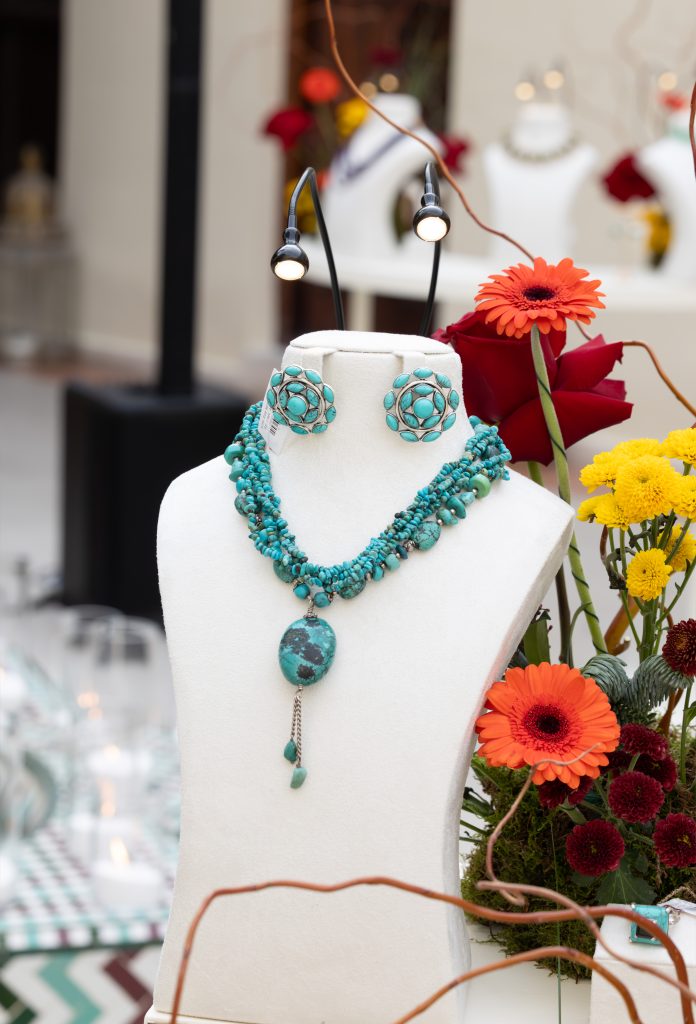
For collectors and admirers in the region, Tribe Amrapali’s presence in Sharjah offers rare proximity to India’s jewellery legacy, from tribal silver forms to intricate hand-painted enamel. More than an expansion, the collaboration signals a shared cultural responsibility: to honour craft as culture, and to ensure that legacy remains relevant, resonant and alive.