


From the mythological landscapes of the Peloponnese to Iceland’s black sands, the real locations behind Christopher Nolan’s latest cinematic spectacle belong on every traveller’s itinerary.
Even before its release, early viewers of The Odyssey prologue were calling it “the film of the century”. The declaration may have been ambitious, but Christopher Nolan’s adaptation of Homer’s epic was always conceived on an extraordinary scale. Shot entirely with IMAX film cameras, the production travelled across six countries to recreate Odysseus’s perilous journey home from the Trojan War.
While its ensemble cast and epic storytelling have commanded attention, the locations deserve equal billing. Nolan’s preference for filming in real environments took the production from ancient fortresses and Mediterranean islands to remote forests, volcanic terrain and seemingly endless expanses of sand. The results are on another level, offering a travel itinerary that feels every bit as compelling as the film itself.
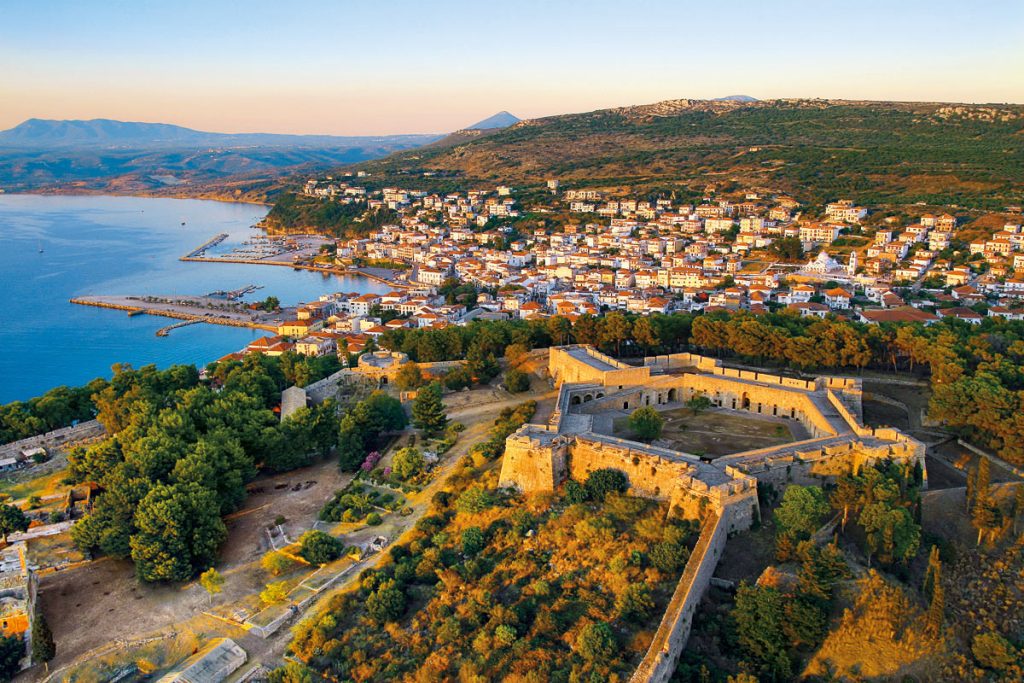
Messinia, Greece
For the closest connection to the world of Homer’s iconic poem, begin in Messinia, on the southwestern coast of the Peloponnese. Many of the film’s Greek locations are concentrated here, including the perfect crescent of Voidokilia Beach, Nestor’s Cave and the fortified coastal town of Methoni.
Nestor’s Cave, overlooking Voidokilia, provided the setting for the Cyclops sequences, while Methoni Castle brought scale and history to the production. One of the largest fortresses in the Mediterranean, the castle is reached by a stone bridge.
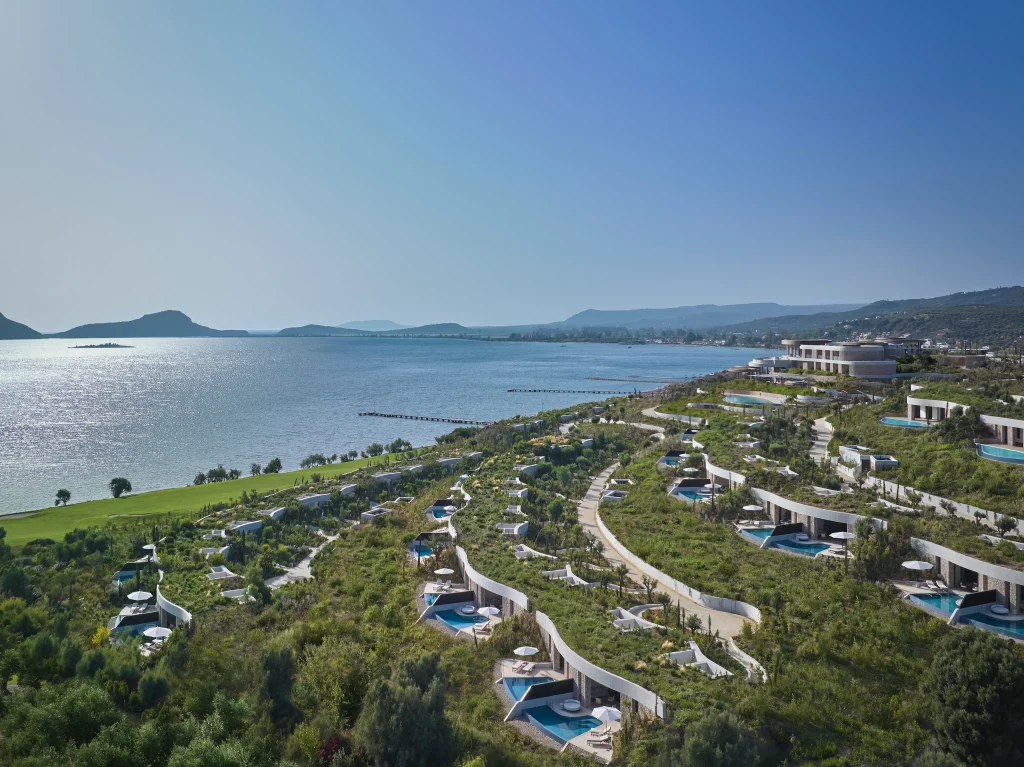
Where to stay: Mandarin Oriental, Costa Navarino, cascades down a hillside overlooking Navarino Bay. Its suites and villas draw from traditional Messenian architecture, while its beachfront setting makes it a perfect base for exploring Pylos, Voidokilia and Methoni.
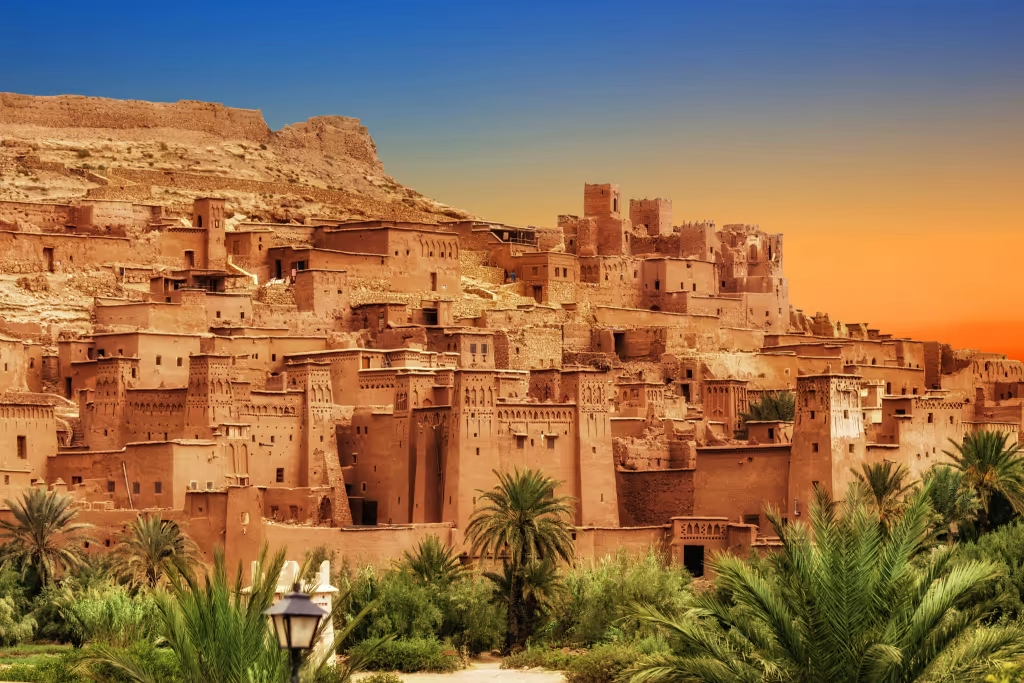
Aït Benhaddou and Essaouria, Morocco
With its earthy architecture, fortified walls and desert setting, Morocco gave Nolan an environment capable of standing in for ancient Troy. Filming took place across Marrakech, Tahanaoute, El Haouz, Essaouira and Ouarzazate, with the UNESCO World Heritage Site of Aït Benhaddou providing one of the production’s most recognisable settings.
Situated along a historic caravan route between the Sahara and Marrakech, the ksar is formed from closely grouped mud-brick buildings enclosed by defensive walls. It has in fact, appeared in films for decades, including Lawrence of Arabia, Gladiator and The Mummy.
Pair a visit with time in Ouarzazate before continuing to Essaouira, where the Atlantic beaches provided a dramatic contrast to Morocco’s desert interiors.
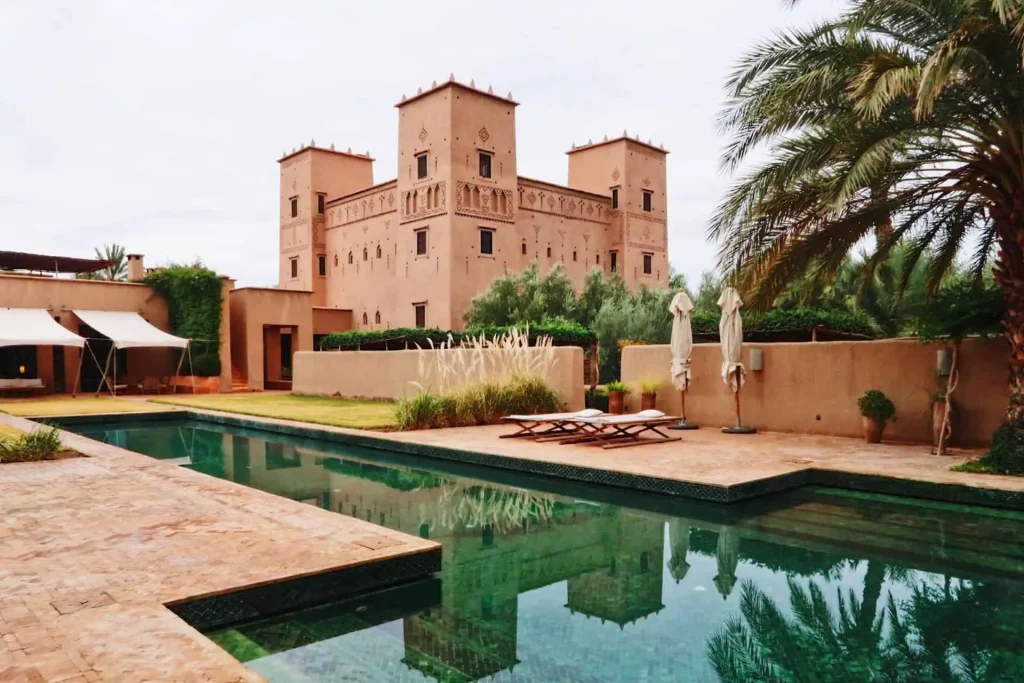
Where to stay: Dar Ahlam is a 14-suite boutique house hidden within the Skoura palm grove, east of Ouarzazate. With no conventional reception, restaurant or fixed schedule, stays are created individually around private meals, desert experiences and moments beneath the stars.
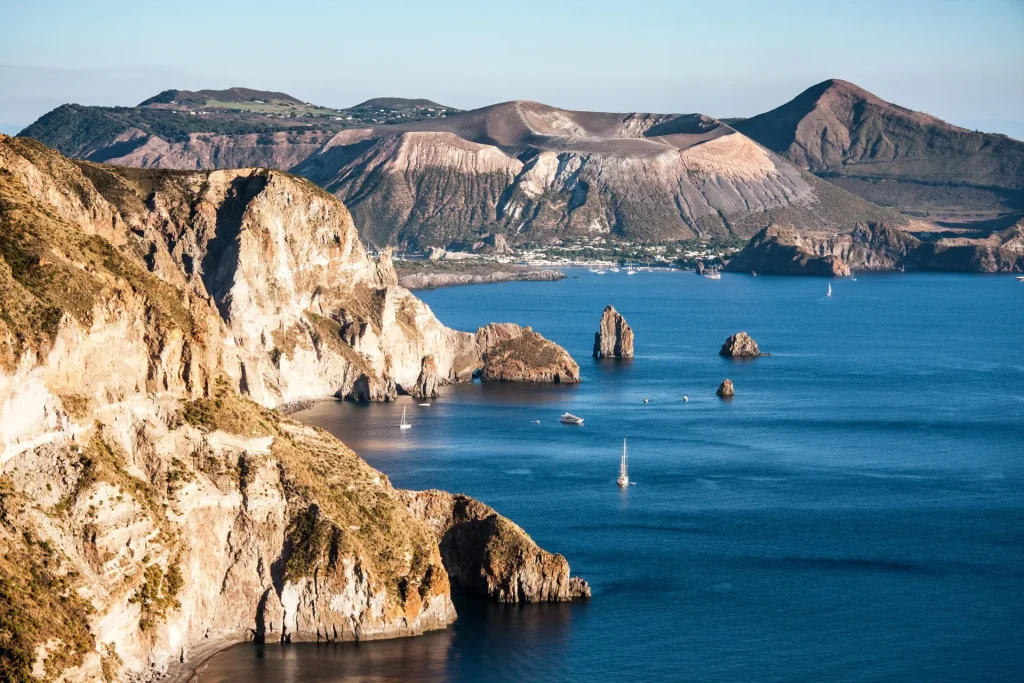
Favignana and the Aeolian Islands, Italy
Favignana, the largest of the Aegadian Islands, helped form Nolan’s vision of Ithaca and the remote island worlds encountered during Odysseus’s voyage.
Rising above the island is the ruined Castello di Santa Caterina, reached by a steep climb to the summit of Monte Santa Caterina. Nolan has described the demands of filming there, with the cast hiking around 900 feet each day while equipment was transported by helicopter. At the top you’ll find sweeping views across Favignana and the surrounding sea, although the exposed path is best attempted outside the strongest midday heat.
The production also moved through the Aeolian Islands, including Lipari, Vulcano and the rocky islet of Basiluzzo. A private boat journey between their volcanic shores, sea caves and secluded coves is perhaps the most cinematic way to follow the voyage.
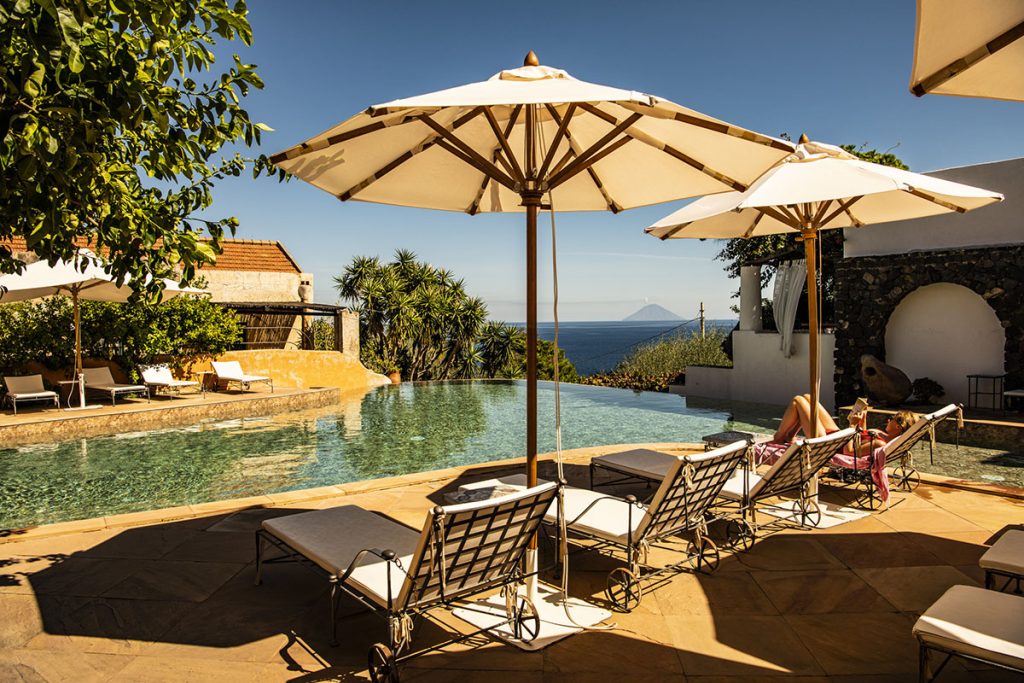
Where to stay: Hotel Signum sits among citrus trees and bougainvillaea on the island of Salina. The intimate retreat combines sea-facing terraces with a geothermal spa and Michelin-starred dining, creating an elegant base for exploring the Aeolian Islands.
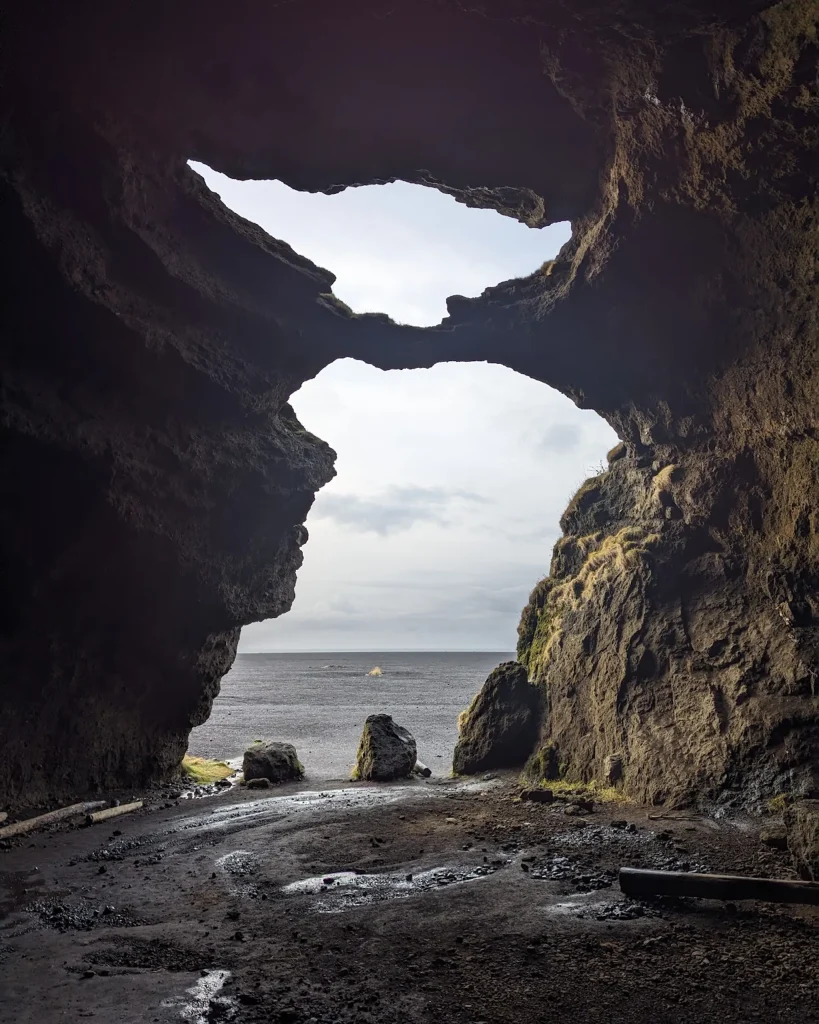
Iceland’s South Coast
When Odysseus enters the underworld to seek the prophet Tiresias, Nolan turns to one of the most otherworldly landscapes on Earth. The black sands, caves and mountain terrain around Hjörleifshöfði on Iceland’s south coast provided the setting for Hades, replacing familiar visions of fire with something colder, emptier and more unsettling.
Further filming took place around the Snæfellsnes peninsula, the Markarfljót river and Landeyjahöfn harbour. Together, these locations reveal the extraordinary geological range of Iceland, moving from volcanic beaches and lava formations to glaciers, mountains and open plains.
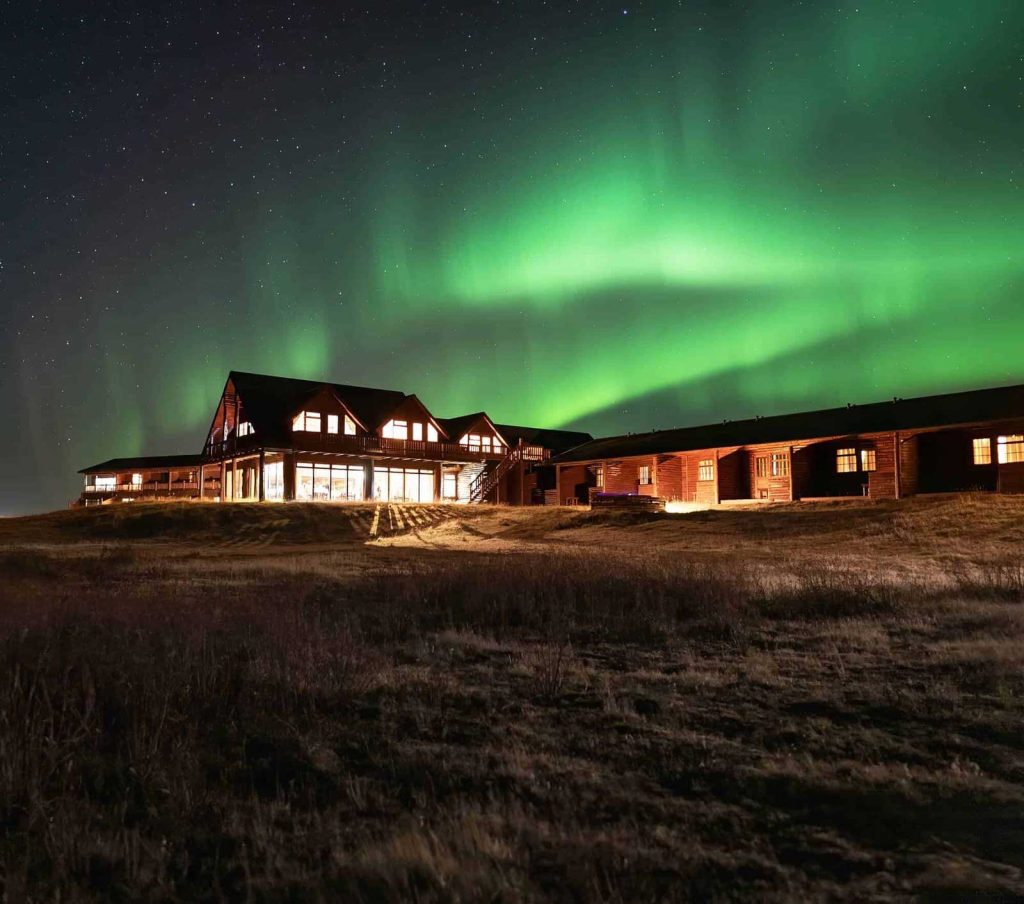
Where to stay: Hotel Rangá is a luxury countryside retreat in southern Iceland, well placed for black sand beaches, waterfalls, glaciers and volcanic landscapes. After a day of exploration, guests can return to geothermal hot tubs, Nordic dining and the hotel’s observatory.
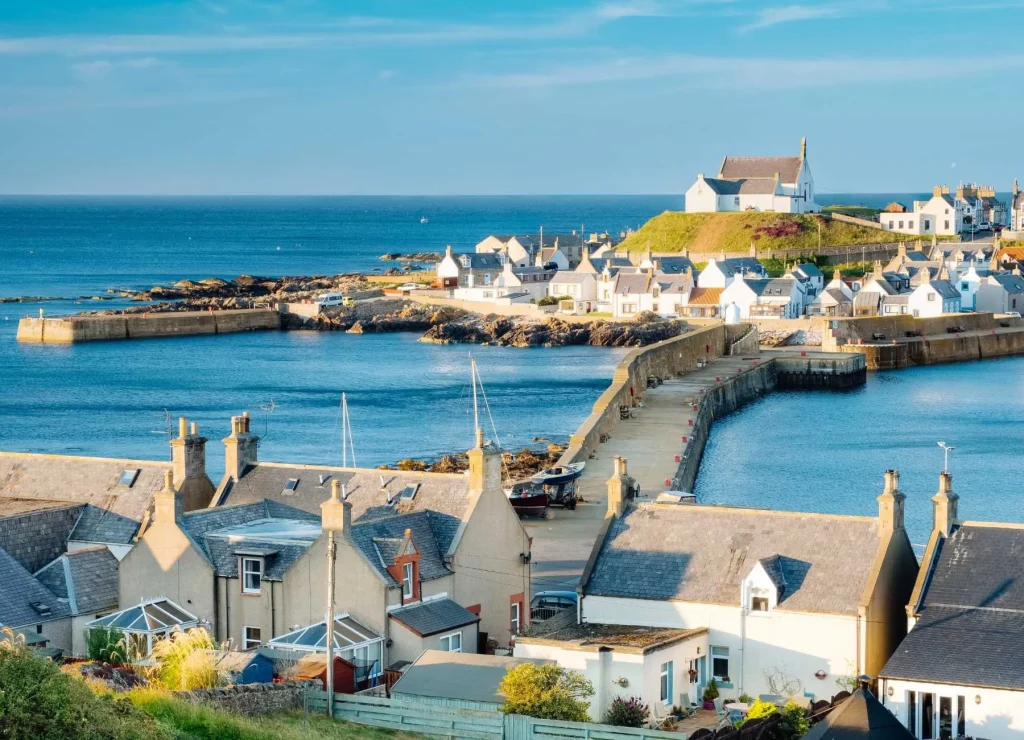
The Moray First Coast, Scotland
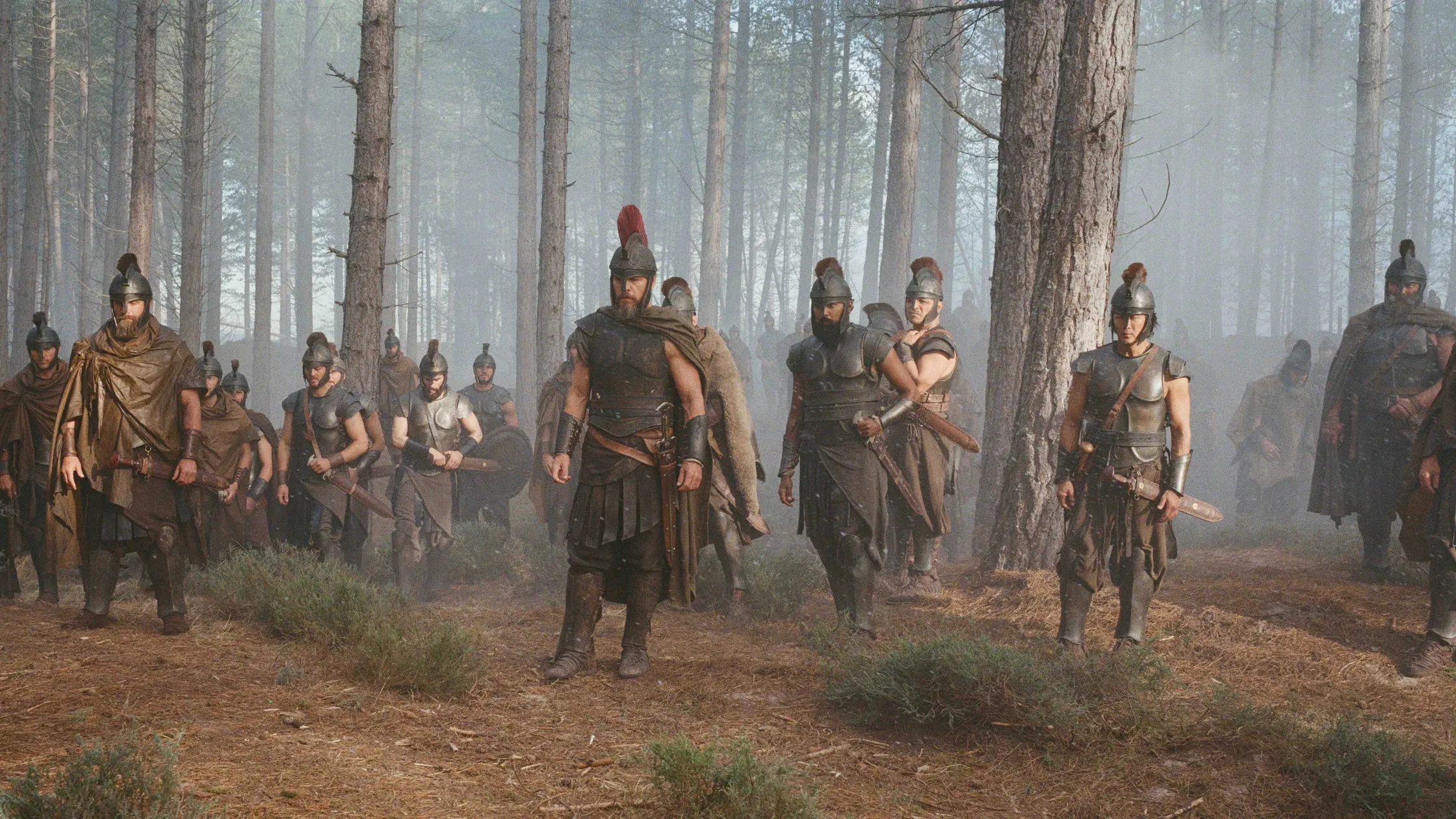
Scotland’s Moray Firth coast gave The Odyssey a darker, more elemental beauty. Filming took place around Findlater Castle, Culbin Forest, Sunnyside Beach and Buckie Harbour, transforming the region’s ruins, woodland and rugged shoreline into the mysterious northern reaches of Odysseus’s journey.
The ruins of Findlater Castle provided the setting for Circe’s isolated home. Visitors can admire the protected archaeological site from the surrounding coastal path but should avoid entering the unstable ruins themselves.
Nearby, Culbin Forest offers trails through pine woodland and shifting dunes, while the waters of the Moray Firth are known for their resident bottlenose dolphins. Base yourself in Cullen to explore the coastline, visit Buckie Harbour and walk towards the secluded sands that appear in the film.
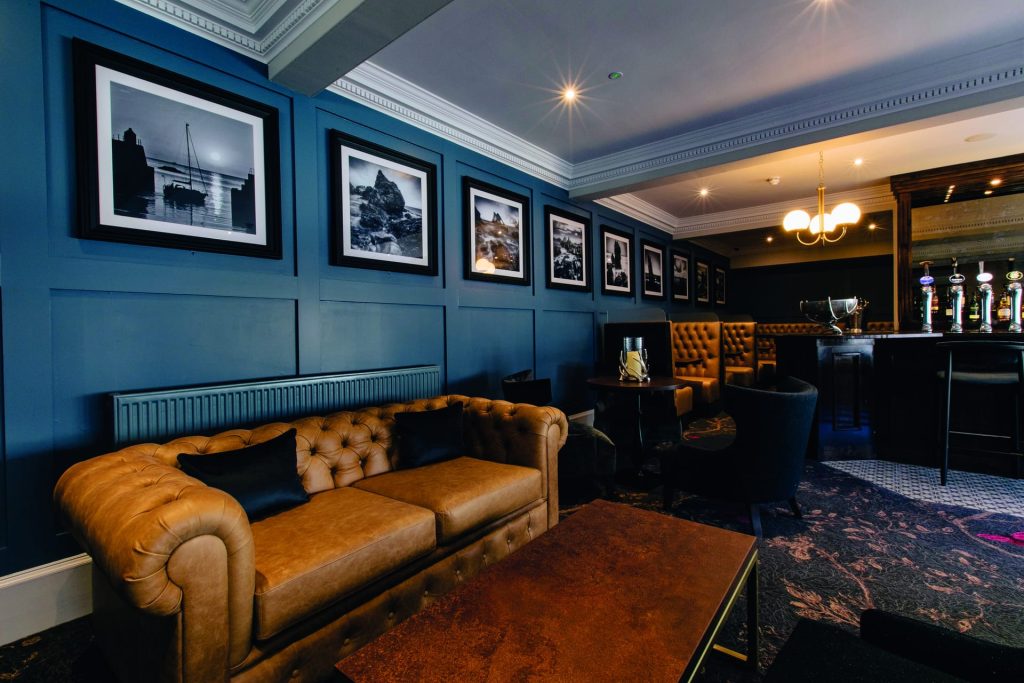
Where to stay: The Seafield Arms hosted cast and crew during filming. Its grand ballroom became a private screening room where Nolan’s team reviewed footage, while its new Odyssey Residence features interiors influenced by Ancient Greece and memorabilia connected to the film.