


Words by Priyanka Pradhan
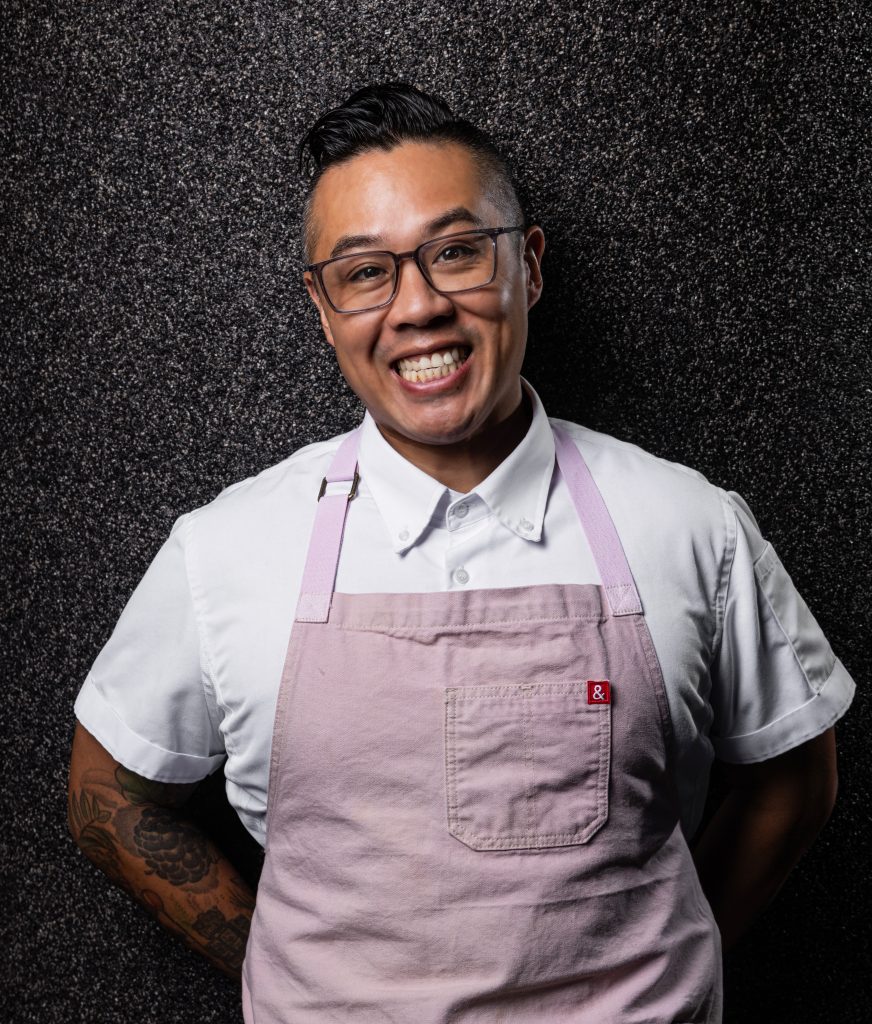
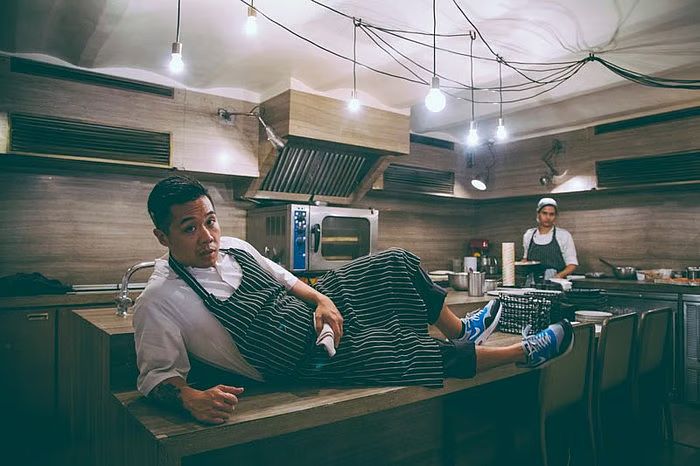
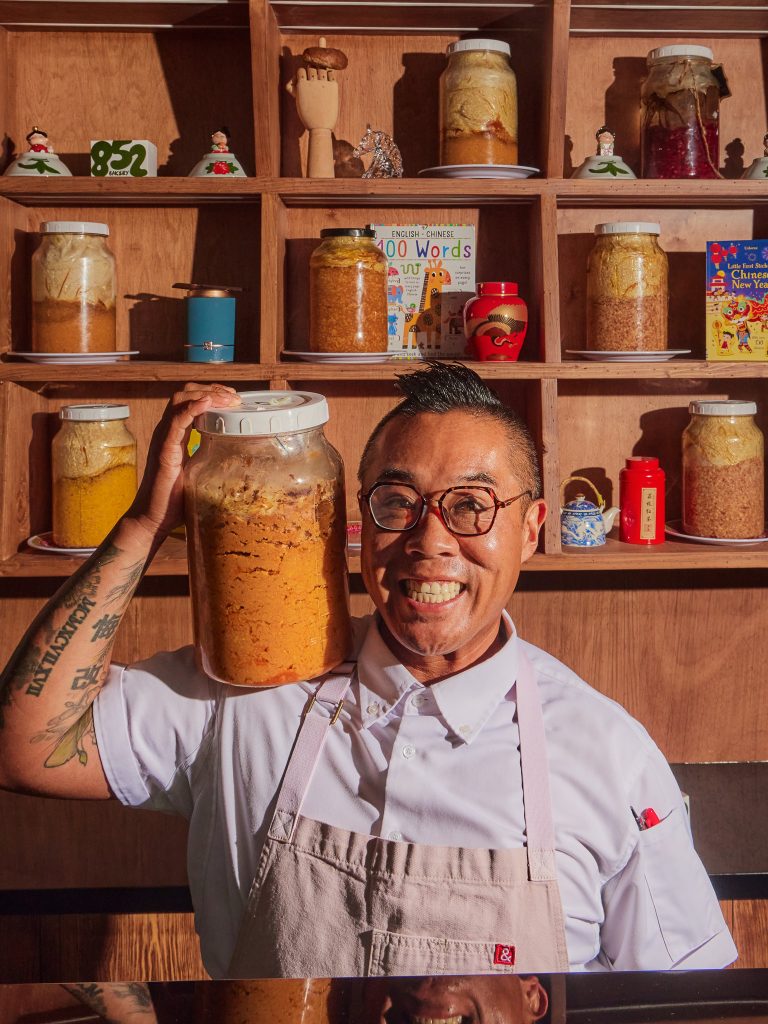
Kelvin Cheung did not choose the kitchen so much as grow up inside one. The chef and co-owner of Jun’s Dubai began his culinary life at age three or four, parked beside a 50-kilogram lump of dough in his father’s restaurant in Toronto while the rest of the family ran the floor. He shaped fortune cookies, then almond cookies, and as he grew, he graduated to spring rolls, the cashier, the dishwasher, the wok. By the time he formally entered a professional kitchen, he had already spent years earning his place. His father, a restaurateur with a near-mythic ability to remember every regular guest’s preferences, ran his kitchens with warmth and without waste, sourcing fresh fish daily and feeding people as if he already knew what they needed before they sat down.
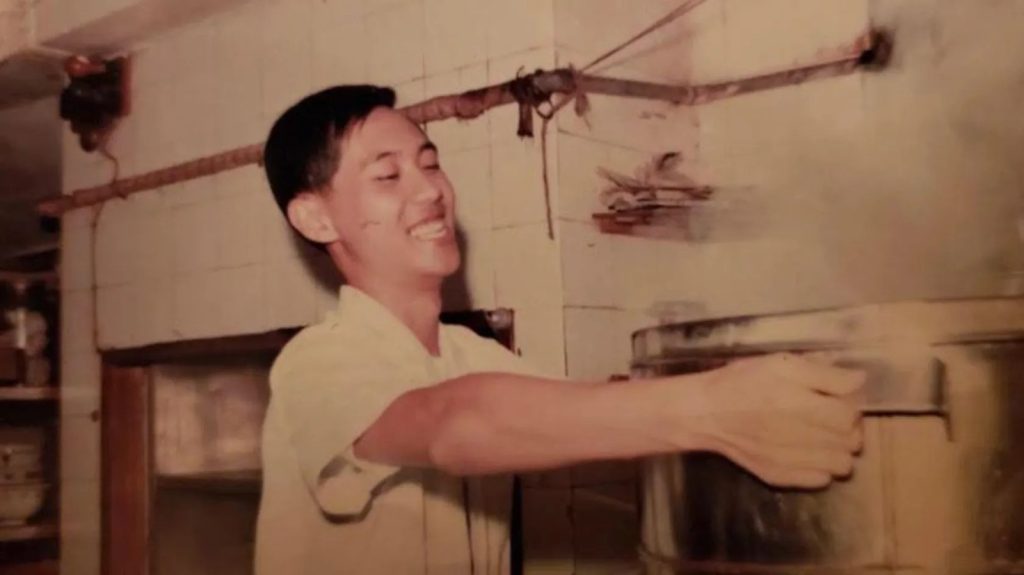
Kelvin was supposed to become a doctor and even enrolled in pre-med school. As with many first-generation immigrant families, his path was mapped early. He made it through first year before he knew, with certainty, that it wasn’t right. The conversation with his parents was hard, but the kitchen, it turned out, had already claimed him.
His early education in care, in ingredient, in hospitality as a form of memory, never left Cheung. It became the foundation beneath everything else that followed: culinary school, fine dining kitchens in Europe, a decade in Mumbai, and eventually Dubai, where he has built Jun’s into one of the city’s most distinctive restaurants. His food resists easy classification because it was never meant to have one. It is, as he puts it, Kelvin on a plate.
You’ve described your cooking as third culture. Where does that concept come from for you?
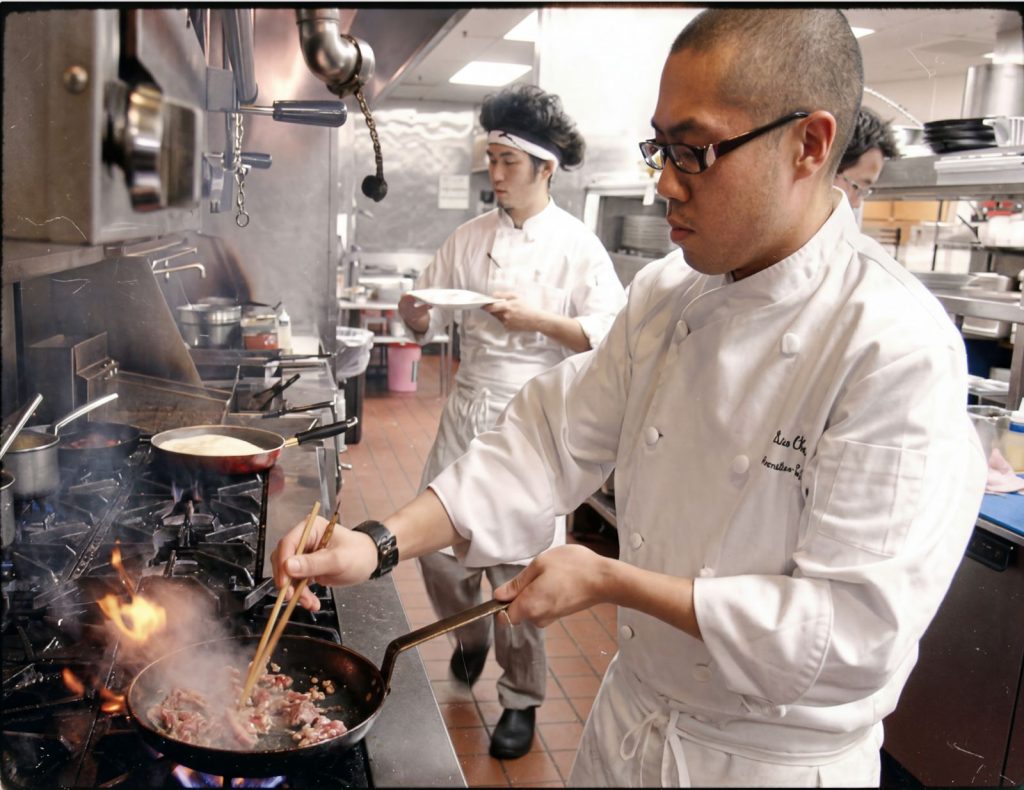
I was never Chinese enough for the Chinese kitchens, and I was never French enough for the French kitchens when I started out in fine dining. It took this whole journey to embrace that, and now I’m proud of it. My style of food, you genuinely cannot put a label on it. My son is the best example of what third culture actually means. He is Chinese, Canadian, American, born in Mumbai, being brought up in Dubai. You cannot be a more global person. And I think that translates honestly to what we do here at Jun’s. People appreciate that it comes from a real place.
There was a moment in Vancouver where you walked into a kitchen and realised you weren’t ready. What did that feel like?
Humbling. I had been a senior chef in hotels and restaurants and I thought I was ready. I packed up, drove across Canada, walked into this small kitchen — eleven of us — and after the first night of service I thought: every single person in this room can cook circles around me. You try to fight through it, but after a couple of weeks I pulled the chef aside and told him I didn’t think I was doing justice to his food by holding a spot that his junior cooks deserved more than I did. I didn’t take it as failure. I took it as a turning point. I went back to Toronto and became obsessive. Three jobs at once. Showing up to other people’s restaurants on my days off, unpaid, just to learn. That’s when things started to click.
When you think about the cities that shaped you as a cook, what does each one leave behind?
My father’s kitchens in Toronto and Chicago gave me the wok. There is something magical about that cooking style, the flavor it produces when it’s harnessed correctly. It is unlike anything else. Belgium was where I fell in love with ingredient-driven cooking. I was up at 6:45 every morning to harvest vegetables from the farm before the chef woke up. I fished from a pond and cooked whatever was ordered directly from the water. That experience connected something back to my father’s restaurants, where we had the live fish tanks, and I understood for the first time that great cooking has a common denominator regardless of cuisine: a standard of care for the ingredient. That principle has never left my kitchen.
And Mumbai?
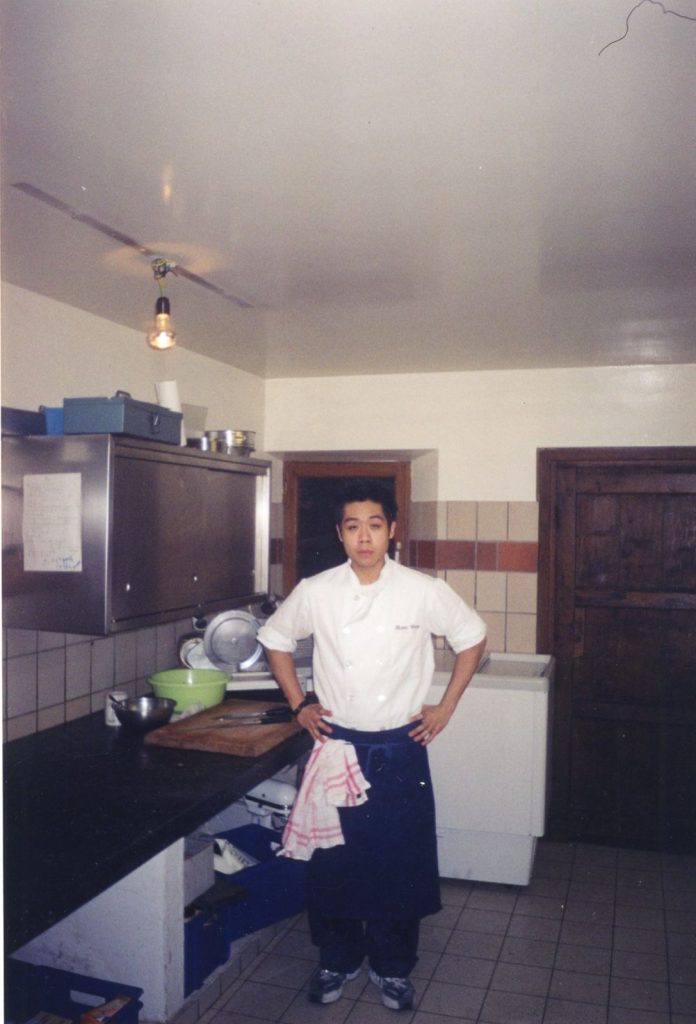
Mumbai was the Golden Age. I arrived in 2012 on a six-month contract and stayed for a decade. The market was hungry in a way I had never seen. Instagram was just starting. Twitter was new. There was almost no innovative food outside the five-star hotels and a handful of places like Indigo. I came in and completely redesigned the restaurant, trashed the whole menu, and had the freedom to cook the first real iteration of what I thought my food could be. Because the city hadn’t seen anything like it, everything I created felt new. We were the first to do a proper brunch. And because I had the attention of Bollywood, cricket, people who were watched, it created this beautiful momentum. I think I left a mark there. People still remember.
How does a city end up on a plate? Is there a dish at Jun’s that makes that translation visible?
The carrot dish. It looks like nothing to do with Asia, nothing to do with China. But it is my childhood on a plate. As an immigrant family, lunch was always last night’s leftovers, and we loved it — it was mum’s food. But we got bullied at school for eating things the other kids found strange, so eventually she started making sandwiches. One of our favourites turned out to be smoked salmon on a bagel. So the dish I made here takes carrots from our farm, chars them over olive wood, and serves them with labneh from a local producer that we cold smoke with mesquite. When you close your eyes and take a bite, it reminds you of a smoked salmon bagel. No fish. No salmon. Completely vegetarian. That is how a city ends up on a plate — through what your mother fed you, and what made you feel safe.
You came to Dubai to research the market in 2016 and moved base in 2021. What was the gap between the city you imagined and the one you found?
Enormous. Back then it was all big brands from London, New York, Paris. Zuma, major names, major companies. I remember arriving and thinking: is this market only for ultra-luxury? Is there space for anything else? But every time I came back, the city had changed again. It changes every three months. That pace is part of its beauty. And now, what I see is a city that gives homegrown brands the platform they deserve. People here are building something genuinely their own. I am fully all in on this region. I think it is going to be the gastronomic city of the future.
Is there a city you haven’t fully explored yet, that you’re curious about?
China, at this stage of my cooking. I used to go to Hong Kong every year, but only a day or two across the border. My great-grandparents’ first restaurants were in China, and I want to find them. I want to retrace that. China is similar to India in that cities just 100 miles apart can have completely different techniques, completely different flavours. I had a trip planned with a few other chefs earlier this year, just to take classes, to relearn, to be students again. It didn’t happen. But it will. That’s the next chapter.