


WORDS BY ADRIJANA HUSIĆ
From Boka Bay to Ohrid, via island roads, festival cities and mountain detours, this Balkan summer route is best travelled slowly, and remembered as much for its people as for its landscapes.
If you asked me where to go in the Balkans in summer, the first thing I’d tell you is this – don’t rush it. This isn’t a region that reveals itself through tick-boxes. It asks for curiosity, appetite and enough time for its contrasts to do their work.
People hear the word Balkans and often imagine something harsher, mountainous, perhaps even severe. The irony is that much of summer here feels deeply Mediterranean – long lunches, late dinners, sea air, and idleness without guilt. In many ways, the same rules people expect to find in Italy or Greece also apply here.
The difference is that the Balkans still feel less rehearsed. That, to me, is their real beauty. Summer here is never just one thing. It can be a morning by the sea and an evening in the mountains. A mediaeval town, a long lunch, a capital alive with art and conversation, a hidden restaurant, a lake that slows your thoughts, or a road that suddenly opens onto a view you were not expecting.
The Balkans are best when travelled in chapters – one coastline, one capital, one inland detour, one place you did not expect to love quite so much. Rather than racing across borders, choose to linger.
Montenegro
I will start where my heart begins. Montenegro is small, but it gives so much. In a matter of hours, you move from mountain air to sea light, from silence to summer rhythm, from heritage to wildness. That contrast is the essence of the country.
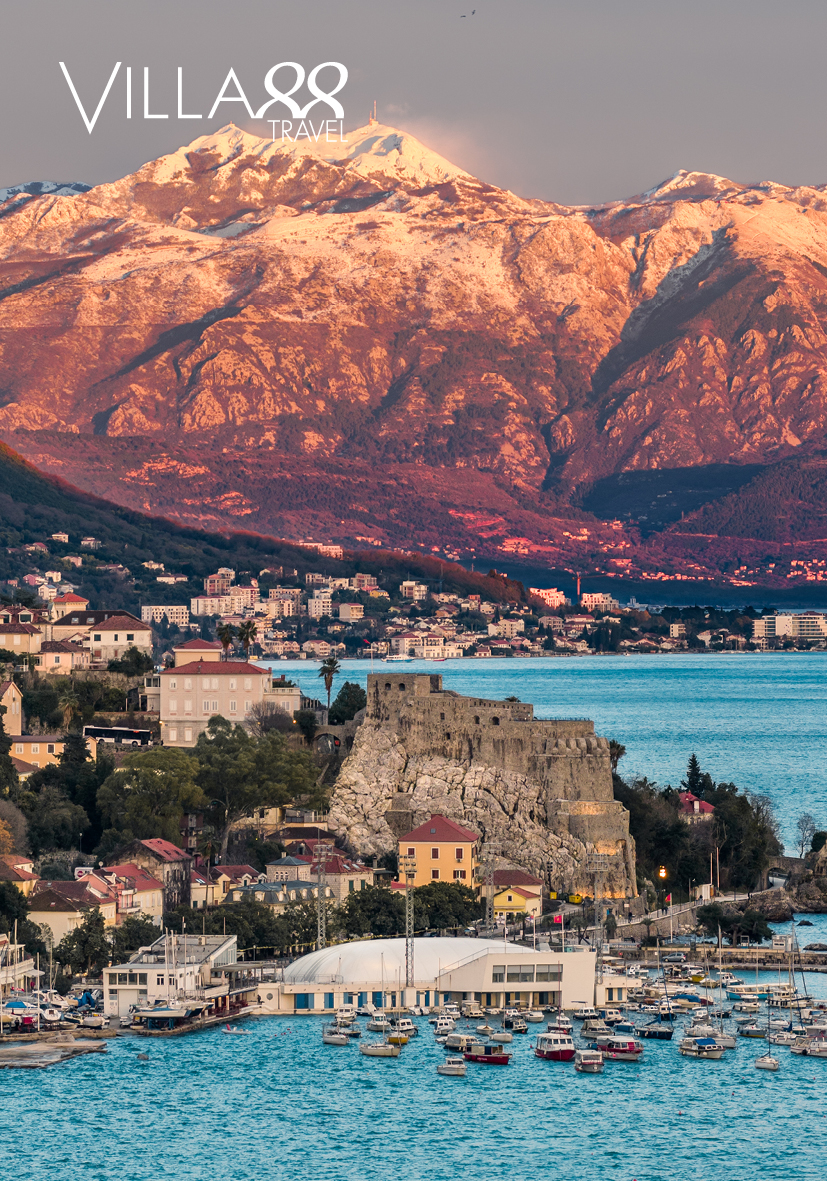
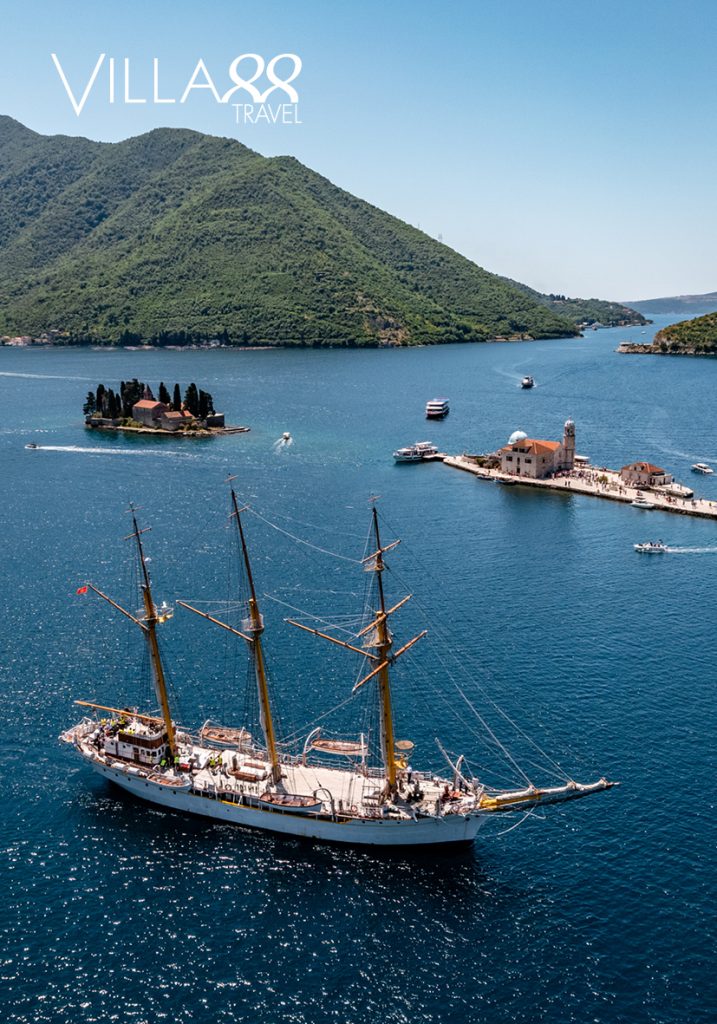
Most people begin with Boka, and rightly so. Kotor and Perast feel cinematic and deeply lived-in at the same time. Herceg Novi brings old-town charm and a softer Mediterranean mood, while Tivat reflects the newer, more polished side of the coast. Through it all runs one of Montenegro’s quiet luxuries – from the sea, the mountains are almost always there.
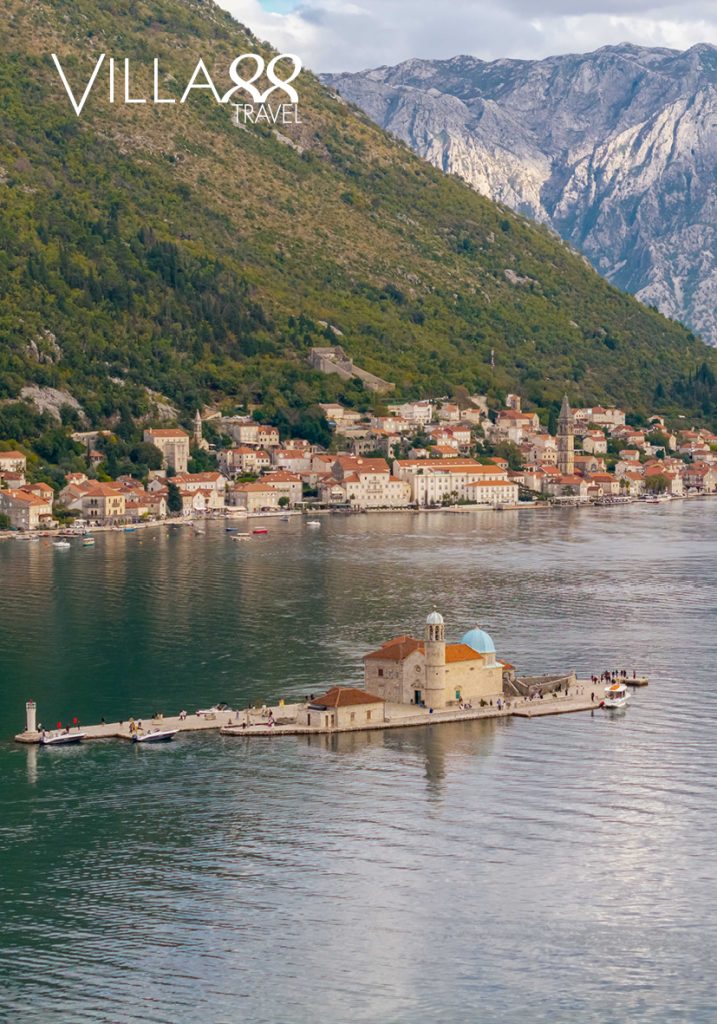
Whenever I guide someone through Montenegro, I suggest staying a little longer than planned. Slow down by the water in Perast. Let the bay grow quieter around you.
Heritage Grand Perast naturally belongs to that more refined side of the story. A meticulously restored 18th-century palace set directly on the water, where the Baroque courtyard, the infinity pool above the bay and exceptional Mediterranean dining make it not just a place to stay, but a place to properly take your time. The country’s most iconic landmark, Our lady of the Rocks, is just minutes away. And the view from a sea-facing room at dusk is not something you will forget quickly.
Then the country changes completely. From the poised elegance of Boka, you move south towards Ulcinj and into an entirely different mood.
The coast grows wilder, less polished, more elemental. Velika Plaža, the great sandy beach, could not feel more different from the enclosed, stone-framed beauty of the bay. Nearby, Ada Bojana remains one of those places people return to almost ritualistically. It still feels like a true gem, preserved enough to keep its soul and popular enough to remind you that everyone is always searching for exactly this kind of freedom.
Valdanos at sunset belongs to that southern chapter, too. Around it, the coast takes on a softer rhythm. Places such as Mashtra Olive House and Carolea Villas & Restaurant fit that mood perfectly, rooted in the landscape rather than simply placed on top of it.
And if your idea of summer also includes nightlife, Budva still holds one of the region’s best open-air addresses through Top Hill, perched above the city with panoramic views of the Adriatic.
Before turning north, I would always stop in Bar. The place not to miss is the Stari Bar settlement. The more interesting story is not down by the sea, but uphill, around small, authentic shops and restaurants like Kaldrma, the stone and the layered silence of the old town.
Only then would I go inland. Žabljak and Kolašin make sense precisely because the coast has already shown one face of Montenegro, and now the mountains complete the picture. From there, returning through Podgorica also brings another perspective.
Croatia
I have to admit I only put the Croatian coast on my radar more intentionally quite recently, perhaps because, as a Montenegrin, I always gave the advantage to my own coast. Then I fell in love with Croatia precisely because it offered so much. One of the best ways to understand this part of the Adriatic is to rent a car and drive it. The Adriatic Road gives you the version that stays in the memory, more cinematic, more exposed to the sea, full of places that make you want to stop even when you hadn’t planned to.
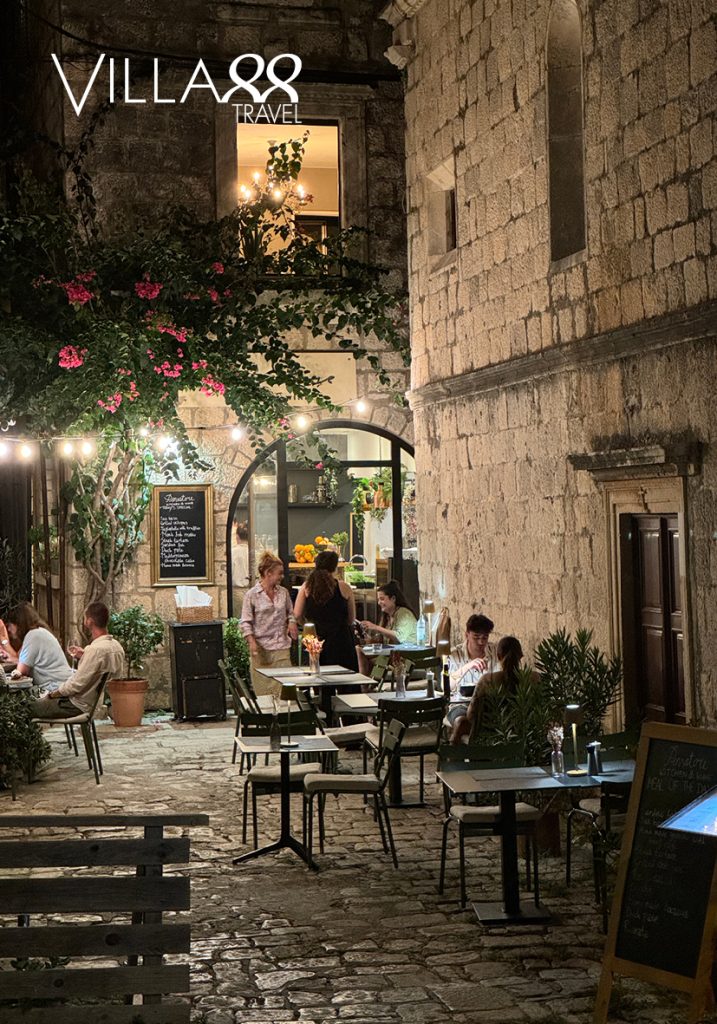
Dubrovnik is one of those places everyone thinks they already know before arriving. And yet it still works. The walls, the sea, the steps, the drama. Yes, it is cinematic. But Croatia’s strength is that it never ends there. Even in Dubrovnik, I enjoy slipping slightly off script, which is why Taj Mahal works so well. Bosnian food in one of the Adriatic’s most polished settings is a reminder that Balkan borders never fully separate taste or memory.
Zadar is one of those shifts – old stone, new energy, and the Sea Organ, one of the loveliest reminders that not every memorable landmark has to shout. Designed by architect Nikola Bašić and completed in 2005, it is 35 pipes embedded into marble steps along the seafront, playing endlessly changing music as the sea pushes air through them. Mljet Island has that rare hard reset quality – pine, salt, stillness and that unreal Adriatic blue all framed as a national park. Brač Island changes the tone again, becoming broader and more open. Its Vidova Gora offers a view that briefly resets perspective.
Small Proizd Island is another kind of beauty altogether, made even more special by four distinctive beaches and the bluest of blues. Closest to Italy, Pula deserves far more space in this conversation. The Arena, one of the six best-preserved Roman amphitheatres in the world, becomes in summer one of the region’s most atmospheric cultural stages, hosting international names and turning concerts into something almost theatrical. To watch music played inside 2,000-year-old walls, under an open sky, belongs in a category of its own. And it is the perfect spot to start exploring the magic of Istria and Brijuni Island that puts a spell on every visitor who sets foot there. Istria is a whole mood for people who like to experience summer through wineries, villages, roads and long lunches. Konoba Stari Podrum near the well-known Kozlovic Winery belongs to that story. Roxanich Winery does too, but in a more design-led way, with its architectural cellar and amphora wines that have made it one of the region’s most discussed addresses. Marina Marinski works from a small ceramics studio in Rijeka, making tableware, home objects and jewellery under her brand Marinski Heartmades, the kind of pieces that do not feel like souvenirs but like something you would have sought out anywhere.
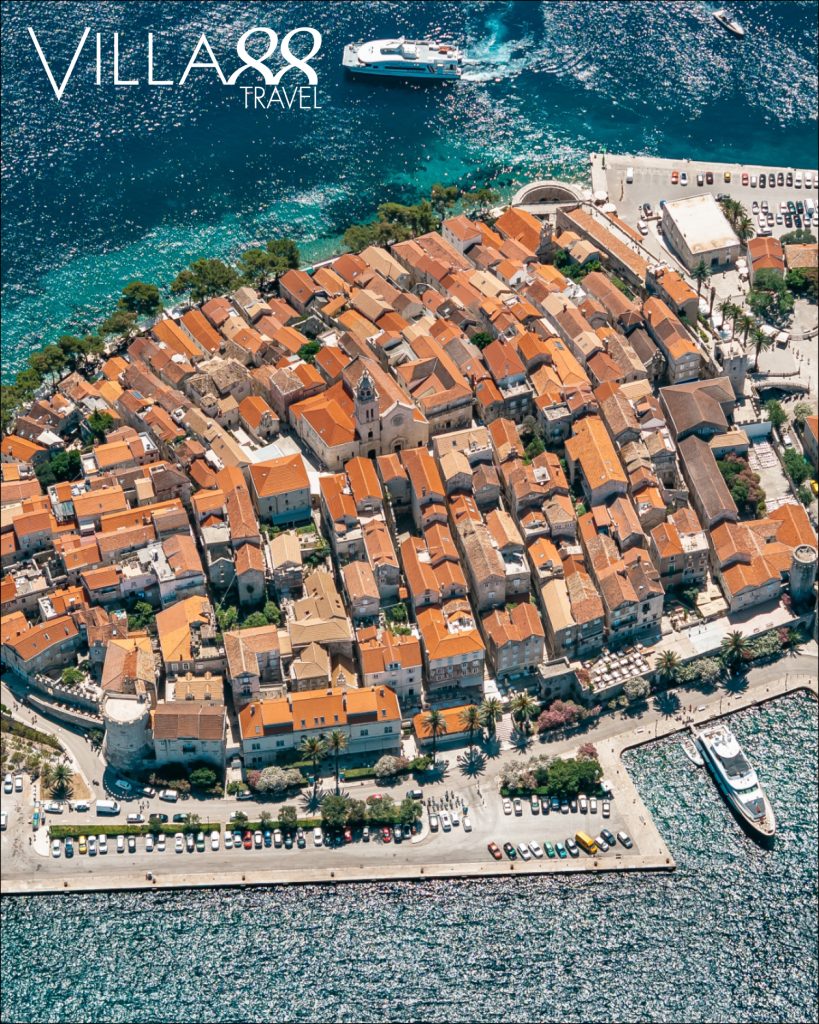
And then there is the cravat. Croatia is where the world’s most recognisable neckwear was born. During the Thirty Years’ War, Croatian cavalry wore knotted scarves around their necks, silk for officers, cloth for soldiers, as protection and as identity. Croatian tradition holds that women tied scarves around their loved ones’ necks before battle, as a sign of fidelity and a promise to wait. The French noticed both the object and its meaning. They adopted it à la Croate, and from that the word ‘cravate’ entered every language in Europe. For a refined version to bring home, CROATA is the name to know. Konoba Maha on Korčula is the kind of place I’d always recommend, not because it is loud, but because of attention to detail, atmosphere, and delicious food. Hvar, by contrast, is loud in reputation and scene. Each island carries its own distinct atmosphere and deserves its own trip. Zagreb also deserves a mention, even if summer is not necessarily when I would send you there first. The capital feels more like a return trip, and Hotel Esplanade is one of the reasons why. It still carries that old-world glamour in a way very few hotels do. Come back in winter, when Advent gives the city a completely different kind of magic.
Bosnia and Herzegovina
Bosnia and Herzegovina enters this story differently. Too often, people begin with war. But Bosnia has always been far more than that narrow association. Having roots there, I feel that strongly. It is one of the most layered countries in the region, full of beauty, rural depth, hospitality and emotional texture.
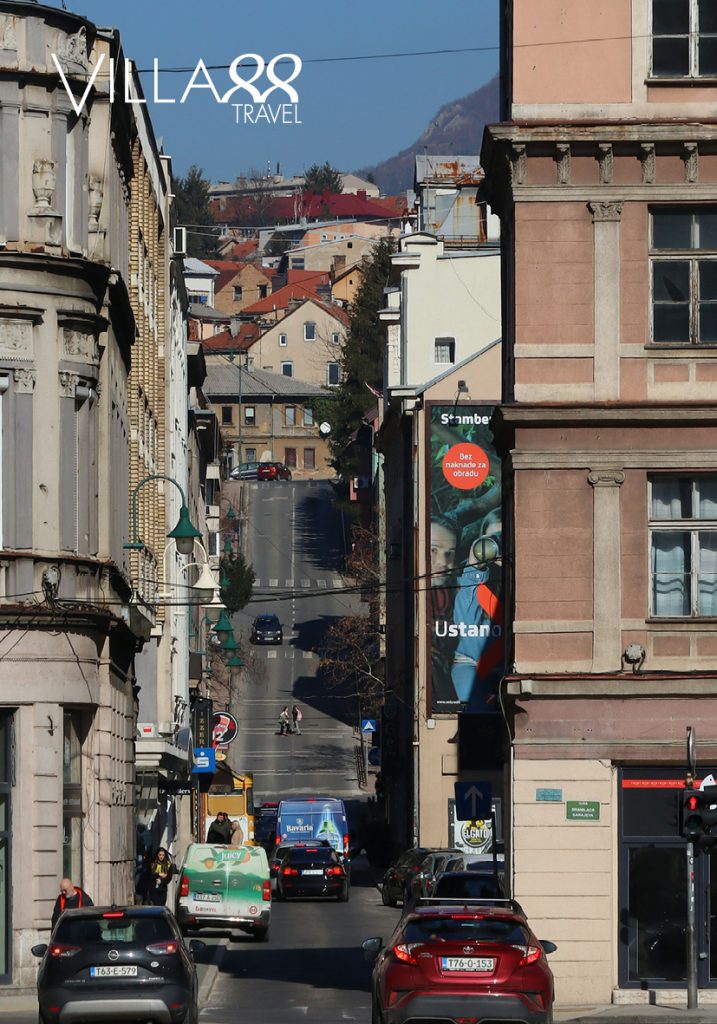
If I were drawing someone’s Balkan summer route, I would centre Bosnia around Sarajevo in August. The Sarajevo Film Festival is reason enough. But beyond it, Sarajevo shows how alive culture feels when it is truly lived. In a little over 48 hours, you can be reminded how precious and fragile life is. Eating around Baščaršija is part of the city’s rhythm. Places such as 4 Sobe Gospođe Safije open another, a more atmospheric, unexpected side.
Sarajevo also has one of the region’s more interesting contemporary design stories. Bazerdžan is one of the clearest expressions of it, a concept store in Baščaršija built around local designers and makers, founded with the mission of keeping Bosnian creative tradition alive and evolving. Kaftan Studio and Zlatara Sofić show how that same heritage can be reinterpreted through contemporary design – the first a fashion and costume atelier whose pieces have been worn on red carpets, the second a goldsmith shop founded in 1938 that today makes authorised replicas of historic jewellery from the National Museum of Bosnia and Herzegovina, each piece certified and hand-crafted.
Beyond the capital, Neum offers Bosnia’s own opening to the sea. Tjentište
Serbia
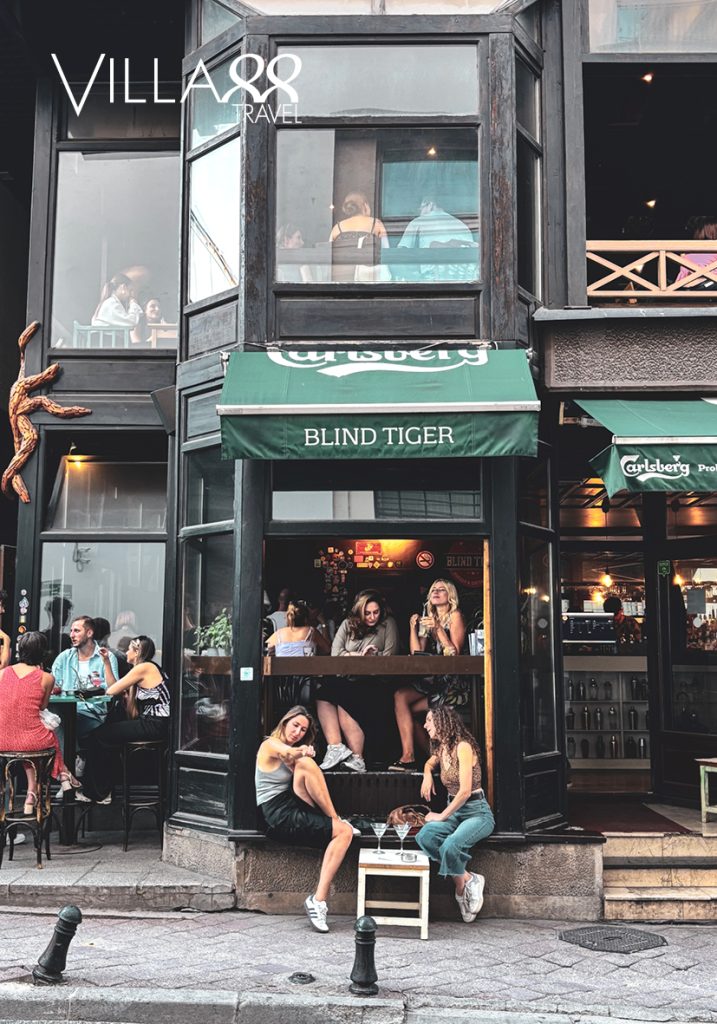
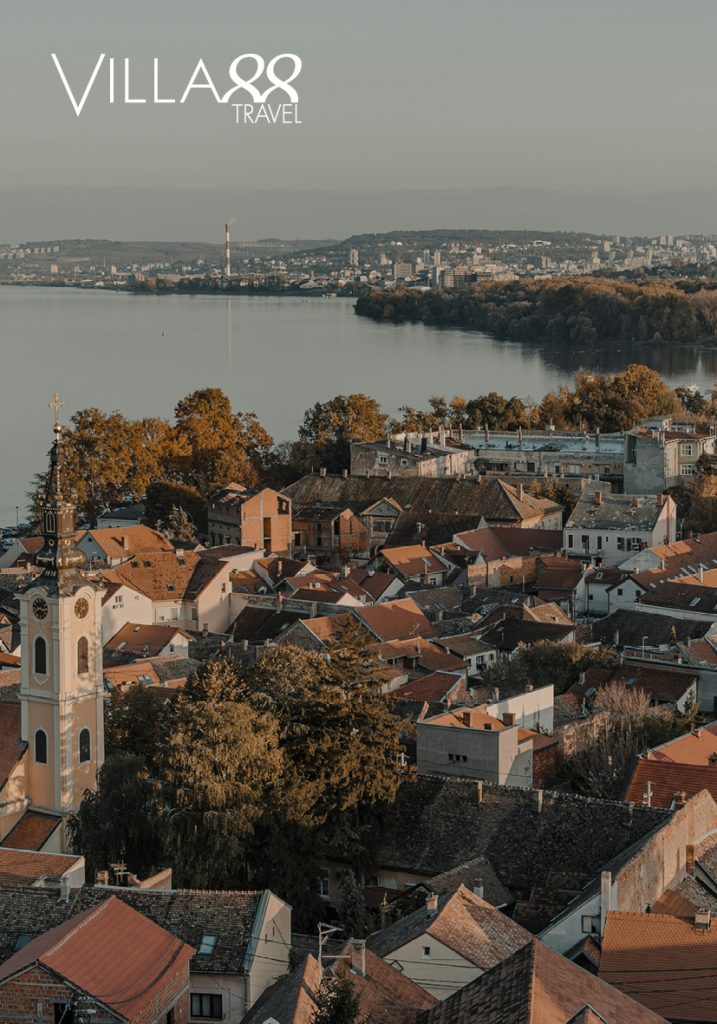
With Serbia on the route, the pulse changes again. Belgrade offers what many seek from summer in a city – culture, nightlife, conversation, energy, scene. Skadarlija still carries the older, bohemian spirit people associate with Belgrade, while Zemun preserves a slower mood, and Dorćol gives you one of the clearest senses of the city’s present identity. Novi Sad belongs naturally beside it.
Then, when you leave the cities for the mountains, through Zlatibor, Kopaonik and the national parks, the whole rhythm shifts once more. Belgrade has a strong design, fashion, and café culture – one of those places where café life is not an accessory, but part of how the city thinks and moves. Jevremova 25 reflects that contemporary Belgrade mood perfectly. Mihano Momosa belongs in this conversation too, a fashion house built by designer Mihailo Anušić around handmade gowns, feather and lace, pastel silhouettes, and an unapologetically romantic femininity that has earned features in international titles.
And then there is Nenad Stojaković, a Belgrade jeweller who trained at Accademia Riaci in Florence and has spent the years since giving silver filigree, an ancient Balkan craft, a vocabulary that is entirely contemporary. His rings are wearable sculptures. His studio, Studio Manufactura, is the kind of address worth finding. Both are the Balkans at their most ambitious.
North Macedonia
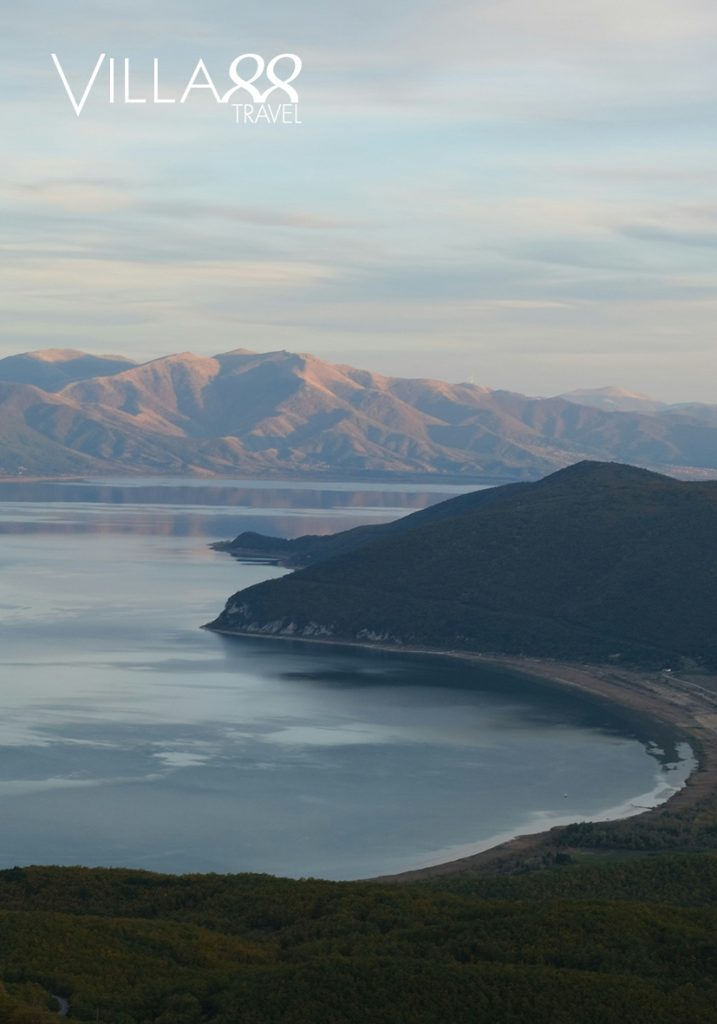
North Macedonia should never be left off the Balkan summer map. Ohrid has that rare sense of completeness – water, stone, churches, old town, light. Everything seems to sit in proportion. It gives stillness without emptiness and beauty without strain. What lifts it even further is what lies beneath the surface.
The town of Ohrid is one of the oldest human settlements in Europe, with architecture built between the seventh and 19th centuries, home to the oldest Slavic monastery and more than 800 Byzantine-style icons of worldwide fame. Lake Ohrid itself is one of Europe’s deepest and oldest lakes, with more than 200 endemic species found nowhere else on Earth, and is a UNESCO World Heritage Site for both its cultural and natural value. That combination of spiritual weight, architectural layering and natural rarity is what makes Ohrid genuinely rare, not just photogenic.
But North Macedonia also deserves to be felt beyond the lake. Mavrovo adds the mountain counterpart – forests, open space and a slower, cooler rhythm that broadens the picture beautifully.
Why you may want to come back
What makes the Balkans so rewarding is that the region’s cultural life does not sit apart from daily life. Festivals matter, but so do less formal rituals– summer evenings on a promenade, long coffees over conversation, markets, family-run restaurants, village festivals, waterfront, terraces and the quiet social theatre of simply being outside.
The region is increasingly alive through major concerts and international names in summer programmes. Pula’s Arena is one of the most striking examples, but Belgrade and Tirana bring that same energy too, while Montenegro adds its own summer draw through Budva.
That’s also why I would always say the best months aren’t necessarily the busiest ones. High summer has its pull – you get the full coastal rhythm, open air events, that unmistakable Adriatic energy. But late June and especially September can be even more beautiful – softer light, warmer seas, calmer roads, easier tables, a more breathable version of the same landscapes.
The Balkans are at their best in those in-between moments. If you ask me how to do the Balkans properly, I’d say give it at least a week. Even then, accept that you’re only beginning. You need time for one more road, one more meal, one more detour, one more conversation… One more place that was not in your original plan. And with very little doubt, you will come back.
People may come first for the summer, for the coast, the islands, the lakes, the cities, the mountains, the beauty that photographs well. But what brings them back is never only that. It is the place’s feeling. The hospitality. More than the views, more than the recommendations, more than the pins saved in Google Maps, that is what you actually carry with you.
No matter how much one tries to describe it, the Balkans has to be experienced to be properly understood. You leave with photographs, favourite places, plans to return. But above all, you leave with a feeling of warmth, generosity, and life lived more openly. That’s why the Balkans are never only a summer plan. They are the kind of place that becomes a return.