



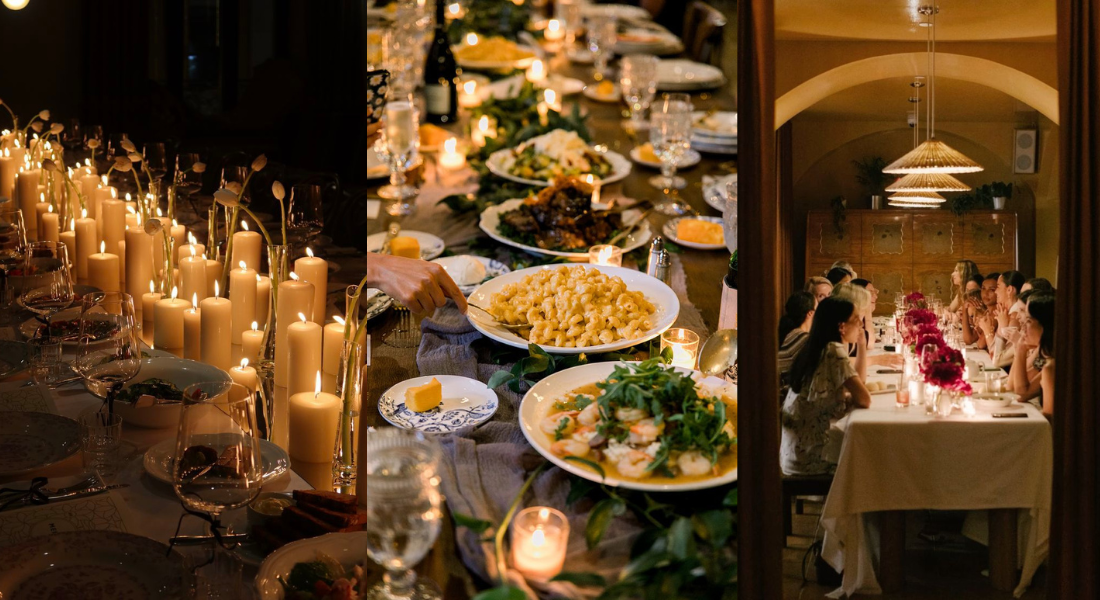
There is something undeniably special about gathering friends and family around the table. Whether it’s a leisurely weekend lunch, an intimate dinner party or an impromptu evening with neighbours, the most memorable occasions are rarely defined by elaborate menus or perfectly folded napkins. Instead, they are remembered for the warmth of the welcome, the ease of the conversation and the feeling of being completely at home.
While social media often presents entertaining as an exercise in perfection, the reality is that the best hosts are the ones who make it all appear effortless. The secret isn’t doing more—it’s planning ahead, embracing simplicity and creating an atmosphere where both guests and hosts can genuinely enjoy the occasion.
Plan Ahead, Relax Later
The easiest way to remove the pressure from hosting is to do as much as possible before your guests arrive. Setting the table earlier in the day, preparing ingredients in advance and chilling drinks ahead of time means you can spend less time in the kitchen and more time enjoying the company around you.
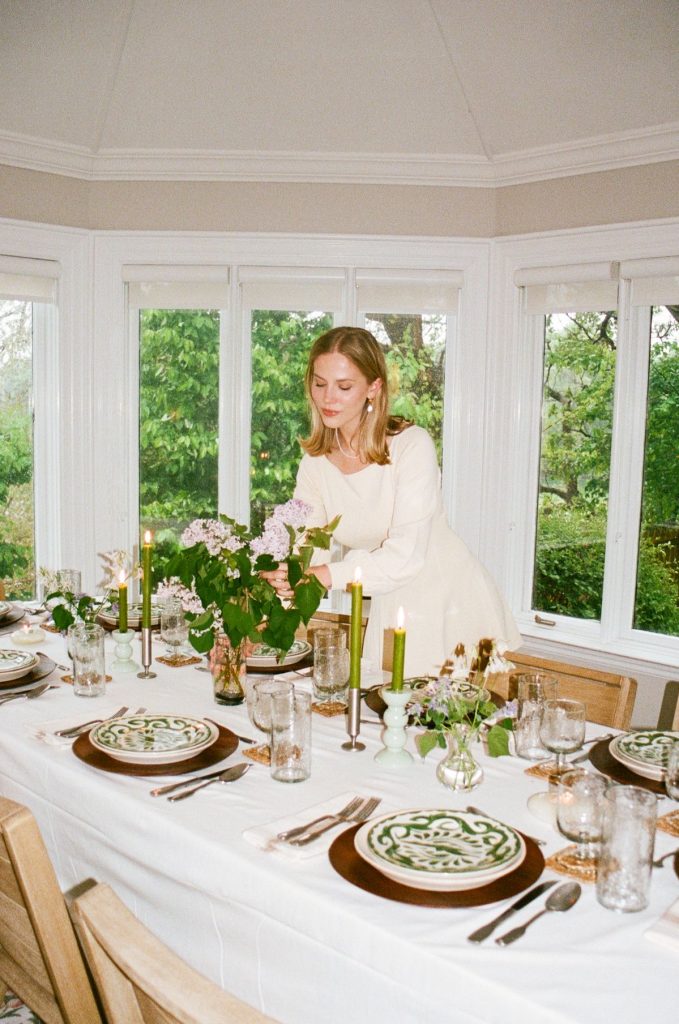
Even something as simple as writing a loose timeline for the evening can make everything feel calmer. Rather than rushing between tasks, you’ll have the freedom to welcome guests with confidence and settle into the evening yourself.
Focus on the Atmosphere
Long after the last course has been served, guests are far more likely to remember how your home felt than exactly what was on the menu. Soft lighting, seasonal flowers, candles and a carefully chosen playlist all contribute to an inviting atmosphere that encourages people to relax and linger.
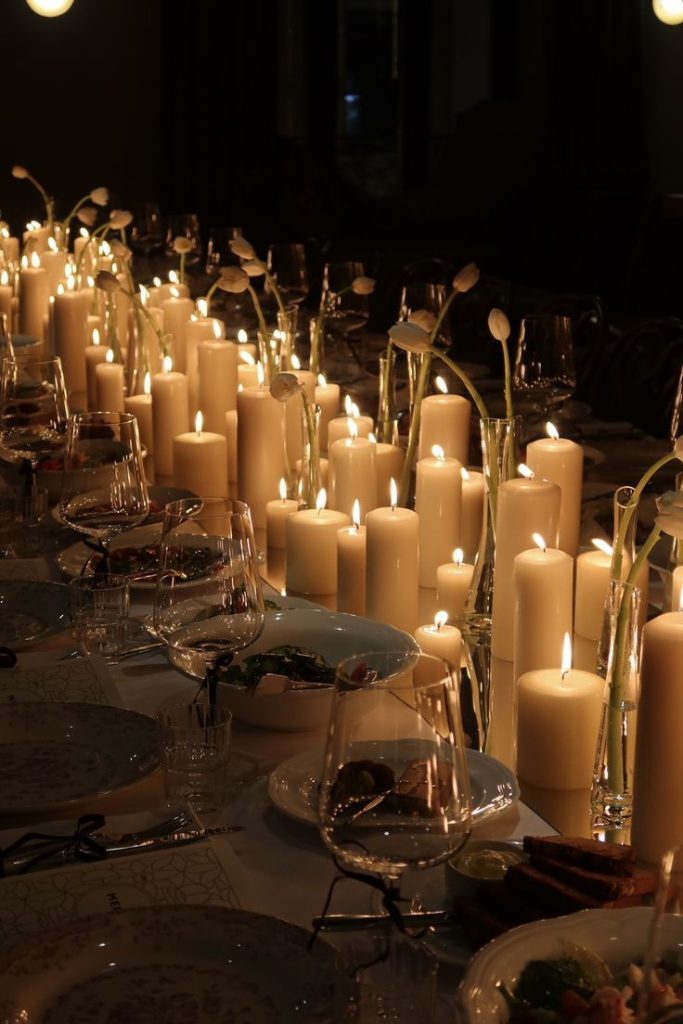
Luxury entertaining isn’t necessarily about extravagance. More often, it’s the thoughtful details—a beautifully laid table, cherished heirloom serving pieces passed down through the family or a jug of just-picked garden blooms—that make guests feel truly welcomed.
Keep the Menu Simple
One of the biggest mistakes hosts make is choosing recipes that require constant attention. Instead, opt for dishes that can largely be prepared ahead of time, allowing you to spend the evening at the table rather than standing over the stove.

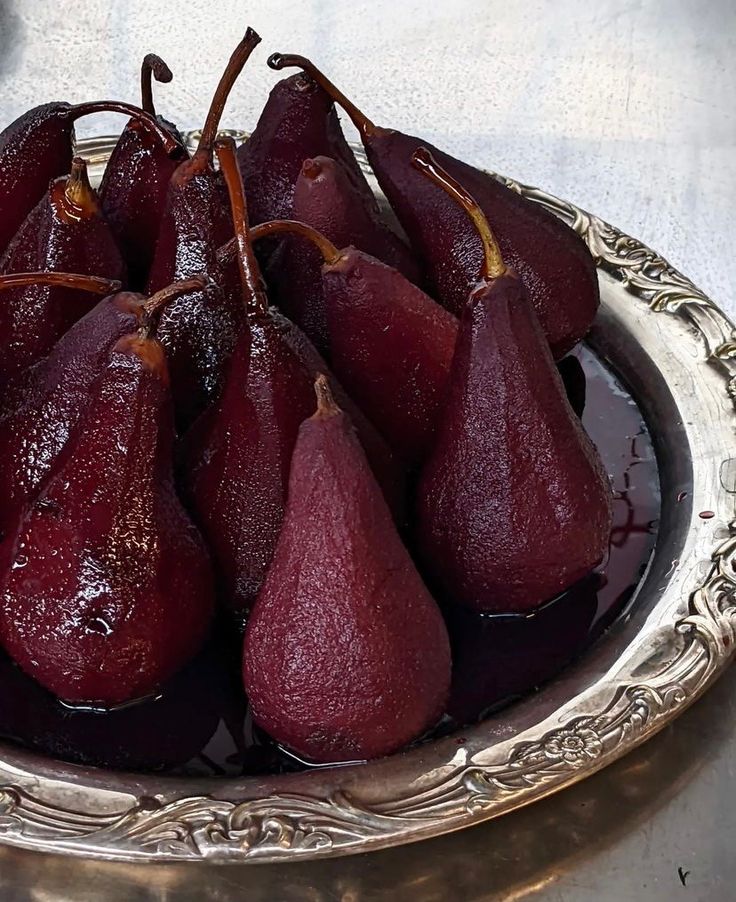
Sharing platters, seasonal salads, slow-cooked dishes and desserts made the day before not only reduce stress but also create a more relaxed style of dining, encouraging guests to help themselves and enjoy the experience together. There is something quietly luxurious about this kind of slow, shared dining—dishes passed from hand to hand rather than plated in the kitchen, the meal itself becoming an invitation to linger a little longer at the table.
Don’t Chase Perfection
No gathering is ever completely flawless, and that’s often what makes it memorable. A slightly overcooked dessert or a forgotten garnish will rarely matter, but a host who feels relaxed and present will always leave a lasting impression.
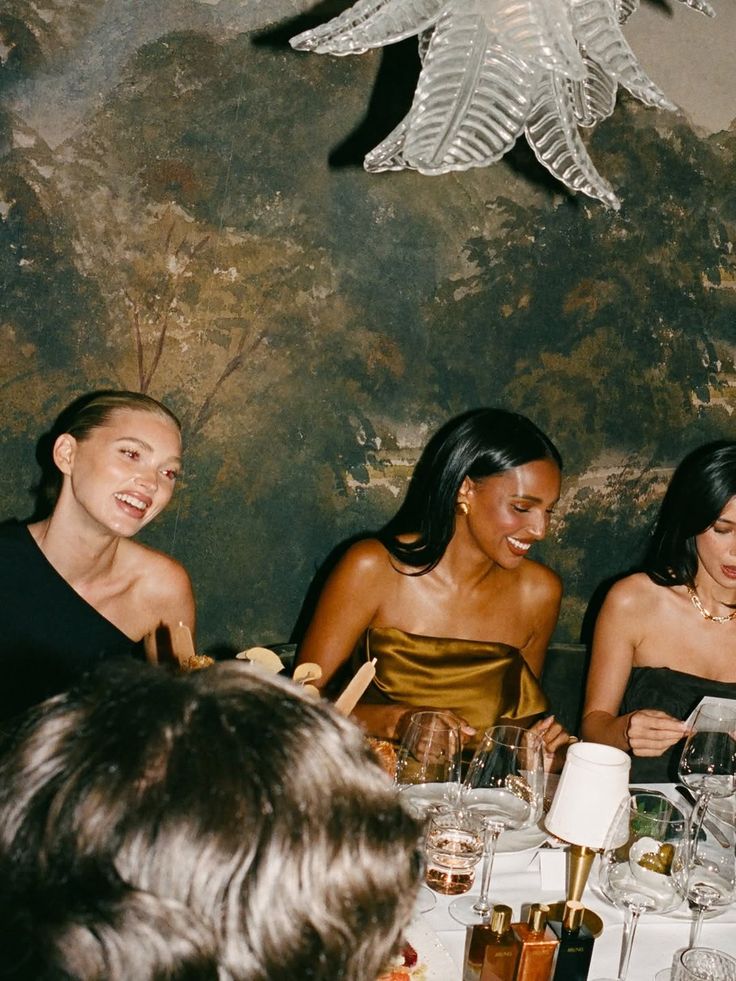
Rather than apologising for small imperfections, focus on making guests feel comfortable. Warm conversation, genuine hospitality and an easy-going atmosphere will always outshine perfection.
The Finishing Touches
The smallest details often have the greatest impact. Freshly cut flowers from the market, candles scattered across the table, handwritten place cards or drinks served in beautiful glassware instantly elevate even the simplest gathering.
These thoughtful touches don’t need to be expensive—they simply show care. When every element has been considered, however understated, guests instinctively feel valued and welcomed.
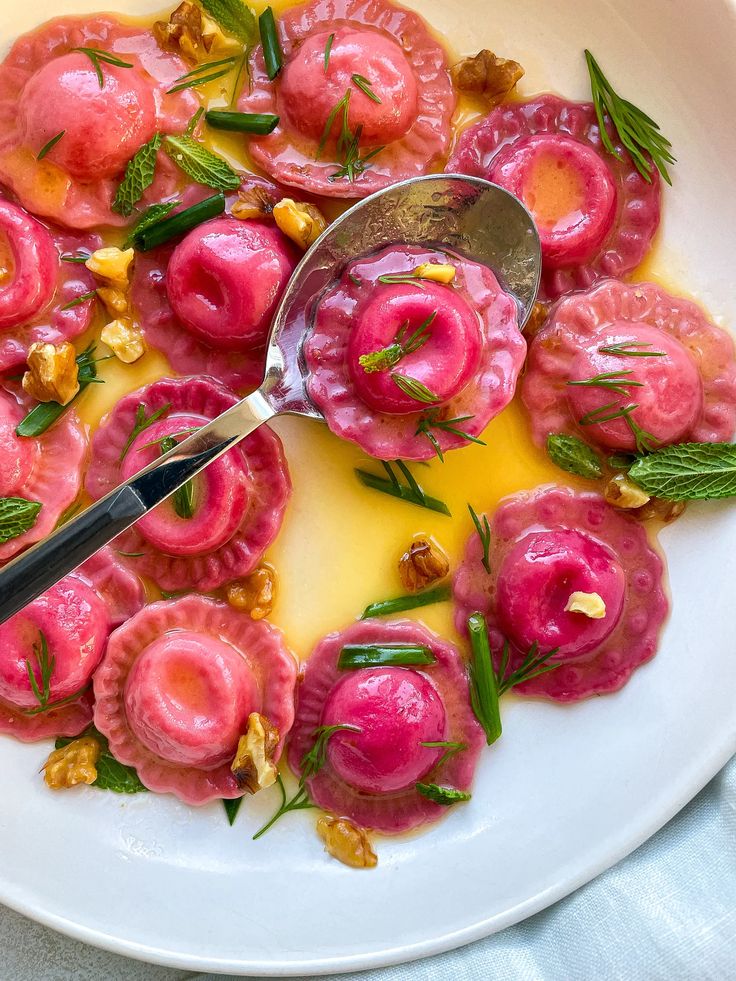
Hosting Is About Connection
At its heart, entertaining has never been about creating a flawless evening. It’s about bringing people together, encouraging meaningful conversation and making everyone feel at ease—including yourself. By preparing ahead, embracing simplicity and focusing on atmosphere rather than perfection, hosting becomes far less stressful and far more enjoyable.

After all, the most unforgettable gatherings aren’t remembered because everything went according to plan. They’re remembered because everyone left feeling welcome, relaxed and already looking forward to the next invitation.
By Sayhrah Noor Asif-Ali