


WORDS BY LILA SAIFAEI
Summer holidays bring to my mind the halcyon days of youth, evoking that feeling of excitement that school’s out (‘no more pencils, no more books’), as well as the anticipation of being elsewhere.
Elsewhere was always Japan growing up, spending the three summer months in my mother’s hometown of Fukuoka. The country is currently having a moment, with tourists descending upon Tokyo and Kyoto, but Fukuoka, found on the westernmost of Japan’s four main islands, remains lesser known.
Also currently having a moment is nostalgia. When the world feels off-kilter, or too fast-paced or uncertain, nostalgia provides that balm for the soul, with comfort and familiarity providing the opportunity to recalibrate. Or so I thought.
After an extended period of being unable to travel to Japan – Covid rules were especially strict – I touched down in Fukuoka, and at first was greeted with familiar sights, smells and sounds. The polite taxi driver in white gloves in an old but spotlessly clean car, the omnipresent vending machines and convenience stores (kombini) that power the country, the melodies used at zebra crossings to indicate that it’s safe for pedestrians to cross. Even the concentrated smell of ramen broth at Hakata Station brings with it nostalgia – simultaneously off-putting and offering a sense of place. Welcome to Fukuoka.
It’s a homecoming of sorts, yet changes abound. My favourite vegetable-forward restaurant that celebrates local produce? Gone. The IMS building home to my favourite boutiques? Demolished. The rice paddy near my grandparents’ home? Now a massive pharmacy. And when did these global brands creep into the city? International coffee chains and fast-fashion brands abound, the ubiquitous consumerism all the more conspicuous.
Cue my indignation – how dare the city change in my absence? But this is meant to be a summer holiday, so I put my confusion aside and celebrate Fukuoka in its summer glory.
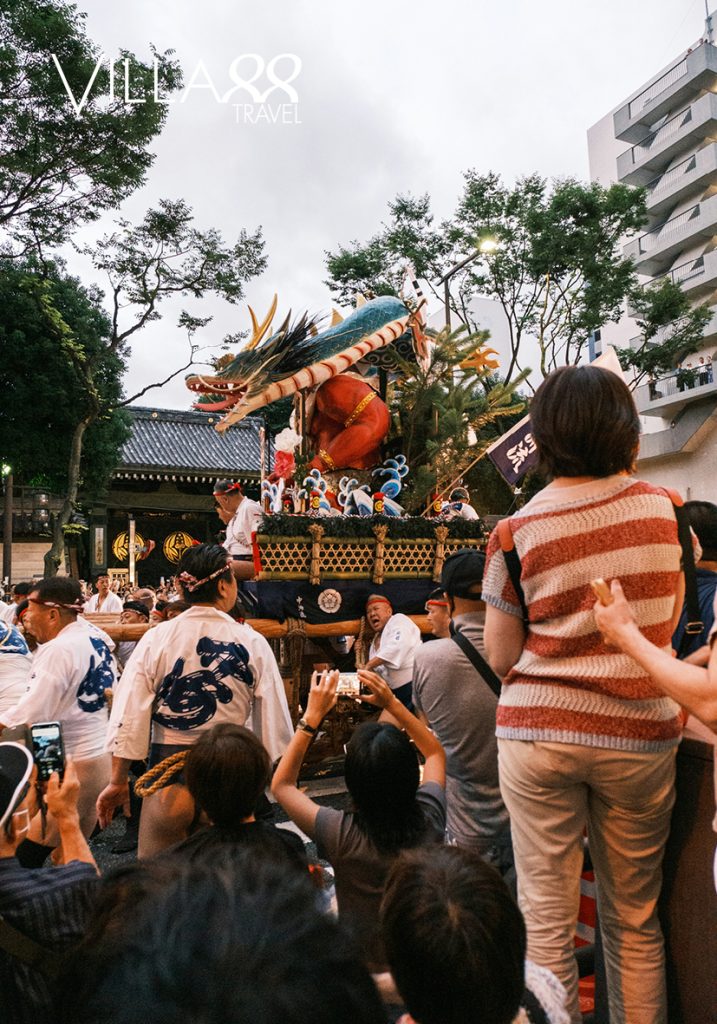
I cheer on the Hakata Gion Yamakasa festival. This seven-century-old tradition is a cultural spectacle where men carrying heavy, ornately decorated floats race each other. The energy and raw power attract spectators from all over Japan, so expect to line up early to get a glimpse of the participants.
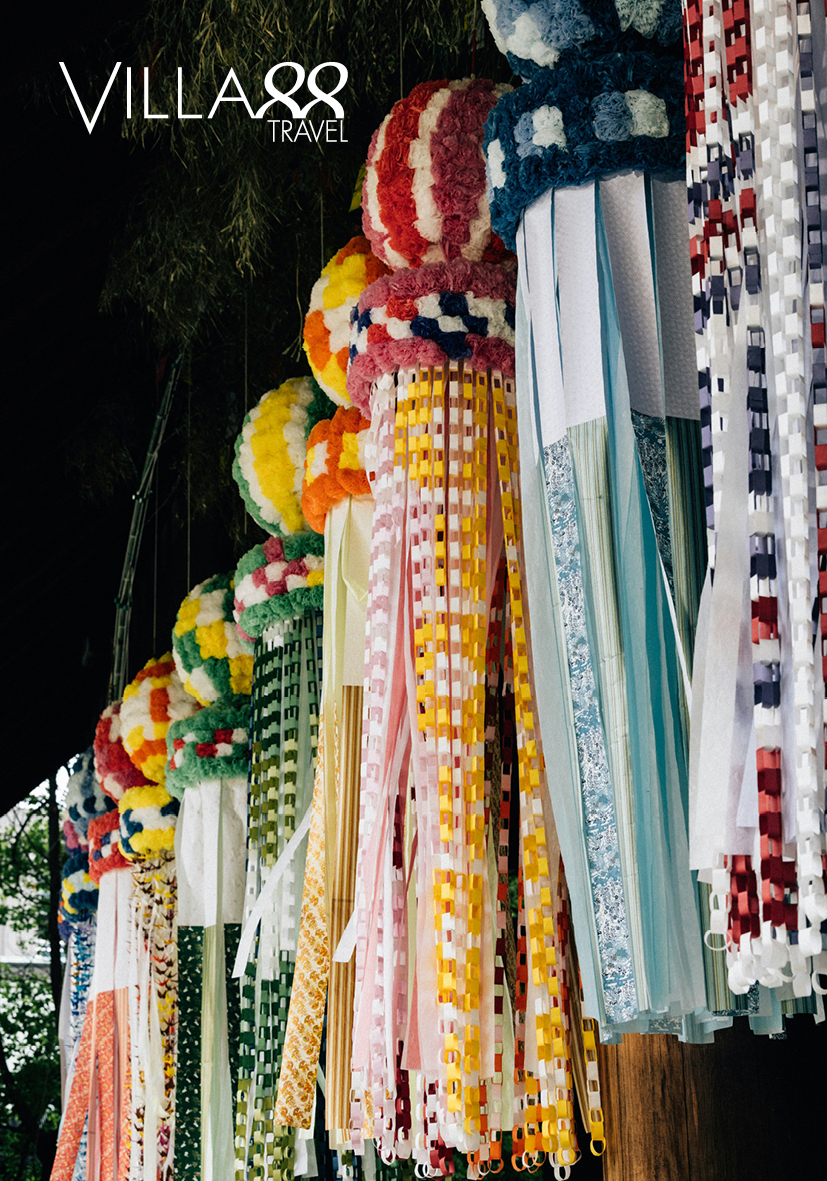
I commemorate the bitter-sweet romance of Tanabata (‘Evening of the Seventh’), with its colourful strips of paper onto which we pen down our hopes and wishes, then tie them onto bamboo trees for all to see. As legend has it, the seventh day of the seventh lunar month is the one day that lovers Orihime and Hikoboshi, separated by the Milky Way throughout the rest of the year, may reunite.
I relive my childhood and dress the part to join a fireworks festival. Women wear cotton yukata in pretty prints and big obi sashes. I bite into juicy watermelon slices, sprinkled with salt to enhance their natural sweetness, gazing up into the heavens as I wait for the show to begin. Then I brave the public transport to get back home – queuing politely, of course.
I escape the bright city lights to the inaka, or countryside, where dragonfly-spotting during the day gives way to firefly-spotting at dusk – ever fleeting, providing vestiges of light alongside the gurgling and gushing of freshwater streams. At night, I lie down on the futon, the woody perfume of the tatami floor lingering, while the cicadas sing their nightly countryside lullaby.
The Japanese are proud of their four seasons, which define what they do, eat and wear. Summers bring ice-cold somen noodles, chilled barley tea, barbecue, and shaved-ice desserts to cool off.
Warm weather brings forth fruit and veg in all their summertime glory – crunchy cucumbers, fresh edamame, the ripest peaches, and the sweetest Yūbari melons – the latter in my top 10 foods of all time.
Mom-and-pop produce stores are increasingly hard to find within the city, yet the pride that farmers place in their product remains – you’ll often see their photos on packaging, a reminder of the very human element of food cultivation.
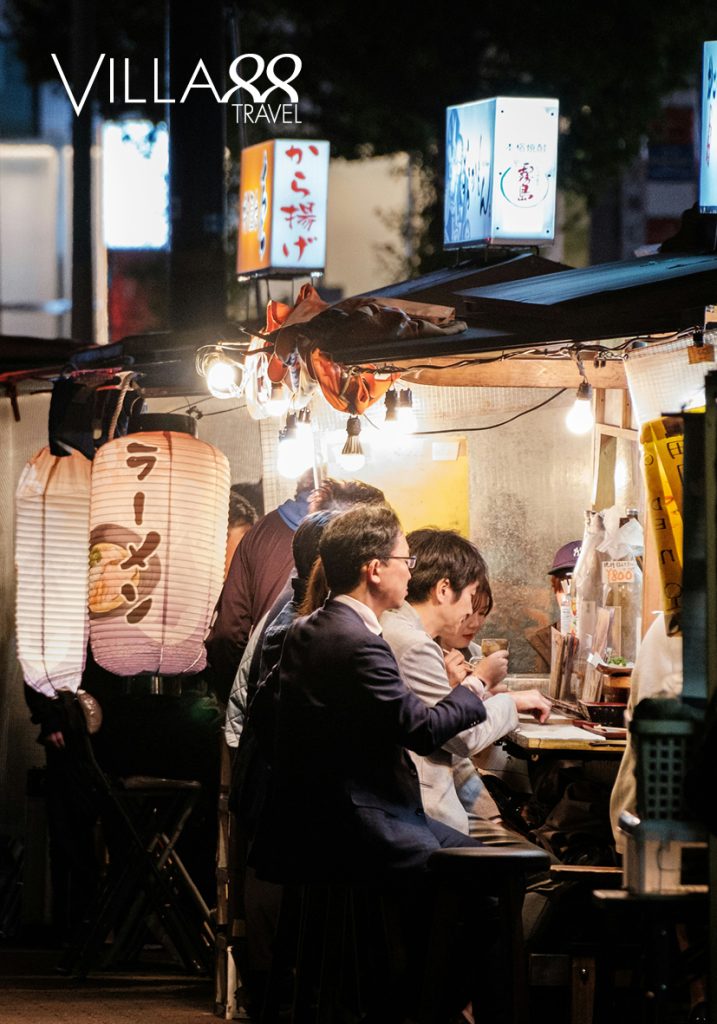
In Fukuoka’s renowned ‘yatai’, food stalls are set up daily in the late afternoon to welcome the post-work crowd. The mouth-watering smell of sweet soy sauce being basted on grilled unagi, or eel, wafts along the Nakasu River, enticing people to pause, sit, and savour a meal regardless of the night’s humidity.
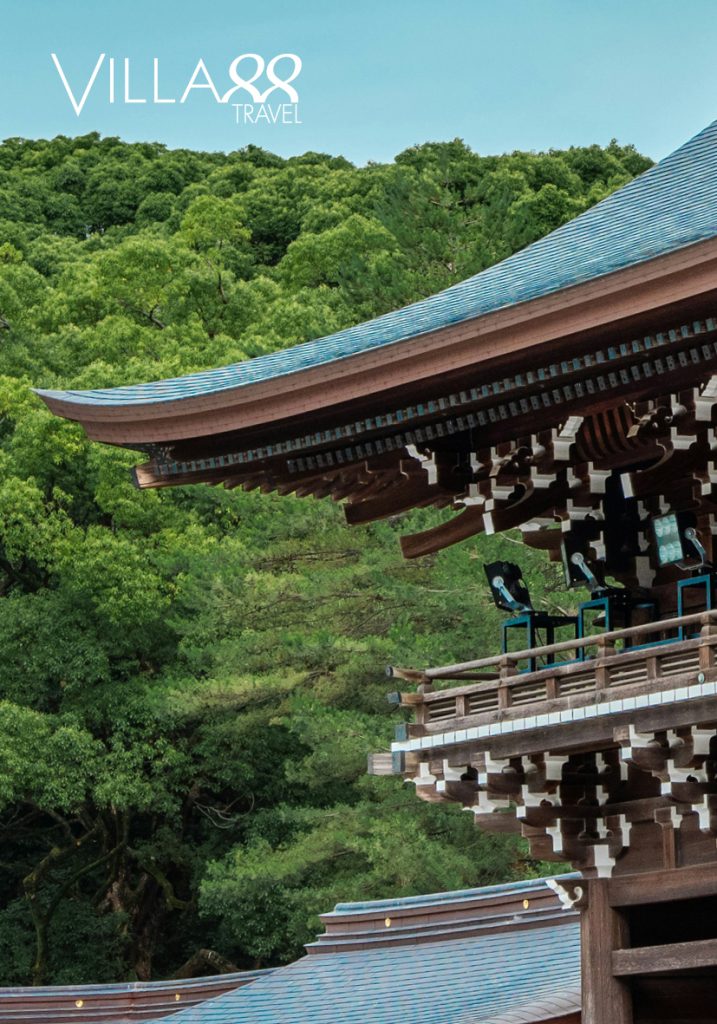
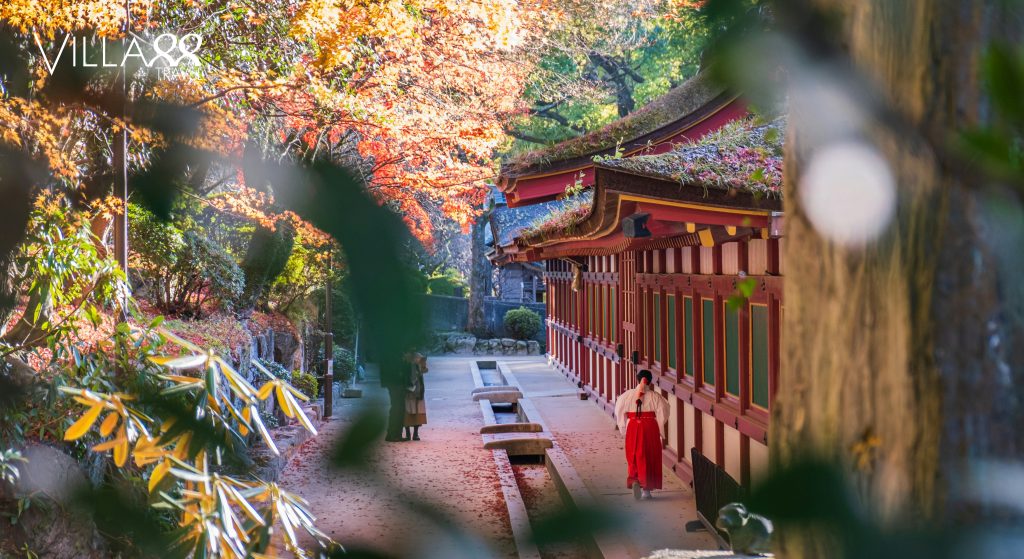
For reflection, Kōmyōzen-ji in Dazaifu is a sanctuary. This zen temple, sometimes called ‘koké dera’ or moss temple, is home to a traditional stone and moss garden – the ideal place to sit, reflect, and admire the harmony of nature.
The garden is resplendent in autumn, the Japanese maple leaves turning red, yellow, brown. It is less showy in summer, but look closely and you can admire the different hues of green and breathe in its stillness.
I walk the footsteps of my memories – seeking familiarity, inspecting for change – but as I walk up Dazaifu to the Tenman-gū shrine amidst plum blossom trees, I accept that as I live and change, so does the city. Each time I visit, an increasingly different version of me meets an increasingly different version of Fukuoka. Perhaps a gentle reminder not to leave too long of a gap between visits lest we one day cease to recognise each other.
And all too soon, I’m homeward bound, cabin crew greeting passengers in English and Arabic as we board the Emirates flight back to Dubai. With a suitcase heavy with my long-time favourites, and a heart replete with both old memories made new as well as fresh perspectives, I mull over my trip. Part retrospection. Part holiday. Part planning the next visit.