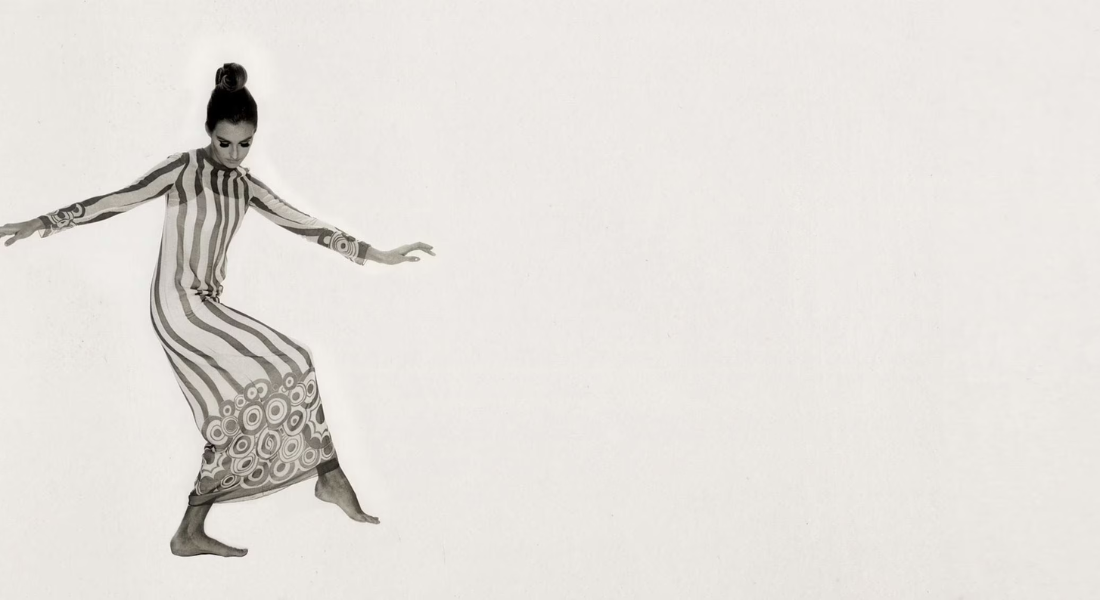



Luxury has always been rooted in place. Italian leather craftsmanship, French couture and British tailoring have long drawn their identities from the regions in which they were created, with heritage remaining one of the defining characteristics of the world’s most respected fashion houses. Yet as luxury brands continue to expand globally, serving increasingly diverse audiences, a new conversation has begun to emerge: how can a global brand remain universally recognisable while also feeling deeply relevant to the people and places it serves?
The answer may not lie in creating entirely separate collections for different markets, but in embracing thoughtful localisation. Rather than changing a brand’s identity, subtle adaptations that reflect regional lifestyles, climates and cultural moments have the potential to make luxury feel even more personal.
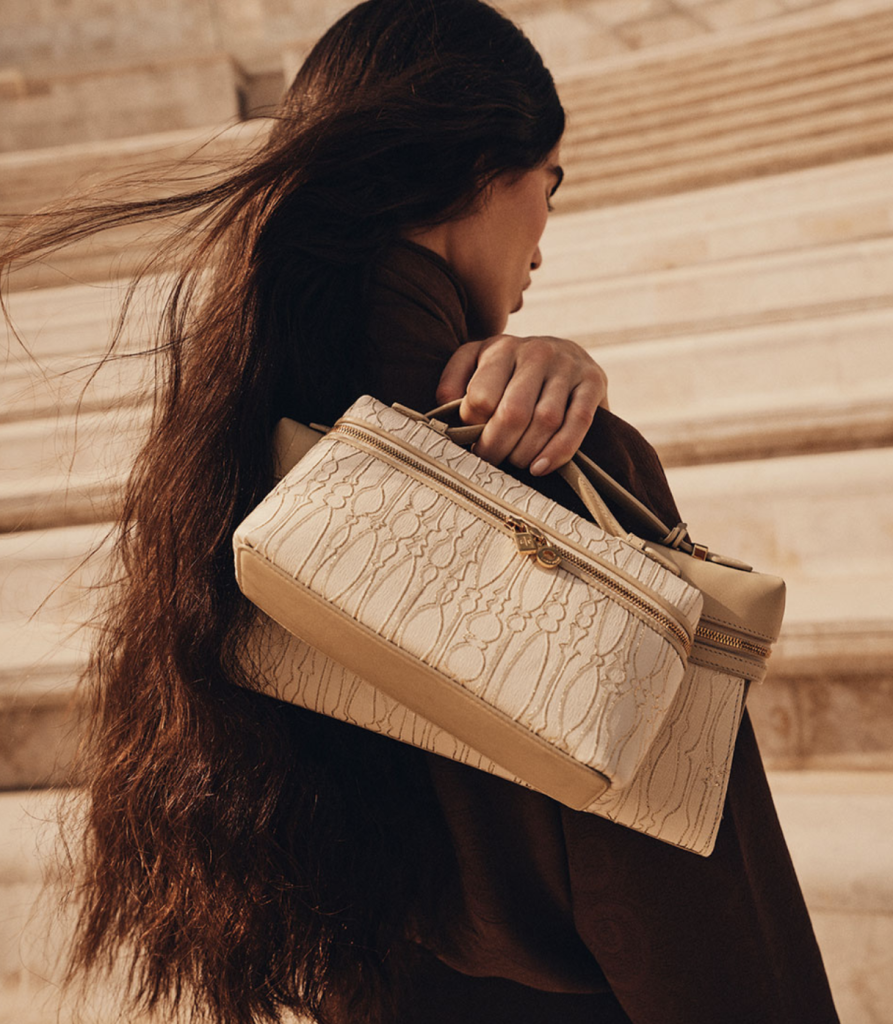
The Middle East offers a compelling example. Today, the region is one of the world’s most influential luxury markets, with consumers who appreciate exceptional craftsmanship while also navigating lifestyles shaped by warm climates, international travel, cultural celebrations and a vibrant social calendar. Increasingly, many luxury houses are recognising these nuances through exclusive Ramadan capsule collections, curated Eid edits and campaigns created specifically for the region. Rather than treating the Middle East as simply another retail market, these initiatives acknowledge the cultural moments that matter most to local clients while remaining true to each brand’s established identity.
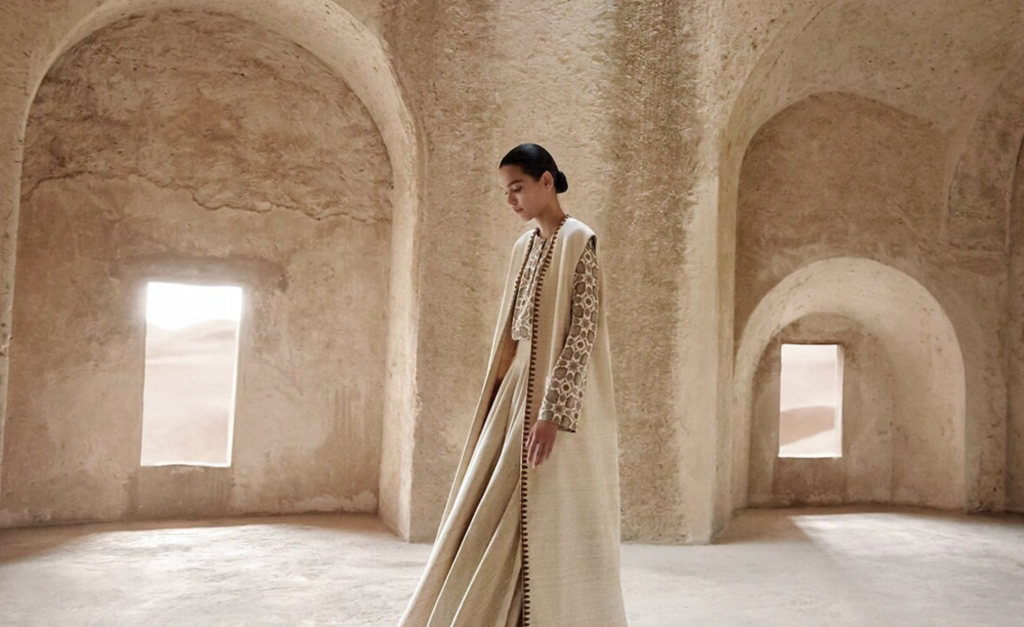
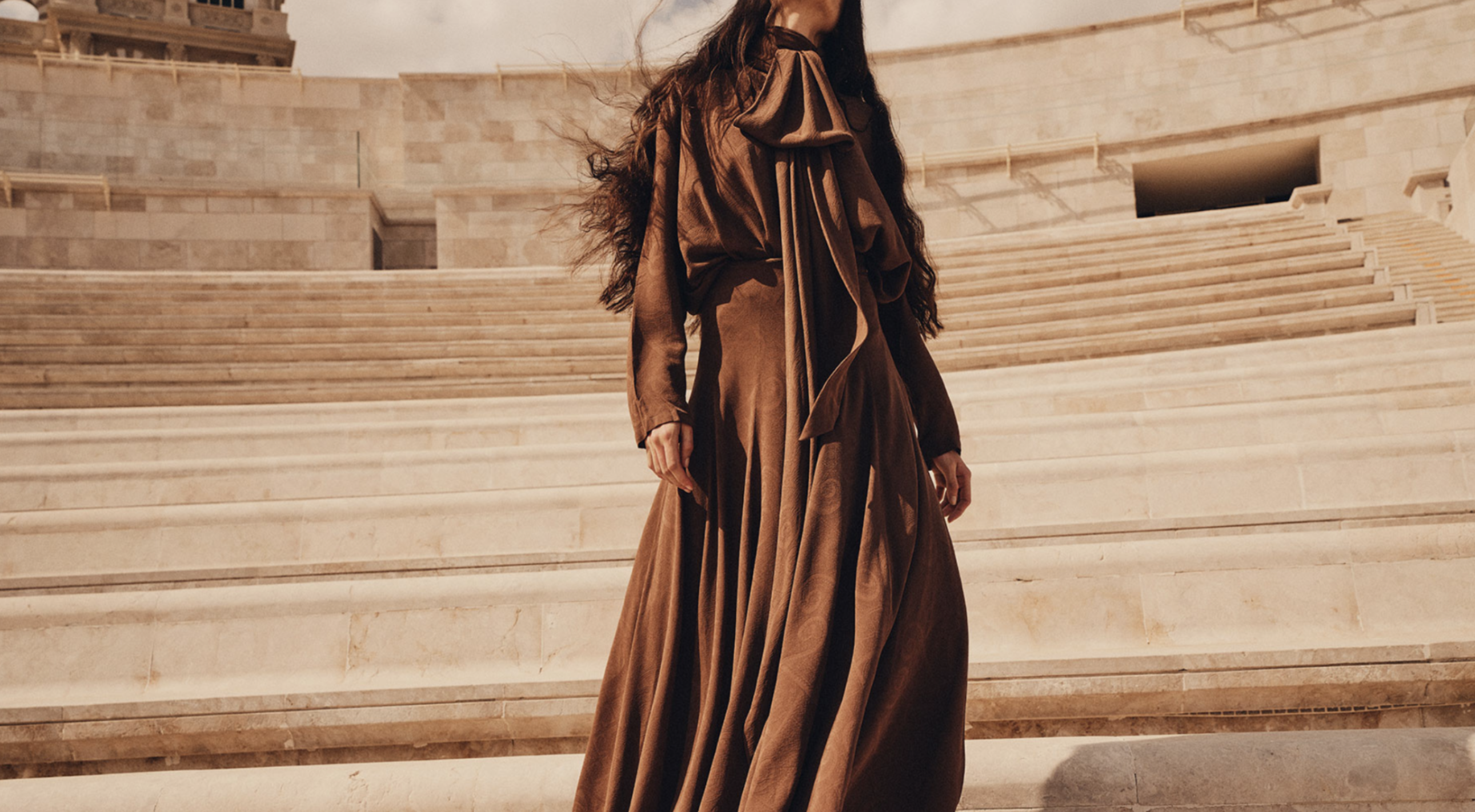
What makes these initiatives successful is that they rarely abandon the essence of the brand. Instead, they reinterpret an existing design language through a regional lens. Flowing silhouettes, lighter fabrics suited to warmer climates and elegant eveningwear designed with regional lifestyles in mind all demonstrate how subtle adaptations can feel both authentic and luxurious. The result is not a different identity, but a more meaningful expression of the same one.

This approach extends beyond fashion itself. Luxury brands are increasingly investing in local storytelling through regional ambassadors, collaborations with artists and creatives, thoughtfully designed boutique experiences and exclusive client events. These initiatives demonstrate that localisation is not simply about creating products—it is about creating connections. By recognising the individuality of different markets, brands reinforce the idea that luxury is as much about culture, community and storytelling as it is about craftsmanship.
Perhaps this reflects a broader shift in what consumers now expect from luxury. Today’s clients are looking for more than beautifully made products; they are seeking experiences that feel considered and personal. They value authenticity over novelty and are increasingly drawn to brands that demonstrate an understanding of the places and cultures in which they operate. In this context, thoughtful localisation becomes less of a marketing strategy and more of an extension of exceptional service.
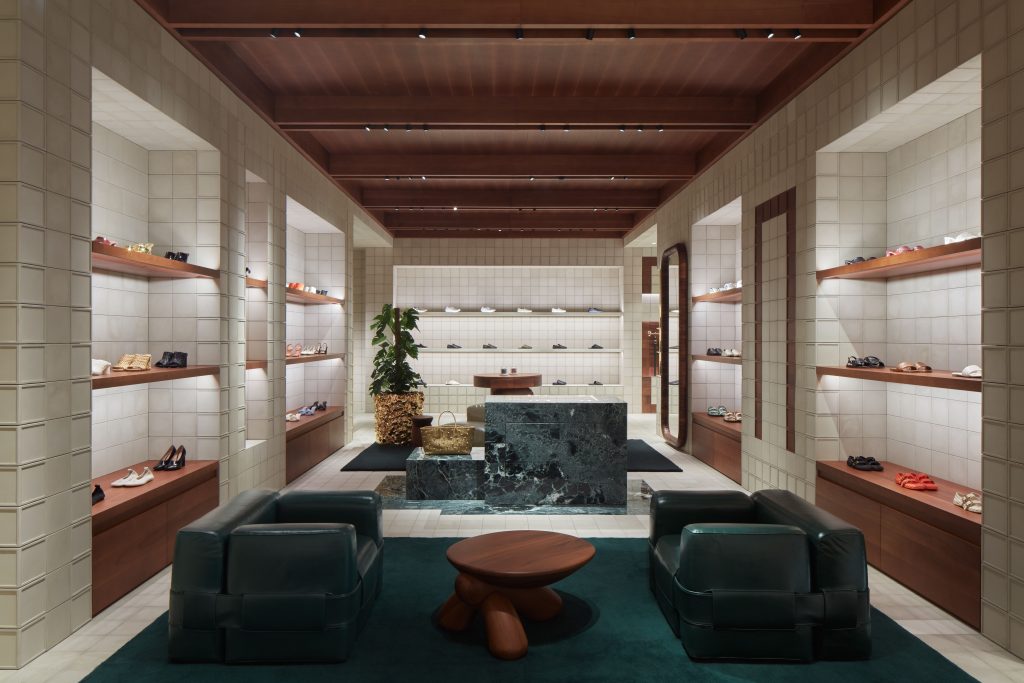
Of course, there is a careful balance to strike. Luxury brands have spent decades building distinctive identities that transcend borders, and their global recognition is part of their enduring appeal. Regional adaptations should therefore complement a brand’s heritage rather than dilute it. The strongest examples are those that feel genuine, celebrating local culture with sensitivity and respect while remaining unmistakably true to the house’s DNA.
Luxury has always been at its most compelling when it tells a story. As brands continue to grow across the world, thoughtful localisation offers an opportunity to make that story feel even more personal. Rather than changing what makes a fashion house iconic, designing with different cultures, climates and communities in mind has the potential to deepen its connection with the people who wear it. In the future, perhaps the most successful luxury brands won’t be those that look the same everywhere, but those that understand how to feel at home anywhere.
By Sayhrah Noor Asif-Ali