



When Costa Tomazos founded FoodFund International in Dubai 21 years ago, the restaurant landscape was vastly different from today. What began as a single branch of the now-iconic South African-inspired steakhouse The Meat Co. at Souk Madinat Jumeirah has since evolved into one of the region’s pioneering homegrown hospitality groups. Costa’s son, Johnny Tomazos, followed in his father’s footsteps, taking over the brand in 2007 and steering the company into a new era of expansion.
Two decades later, FoodFund International boasts an impressive portfolio of 15 distinct restaurant brands, each with its own identity.
The original Meat Co. location has grown into a Dubai dining institution, while newer concepts – such as Clay, Ristorante Loren, San Beach, and Taverna – continue to set benchmarks for originality and excellence.
“I think what stands the test of time is doing multiple things correctly to begin with,” Johnny explains. “The first is about having the right location. Number two is consistency and being quality-focused, having a long-term view and efficient decision-making. But the most important thing – and, I think, the reason for our success – is people. We believe we are a people business – we just happen to be selling food. Our focus is on the culture of the people and having a family dynamic in the company.”
Many of the staff have been with the company for up to two decades, a rarity in an industry known for its transient workforce. This deep-rooted sense of loyalty and family is what sets FoodFund International apart in a market in which restaurant concepts can be as fleeting as trends.
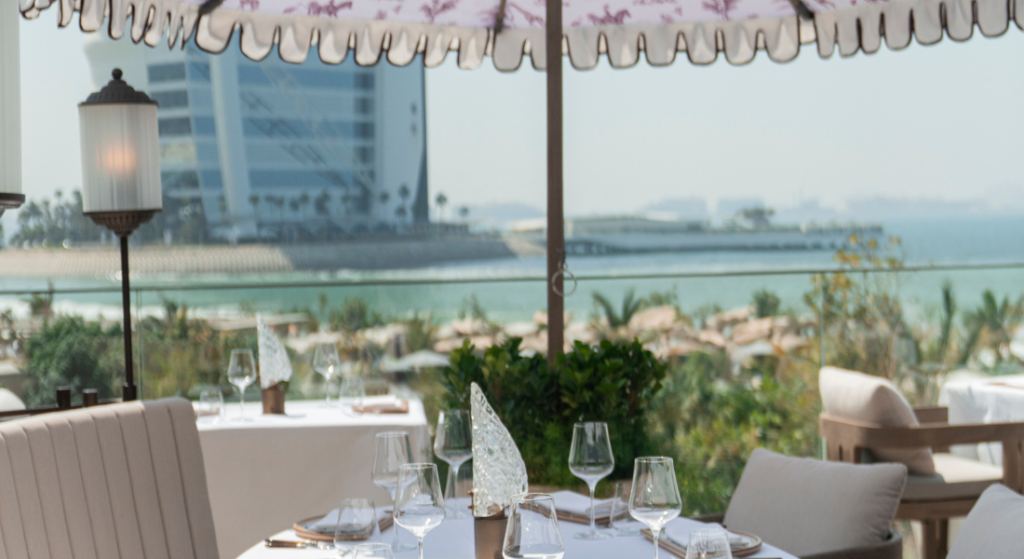
April marked the launch of the group’s latest venture, The Cullinan, at the newly opened Jumeirah Marsa Al Arab. Overlooking the ocean and offering breathtaking views of the Burj Al Arab, this steakhouse is poised to become a standout in Dubai’s competitive dining scene – but its location is only the beginning. “We always start with the location and try to build the concept around that. It’s like creating a bespoke suit,” Johnny says. “This gives us flexibility with landlords, because they can also come to us with a location and try to match the right concept to it, creating it from scratch.”
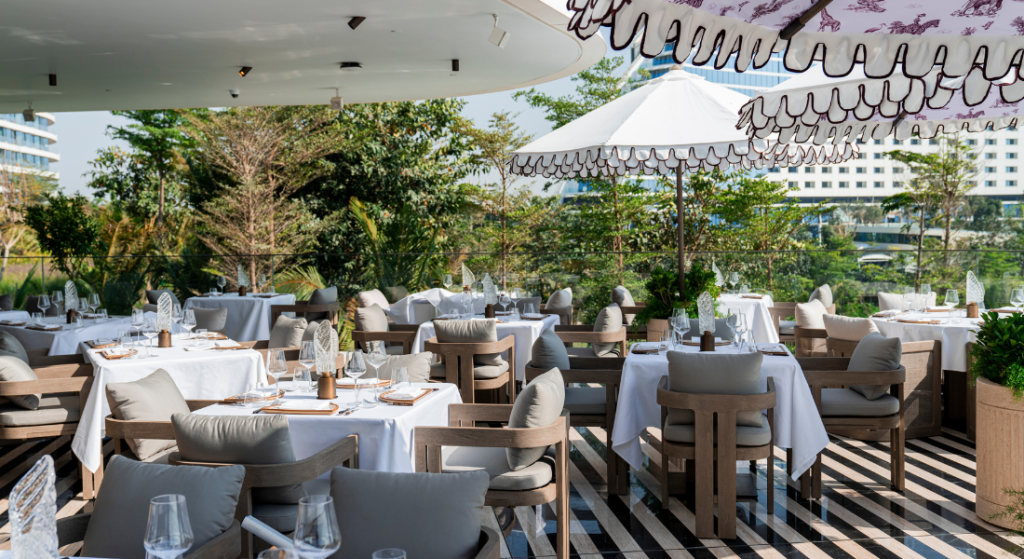
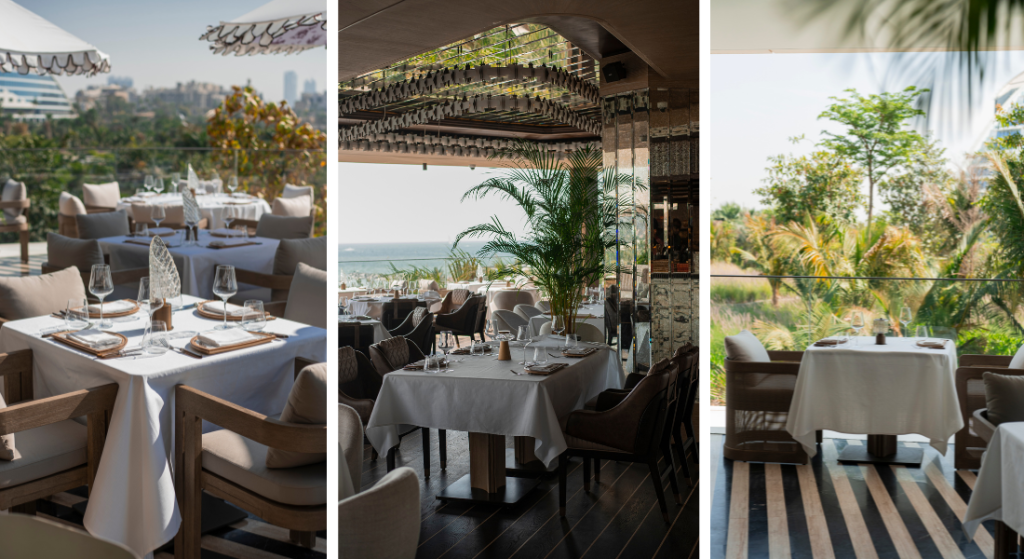
Every detail at The Cullinan, from the design to the setting, the food, and the furniture, was tailor-made to create the perfect fit. “Steakhouses have a connotation of being very masculine and very heavy,” Johnny says. “But we took the design of the hotel into consideration and went for a very minimal, luxurious approach.”
This isn’t your average steakhouse. “Everything is bespoke,” Johnny affirms. “We’re not reinventing the steakhouse, although we do have a number of non-traditional dishes on the menu. The difference is that everything is made in-house. From the sauces to the bread to the butters (all 12 variations) – everything is homemade, and that really sets us apart.”
Steaks at The Cullinan are cooked on a charcoal grill, and there is a distinct sense of understated luxury, but also a welcoming atmosphere.
With Dubai’s F&B sector continuously expanding, there are undoubtedly challenges. “The biggest may be re-innovating and staying relevant,” Johnny reveals. “It’s a pressurised role with lots of moving parts. As the company gets bigger, things become more intense, and sometimes, if you’re not thick-skinned, that can be the challenging part of the business.”
As well as crediting his team with the company’s consistent success, Johnny says remaining humble has helped over the years, especially through uncertain times, like during COVID. “You have to have a strong vision, and you can’t be too sensitive because this industry can humble you very quickly,” he shares.
But overall, the outlook is hugely positive. “The UAE’s food and beverage industry is undoubtedly flourishing, and looking ahead, there are many opportunities to explore,” he says. “It’s always hard to assess what the future will be, but I think Dubai is outpacing any other region in terms of the offerings, quality of food, service standards and fit-out… the list goes on. It’s probably the most competitive landscape we’ve ever had in our history.”
However, such a booming scene also means there’s no time to relax. “I think people need to be cautiously optimistic – there could be an oversupply and I think the market is moving towards homegrown operators,” Johnny reveals. “There is an oversupply of big international brand names and I don’t think it is sustainable, because each city has its nuances. And as Dubai is finding its own identity, I think homegrown operators give that identity to it.”