


From wellness-driven spaces to AI-led urban planning, discover this year’s key architecture trends
Across the global design industry, architectural trends are shifting towards spaces that are more restorative and environmentally responsive, with architects increasingly balancing innovation, sustainability, and well-being. From AI-led planning and adaptive reuse to wellness-driven interiors and climate-conscious materials, today’s most influential trends reflect a broader conversation of how people want to live, work and connect with the spaces around them.
In the UAE, many of these movements are being accelerated at an ambitious scale. As cities like Dubai continue to position themselves at the forefront of future-focused urban development, architecture is evolving into a more holistic field. We reveal some of the architecture trends leading the industry today.
Regenerative Design
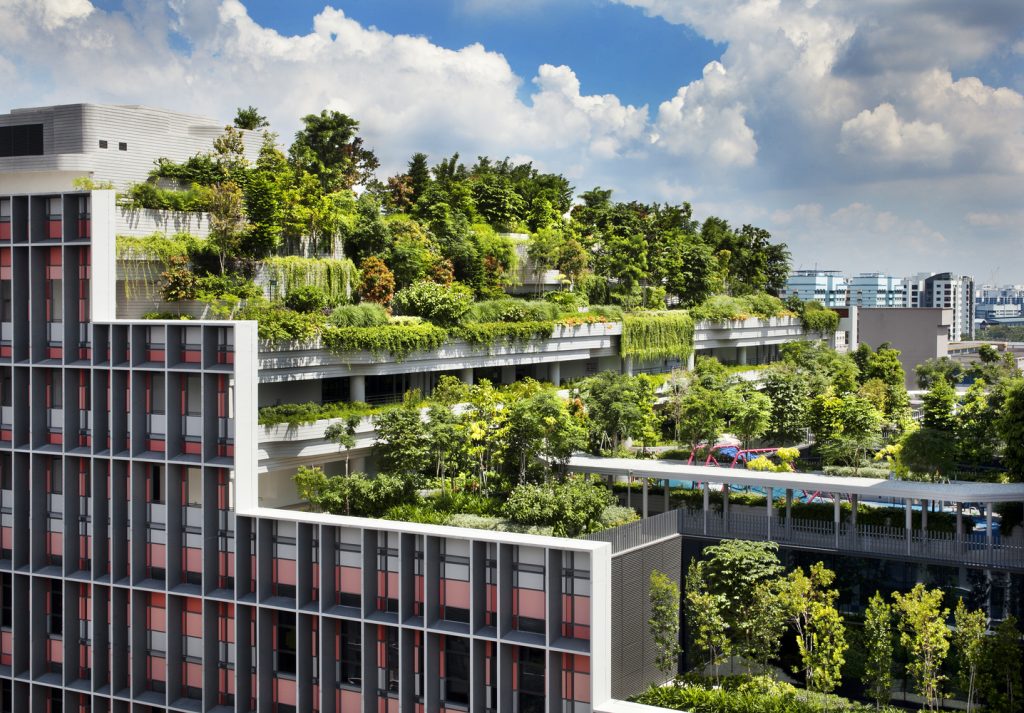
Architecture is moving beyond the idea of simply being sustainable towards regenerative design. Rather than reducing environmental harm alone, buildings are now being designed to actively restore and improve ecosystems through renewable energy systems, water conservation technologies and environmentally restorative materials. Increasingly, projects are expected to give back to the environments they occupy rather than simply exist within them.
Neuroarchitecture & Wellness
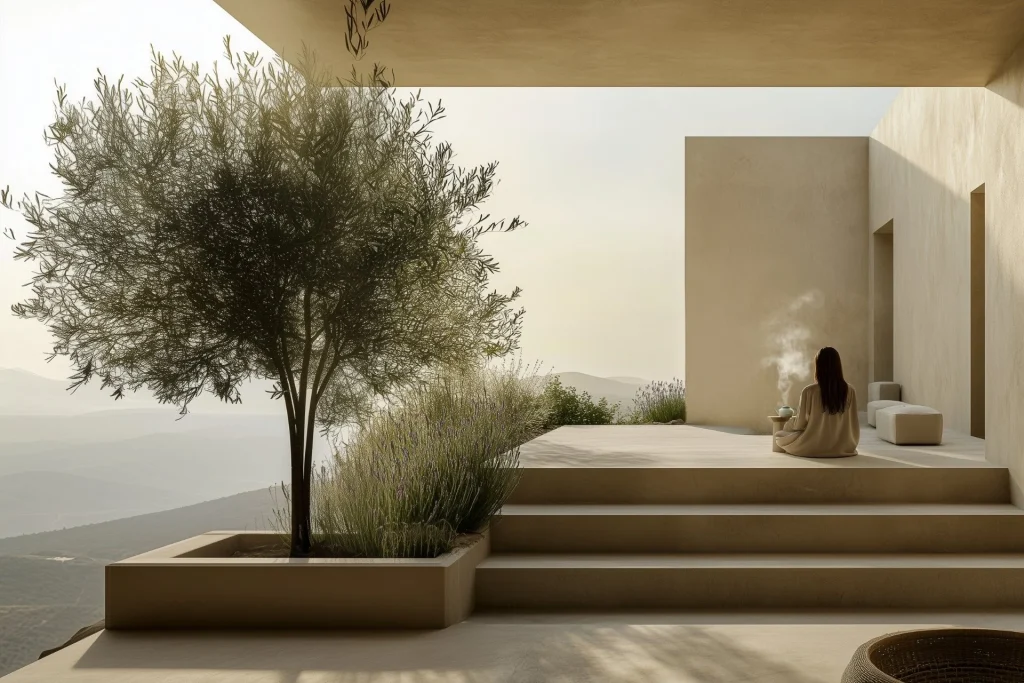
Wellness has become one of the defining priorities shaping contemporary architecture. Through neuroarchitecture, designers are paying closer attention to how spaces affect emotional and psychological wellbeing. Natural light, greenery, flowing water, soft organic textures and biophilic design principles are being integrated into homes, offices and hospitality spaces to create calmer, more restorative environments that support focus, productivity and overall wellbeing.
Mass Timber & Natural Materials
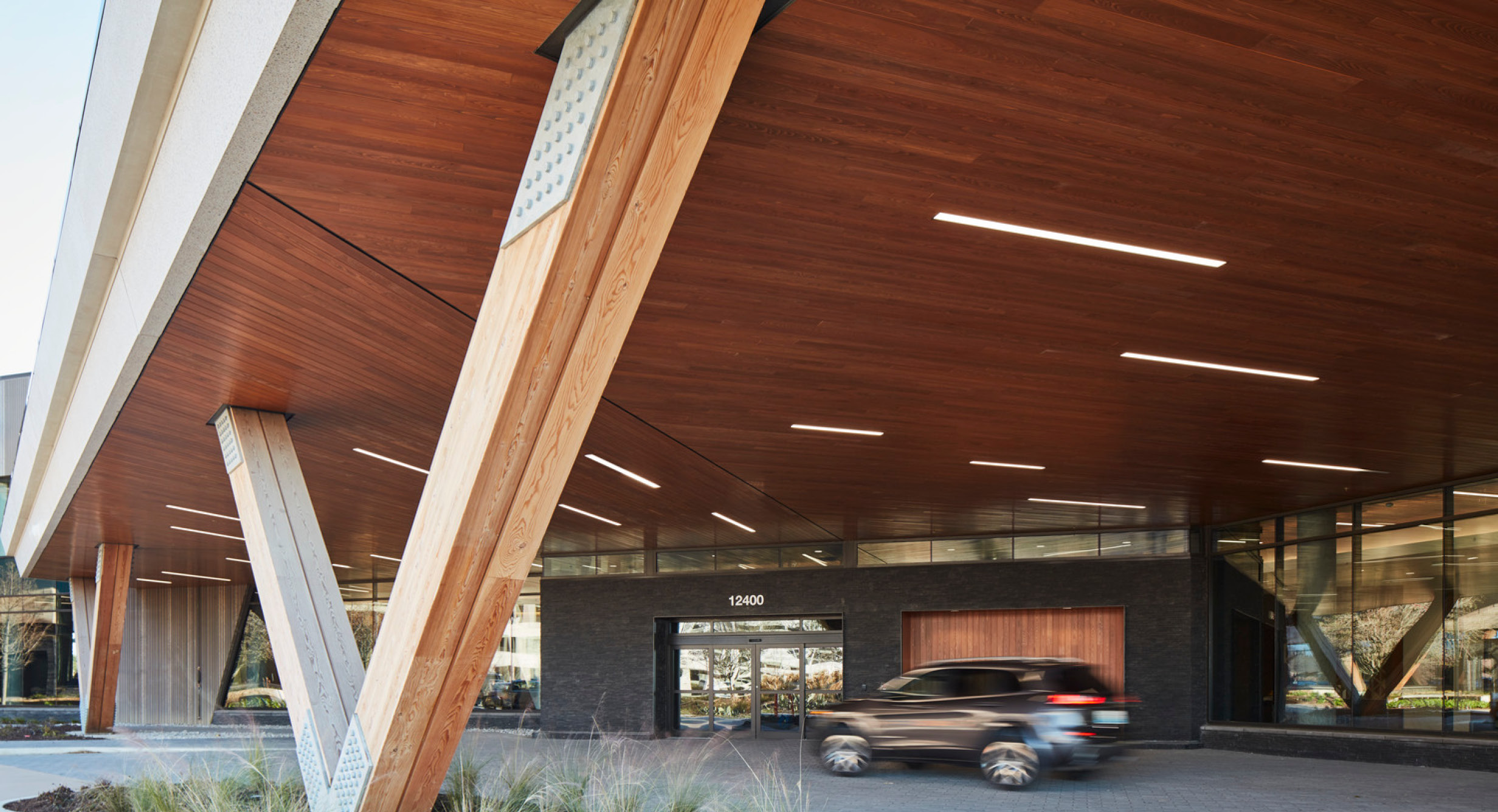
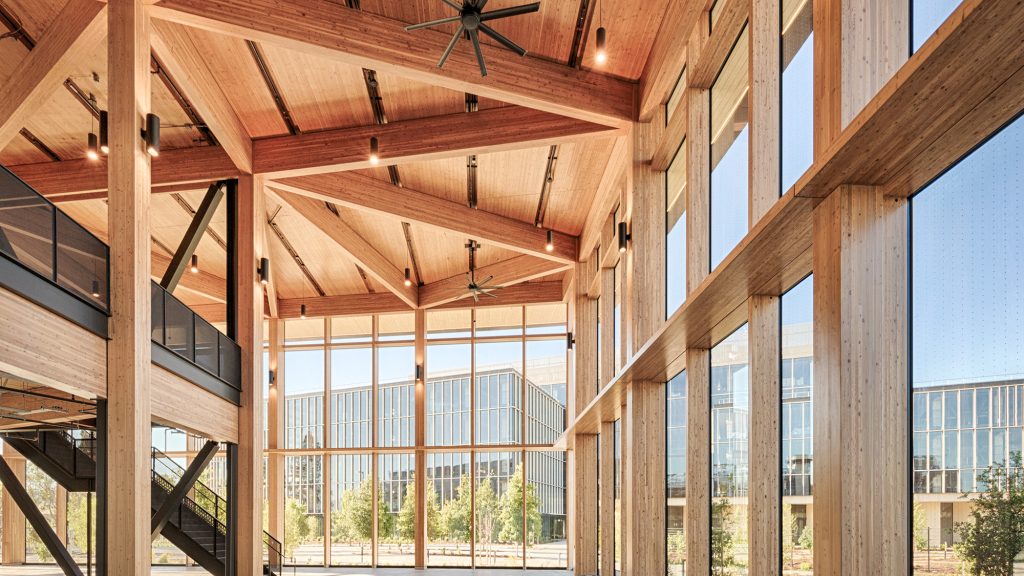
Material choices are also evolving significantly. Across both luxury and contemporary architecture, there is a growing preference for tactile, natural finishes and lower-impact construction methods. Timber-framed buildings, reclaimed dark woods, rammed earth and textured natural materials are increasingly replacing colder industrial palettes dominated by steel and concrete.
Adaptive Reuse
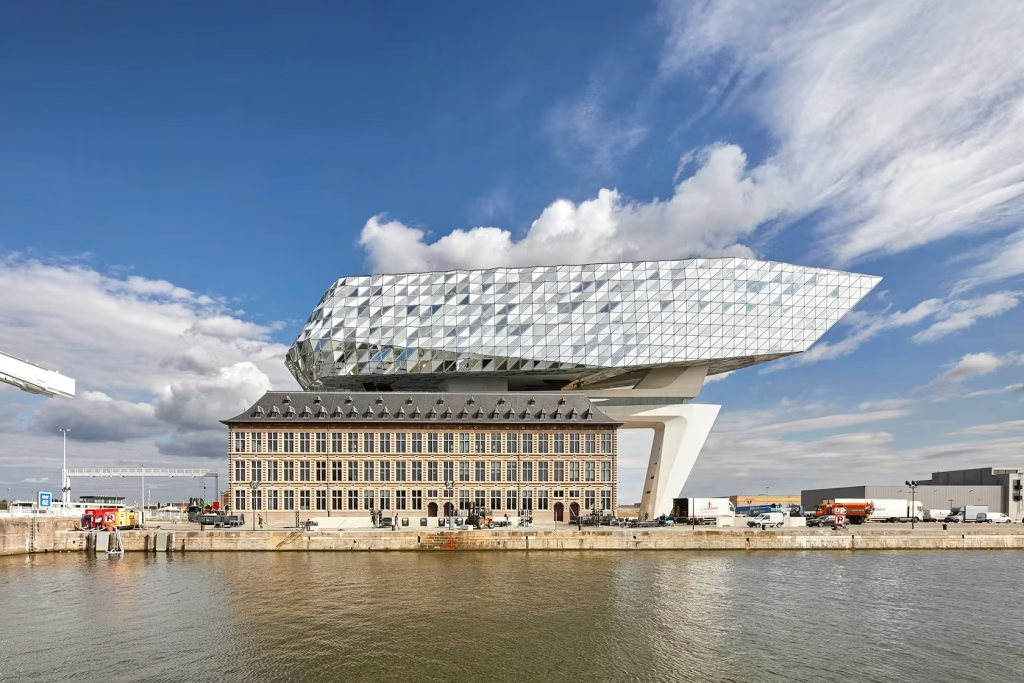
Adaptive reuse continues to reshape cities globally as architects transform existing buildings rather than demolish them. Former industrial sites, warehouses and ageing office towers are being converted into residential developments, hotels, galleries and mixed-use cultural hubs. This approach allows cities to preserve architectural heritage while reducing construction waste and creating spaces better suited to contemporary urban lifestyles.
Smart City Innovation
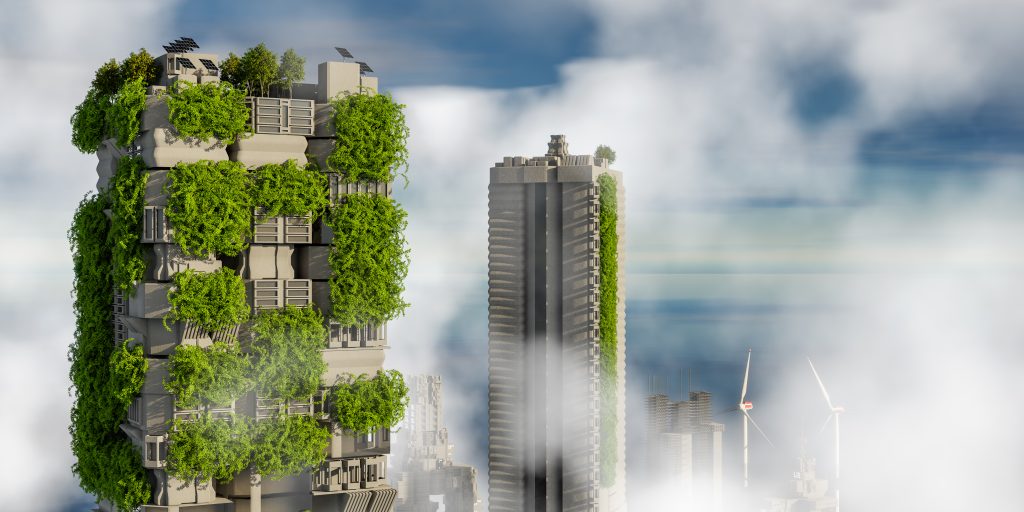
In the UAE, many of these global architectural shifts are being accelerated at a remarkable scale. Dubai continues to position itself at the forefront of smart city development through AI integration, energy-efficient systems, and 3D-printed architecture. Technology is increasingly embedded into projects from the earliest planning stages, creating highly connected and future-focused urban environments.
Desert-Adaptive Architecture
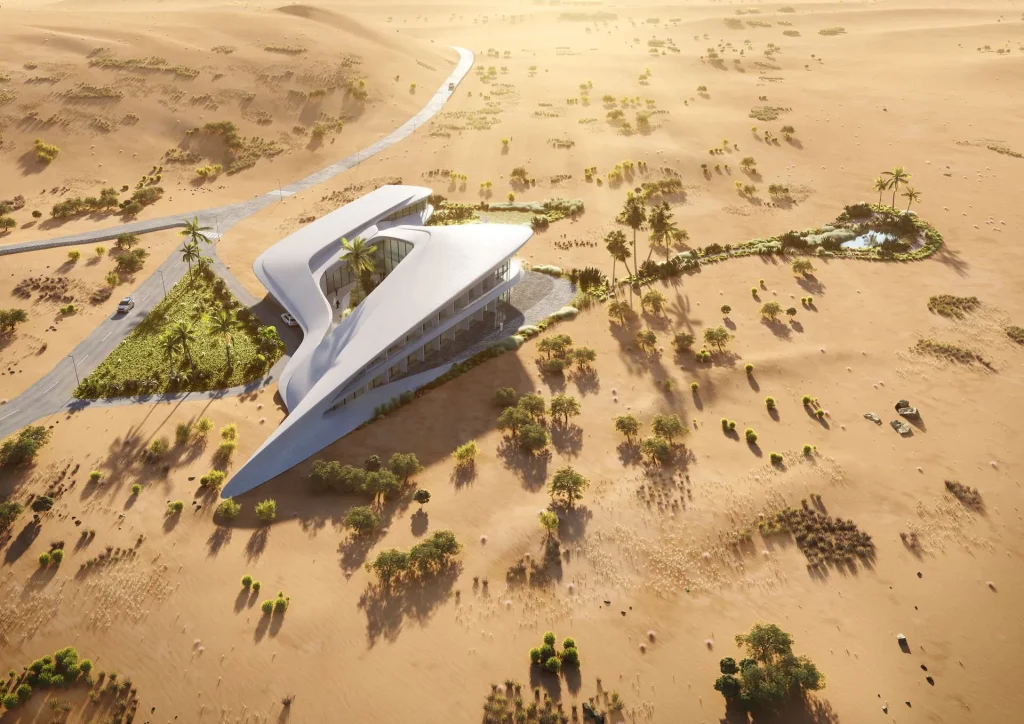
The region is also developing architecture specifically designed to respond to extreme climates. Across the UAE, new developments are incorporating passive cooling systems, solar integration and smart facades that adapt to heat exposure throughout the day. These climate-responsive solutions are helping reduce long-term energy consumption while creating more comfortable and efficient living environments suited to desert conditions.