


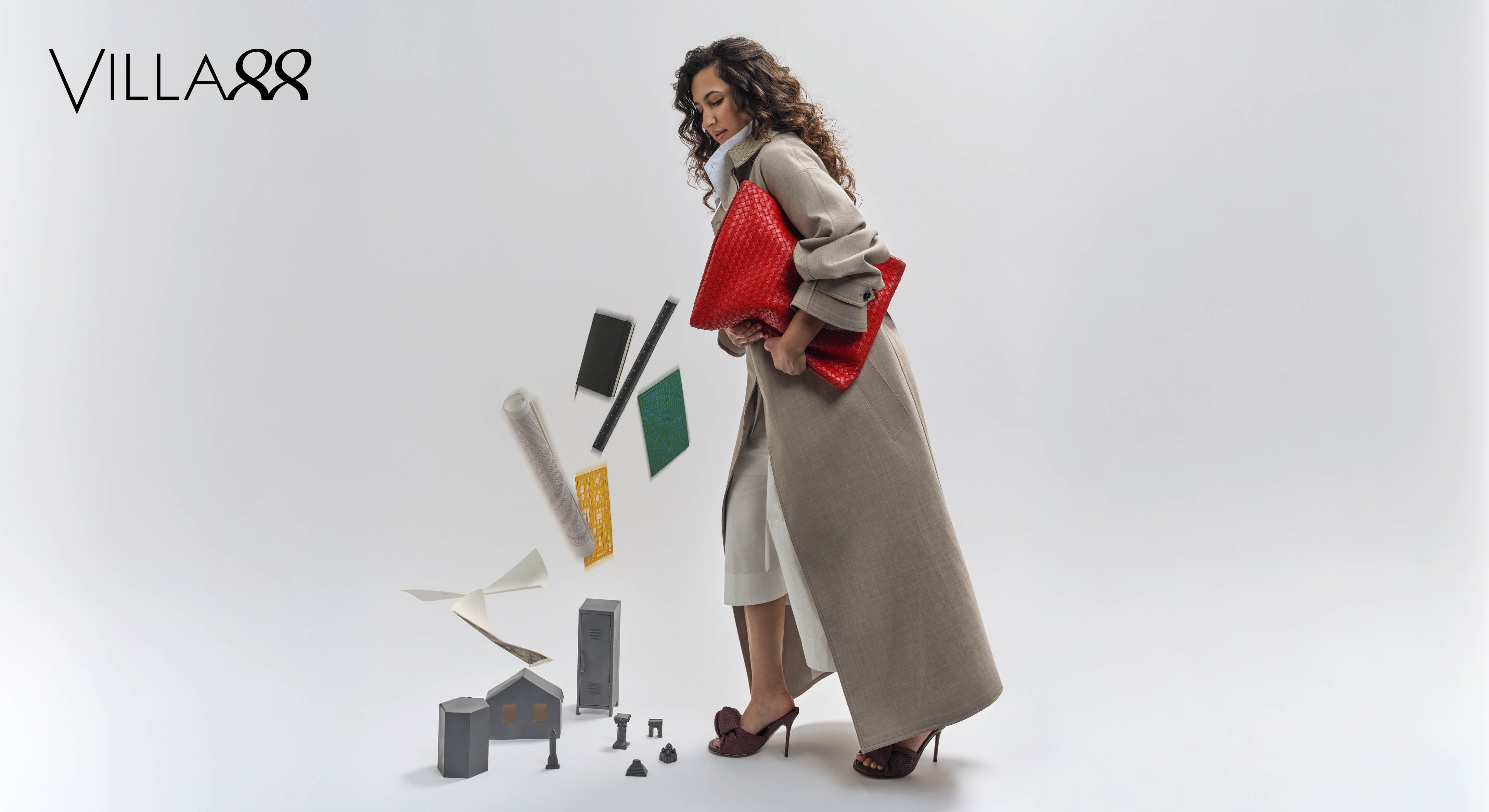
Dr Fatma Mhmood has spent a decade dismantling what the world assumes about the UAE, its landscape, its women, and its identity. Now, she is writing her country’s intellectual history from the inside.
Editor-in-chief: Asma Al Fahim
Deputy Editor: Priyanka Pradhan
Photographer: Norbert Kniat
Creative Direction: Beya Bou-Harb
Set designer: Caroline Calvin
Stylist: Ignacio de Tiedra
Visual coordinator: Jhenyfy Muller
Hair and makeup: Claire de Graft
Producer: Roro Mroue
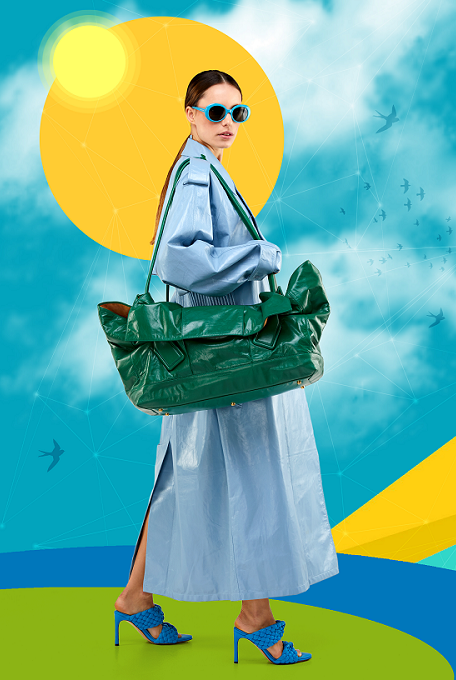
Clothing and accessories: Bottega Veneta
On the cover: Props courtesy of LATENT Productions and Greylock WORKS
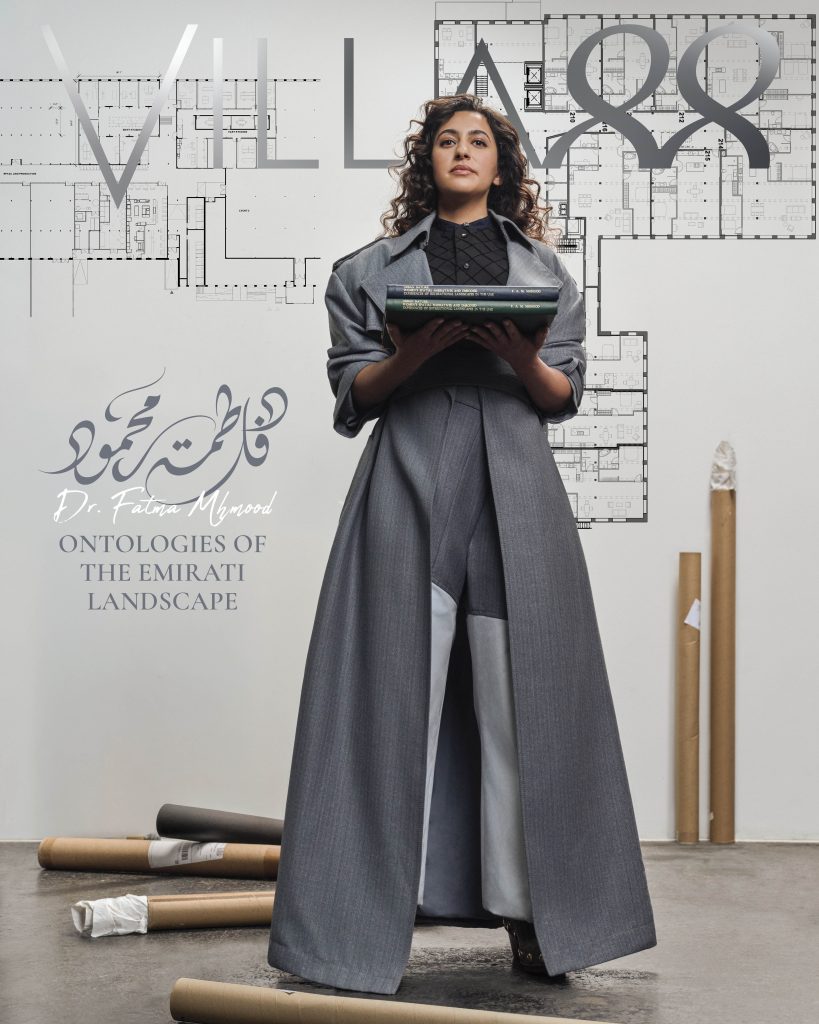
On a weekday afternoon in London, architect and scholar Dr Fatma Mhmood is talking about sand. Not the sand of building sites, but that of the Rub’ al-Khali back home in the UAE – translating to ‘the Empty Quarter’, it is the largest continuous sand desert on earth.
She remembers driving through Dubai in the early 2000s, as a young girl, along with her sister and cousins. They would watch from the car as Emirates Towers emerged on the horizon, and the landscape changed rapidly outside the window. The excitement was real, but so was the grief for what the towers displaced – the desert. Moreover, the feeling was compounded by the realisation that those buildings had been conceived entirely by outside hands.
“Many of the architectural projects that were launched in Dubai, especially in the early 2000s, like all the towers along Sheikh Zayed road, malls, etc., were designed by international firms,” Dr Fatma recounts. “There was a strong emphasis on bringing expertise from abroad. To many, including myself, it felt like Dubai was being developed by external forces, and that we, as Emiratis, had a limited role to play in Dubai’s transformation. I wanted to be at the forefront, not in the background.”
The underlying preoccupation was never simply professional. It was always, at its root, a question of authorship – who gets to tell a place’s story, and from where. “Many of the narratives on the rapid development that took place in Dubai are produced from an external, distant gaze,” she says. “What does it mean to de-centre this gaze?”
It is a question she has spent the better part of a decade answering.
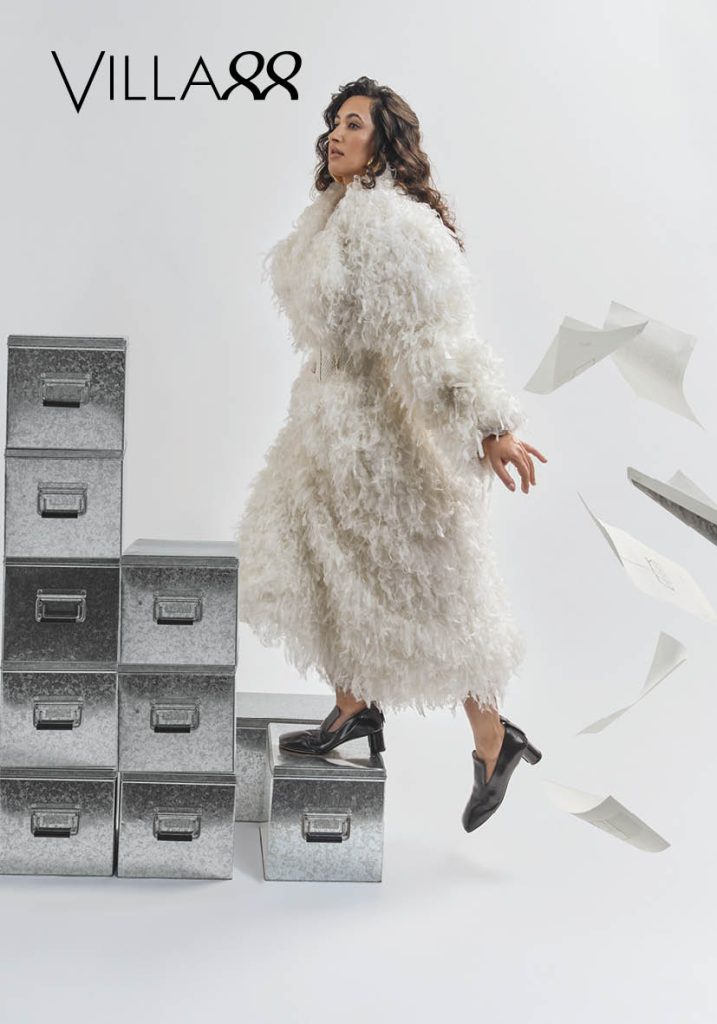
Her trajectory maps the world’s most exacting institutions – Dominique Perrault Architecture in Paris, Emaar Properties, Columbia University, Harvard University, and then Cambridge University, where she earned her PhD in Architecture.
“My postgraduate studies took place in different institutions, and in between, I worked at LATENT Productions, an architecture and development office in New York City. The common thread between these experiences was a growing engagement with the social dimension of architecture and urbanism,” she shares.
At Greylock WORKS, by LATENT Productions, Dr Fatma was responsible for the design and production of drawings, from schematics to construction documents and shop drawings for the condos, East and West Studios, and The Break Room. The project itself is an adaptive reuse of a former historic cotton-spinning mill in North Adams, Massachusetts, built in 1870, transformed into 49 residential condominiums, co-working spaces, an event space, retail outlets, and a culinary lab.
The work of transformation, of taking a historic structure and finding the life still latent within it, was not so different from what she wanted to do with the landscapes of home, in the UAE. “I was interested in exploring big questions about the ontologies of landscape – what is landscape? And the epistemologies – how do we know what we know? Writing helped me make sense of concepts, reflect on them critically, and opened new lines of inquiry,” Dr Fatma explains.
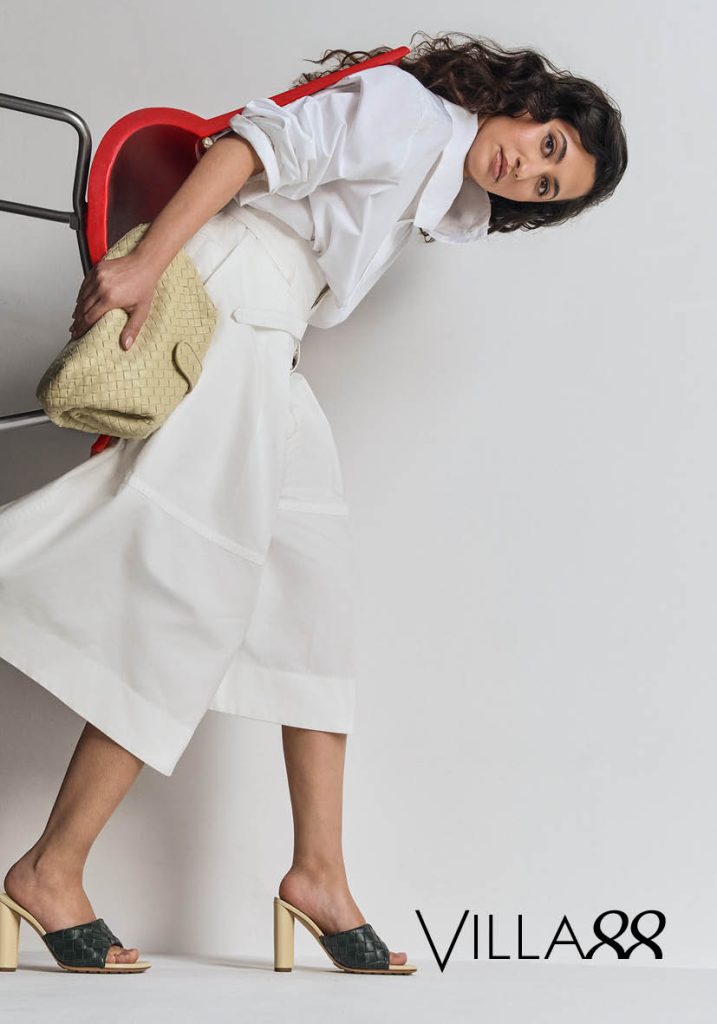
Her Master’s thesis at Harvard Graduate School of Design centres on the Rub’ al-Khali, the vast sand sea stretching across Saudi Arabia, the UAE, Oman, and Yemen. Most people understand the desert as a visual experience – ochre, severe, spectacular, still. Dr Fatma’s work proposes something different.
The desert, she argues, is not ’empty’, but an archive layered with trade routes, tribal migrations, oral histories, and an ecology in full.
“Its fullness is more legible through embodied experiences rather than visual spectacle,” she notes. “Being physically immersed in it means feeling the textures of the sand, the shift of the hues, the smell after rain, and the seasonal plants.” This approach was further developed during her doctoral research which explored cultural constructs of nature and women’s embodied experiences of recreational landscapes in the UAE.
Her fieldwork methods are as ingenious as her argument. Where another researcher might have used surveys, she reached for participatory film-making, inviting Emirati women to engage with landscape through a camera.
“I was interested in what they themselves chose to notice, capture, remember, avoid, linger on, or move towards,” she says. “That’s what interviews alone often cannot fully capture.”
Her 2024 paper in the journal Gender, Place & Culture examined how those women utilise public parks in Dubai. Its findings were revelatory. “It’s important to understand the way women use these spaces beyond their original design intentions,” Dr Fatma says. “Design approaches should not treat all women’s needs as homogeneous.”
The scholar’s refusal to collapse a group of women into a single type runs through everything she does. This is one of the reasons why her scholarship is grounded in post-colonial Middle East feminist studies, a body of literature she describes as a “corrective lens against reductive representations of Middle Eastern women that have long shaped depictions of the region”.
Having lived between London and the Gulf for several years, Dr Fatma is precise about what distance does and doesn’t offer. What she has noticed is that her identity has not attenuated but sharpened. “I’m more Emirati outside the UAE – not in a performative sense, but in the sense that distance creates reflection, in terms of the questions I ask, the stories I want to tell,” she shares.
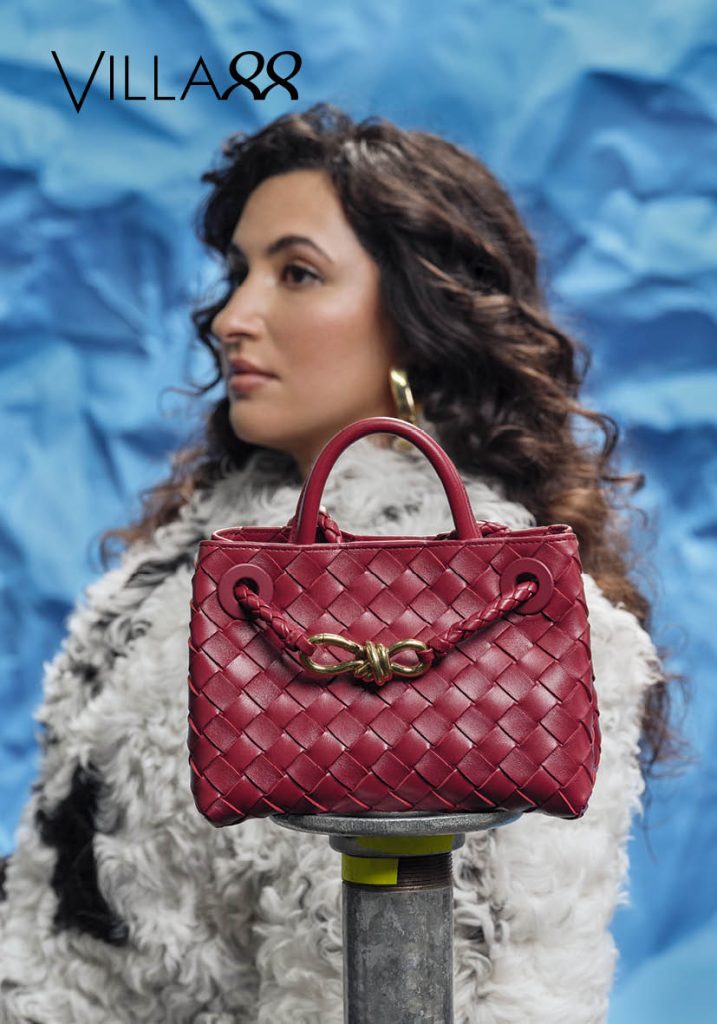
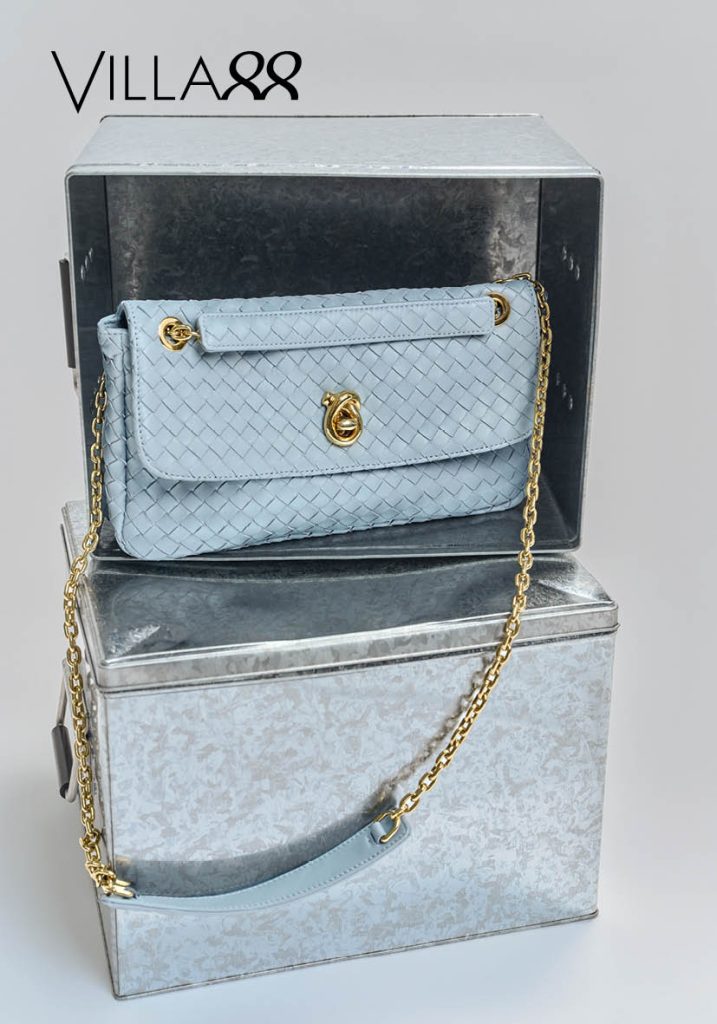
That same attentiveness to what endures beneath the surface extends to the objects she is drawn and driven to. It is also why Bottega Veneta’s philosophy of craft strikes a chord within her. “In Bottega Veneta, what resonates with me most is the idea of quiet confidence through materiality rather than overt display. Craft becomes important because it preserves the human touch in a world driven by speed,” she says. “Specifically, related to the process of making, I’m drawn to weaving as both a material practice and a metaphor. Weaving is about interconnection, strands coming together to form something stronger and more complex.”
She traces this connection more broadly to fashion and design. “I think material sensitivity in fashion and design can evoke something similar,” she says. “The intricacy of the craft, the attention to texture and tactility, and the care embedded in the making process create a more intimate and emotional connection with the piece.”
This is a sensibility that runs deeper than aesthetic preference. For Dr Fatma, how things are made has always been inseparable from who gets to make them.
“It’s a privilege to be producing knowledge at this time. It’s very important to document, write, and historicise from within, especially since the insider perspective has not always been central,” the scholar notes.
What she is building, across her papers, her fieldwork, and her thesis, is something that the UAE’s intellectual culture has not always had – a body of scholarship produced from the inside, by someone for whom the landscape and its people are not a subject of fascination but a matter of inheritance.
“We need to theorise in ways that frame our region not only as a place that receives lessons, but as one that can also offer creative ideas and knowledge to other parts of the world,” Dr Fatma stresses.
That body of work now has a clear next chapter. “Now the plan is to pursue a teaching position in the UAE while maintaining academic affiliations in London,” she says. “I do think moving between these contexts sharpens my perspective.”
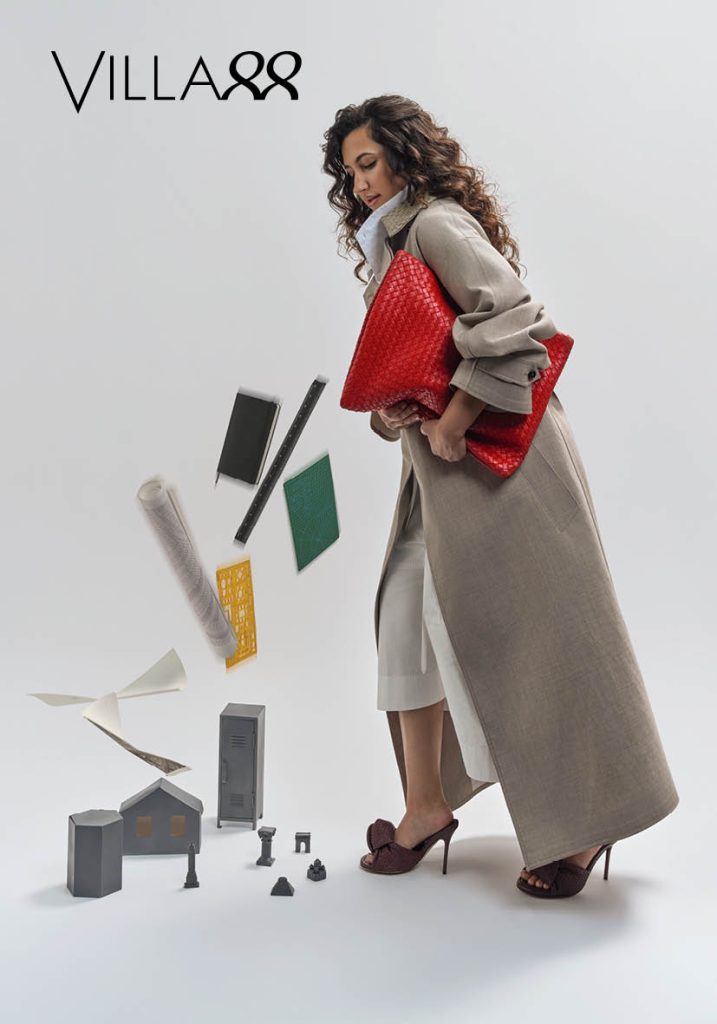
This is a long way from the car window and the towers on the horizon. And yet, that early image of the child leaning forward to see what was being built, holding excitement and loss at the same moment, resonates with her work and philosophy today.
Ask her what the desert has taught her, not academically but personally, and she doesn’t hesitate.
“When there is less to look at,” Dr Fatma says, “I begin to feel more.”