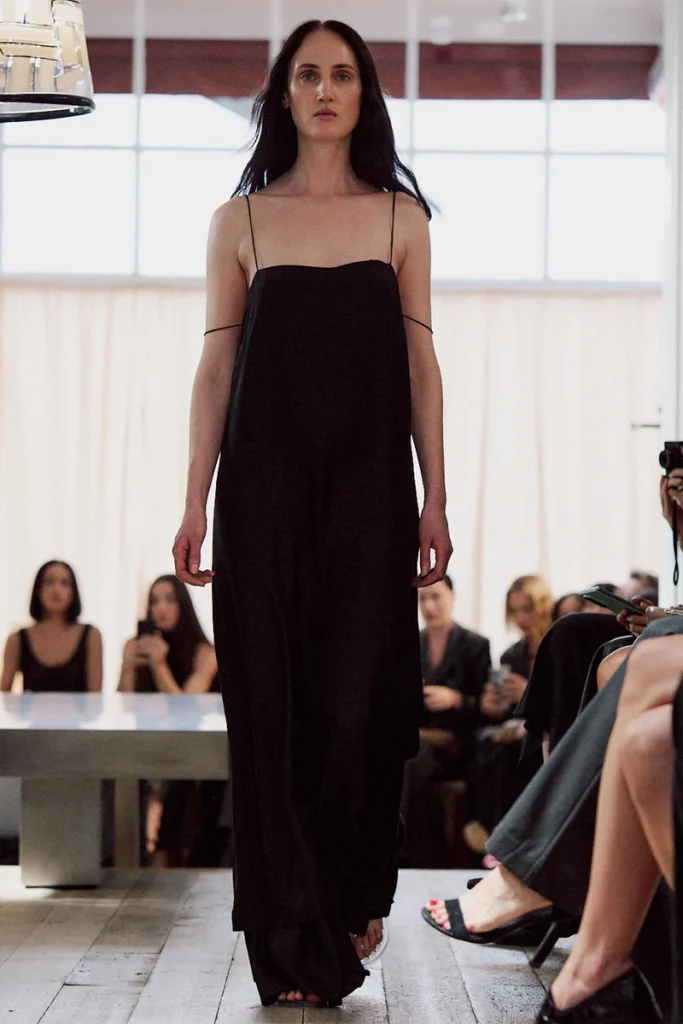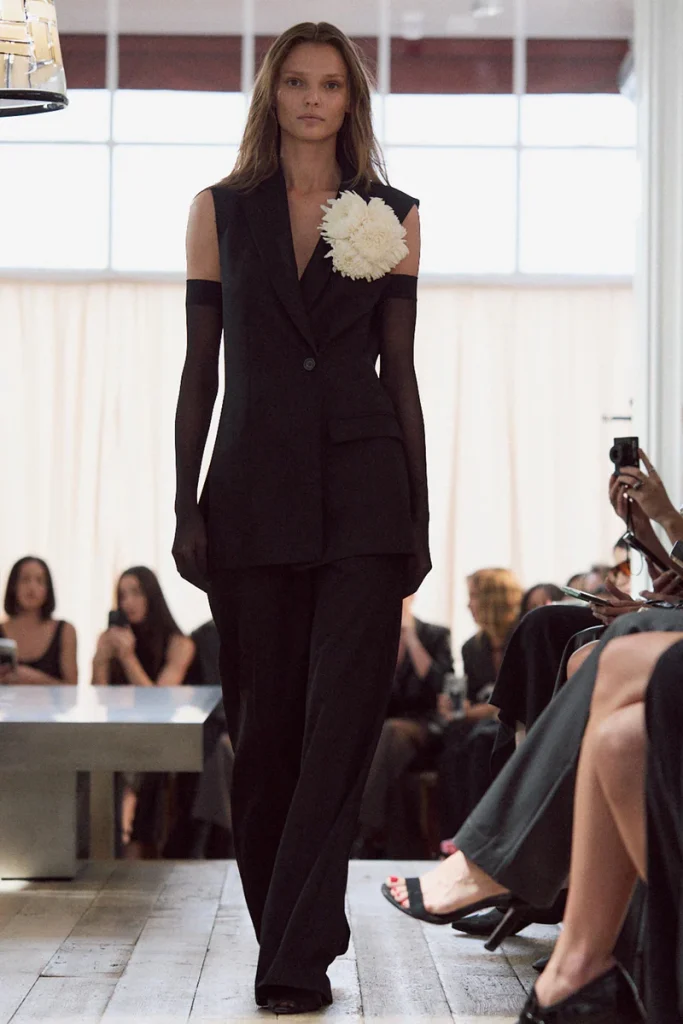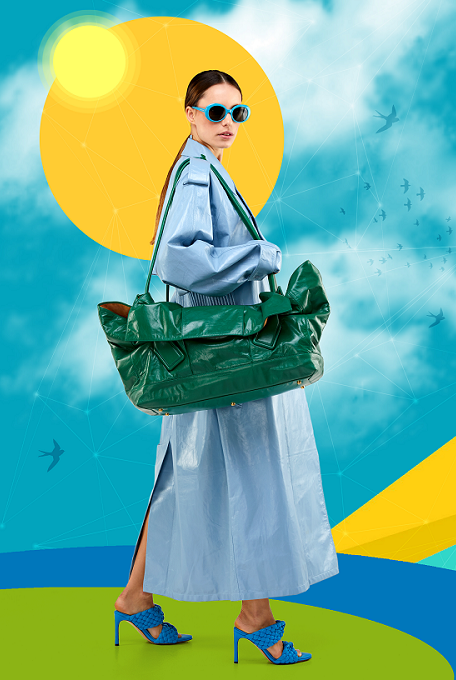



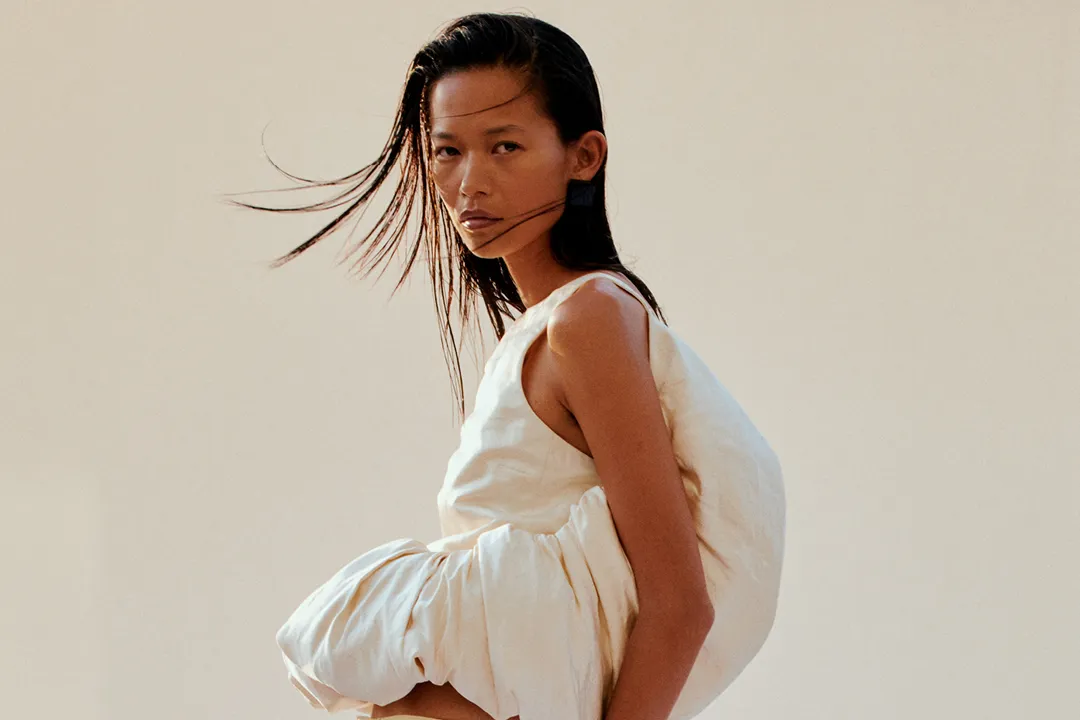
A revolution has been unfolding in mainstream fashion. Minimalism, long associated with the cool geometry of the 1990s, has returned not as conviction in 2026.
The brands leading this shift are focusing on better fabrics, better fits, and better reasons to buy. Each piece is designed to outlast a season and outlive a trend cycle.
The Row
Founded by Mary-Kate and Ashley Olsen in 2006, The Row built its identity on a radical premise that luxury is sensory. Based in New York and shown in Paris, the label works in cashmere, silk crepe, and buttery nappa leather, producing pieces so quietly assured they require no explanation. A The Row coat exists, season after season, with the same architectural certainty. The Olsens have never chased the fashion calendar in any conventional sense, building a house that has earned genuine reverence from women across the globe.
Phoebe Philo
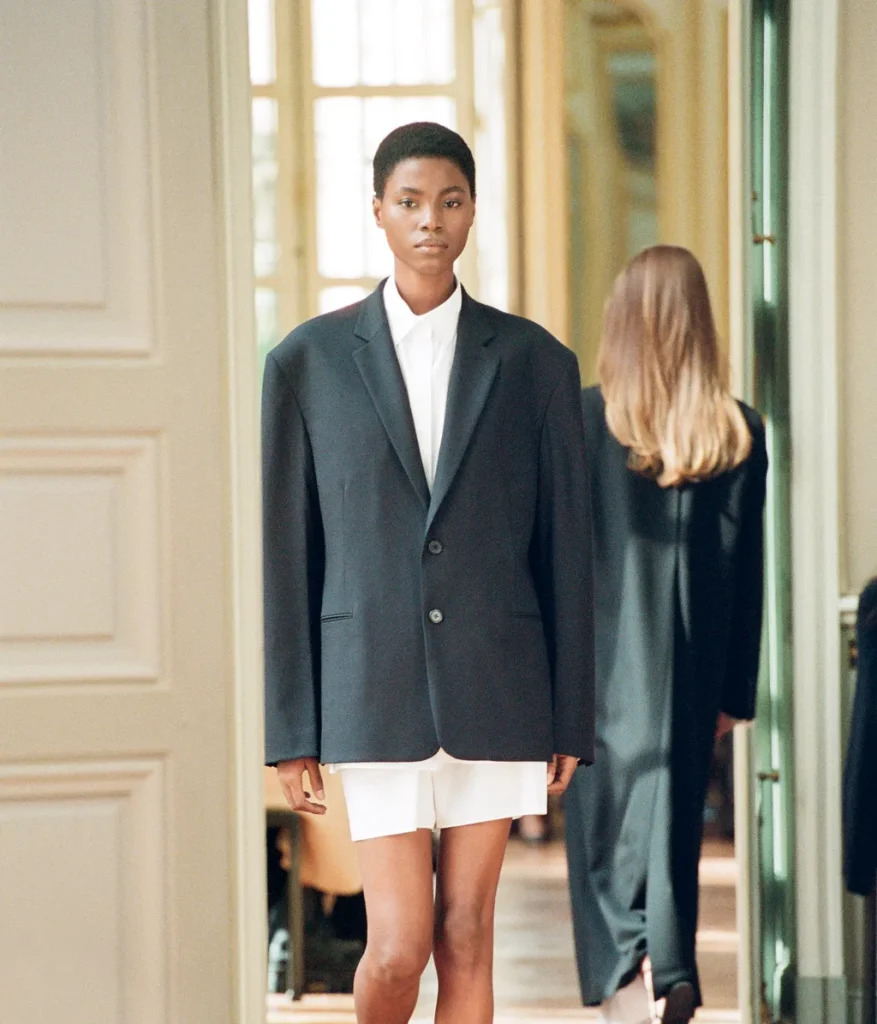
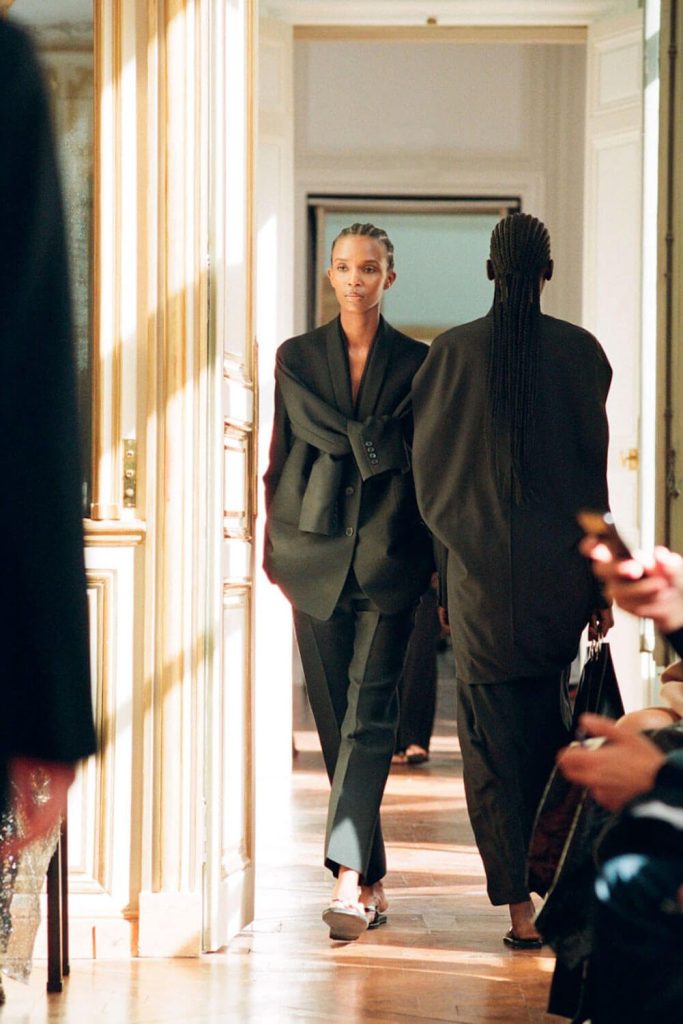
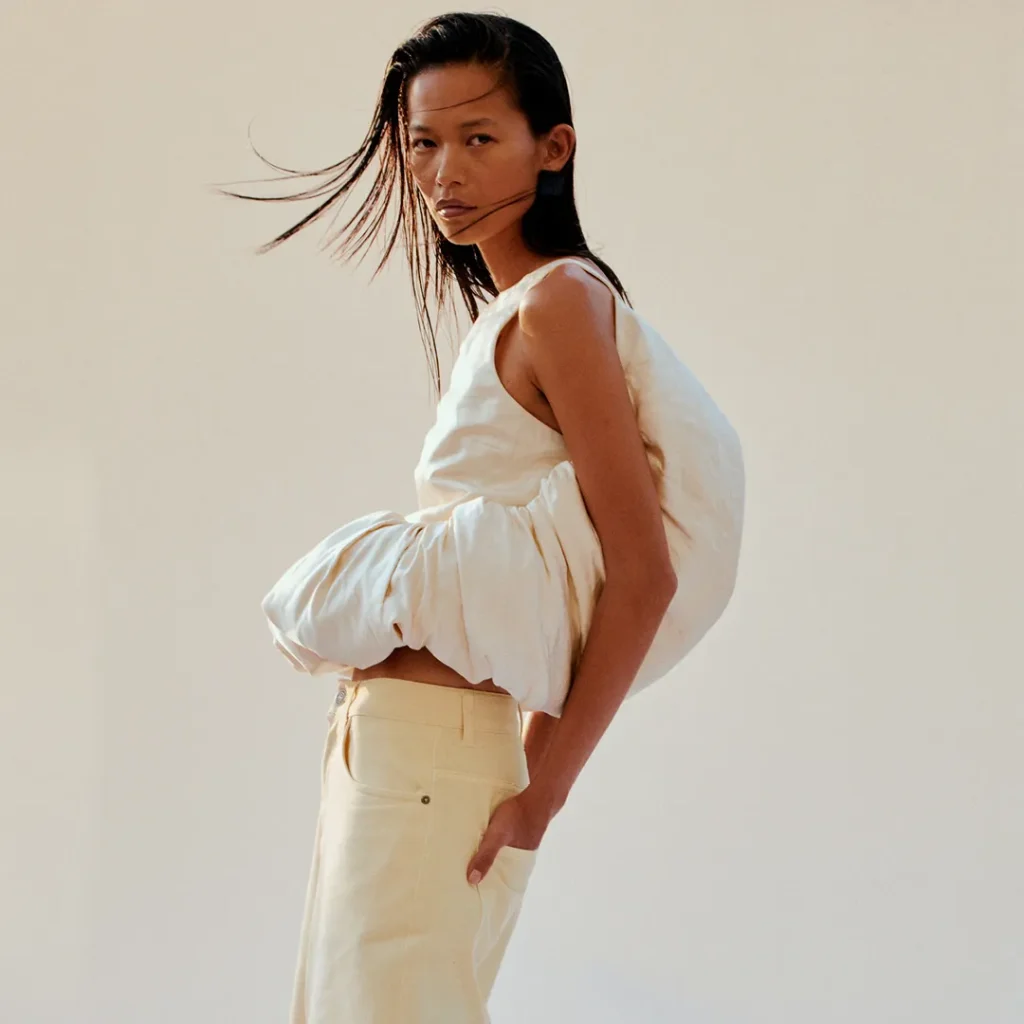
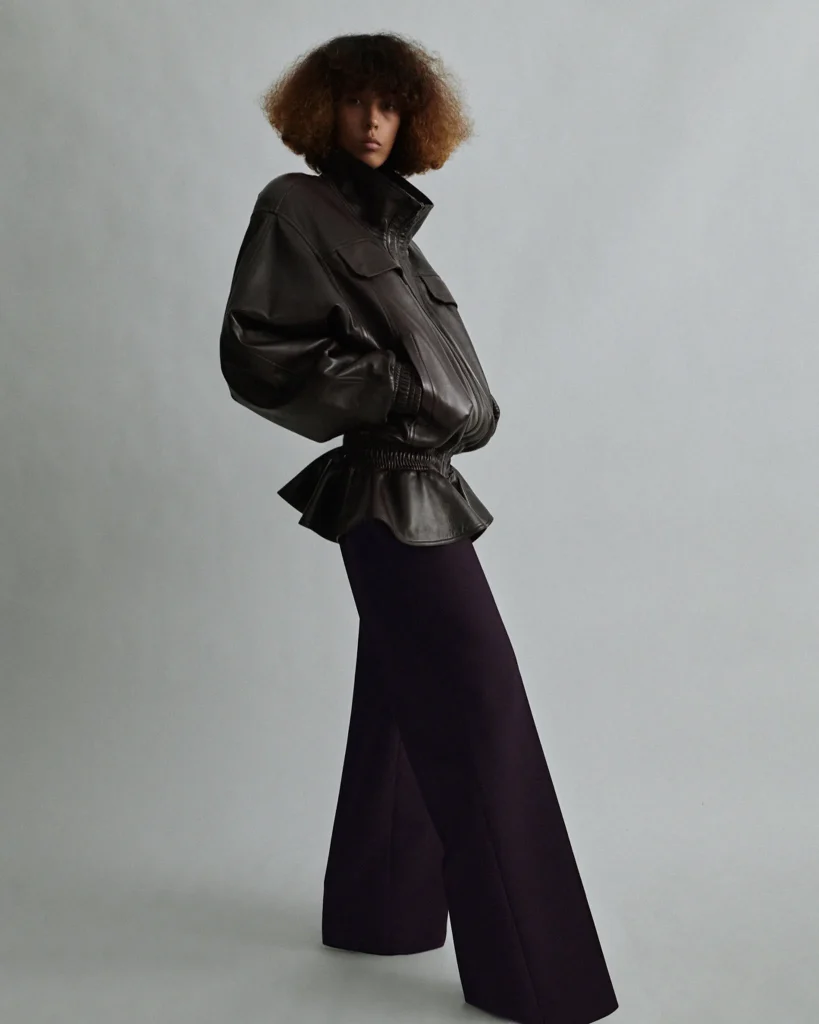
When Phoebe Philo returned to fashion with her eponymous label in 2023, the industry held its breath. Her decade at Celine had produced some of the most influential minimalist dressing of the 21st century, and her own brand arrived as a continuation of that dialogue rather than a departure from it. Working in limited drops with deliberate scarcity, Philo offers tailoring, leather goods, and accessories that feel both cerebral and deeply wearable. What she is really selling is the idea that fashion can be a form of thinking, and that a single perfect jacket is worth more than a wardrobe full of almost-right ones.
Toteme
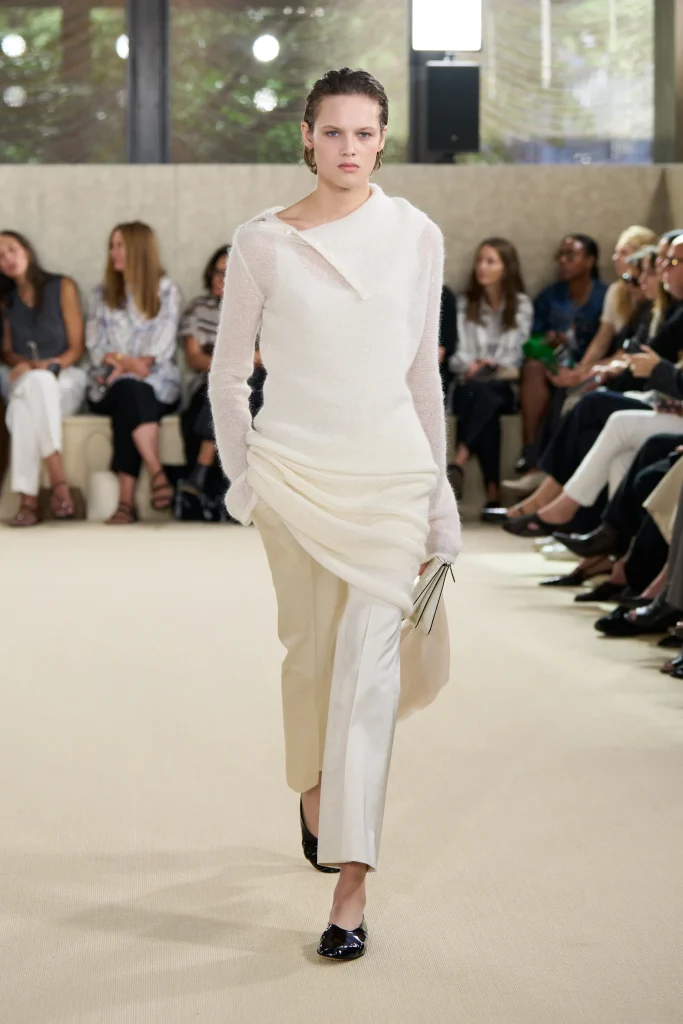
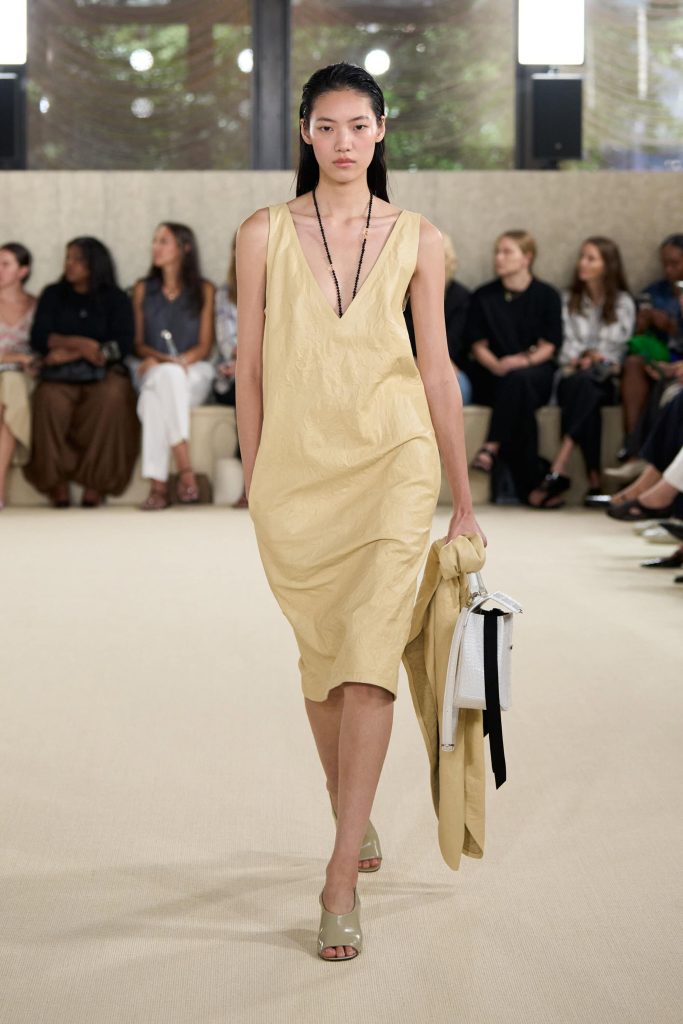
Swedish label Toteme, founded by Elin Kling and Karl Lindman in 2014, has become the favourite of women who want their wardrobe to work without effort. The Stockholm-based brand specialises in clean silhouettes, neutral palettes, and fabrics that feel considered without being precious. Its signature scarf-collar coat has achieved the kind of cultural saturation usually reserved for bigger names. Its commitment to continuity is, in a fast-moving industry, something close to a philosophy.
Khaite
New York-based Khaite, launched by Catherine Holstein in 2016, occupies a distinctive space in the minimalist landscape: sensual rather than severe, feminine without being decorative. Holstein builds collections around the tension between structure and softness, producing knitwear, denim, and tailoring that feel at once effortless and deliberate. The brand’s cashmere pieces, in particular, have developed a following for their weight and drape, and its boots and bags have crossed into the kind of quiet-luxury lexicon usually populated by far older houses. Khaite is minimalism with warmth in it, which is perhaps why it has resonated so broadly with women who want to feel like themselves, only better.
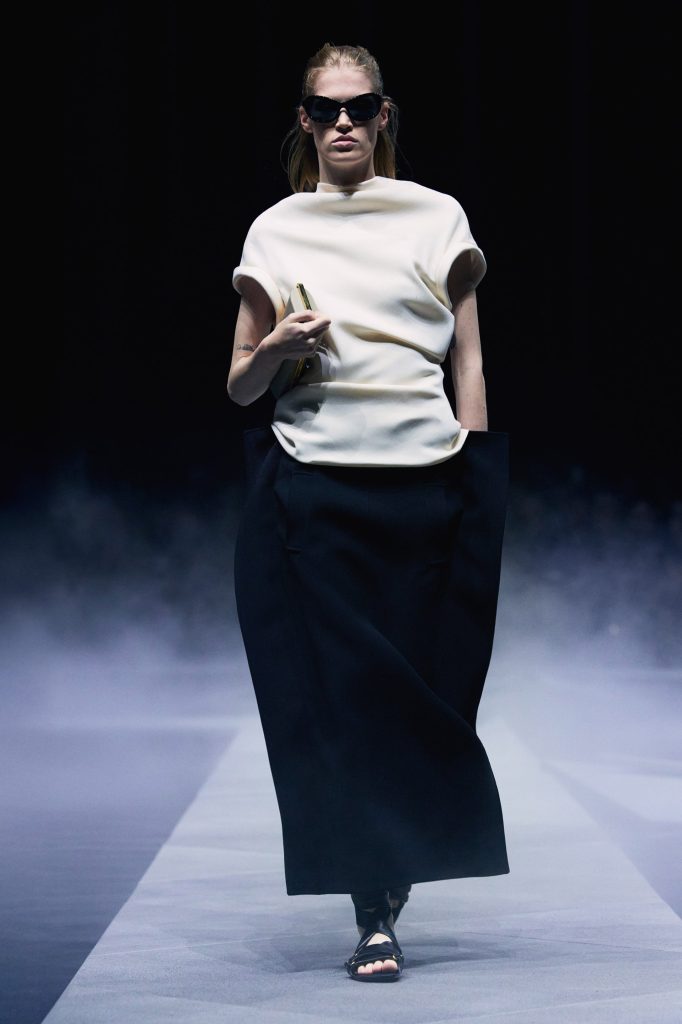
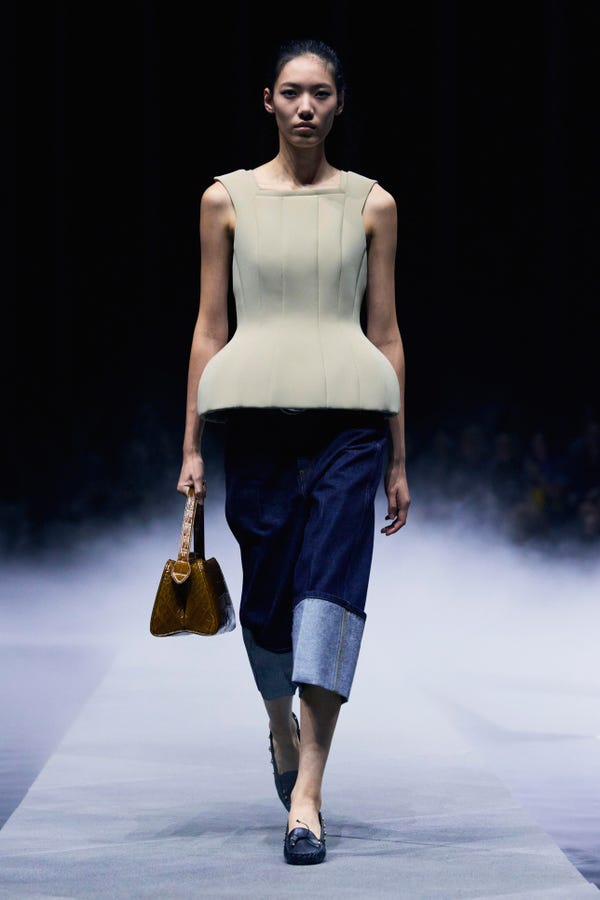
St. Agni
Australian label St. Agni, founded by Lara and Matt Fells in Byron Bay, brings a different register to the minimalist conversation: one rooted in craft, materiality, and a slower way of making. Known above all for its hand-finished leather footwear, the brand works with artisans to produce sandals, mules, and loafers that carry the marks of their making. The aesthetic is warm and organic, drawn from natural tones and unadorned forms. St. Agni has expanded into ready-to-wear and accessories with the same ethos intact, appealing to a consumer who values provenance as much as appearance.