


Collectable design has been steadily gaining ground internationally, and the Gulf is increasingly part of the conversation. There is an established culture of commissioning, a sophisticated appetite for interiors and a younger generation of collectors interested in provenance, material and authorship as much as a familiar luxury label.
Collectable design generally refers to furniture, lighting and objects produced in limited editions, as one-off commissions or by designers whose work sits somewhere between functional object and art. The appeal lies in rarity, craftsmanship, concept and the story behind the piece, rather than simply how it fills a room.
In the Middle East, permanent galleries, design hubs and specialist spaces are making limited editions, functional art and emerging regional talent easier to discover. These are five of the collectable design destinations to know.
The A/P Room, Dubai
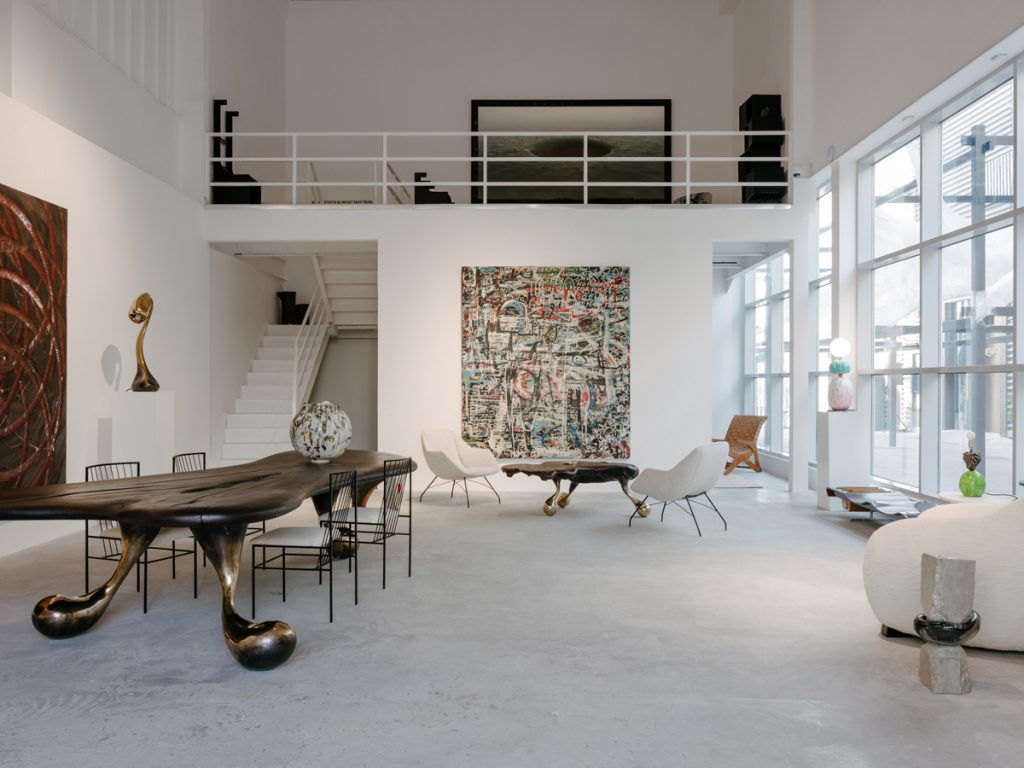
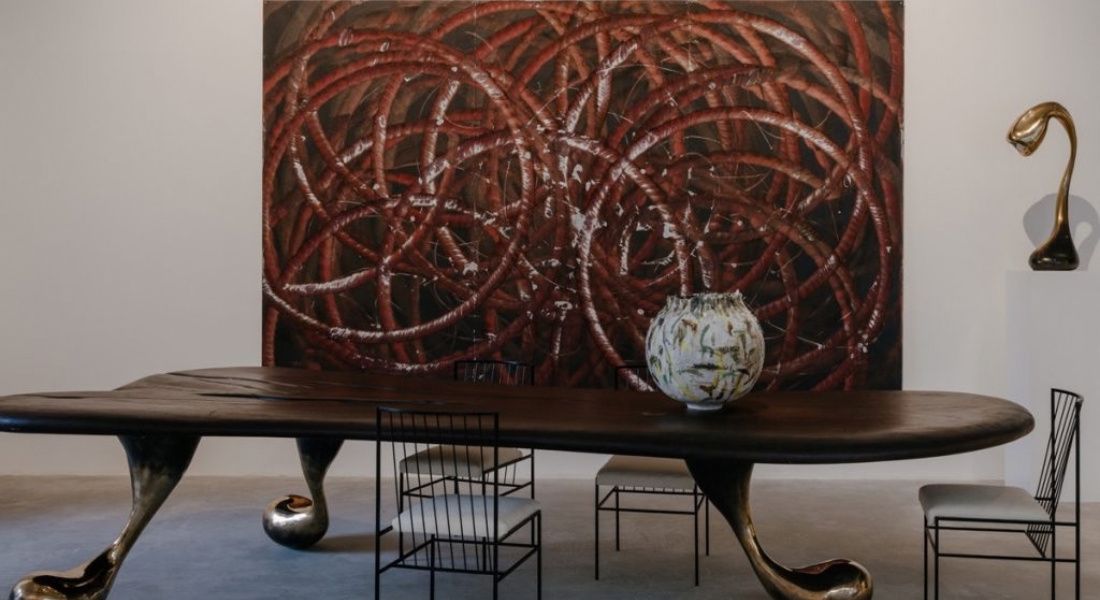
One of Dubai’s newest addresses for serious design collectors, The A/P Room opened its permanent space at Alserkal Avenue in 2026. Founded by Christelle Bassila, it places historic and contemporary collectable design in conversation, while giving MENA-based artists and designers a platform alongside international names. Material, provenance and the thinking behind an object are integral to the selection of pieces at A/P Room. Its gallery setting treats furniture as something to collect and appreciate in its own right, rather than simply something used to fill a room.
Plot 6 COLLECTIONAL, Dubai
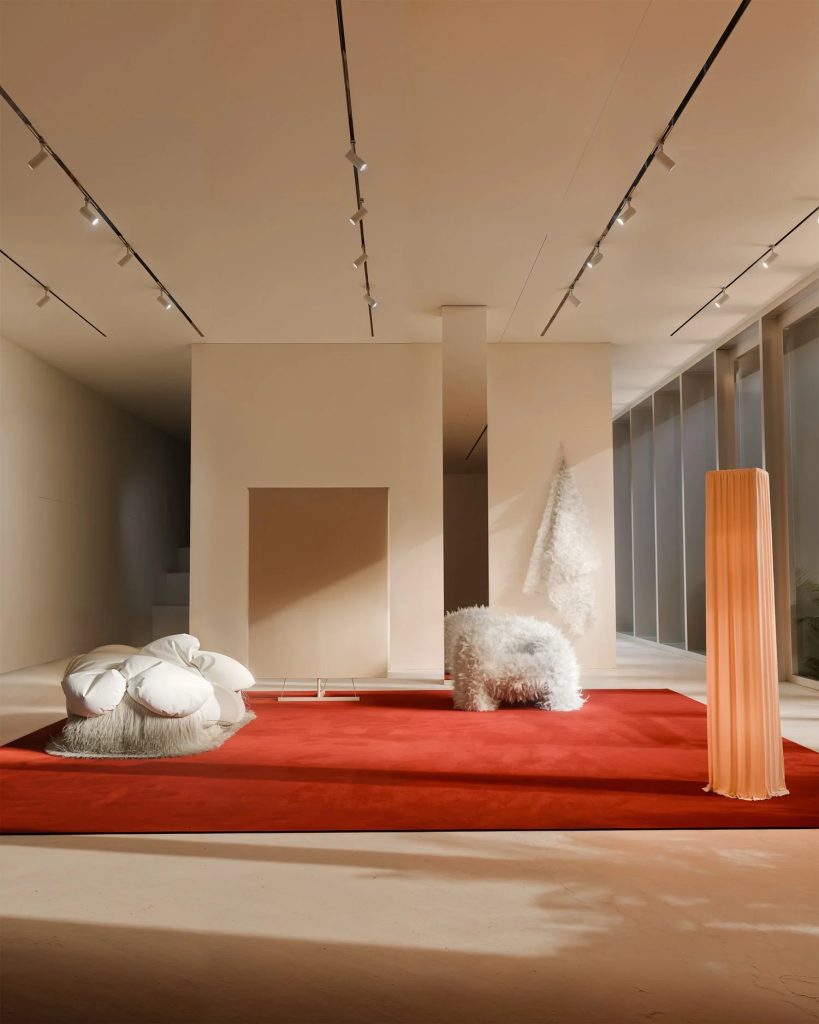
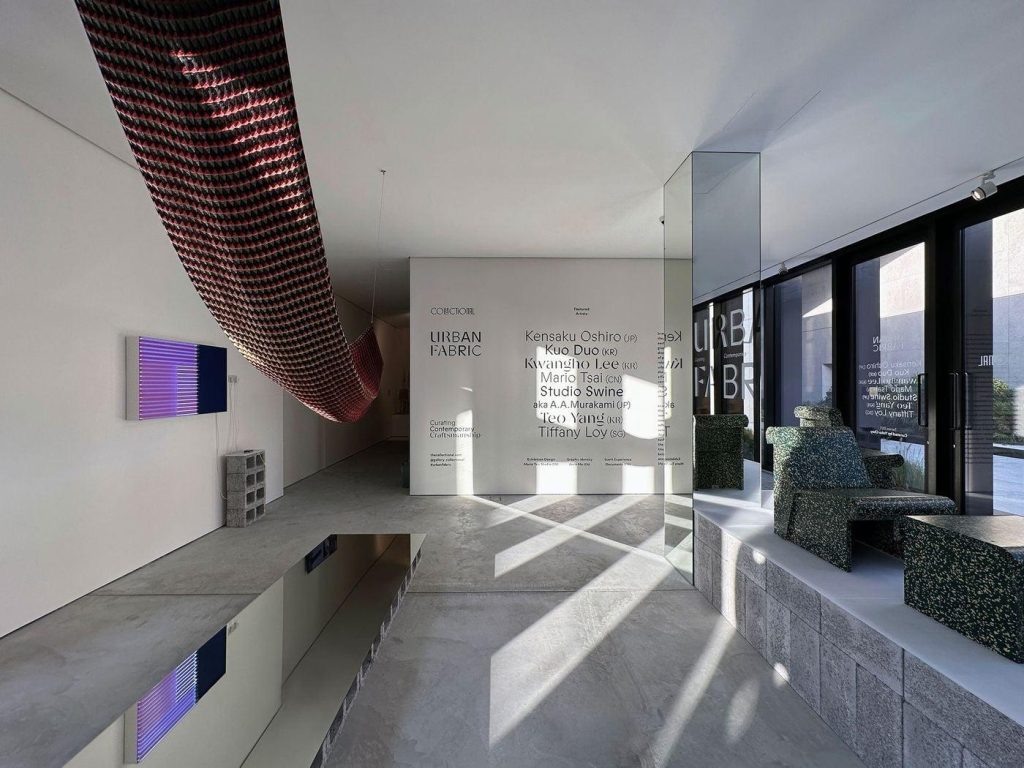
COLLECTIONAL has been instrumental in establishing a market for collectable design in Dubai, and Plot 6 brings its most experimental side into focus. The gallery presents functional art, limited pieces and specially commissioned works, with designers including Sabine Marcelis, Andrés Reisinger, Kwangho Lee and Laurids Gallée among those it has worked with. Commissioning is particularly important here. Rather than simply importing established international design, COLLECTIONAL has developed pieces specifically for its programme and its Dubai context.
M7 and Studio 7, Doha
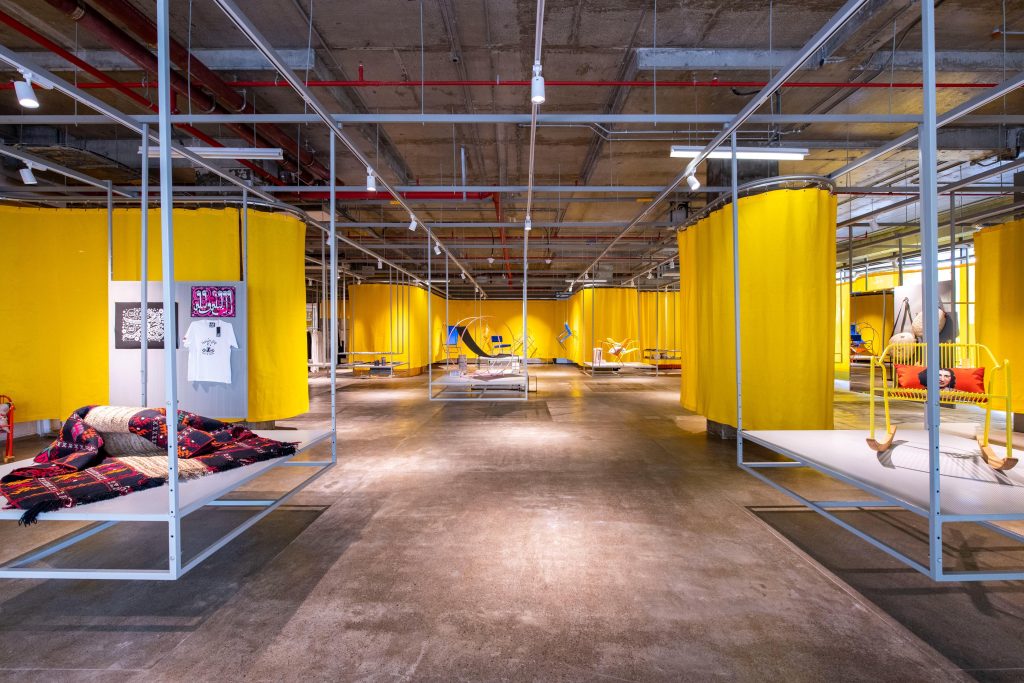
M7, Qatar’s design and innovation hub in Msheireb Downtown, combines exhibitions, studios and industry programmes with opportunities for designers to bring their work into the commercial world. On its ground floor, Studio 7 provides a retail platform for designers from Qatar and the wider region, featuring homeware, fashion and lifestyle objects. The forthcoming second edition of Design Doha will add another layer this November, with furniture, craft and product design among its disciplines. Together, these initiatives are helping turn regional design talent into something that can be encountered, commissioned and collected rather than admired only at exhibitions.
Design District, Kuwait City
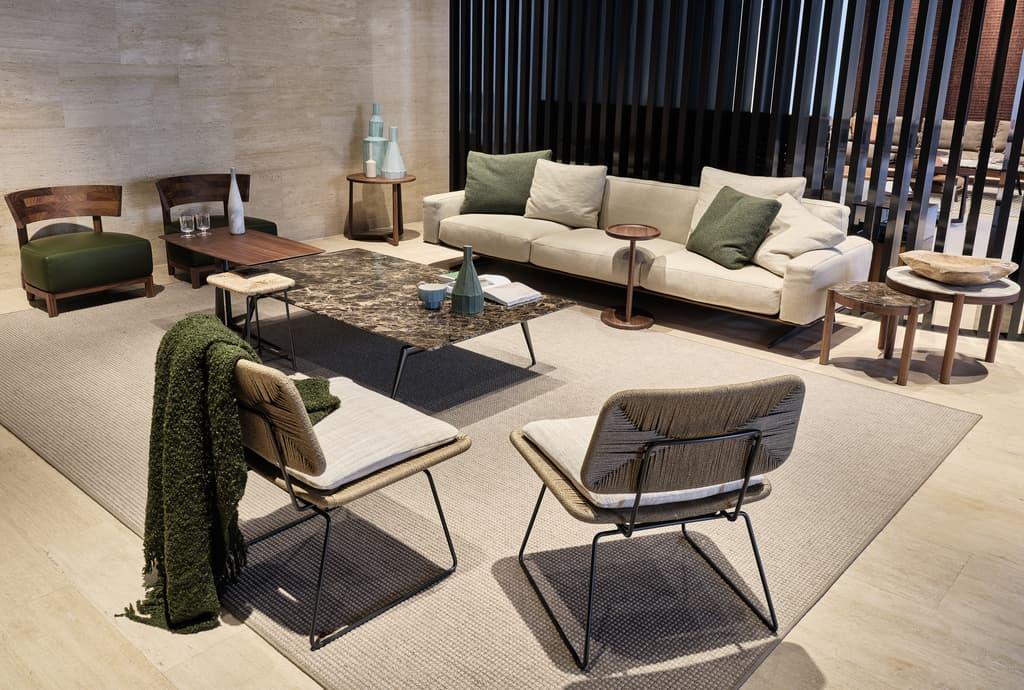
Kuwait has a long-established design audience, and Design District in Shuwaikh brings much of that interest together under one roof. The complex combines contemporary furniture, specialist materials, home objects and art, with names including Gubi, Flexform, Salvatori, Promemoria and Paola Lenti represented across its spaces. It is broader than a conventional collectable-design gallery with a contemporary approach.
KAMEH, Dubai
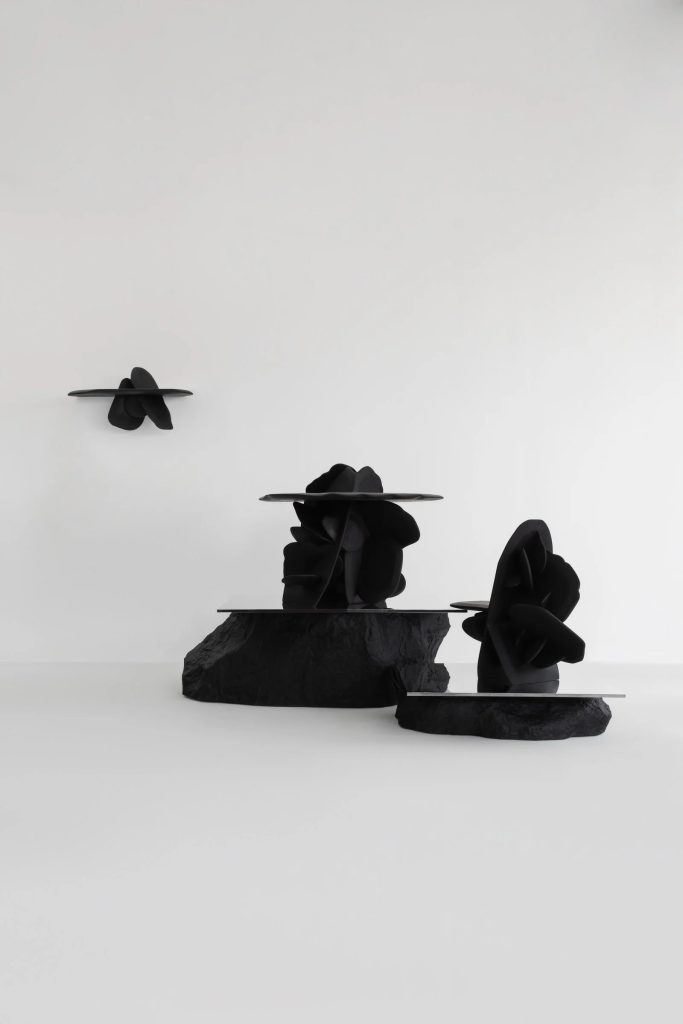
KAMEH combines furniture and sculpture. Founded in Dubai in 2022, the anonymous design practice creates limited-edition pieces locally, working with UAE artisans and materials that often reference the surrounding landscape. Its Breaking the Sand collection, for example, used sand from the Dubai desert to create deliberately irregular surfaces, while later collections have explored rusted metal and hand-sculpted, charred ash wood. Each object is designed to function, but individuality matters just as much: imperfections, texture, and material variation ensure no two pieces feel entirely identical.