


The fashion world’s influence on interiors extends well beyond the occasional monogrammed cushion. These seven houses bring their distinctive approaches to colour, material and craftsmanship into the home.
The relationship between fashion and interior design has become increasingly interesting, particularly as houses explore the possibilities of furniture, textiles and decorative objects. For some, interiors are a natural extension of a long-established design philosophy. For others, they provide an opportunity to experiment with materials and techniques that rarely appear in a wardrobe.
The results can be surprisingly refreshing. A designer’s approach to proportion becomes a sculptural chair, a familiar textile takes on an architectural role, and the decorative details that define a fashion collection find an entirely different expression. Here are seven houses bringing their creative identities into the home.
Elie Saab Maison
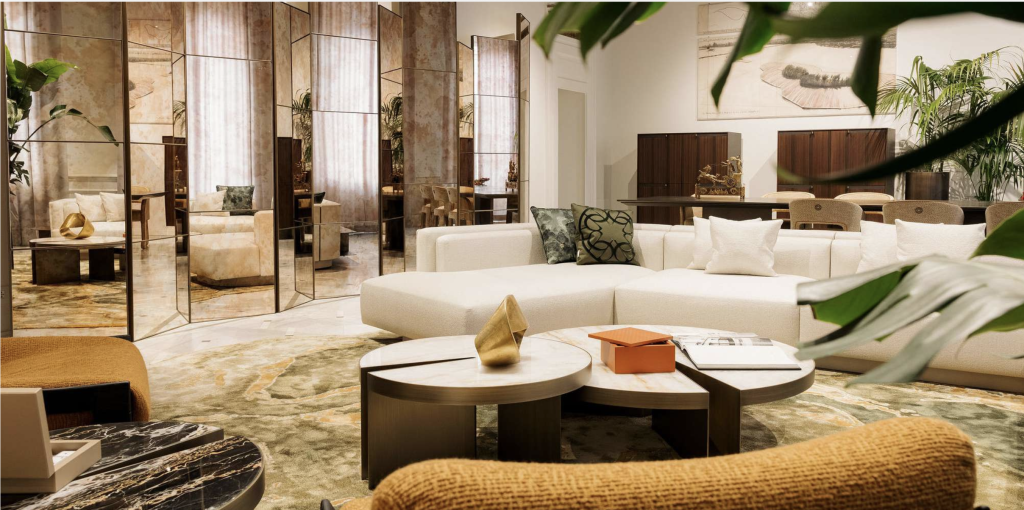
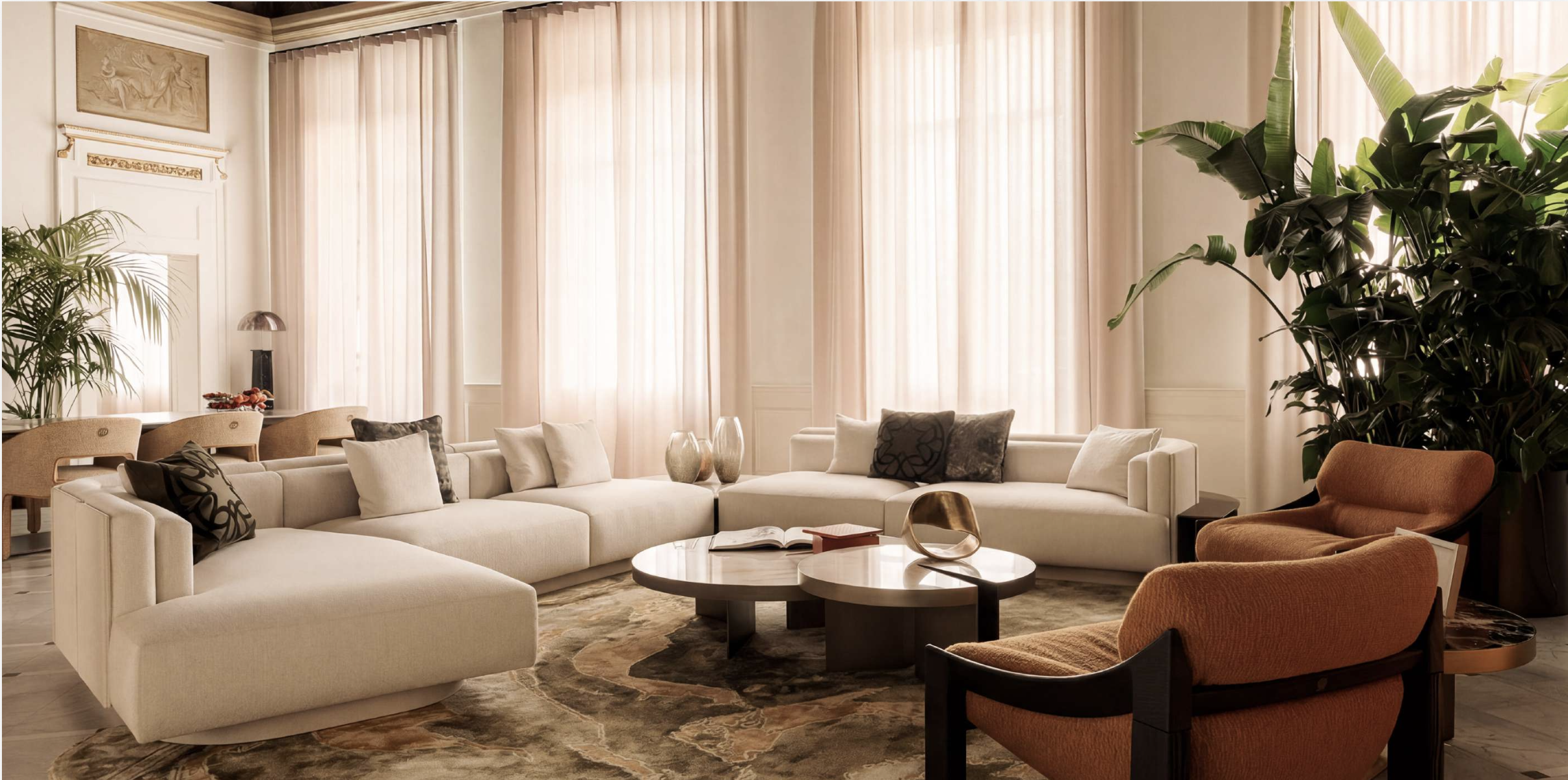
The architectural lines, rich materials and finely considered details associated with Elie Saab’s couture have found a compelling expression in furniture. Developed under the creative direction of Carlo Colombo, Elie Saab Maison brings a distinctly Italian approach to the designer’s sophisticated aesthetic.
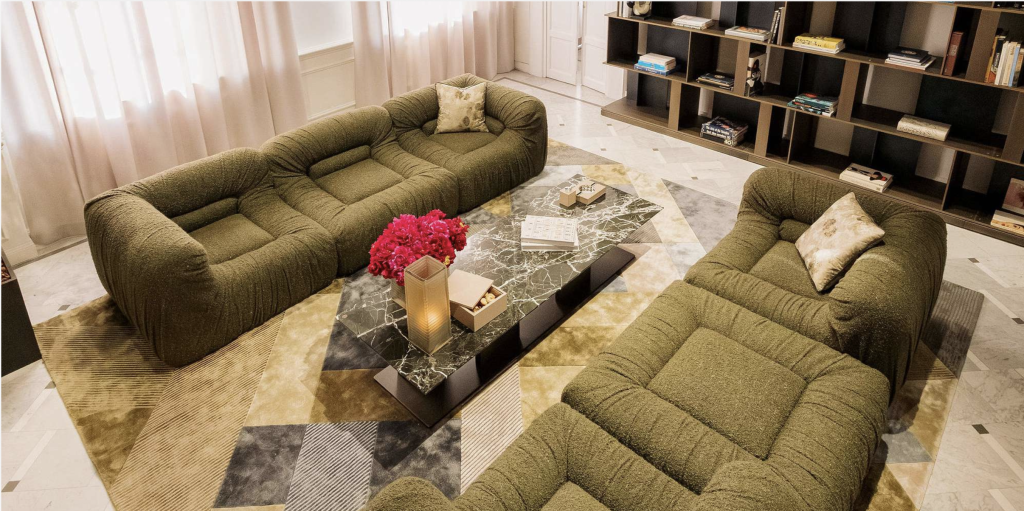
Its 2026 collection, The Milanese House. Una notte a Milano, includes the Mascagni sofa, distinguished by its softly pleated upholstery, and the Onda armchair, whose generous, rounded form is supported by a sculptural bronzed metal base. The collection also introduces statement pieces conceived with a collector’s eye, alongside furniture intended for everyday living.
Etro Home Interiors
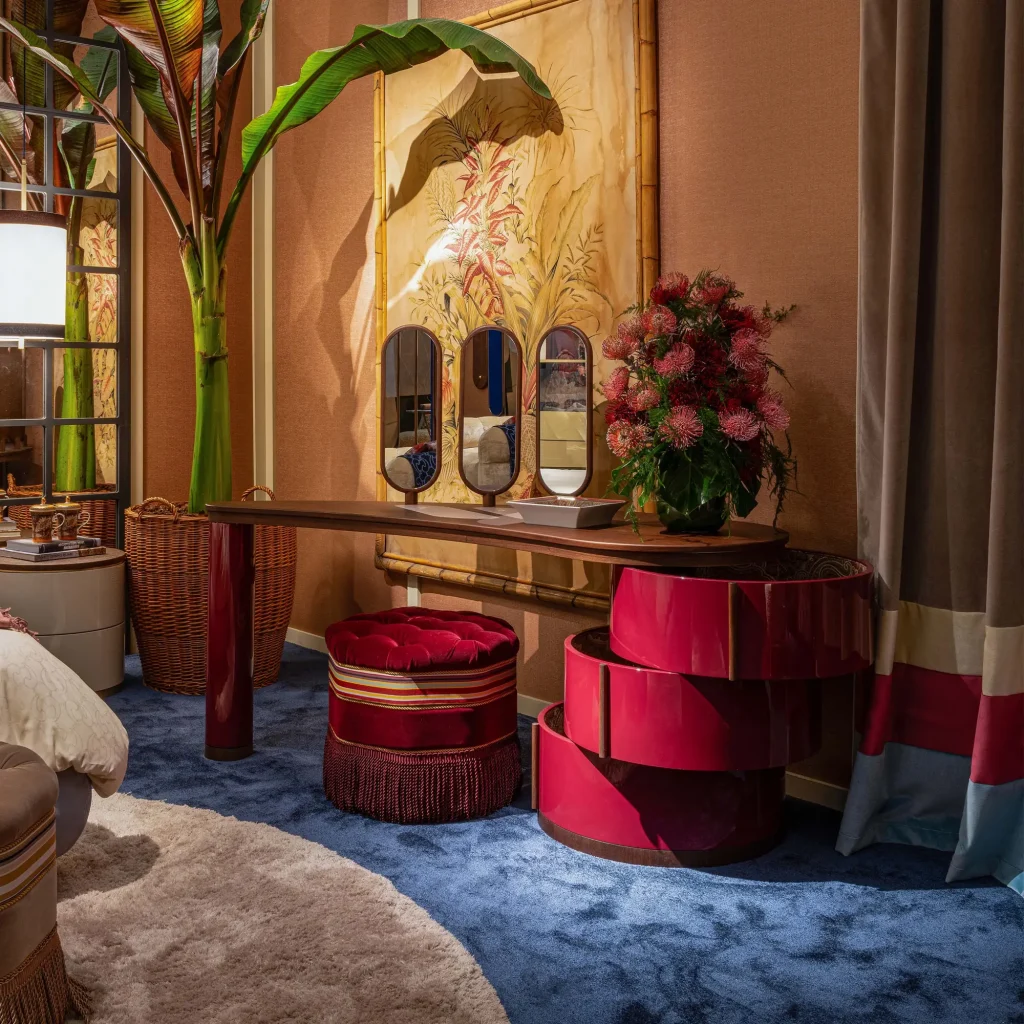
For Etro, the connection between fashion and furnishings is particularly natural. Founded in Milan in 1968 as a textile company, the house built its reputation on elaborate patterns, rich colours and an eclectic approach to design.
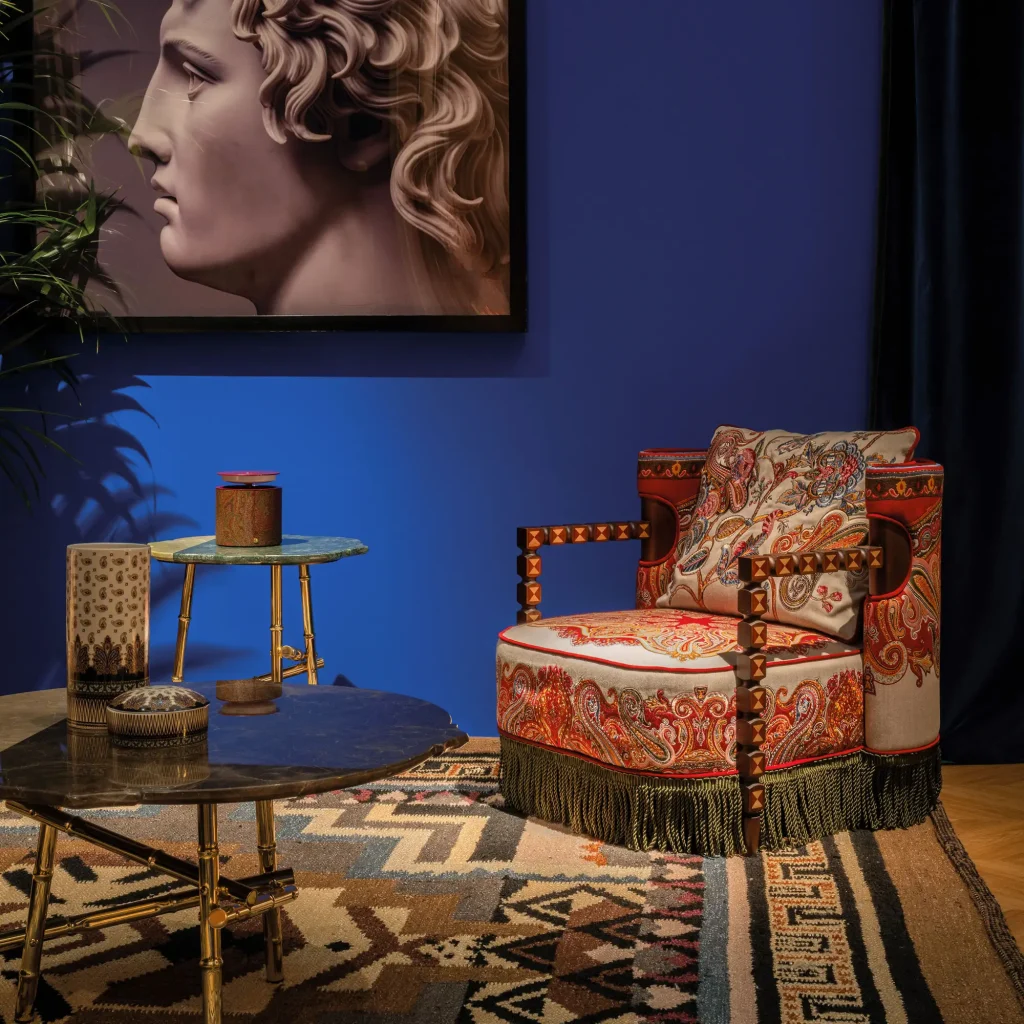
Its Home Interiors collection, developed with ONIRO Group, translates that identity into furniture with a strong decorative character. The 2026 Ornamenta collection draws on Art Deco influences, combining elaborate upholstery, decorative trims, fine woods, marble and intricate inlays. Pieces such as the Opus armchair offer a contemporary interpretation of classical furniture, with substantial proportions and carefully worked details.
Loro Piana Interiors
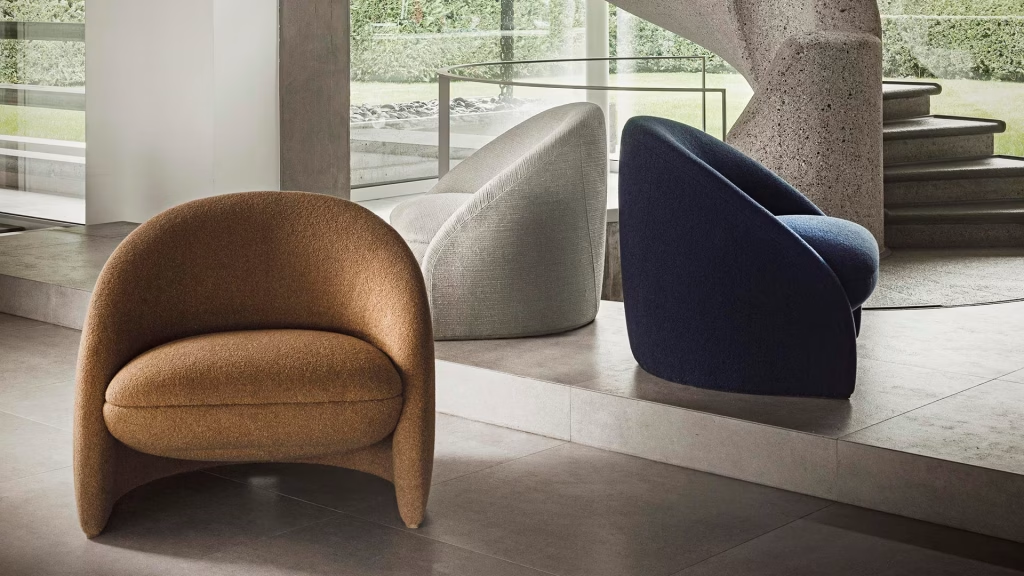
Few fashion houses understand the possibilities of textiles quite like Loro Piana. Its interiors division applies the same expertise in exceptional fibres and fabric construction to upholstery, wallcoverings, carpets and furnishings.
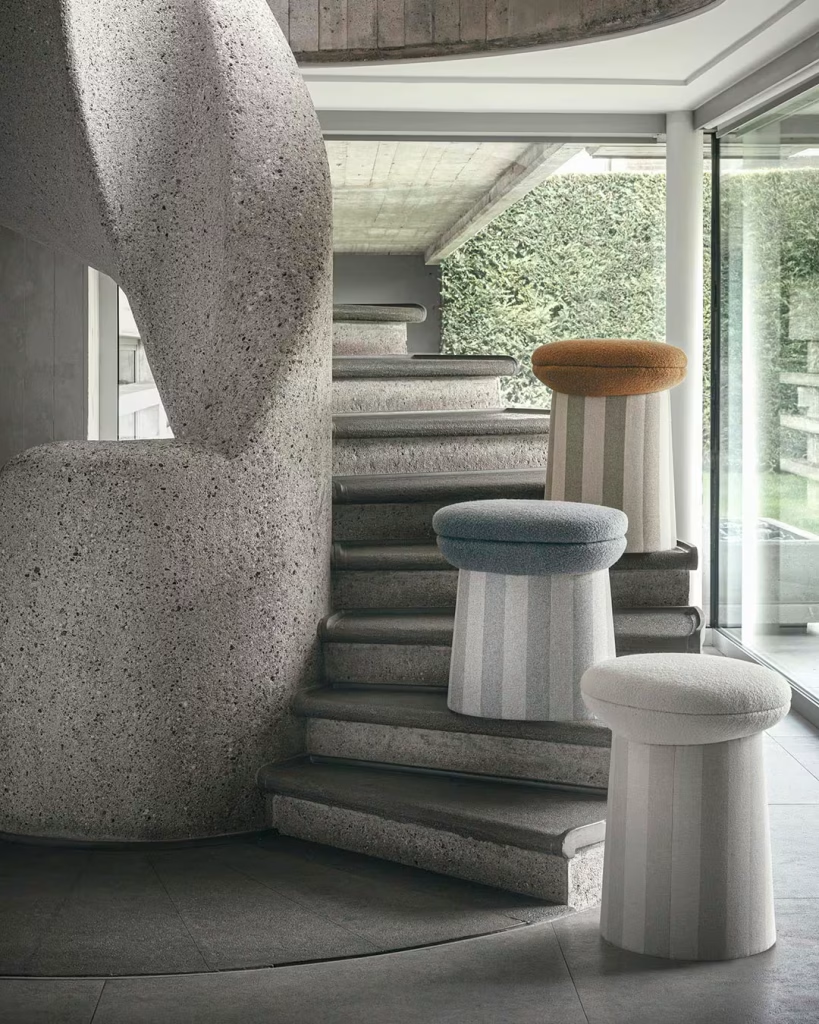
The 2026 fabrics collection explores the individual qualities of wool, linen, cashmere and alpaca, with particular attention paid to texture, weight and the way materials respond to light. The house also develops bespoke interior solutions, allowing its textiles to become an integral part of architectural spaces. The appeal is rooted in the materials themselves, with craftsmanship and comfort taking precedence over decoration.
Marni
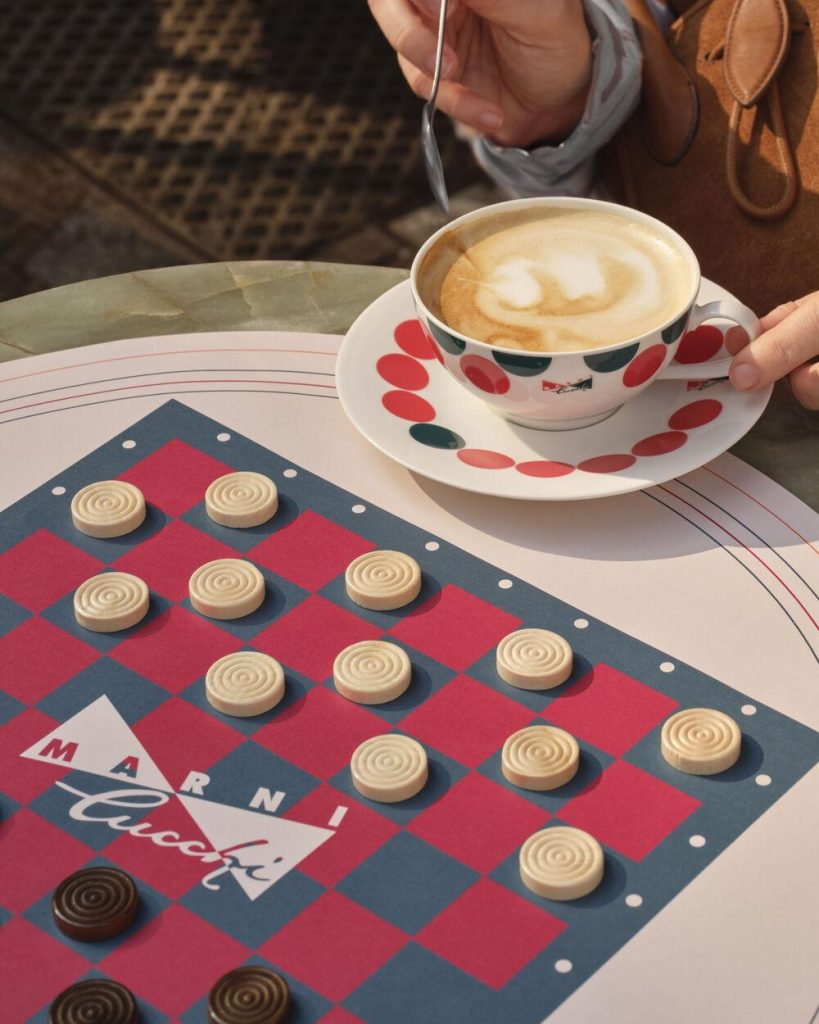
Marni’s experimental approach to colour, pattern and unconventional design has long extended beyond fashion. Its Marni Market initiative introduced colourful woven furniture and decorative objects created with Colombian artisans, while collaborations with Serax have brought the house’s playful aesthetic to porcelain tableware.
For Milan Design Week 2026, Marni took a different approach, transforming the historic Pasticceria Cucchi into a colourful expression of Milanese café culture. Developed with interior design studio RedDuo under the creative direction of Meryll Rogge, the project introduced a distinctive palette of red and green, with retro-inspired stripes and polka dots appearing across textiles, tableware, packaging and staff uniforms.
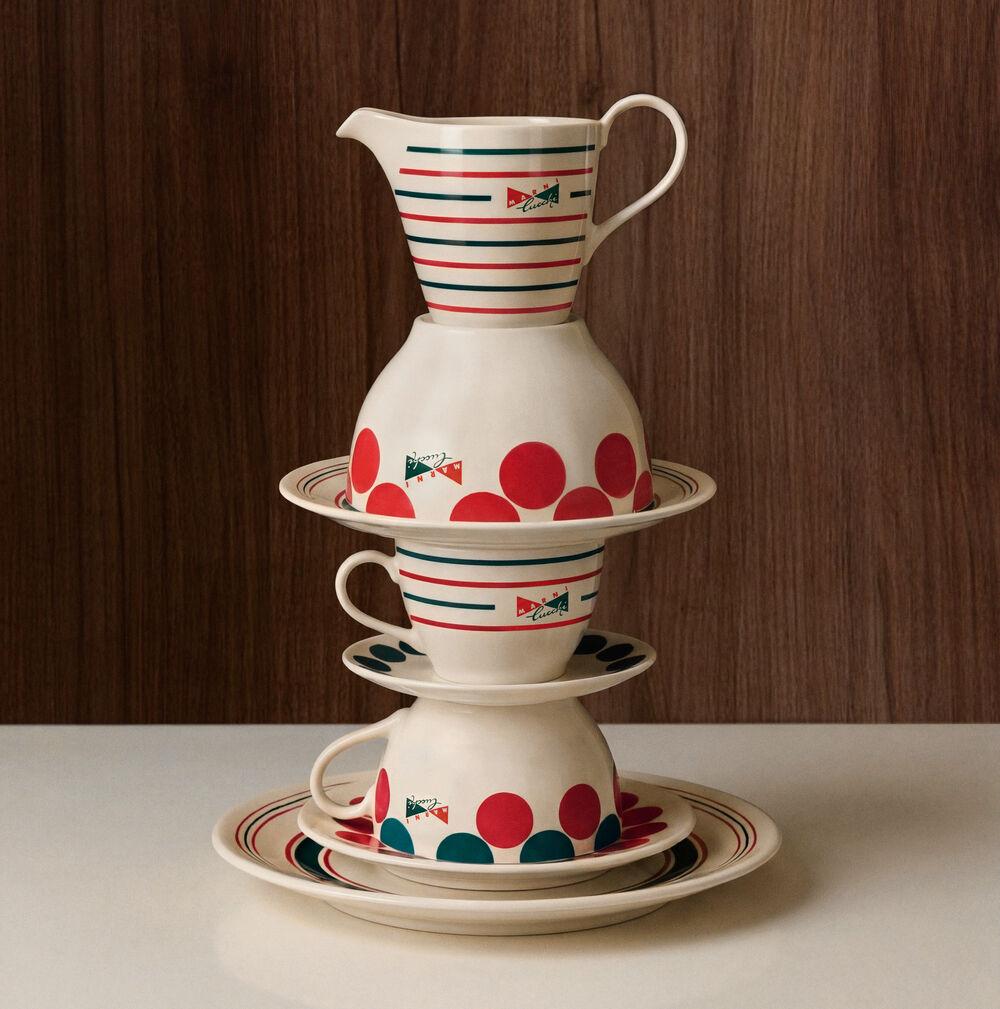
The collaboration, which ran until July 2026, extended to specially designed coffee cups and saucers, available for purchase at the café and Marni’s Via Montenapoleone boutique. It offered an interesting example of how a fashion house can apply its visual identity to an entire interior, bringing character to an established Milanese institution while respecting its history.
Bottega Veneta
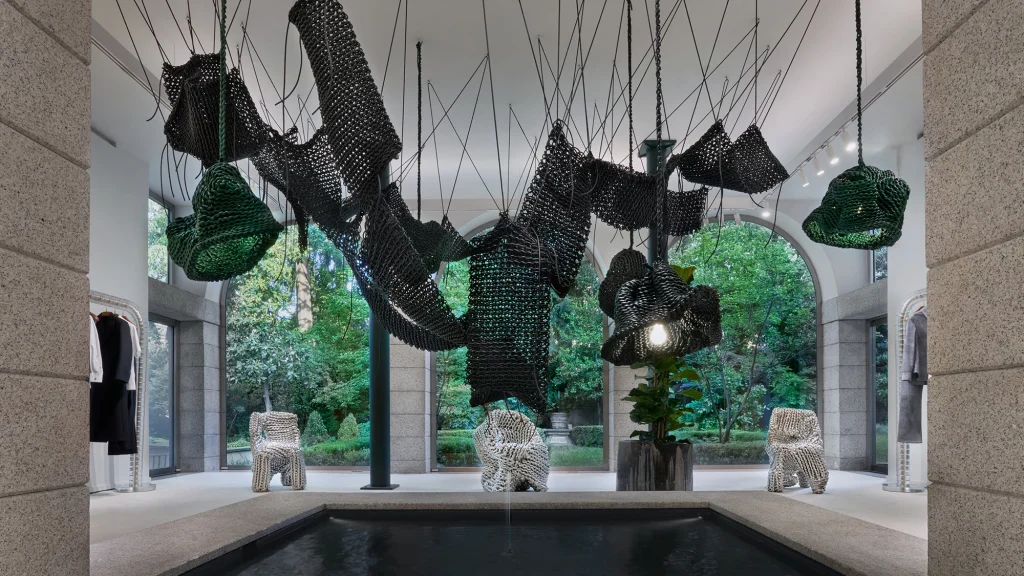
Bottega Veneta’s relationship with contemporary design extends well beyond leather accessories. The house has increasingly explored how its expertise in weaving can be applied to furniture, sculpture and installations, collaborating with artists and designers who share its interest in materials and craftsmanship.
For Milan Design Week 2026, creative director Louise Trotter collaborated with Korean artist Kwangho Lee on Lightful, a site-specific installation at the house’s Via Sant’Andrea boutique. Created using Bottega Veneta’s signature leather strips, the project featured suspended woven structures and sculptural lighting in specially developed shades of black and green.
Working alongside artisans at the house’s Montebello Vicentino atelier, Lee adapted his experimental weaving techniques to leather, creating organic forms that incorporated light within their intricate surfaces. The installation extended into the architecture of the boutique, with suspended structures responding to the surrounding space.
It was the third collaboration between Bottega Veneta and Lee, whose work had previously appeared in the house’s Summer 2026 runway presentation and its Weaving the World: The Language of Intrecciato exhibition in Seoul. Together, the projects demonstrate how traditional craftsmanship can find unexpected applications in contemporary design.
Saint Laurent x Charlotte Perriand
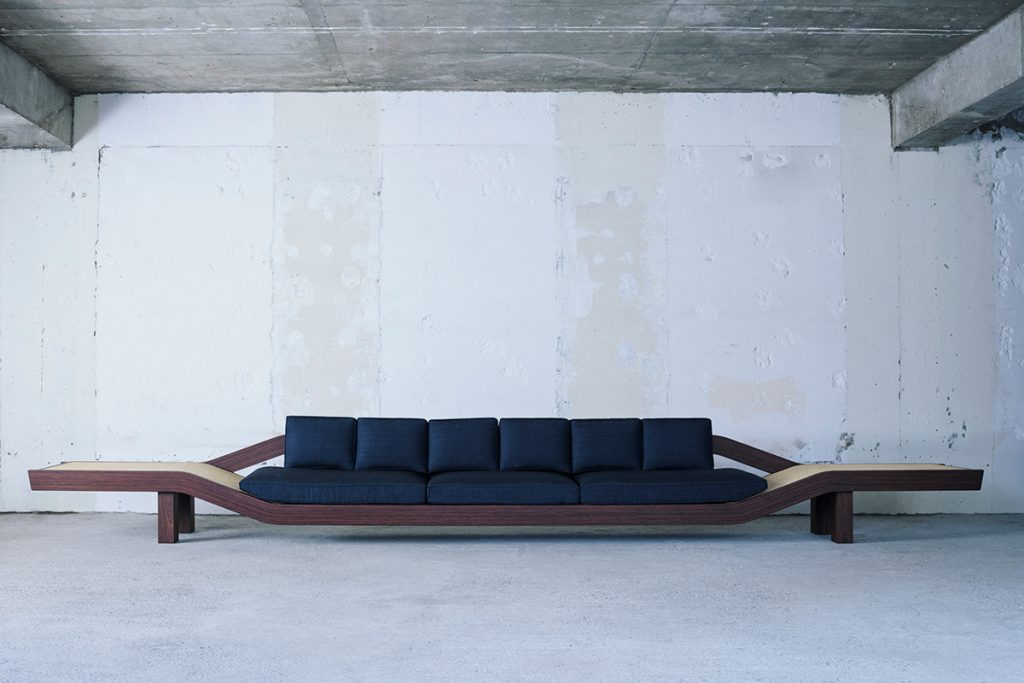
Saint Laurent’s collaboration with the estate of French architect and designer Charlotte Perriand offers a particularly compelling example of fashion’s involvement in collectible furniture.
Selected by creative director Anthony Vaccarello and introduced during Milan Design Week in 2025, the project brought four exceptional Perriand designs into limited-edition production. Originally conceived between 1943 and 1967, the pieces had previously existed as prototypes, individual examples or archival drawings.
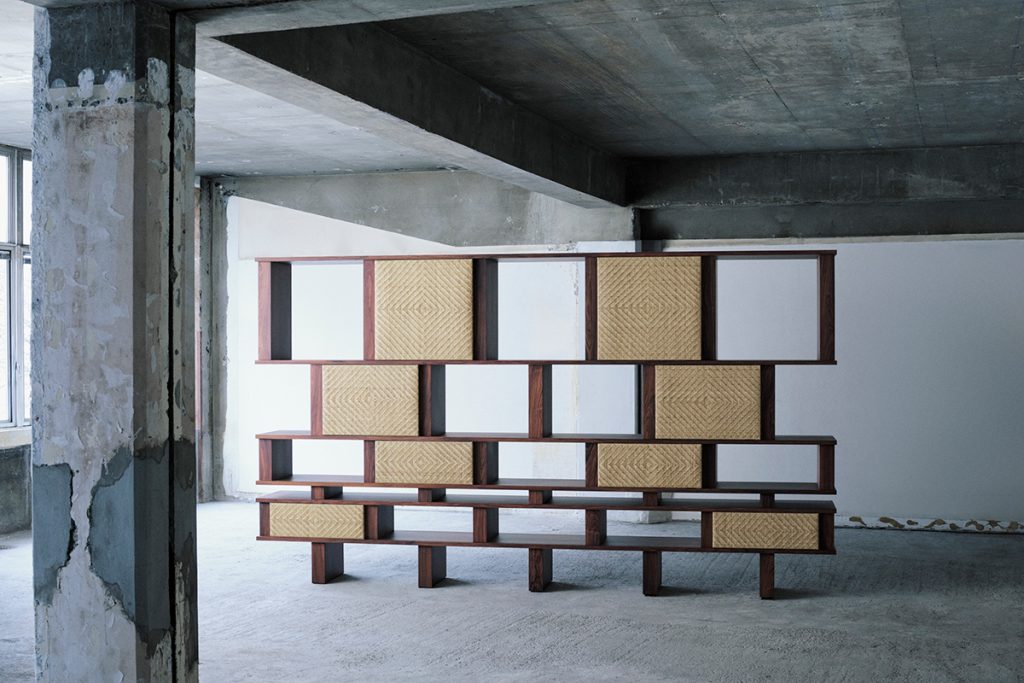
They include the Rio de Janeiro bookcase, constructed in rosewood and cane, and the Mille-Feuilles table, whose circular surface is formed from alternating layers of rosewood and cherrywood. The collection also features an armchair originally designed in Indochina and an extraordinary seven-metre-long sofa created for the Japanese ambassador’s residence in Paris.
Produced using archival references and traditional craftsmanship, the furniture was presented in collaboration with Galerie Patrick Seguin. The project also reflects Yves Saint Laurent’s personal admiration for Perriand, whose designs he collected during his lifetime.
The Row
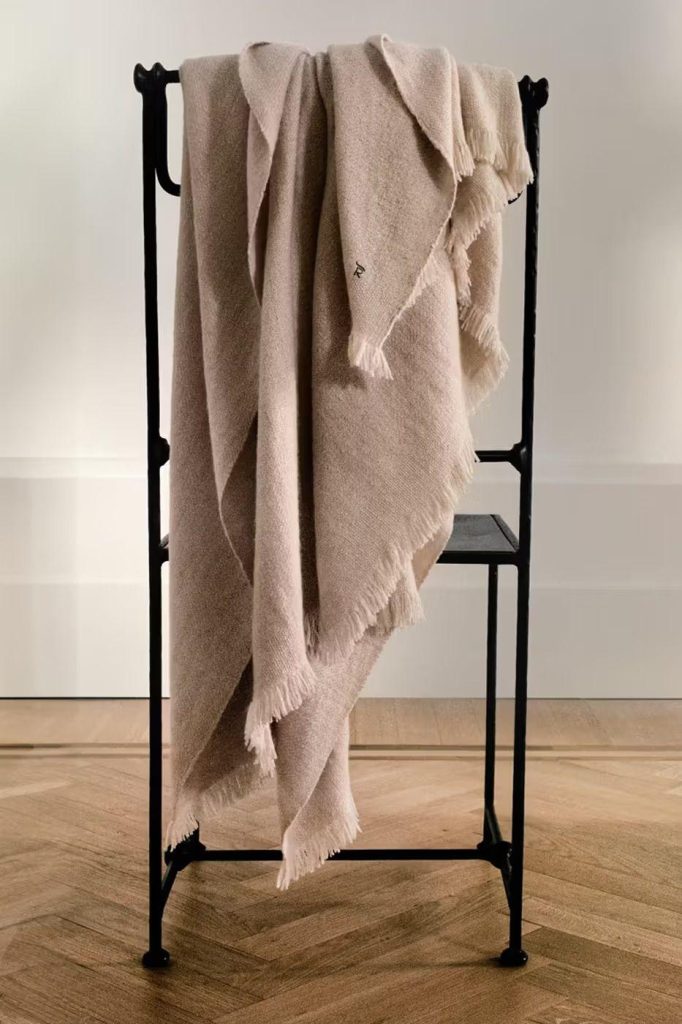
When The Row introduced its first homeware collection during Milan Design Week in April 2025, it was an exercise in the same restraint that has defined the house’s fashion collections.
Presented at Palazzo Belgioioso, the debut focused on an edited selection of cashmere blankets and bedding, developed by founders Mary-Kate and Ashley Olsen with particular attention to fabric quality and construction.
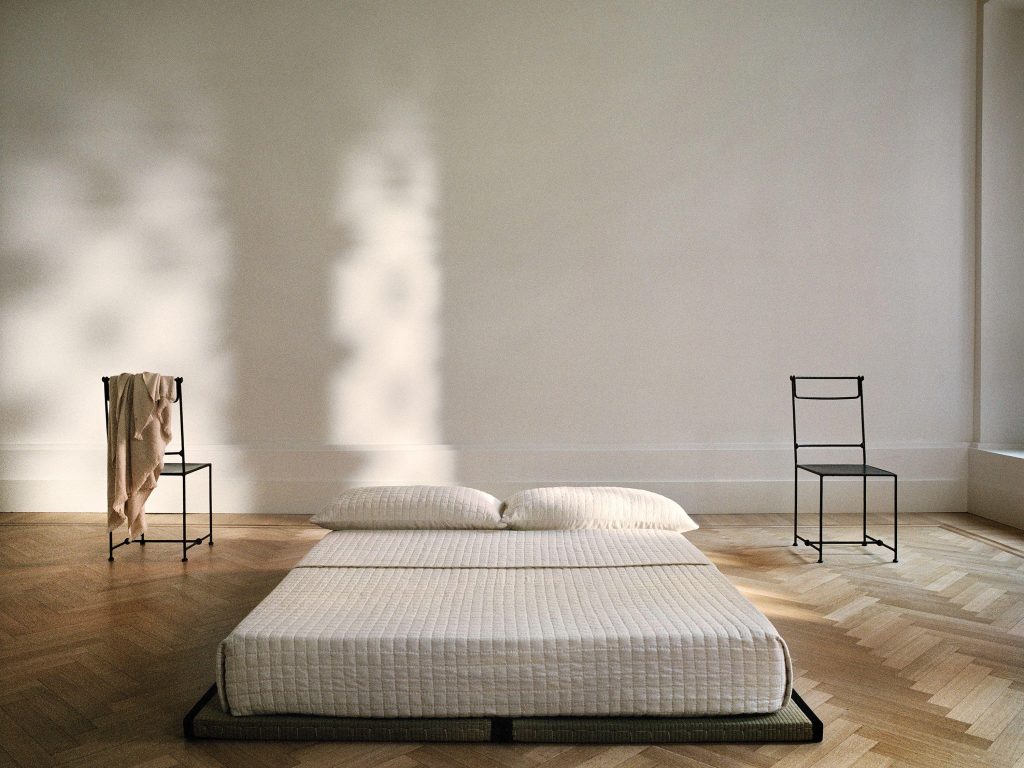
The collection includes exceptionally fine cashmere sourced from young goats, with blankets handwoven in India and quilted bedding featuring precise, hand-stitched details. The colour palette is deliberately limited, while branding is almost entirely absent.
For a house whose reputation has been built on exceptional materials, carefully considered proportions and an understated aesthetic, the move into home textiles feels entirely consistent. The objects are simple in appearance, but the quality lies in their construction and the considerable work involved in developing them.