



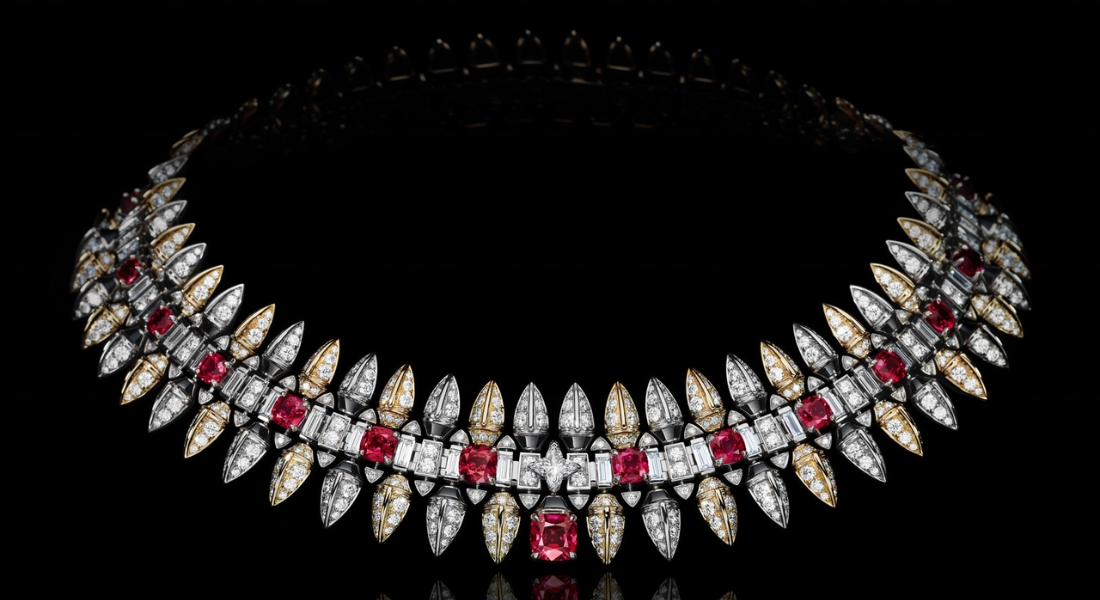
From the vibrant green of an emerald to the rich red of a ruby, coloured gemstones have long been treasured for their beauty, rarity and individuality. Whether buying a significant piece of jewellery or choosing a future family heirloom, understanding what makes a gemstone valuable is essential.
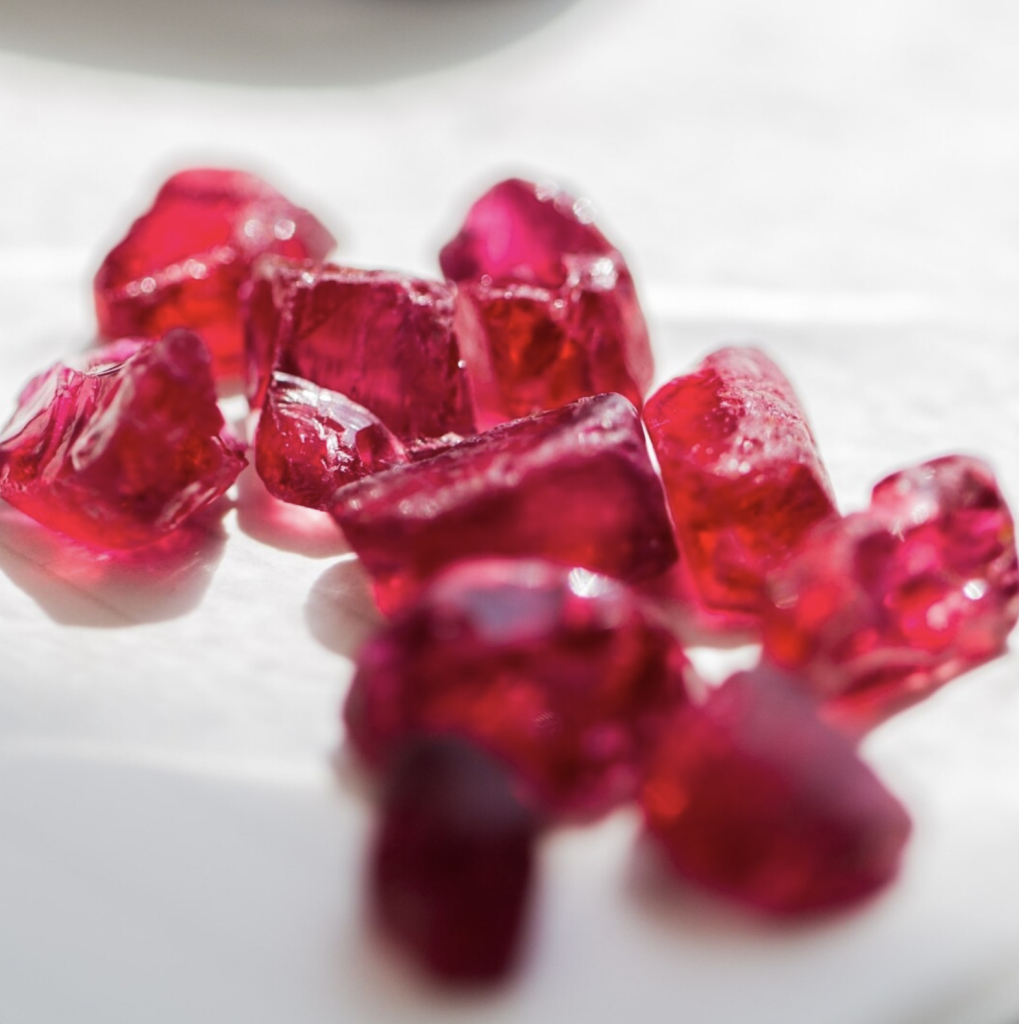
Colour Comes First
Colour is often the most important factor in determining a gemstone’s value. Stones with rich saturation, attractive tones and even colour distribution are generally the most desirable. However, personal preference matters, and the most valuable colour isn’t necessarily the one you’ll love most.
Many coloured gemstones undergo treatments to enhance their appearance. Heat treatment is common in rubies and sapphires, while emeralds are frequently treated with oils or resins to reduce the visibility of natural fractures. Always ask about treatments, as untreated stones of exceptional quality can command significant premiums.

Does Origin Matter?
Kashmir sapphires, Burmese rubies and Colombian emeralds are particularly prized, but exceptional gemstones can be found elsewhere. Mozambique produces beautiful rubies; Zambia is known for emeralds and Sri Lanka for sapphires. Quality should always take precedence over a stone’s origin.
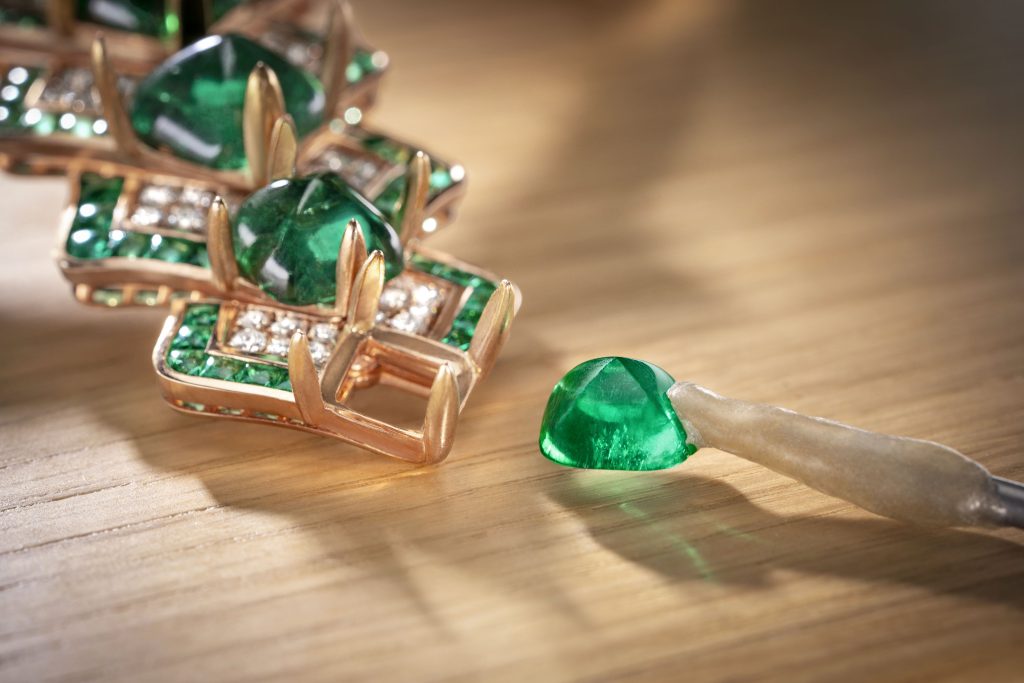
Size Isn’t Everything
A larger gemstone isn’t necessarily more valuable. A smaller stone with exceptional colour, clarity and an attractive cut may be worth considerably more than a larger example of lesser quality. Focus on the stone’s overall beauty rather than carat weight alone.
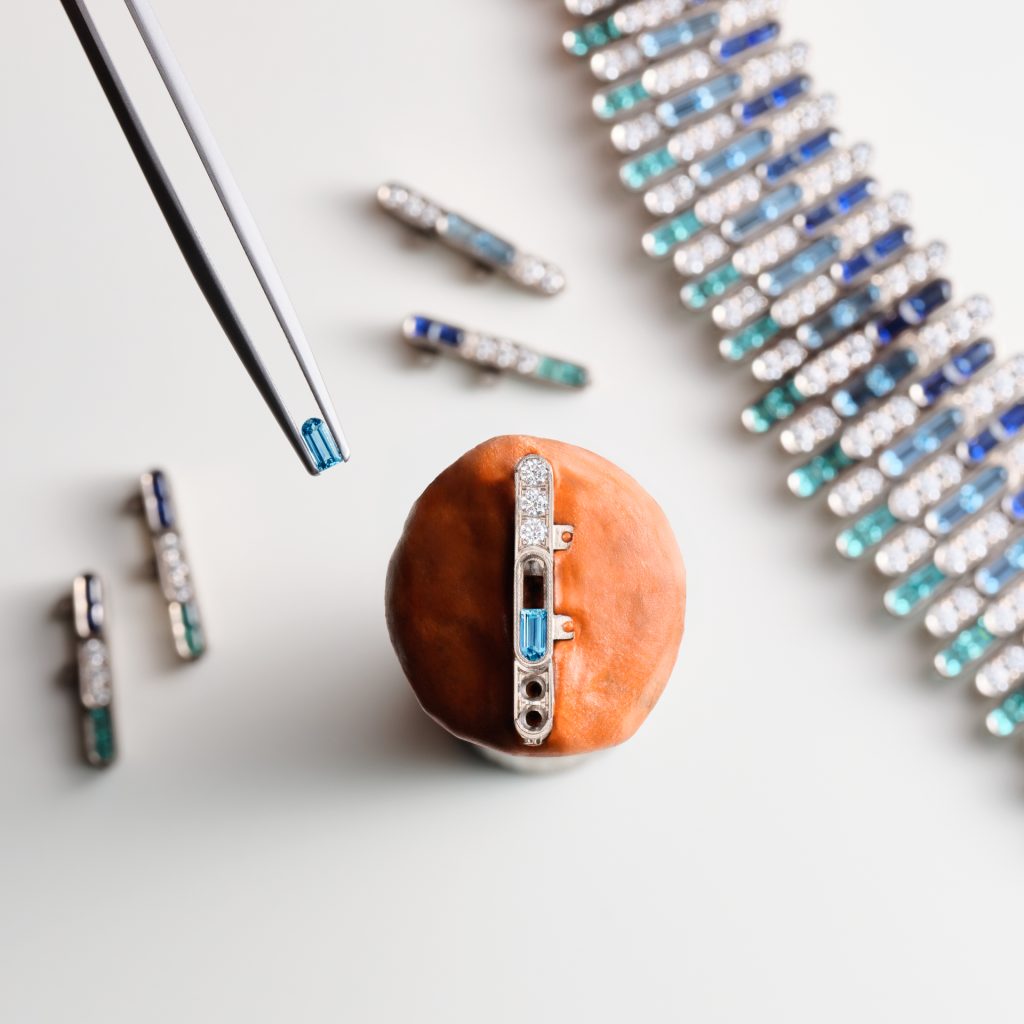
Ask for a Laboratory Report
For significant purchases, request an independent report from a respected gemmological laboratory such as GIA, SSEF or Gübelin. These reports can determine whether a stone is natural or lab-grown, identify detectable treatments, and, in some cases, offer an opinion on geographical origin.
Choose Something You’ll Treasure
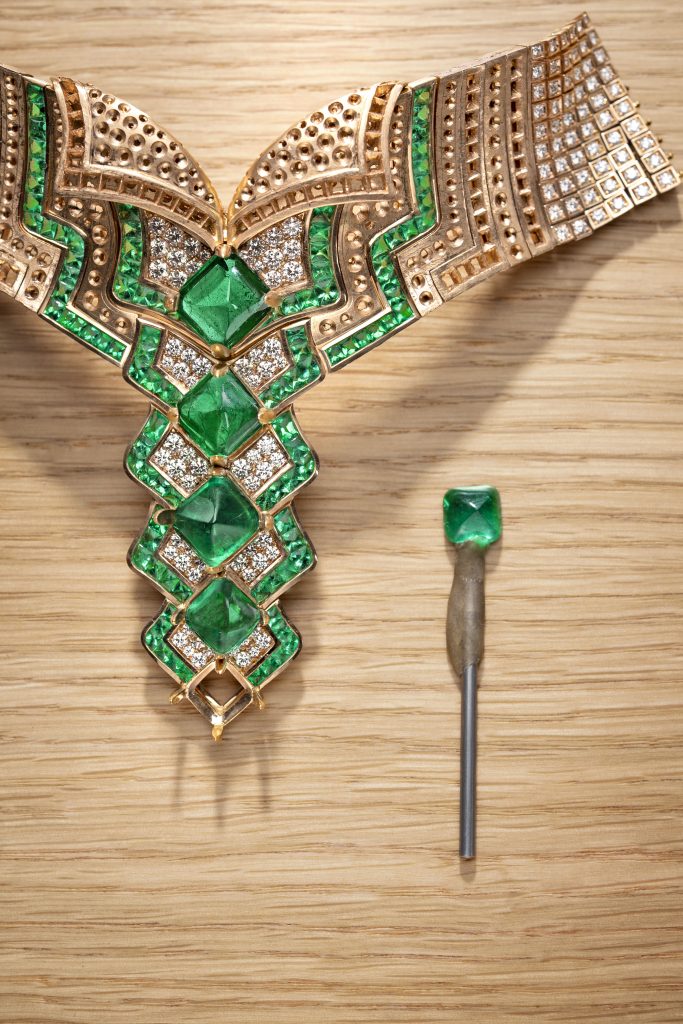
Consider how often you intend to wear the gemstone and how durable it is. Rubies and sapphires generally suit everyday jewellery, while emeralds require more careful handling. Above all, choose a stone that appeals to you personally, whether you plan to wear it regularly or pass it down through generations.