


For decades, luxury fashion was defined by perfection, polish, and flawless craftsmanship. It removed itself from ordinary life, becoming a fantasy that is only aspirational for many.
However, as the world becomes more digital and automated, with perfection attained through mere clicks and prompts, aspiration is no longer defined by flawlessness in design. In fact, it might be just the opposite. Luxury houses are leaning into intentional imperfections as a celebration of the irrefutable human touch and a rebellion against codified perfection.
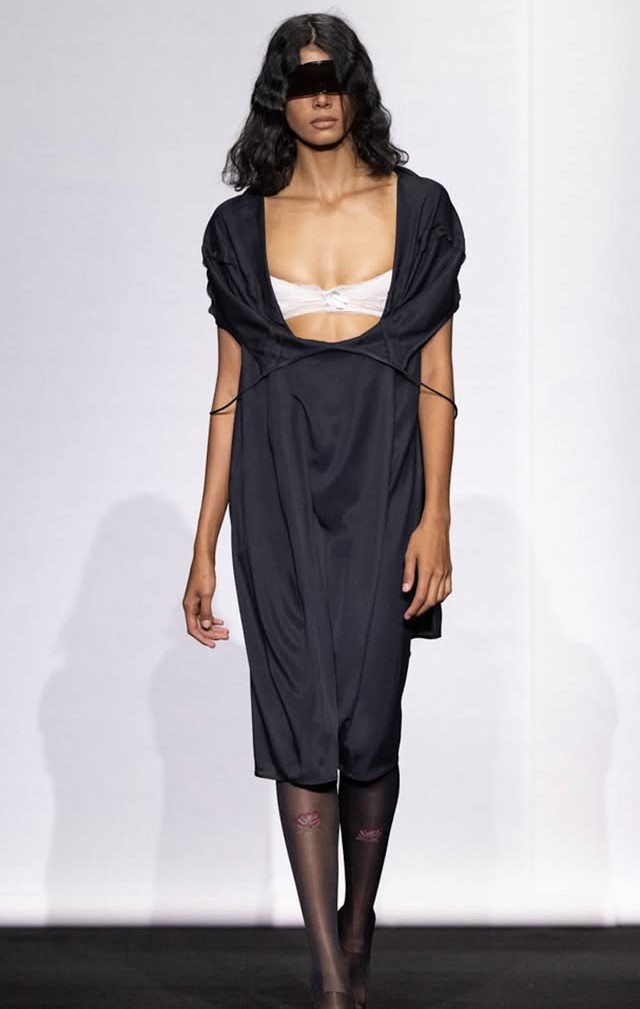
It is not simply a design shift but rather a narrative shift, with runways and campaigns putting the garments’ lived-in context at the forefront, compelling the audience to look beyond the design and seek value in moments that shape its luxury.
Here’s how the SS27 runways demonstrated this shift.
Unevenly fastened buttons
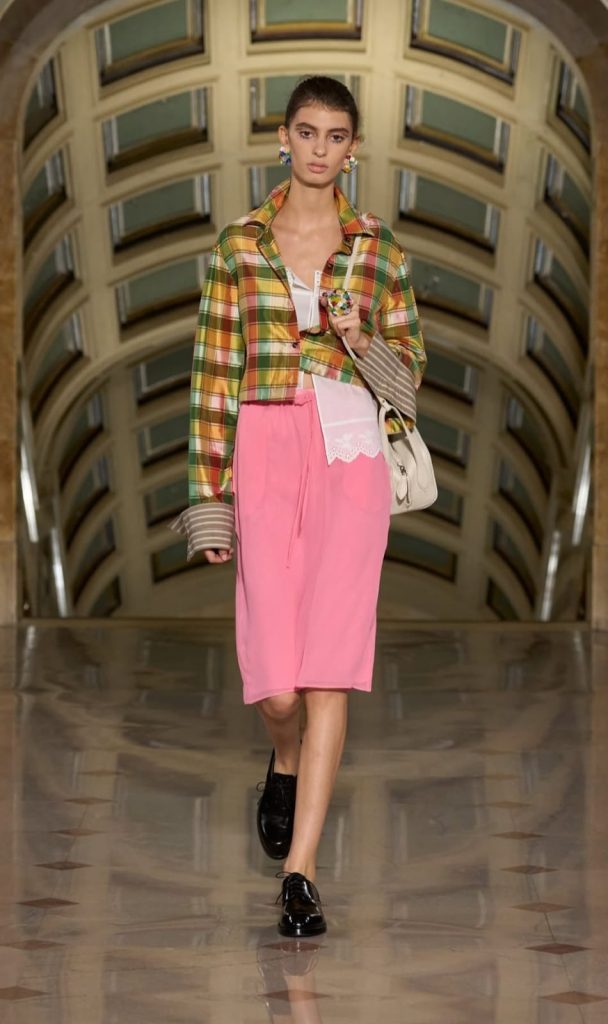
Rejecting predictable styling, designers sent down models on the runway wearing shirts and jackets that are unevenly fastened or unhooked. Brands like Jil Sander and Altuzarra brought this edge through styling that juxtaposed the fine craftsmanship of the garments. Across their collections, shirts and jackets were worn “wrong”, making the imperfection part of the story.
Unfinished Raw Hems
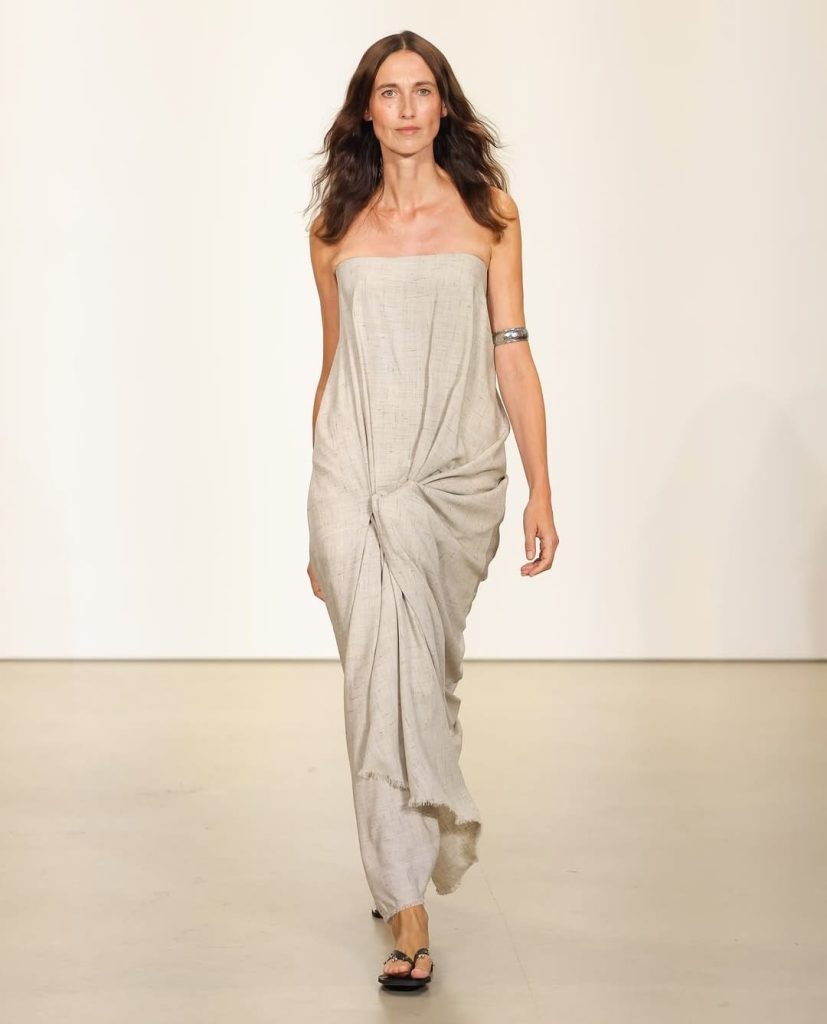
Prabal Gurung, Dauphinette, Paolo Carzana and more allowed the garments to fall in their natural state, not restricting the length or the threads by leaving the hem raw. The looks brought an unfinished aesthetic, not in a way that felt lazy but in a way that added character and depth to the story being told.
Sleeves coming undone
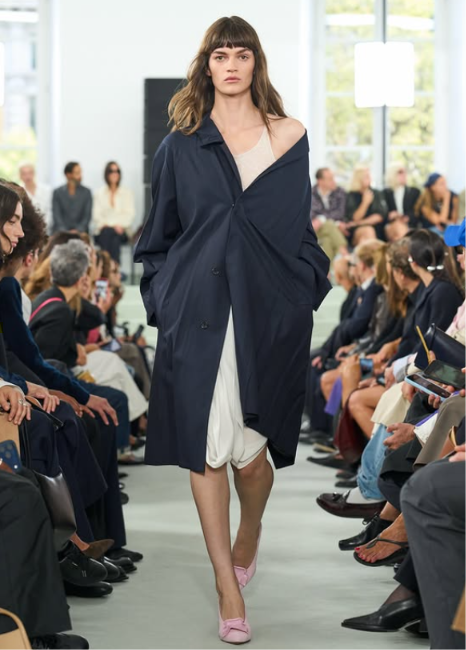
Across Altuzarra, Tibi, Knwls, and Jil Sander, sleeves never quite rested on the shoulders. Throughout shirts, tops, and dresses, relaxed necklines gave ample space for the sleeves to fall from the shoulders, looking undone. This allowed further movement of the garment, not restricting them to the usual body lines.
Crinkled Textures
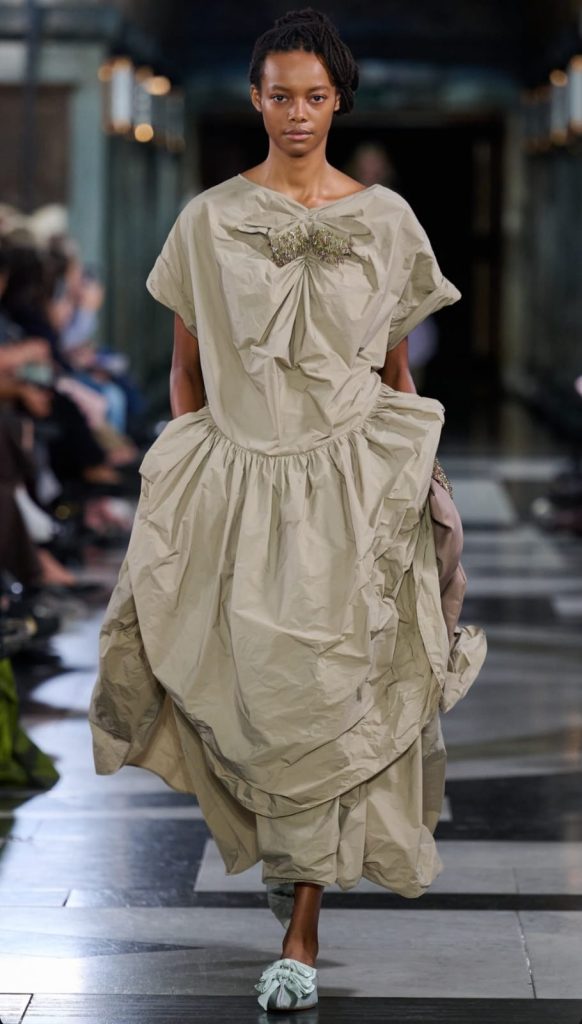
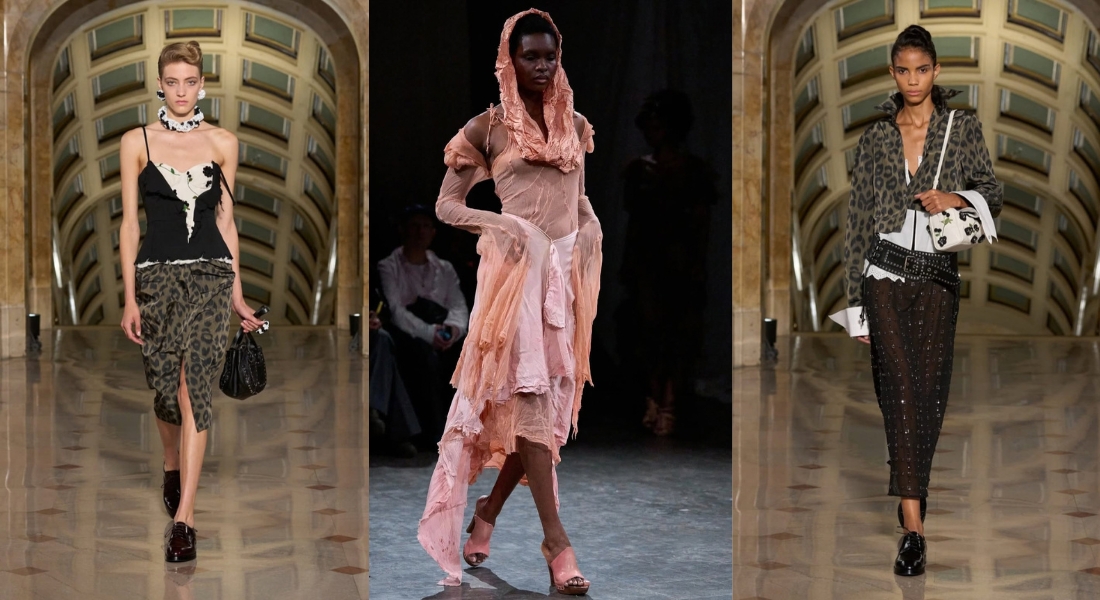
Turning away from machine-smooth perfection, crinkled fabrics and textures are another way designers are bringing the imperfect look to life. By favouring surfaces that look crushed, creased, or lived-in, these looks bring a sun-worn quality to the designs. In this context, the crinkle is not presented as a flaw to be steamed away, but it is the demonstration of a life beyond the perfect image.
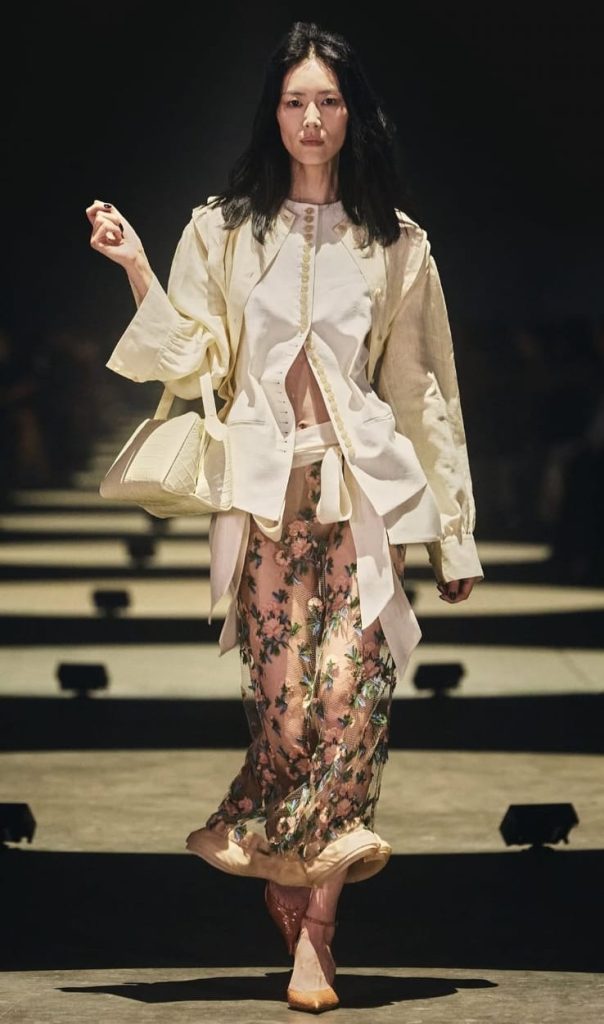
Furthermore, sheer layering that shows the undergarments, unhooked backs, and unsewn layers all appeared on the runway, with interpretations carefully constructed to feel deliberate and novel. Brands like Diesel, Maison Margiela, Balenciaga, and more have made distress part of their design language. These imperfections, engineered in a controlled manner, open thought-provoking conversations.
While these shifts are becoming more visible on the runways, we see a cultural shift taking shape as well. From the rise of pre-loved luxury to mending culture becoming more prominent, fashion buyers are also embracing imperfections. The change is not merely a return of the grunge or facade intended to provoke the audience, it is a response to an image economy that makes us feel farther from our authentic self.
It is a reclamation of our flawed humane nature.
By Bhavatna Prasad