



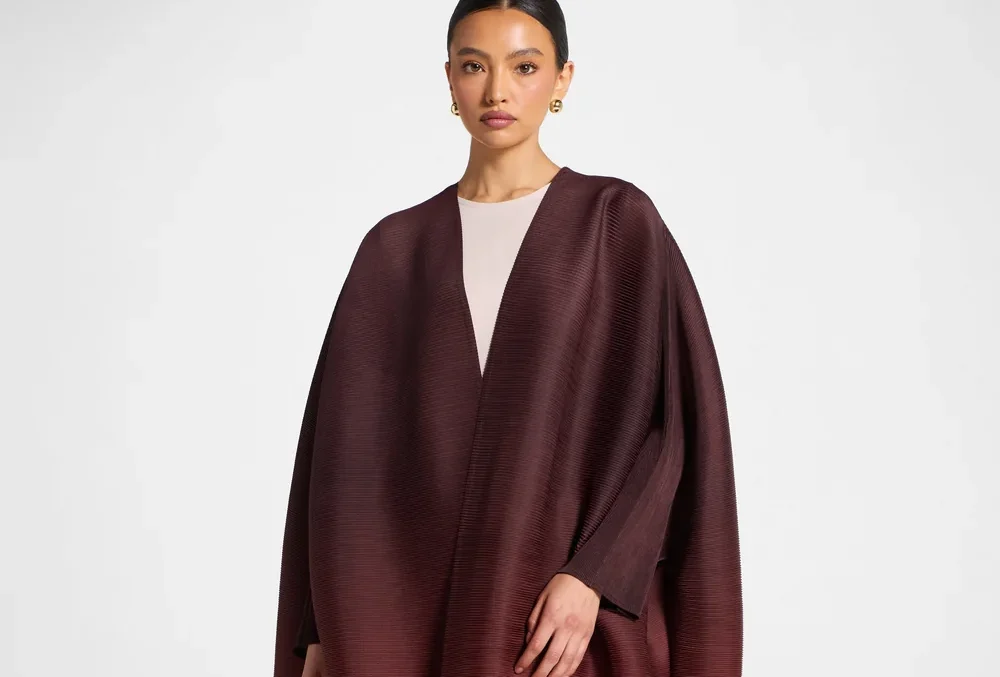
Resting delicately on the shoulders and dropping gracefully to the floor, creating a deliberate movement, the Abaya is one of the most resilient and adaptable garments. With over thousands of years of history, Abaya has evolved from a functional, climate-driven essential into a high-fashion statement in the contemporary landscape, reflecting social and cultural shifts.
History and Evolution
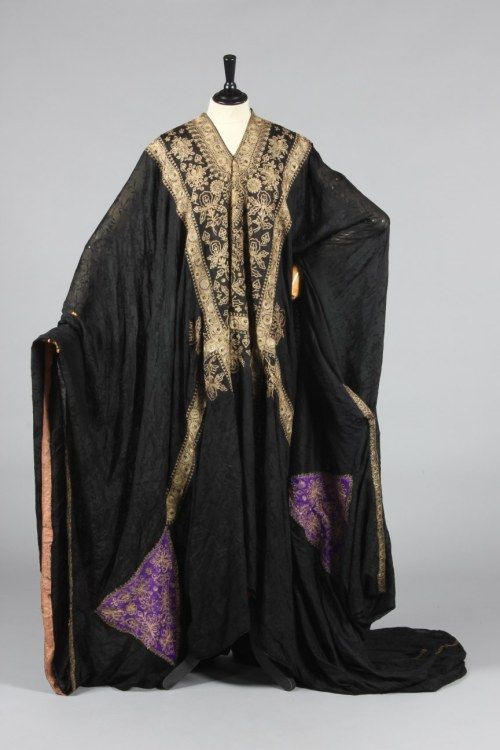
Even though its origins are vague, the history of the abaya long predates modern regional boundaries, tracing back to pre-Islamic Arabia. Back then, they served as a shield from harsh weather conditions in the deserts.
Over the centuries, they underwent a series of evolutions, adopting embroidery, embellishments, and fabric varieties, reflecting evolving times and culture. With the region growing in wealth and people having greater access to luxury fabrics, abayas became more elaborate.
They became canvases where wearers could experiment with cuts, designs, lengths and ornaments. Globalisation and access to international fashion trends further drove this shift.
Architecture
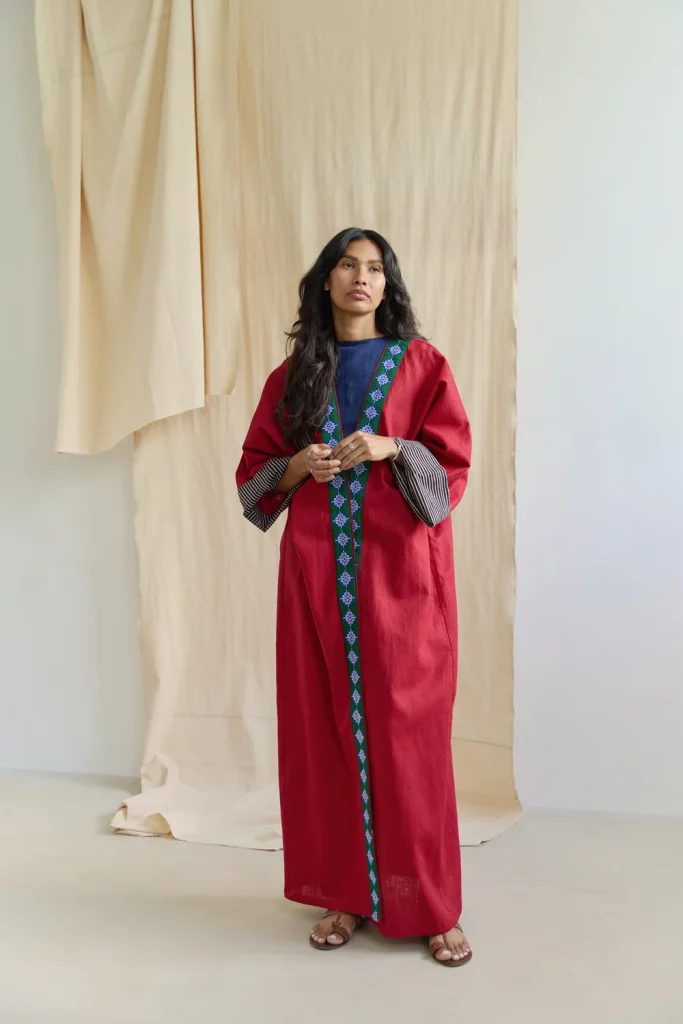
Architecturally, the traditional abaya is a masterpiece of fluid geometry. Operating on principles of volume and negative space, abayas carry a distinctive character separate from tailored western garments that rely on seams and structural waistlines. The suspension of light fabrics away from the skin creates a continuous air pocket that acts as a natural cooling agent in arid climatic conditions. The design prioritises absolute freedom of movement while giving the wearer an elevated presence.

Cultural Significance
With its rich heritage and history going back centuries, it is no surprise that the abaya is closely tied to the region’s cultural identity. They symbolise modesty, humility, and dignity for women, acting as a sartorial armour that offers autonomy over how much of oneself is revealed to the public. They also signify social status and, as per subtle nuances in tailoring, textiles, and quality, demonstrate taste and sophistication within spaces occupied by women and broader social circles.
Adoption into High Fashion
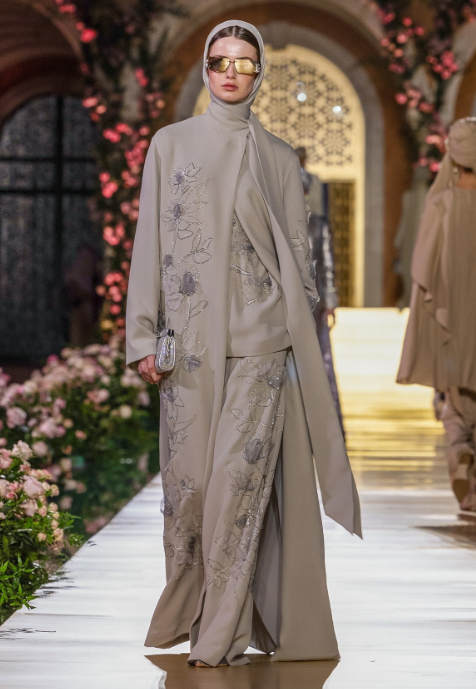
Recognised by major luxury houses globally, abayas have risen into higher ranks in international fashion, marking a pivotal shift from regional garment to global couture. This mainstream adoption has placed abayas on global runways, reinterpreted for modern contemporary sensibilities while honouring their roots. Abayas also serve as canvases for elaborate experiments in haute couture tailoring, incorporating opulent silks, lace detailing, and elaborate embellishments.
The garment is no longer viewed through a narrow regional lens but adopts a global perspective in its architectural elegance and sartorial power.
By Bhavatna Prasad