


The world’s most inspiring hotels offer more than beautiful places to stay — they reveal new ways of thinking about the home. Across Asia, centuries of craftsmanship and architectural tradition are being preserved, reinterpreted and given new life through some of the region’s most considered interiors.
From the refined timber craftsmanship of Kyoto to a collection of century-old Javanese houses in Bali, these five intimate hotels prove that luxury is often found in character rather than excess. Each offers a different design lesson worth bringing home.
Bring Home: Craftsmanship over decoration
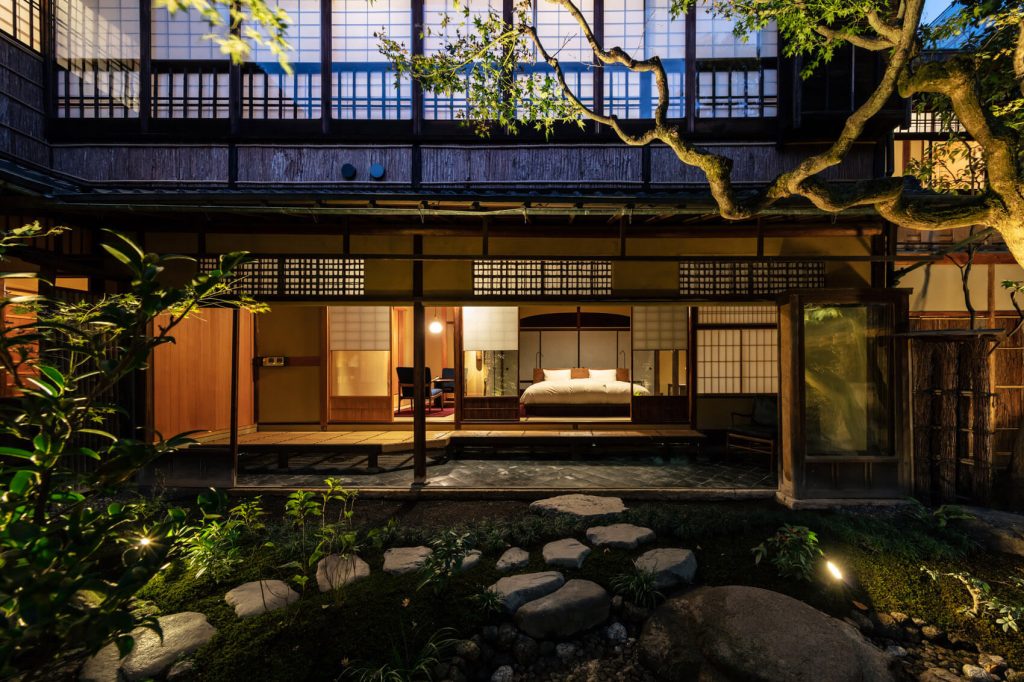
Set in Kyoto’s historic Gion district, SOWAKA brings together traditional Sukiya architecture and contemporary Japanese design. Its original building draws on generations of Japanese craftsmanship, while timber screens, carefully considered proportions and tranquil garden views allow the architecture itself to become the focus.
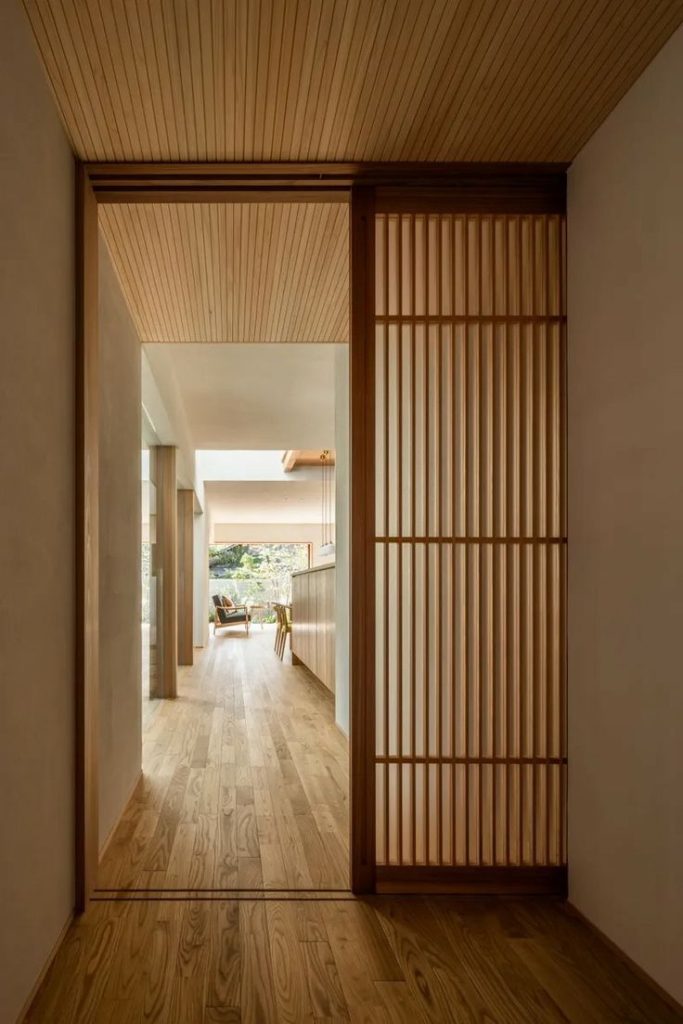
Rather than filling a room with decorative objects, take inspiration from the details that shape the space itself. Timber screens, beautifully crafted cabinetry and slatted partitions introduce warmth while allowing light to move between rooms. Keep furniture simple and the palette restrained, allowing natural wood, fine joinery and thoughtful craftsmanship to provide the character.
Bring Home: Preserve the imperfections
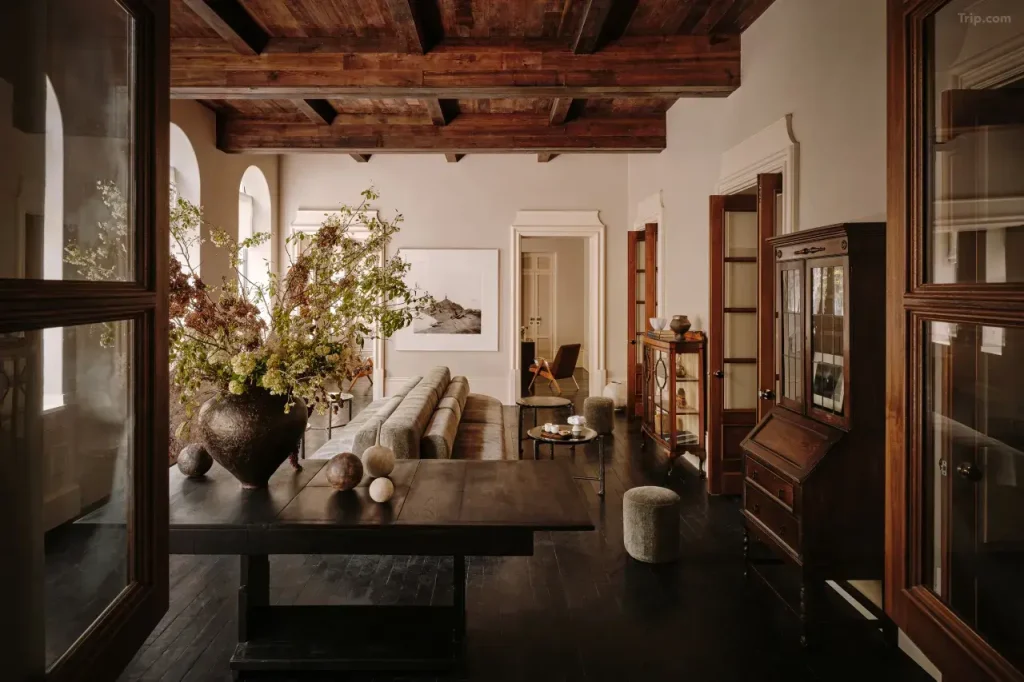
Set along Chongqing’s historic Shancheng Alley, Sunyata Ren’ai Hall transforms a roughly 120-year-old former charitable institution into an intimate 25-room hotel. Original timber beams and historic architectural details have been retained alongside contemporary furnishings, allowing the building’s past to remain visible rather than disguising it beneath a pristine renovation.
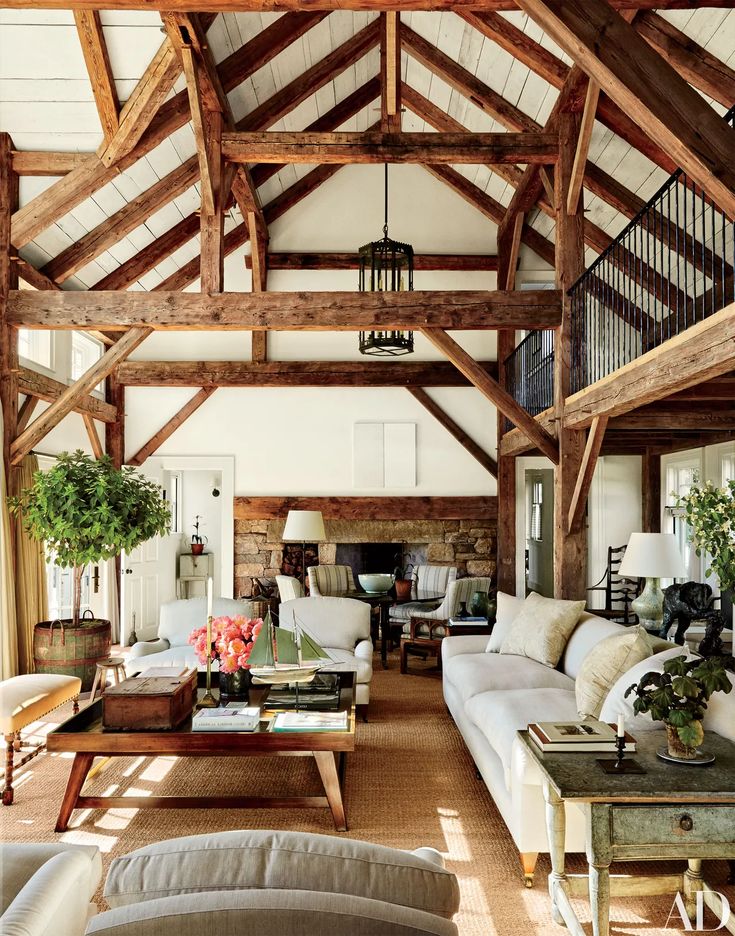
At home, embrace the features that reveal a building’s age. Weathered beams, worn timber and original stone can bring warmth and character when balanced with cleaner contemporary pieces. Pair dark aged wood with pale walls, introduce a streamlined sofa beneath an original ceiling and allow antique furniture to sit comfortably beside modern art. The contrast keeps heritage feeling relevant rather than overly traditional.
Bring Home: Modernise tradition, don’t erase it
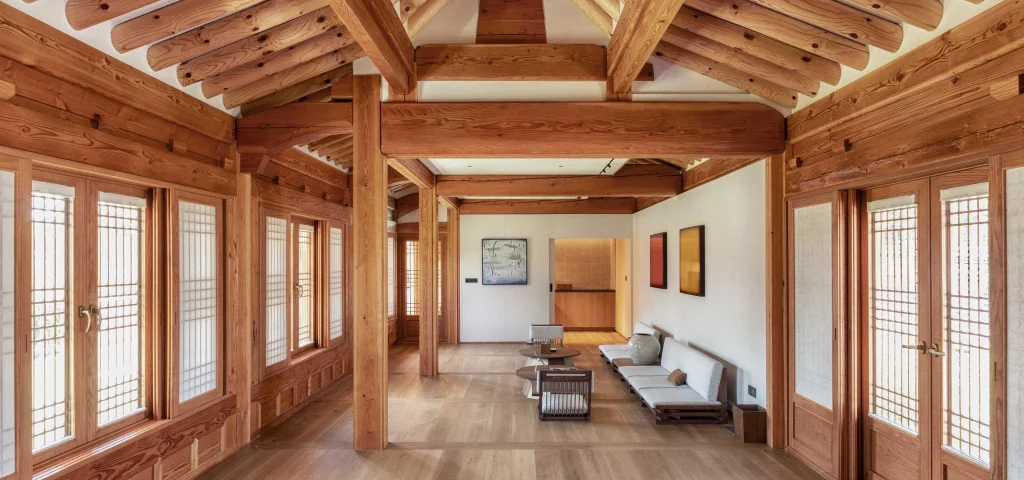
Surrounded by the mountainous landscape of Yeongwol, The Hanok Heritage takes the principles of traditional Korean hanok architecture and reinterprets them for contemporary living. Timber construction remains central to the property, with carefully crafted wooden structures and interiors that allow Korean architectural heritage and modern comfort to coexist.
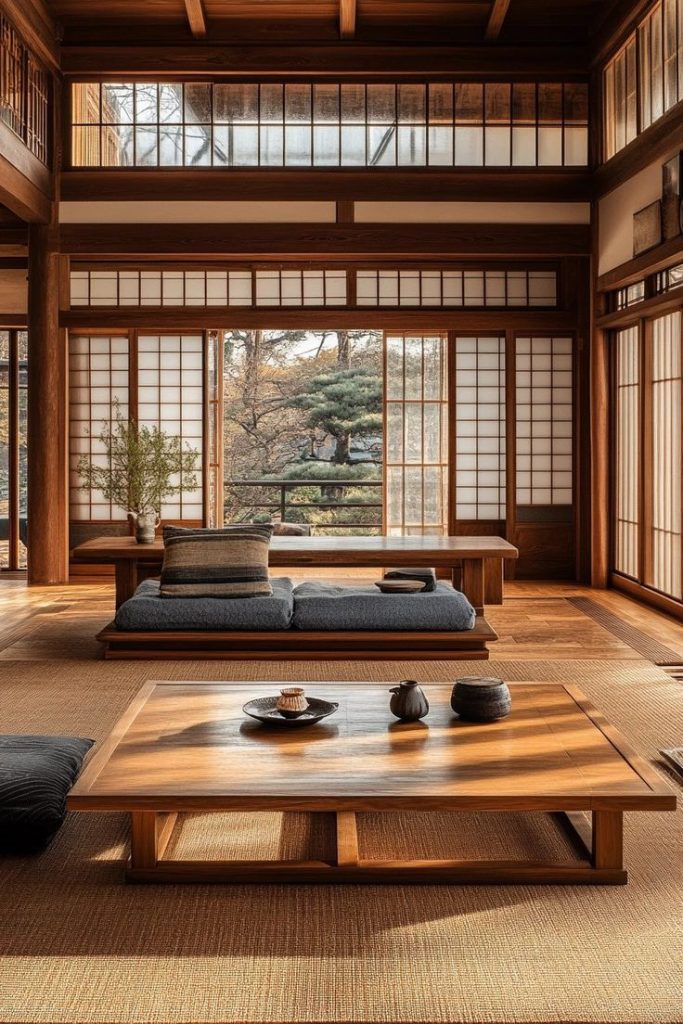
The same philosophy can transform a home with strong architectural character. Rather than modernising every original detail, allow timber framework, traditional screens or distinctive proportions to remain visible, then introduce contemporary furniture around them. Low seating, understated upholstery and a limited material palette keep the room feeling current without competing with the craftsmanship of the building itself.
Bring Home: Layer craftsmanship, not clutter
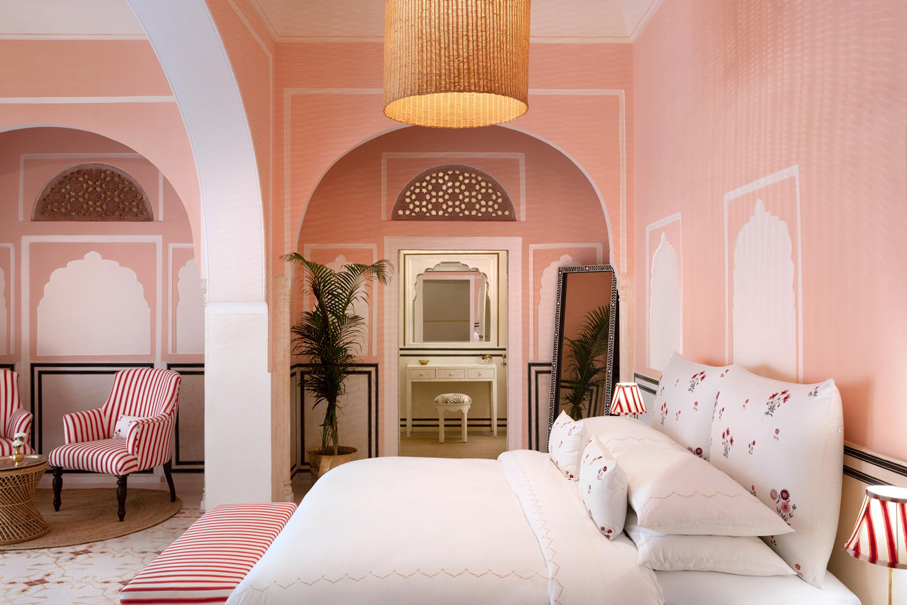
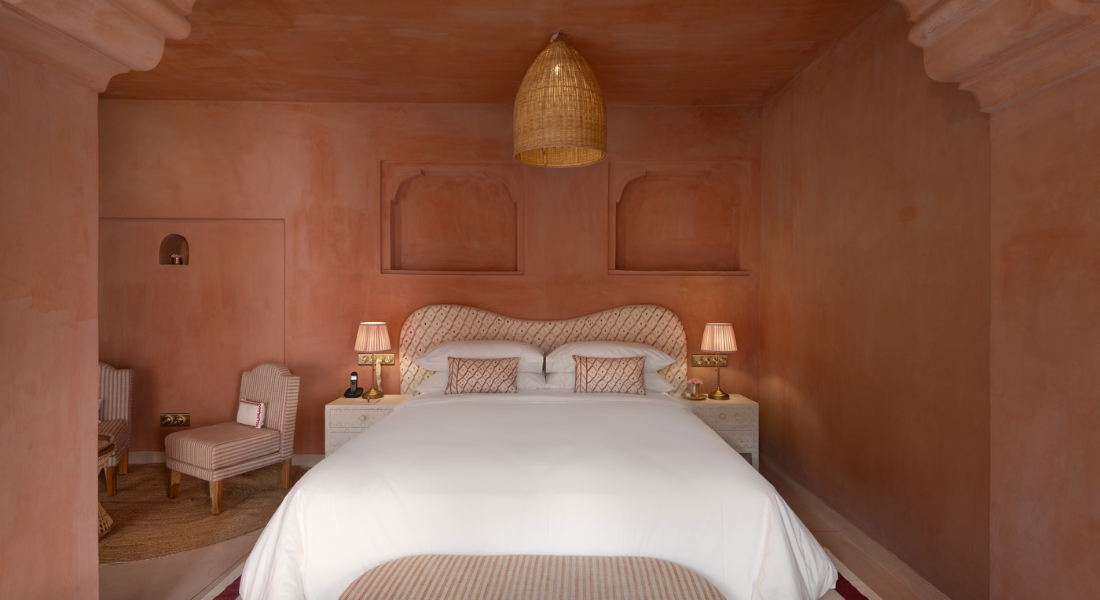
Tucked away in Jaipur’s colourful Johri Bazaar, The Johri occupies a restored 19th-century haveli, where richly decorative interiors celebrate both the character of the original home and Rajasthan’s long tradition of craftsmanship. Soft pinks, intricate details, pattern and handcrafted furnishings create rooms that feel expressive without losing their sense of refinement.
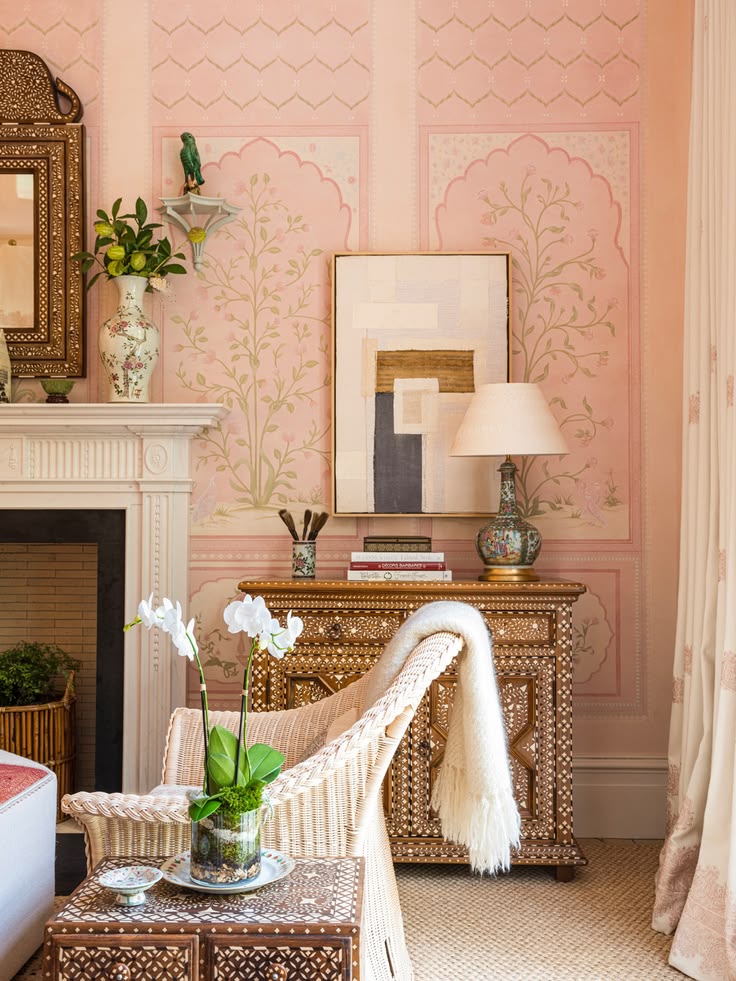
Recreating that richness at home is about choosing layers with intention. Begin with a softly coloured wall or hand-painted detail, then introduce intricately crafted furniture, patterned textiles, ceramics and cane. Rather than filling every surface, let individual pieces demonstrate a particular material or craft. Keeping the palette connected allows several decorative elements to coexist while the room still feels considered and calm.
Bring Home: Give old materials a second life
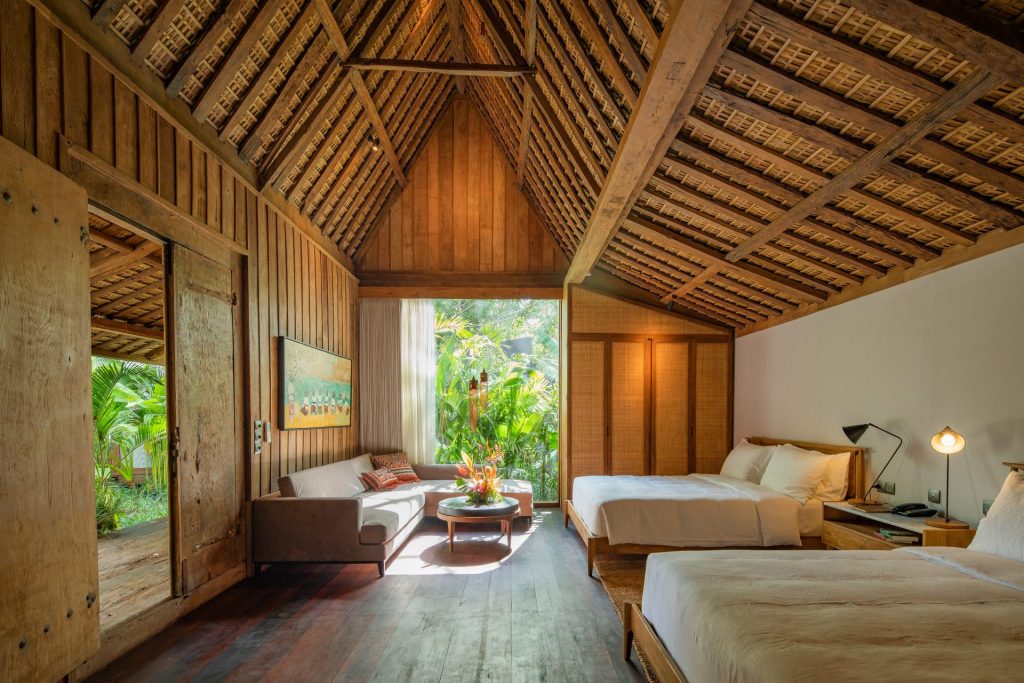
At The Asa Maia in Uluwatu, Bali, the ten guest suites are housed within century-old gladaks — traditional hand-hewn Javanese timber homes individually sourced in East Java before being dismantled, transported and carefully reconstructed. Their aged wood and visible structure give the understated interiors a depth that new materials could rarely recreate.
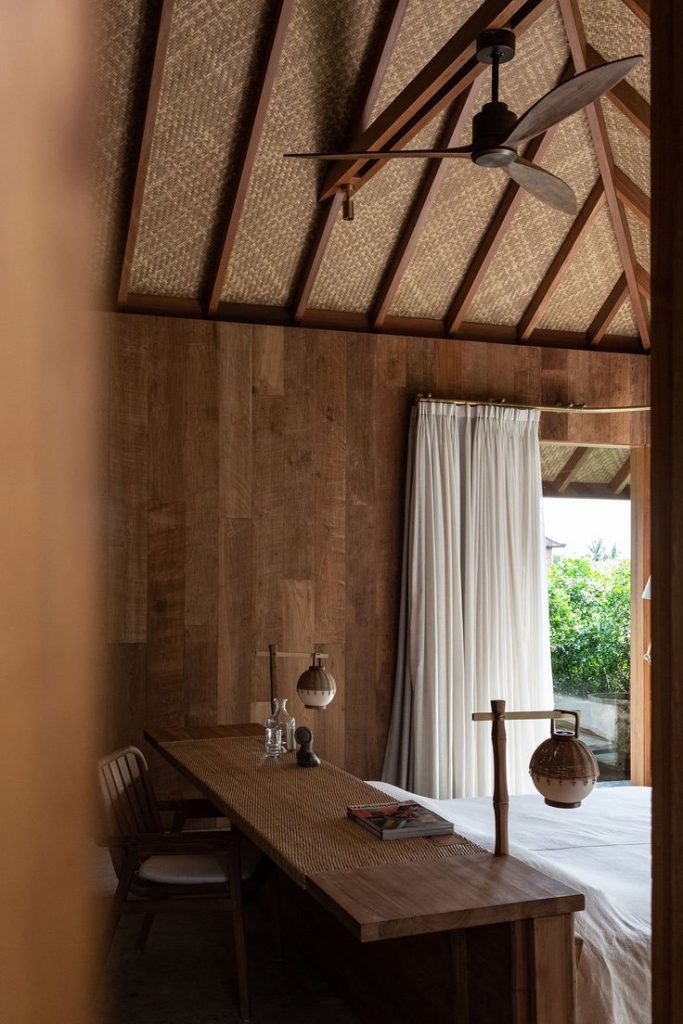
Bring the same philosophy home by treating reclaimed materials as features rather than imperfections. Weathered timber beams, antique doors and reclaimed wood furniture can bring immediate history to a room, particularly when balanced with crisp linen, simple upholstery and woven natural fibres. The aim isn’t to make a home feel rustic, but to allow beautifully aged materials to bring warmth and individuality to an otherwise restrained interior.
The most memorable hotel interiors are rarely defined by a single trend. They draw their character from architecture, craftsmanship and materials that feel intrinsically connected to where they are.
Whether it is the precise joinery of Kyoto, the preserved patina of Chongqing, the timber architecture of a Korean hanok, Jaipur’s decorative craftsmanship or the reclaimed Javanese homes of Bali, these interiors prove that bringing hotel design home isn’t about recreating a room exactly. It is about understanding what makes it distinctive — and translating that idea into a home of your own.
By Sayhrah Noor Asif-Ali