


Where are the couture purchasers of the modern day and does couture really mean the same in this age of artificial intelligence?
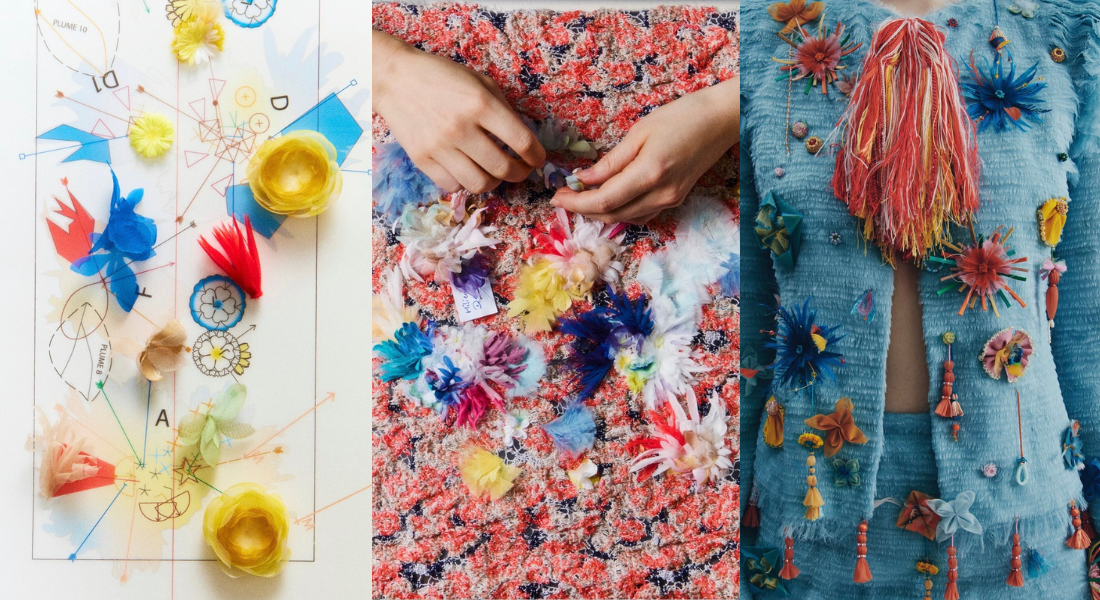
Haute Couture, the almost 166 years old tradition is unarguably the highest and finest form of fashion. Crafted entirely by hand, couture has been the very manifestation of the phrase “fashion is art”, at the helm of which is craftsmanship, quality, and innovation.
In the mid 20th century golden age, the Parisian salons were populated by over 20,000 connoisseurs purchasing the hand-sewn legacies that defined their lifestyles. Today, that number has seen a drastic decline with a global pool of only 4000 elites who belong to that inner circle.
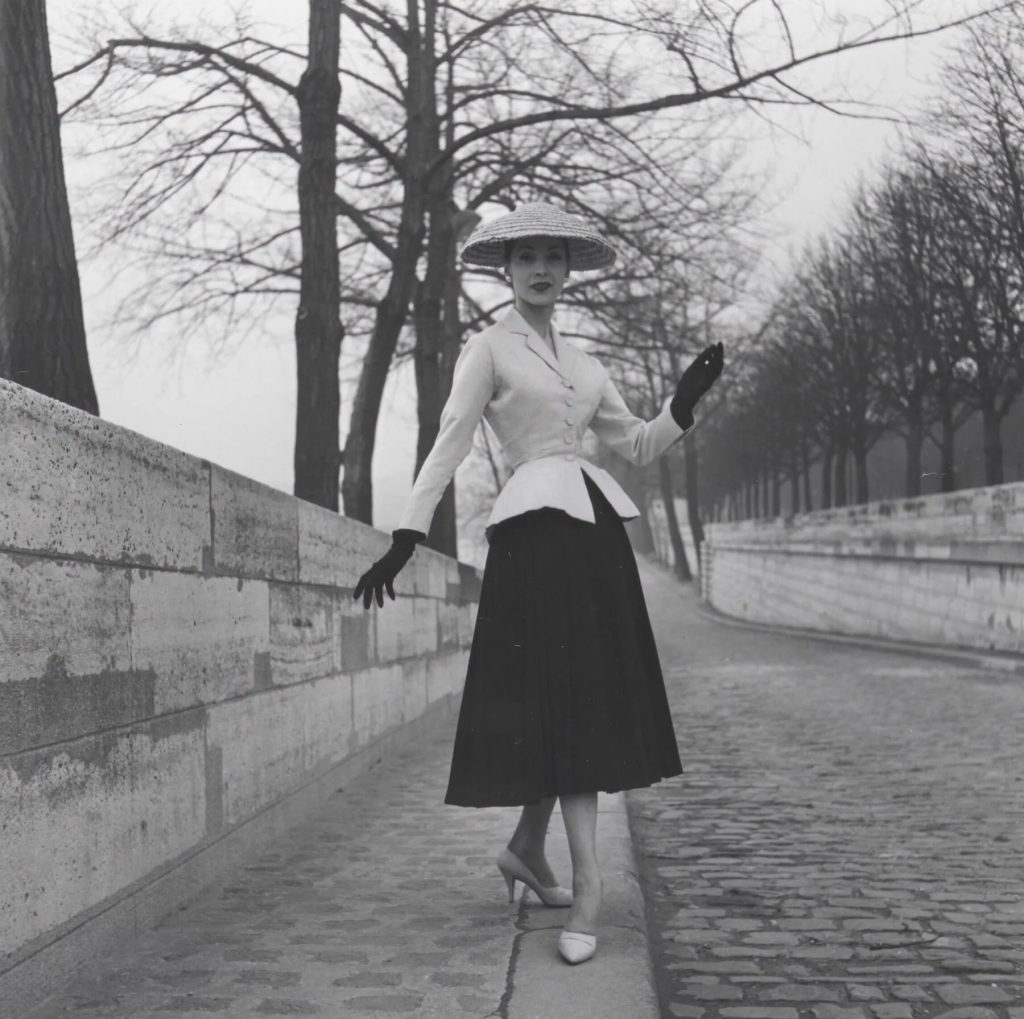
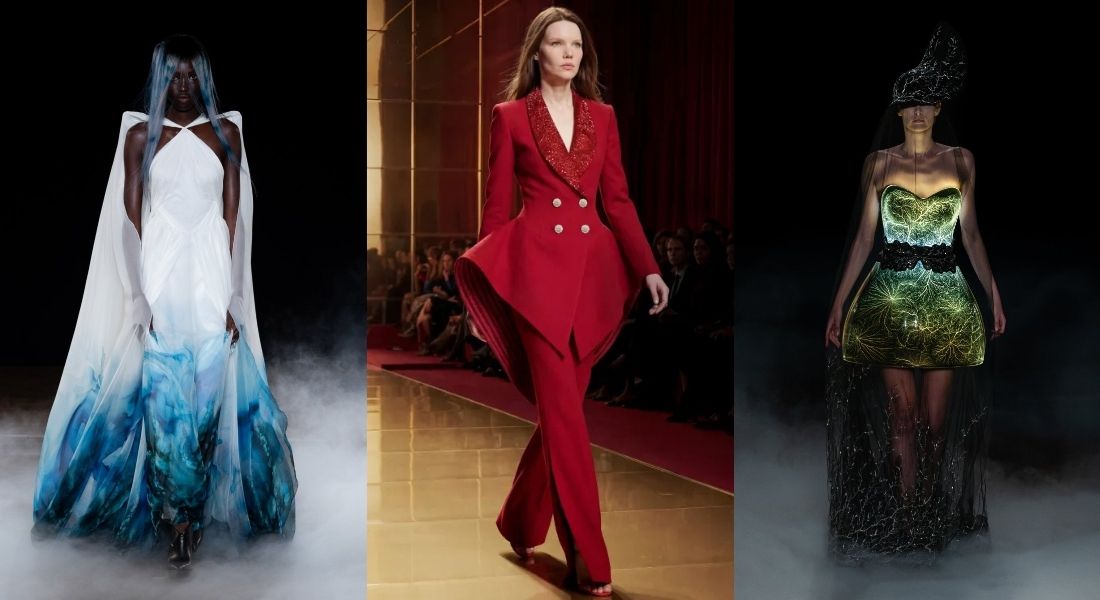
This decline has broken down the financial structure upon which couture was built and operated. No longer a profitable venture on its own, high dressmaking is not a display of craftsmanship or innovation anymore, but rather a marketing loss-leader. The highly curated runway spectacles are hardly about the six-figure fineries, and serve only as drivers of mass-market consumption of perfumes, cosmetics and ready-to-wear clothing.
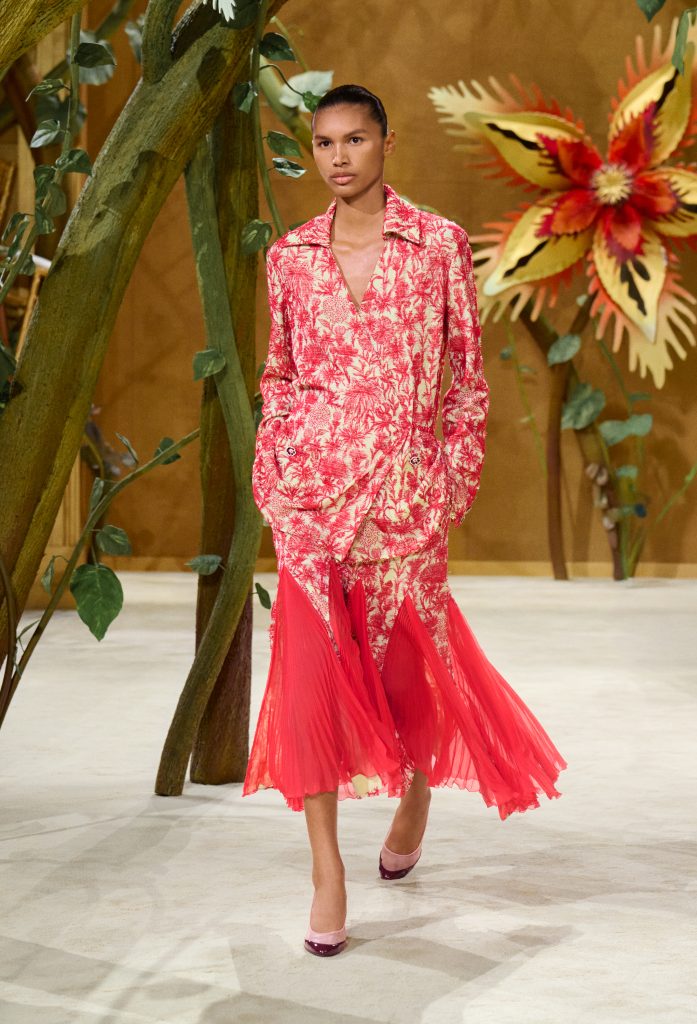
However, a more serious existential threat has breached the high fashion industry as we experience the advent and integration of artificial intelligence. The recent Paris Couture Week shook the fashion scene as designer Alexis Mabille debuted his AI couture collection presented on virtual models. While the collection was meticulously directed by Mabille, it ignited a fierce debate on the authenticity and dilution of luxury.
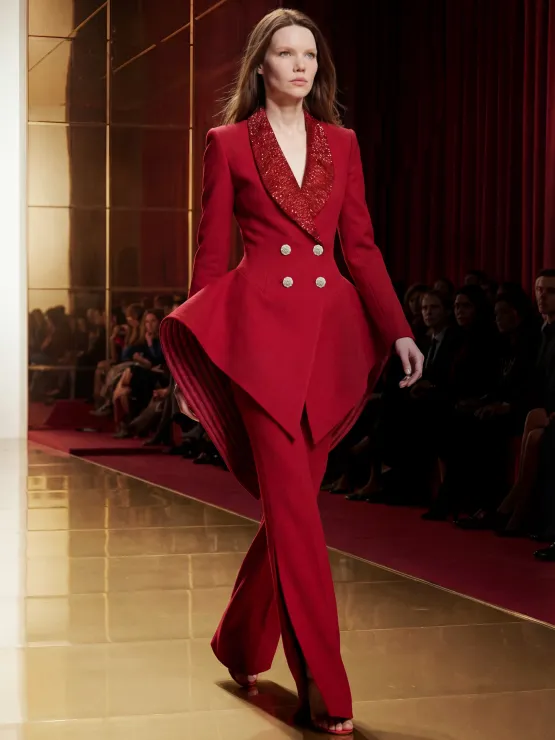
When high fashion legacies of craftsmanship and mastery are so easily swapped by algorithmic shortcuts, fashion comes under threat of losing its own DNA. Couture is defined by the very hands that craft it. Reconfiguring these ateliers into digital algorithms democratises couture, thus cheapening it. When machines dream of silhouettes and computers render the textures, the romantics of the finery evaporates.
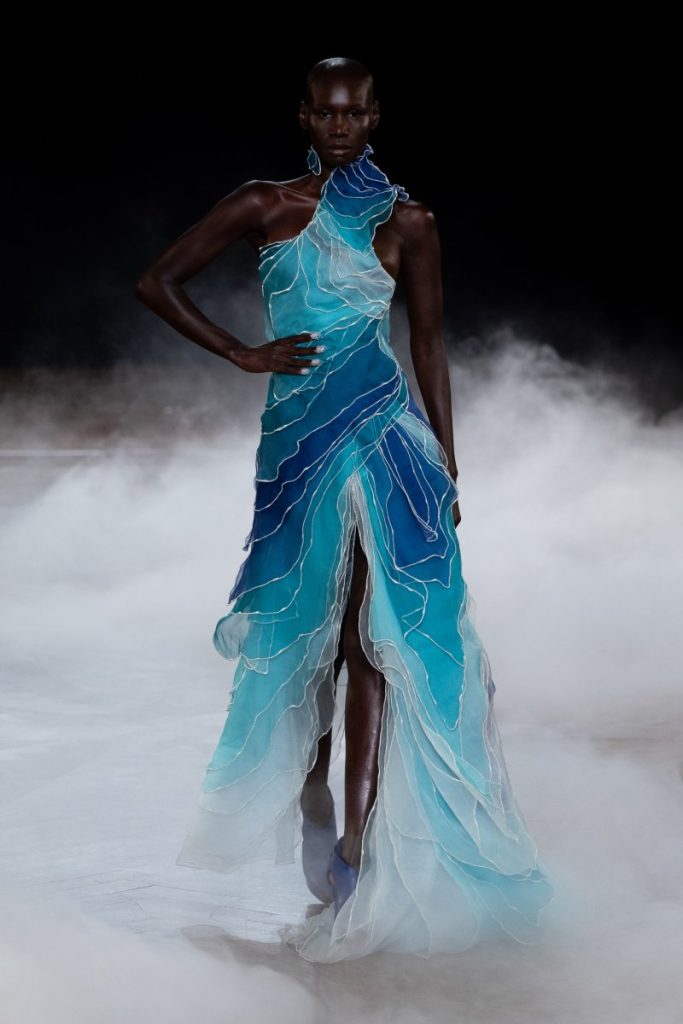
This technological disruption serves as yet another paradox of luxury. Forward thinking designers like Iris van Herpen are adamant at pushing back against complete automation by proving that tech can be used to amplify human touch rather than replace it. Her Sonic Starquakes collection blended advanced particle physics and UV laser-cut carbon fiber with thousands of hand-blown glass spheres, reinforcing that true genius lies in the physical execution. Gaurav Gupta and Nao Raviv are among the other couturiers who are breaking barriers with their blend of technology and craftsmanship. As machines and algorithms may take a permanent seat within the couture landscape, its seamless blend with human mastery shall prove to be the finest triumphs.