


From an Egyptian royal wedding to a $4.3 million auction and now a daylight museum robbery, Queen Nazli’s Van Cleef & Arpels necklace has an extraordinary history spanning almost nine decades.
On the afternoon of 27 August, two men entered Vienna’s Museum of Applied Arts as ordinary visitors. They bought tickets, walked into the gallery and smashed a glass display case with a hammer before leaving the museum and disappearing into the city.
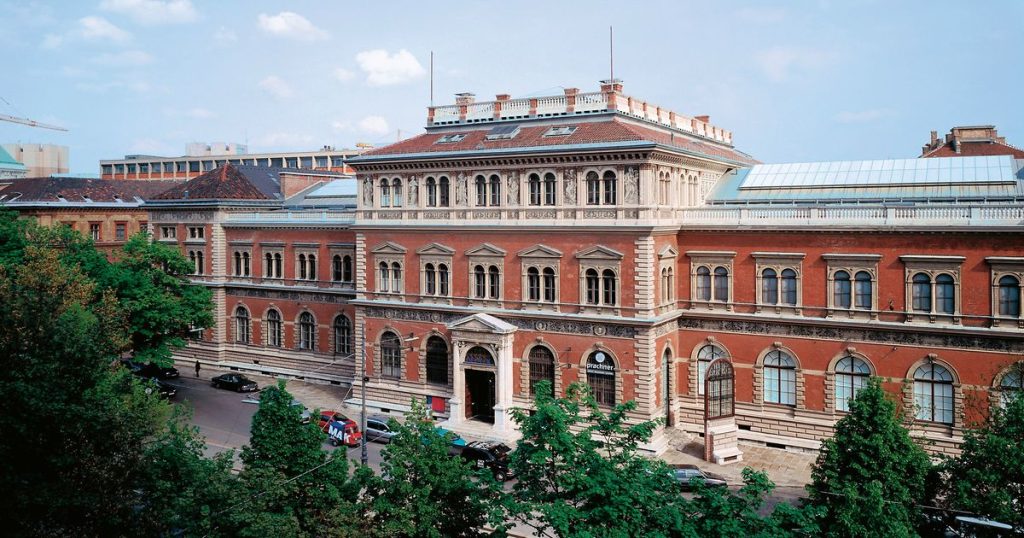
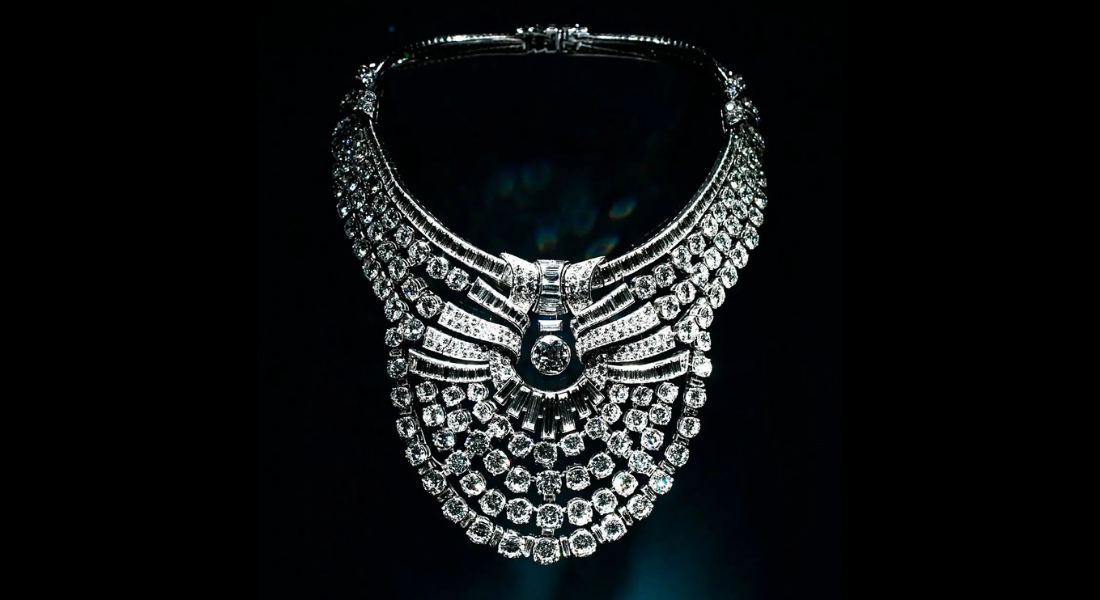
Inside the case was a Van Cleef & Arpels diamond necklace that once belonged to Queen Nazli of Egypt. The suspects were not masked and were captured on CCTV, prompting an international search for both the men and the missing necklace.
But long before it became the subject of a museum robbery, the necklace had already lived a remarkable life.
It Was Created for a Royal Wedding
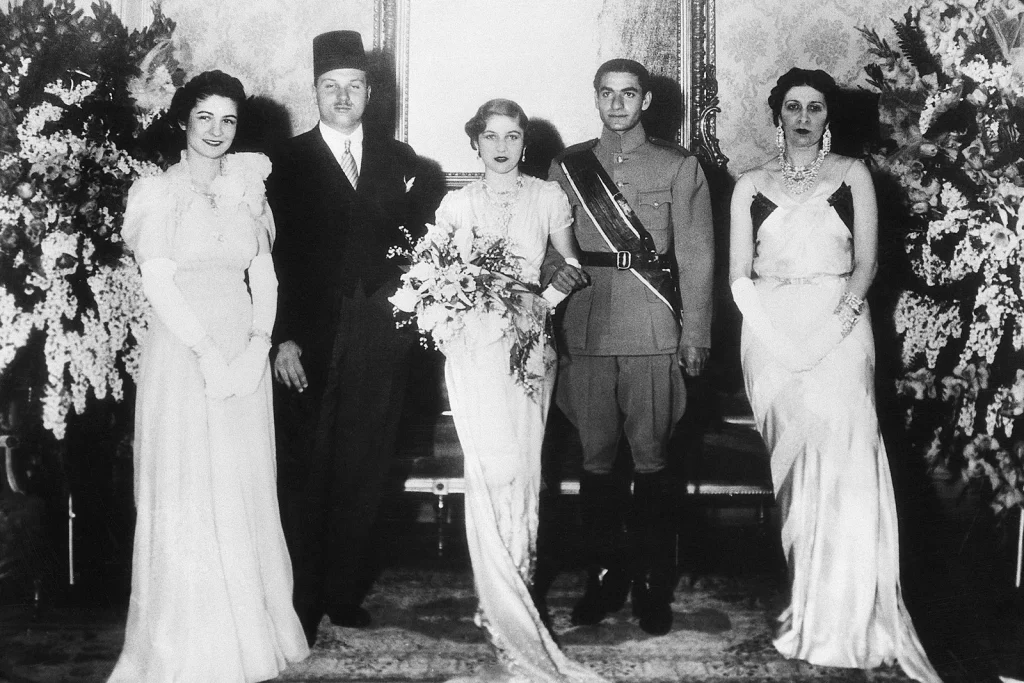
Van Cleef & Arpels created the necklace in 1939, around the time of Queen Nazli’s daughter, Princess Fawzia of Egypt’s wedding, to Crown Prince Mohammad Reza Pahlavi, the future Shah of Iran.
Queen Nazli wore the dramatic necklace with a matching diamond tiara to her daughter’s wedding, creating one of the most recognisable images of Egyptian royal jewellery.
Designed in the Art Deco style, the necklace sits high around the neck before falling into a wide bib-like shape across the chest. Even surrounded by the grandeur of a royal wedding, it was difficult to miss.
It Contains 673 Diamonds
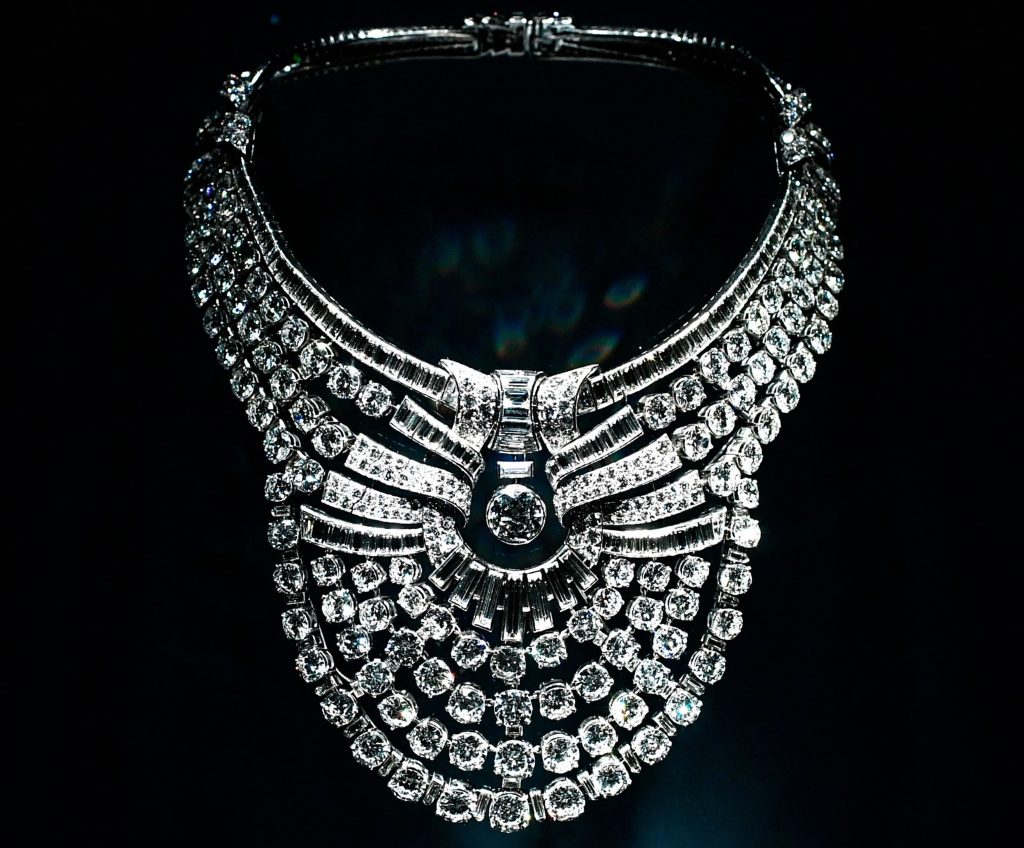
Made entirely from platinum, the necklace is set with 673 diamonds, including both baguette and brilliant cuts.
The stones are arranged in repeated geometric patterns, creating an intricate design that still manages to feel surprisingly light despite the number of diamonds involved.
It is this balance between scale and delicacy that makes the piece so striking. From a distance it appears almost like fabric sitting across the neckline, but closer inspection reveals hundreds of individually set stones.
Queen Nazli Eventually Sold It
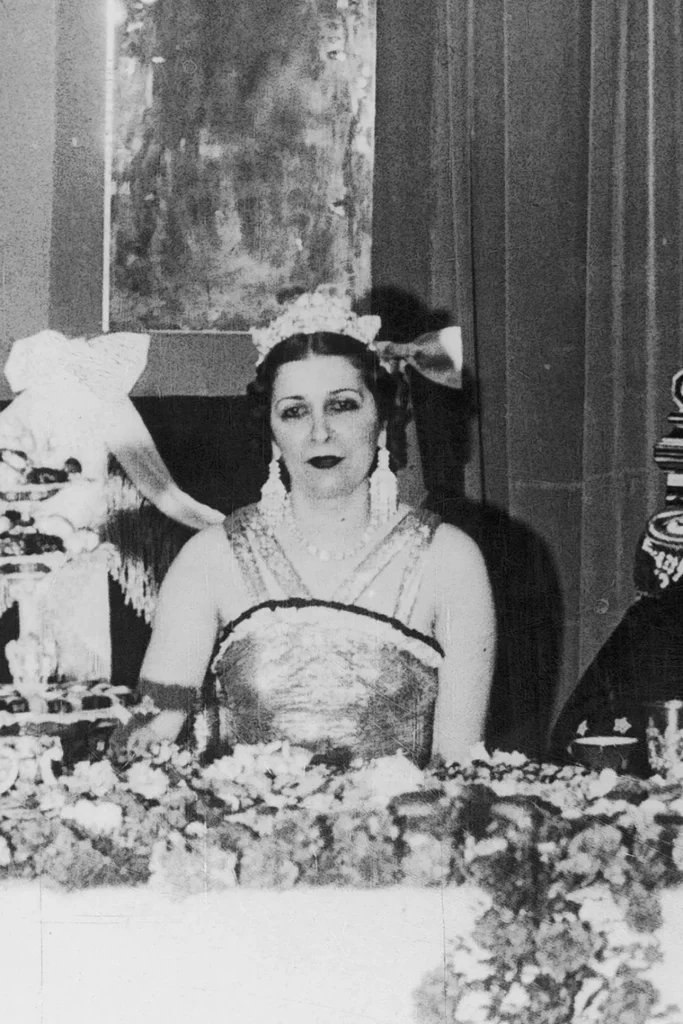
The necklace remained in Queen Nazli’s collection after she left Egypt and settled in the United States, but by the 1970s her circumstances had changed considerably.
In 1975, she sent both the necklace and its matching tiara to auction at Sotheby’s Parke Bernet in New York. The 274-carat tiara, set with 720 diamonds, sold for $127,500, while the necklace achieved $140,000.
After the sale, the necklace remained largely out of public view for decades.
It Returned to Auction for $4.3 million
Forty years later, it appeared once again at Sotheby’s New York.
In December 2015, Queen Nazli’s necklace returned to auction and sold for approximately $4.3 million, more than thirty times the price it had achieved in 1975.
By then, its importance extended far beyond the value of the diamonds. The necklace had become part of the story of Egypt’s former royal family, Princess Fawzia’s marriage into the Iranian monarchy and Van Cleef & Arpels’ long history of creating jewellery for royalty.
It Was on Display In Vienna When it Disappeared
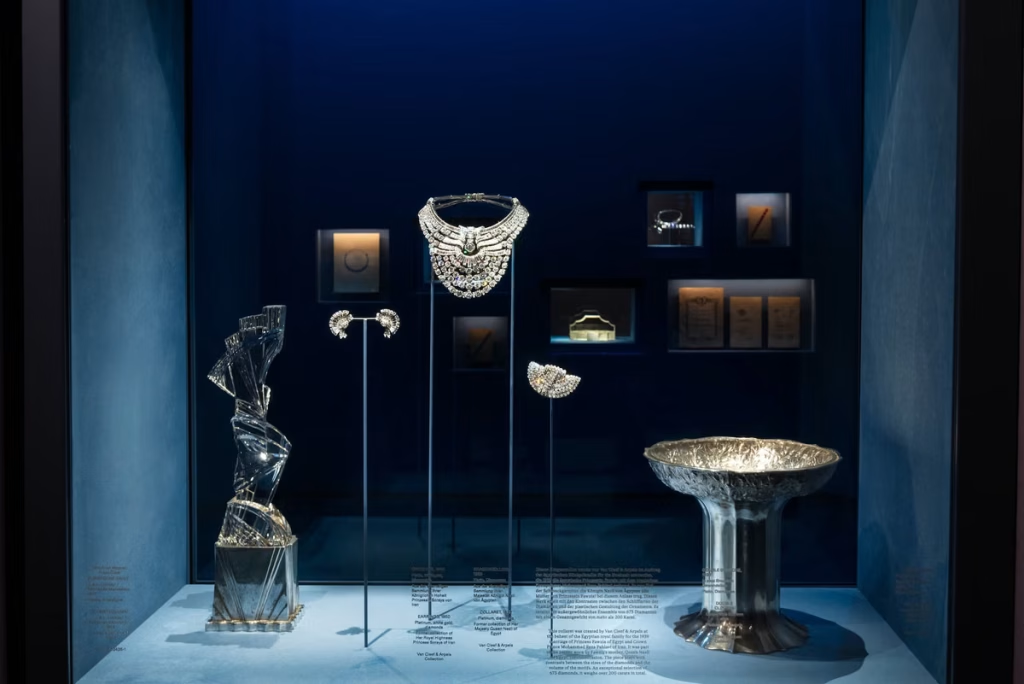
At the time of the robbery, the necklace was on display at Vienna’s Museum of Applied Arts as part of Van Cleef & Arpels High Jewellery x Masterpieces from the MAK Collection.
At around 2pm on 27 August, the two suspects entered during normal museum opening hours before smashing the case containing the necklace and leaving with it.
The fact that the robbery happened in broad daylight, with the men reportedly buying museum tickets and making no attempt to cover their faces, has only made the story more unusual.
For all its monetary value, what makes Queen Nazli’s necklace particularly important is everything it has witnessed along the way. It has been worn to an Egyptian royal wedding, sold as part of a former queen’s jewellery collection, disappeared from public view, returned at auction decades later and eventually found its way into a museum exhibition in Vienna.
Now, almost ninety years after it was created, another chapter has been added to its story.
Wherever the necklace appears next, the history held within its 673 diamonds makes it far more than simply a valuable piece of jewellery.