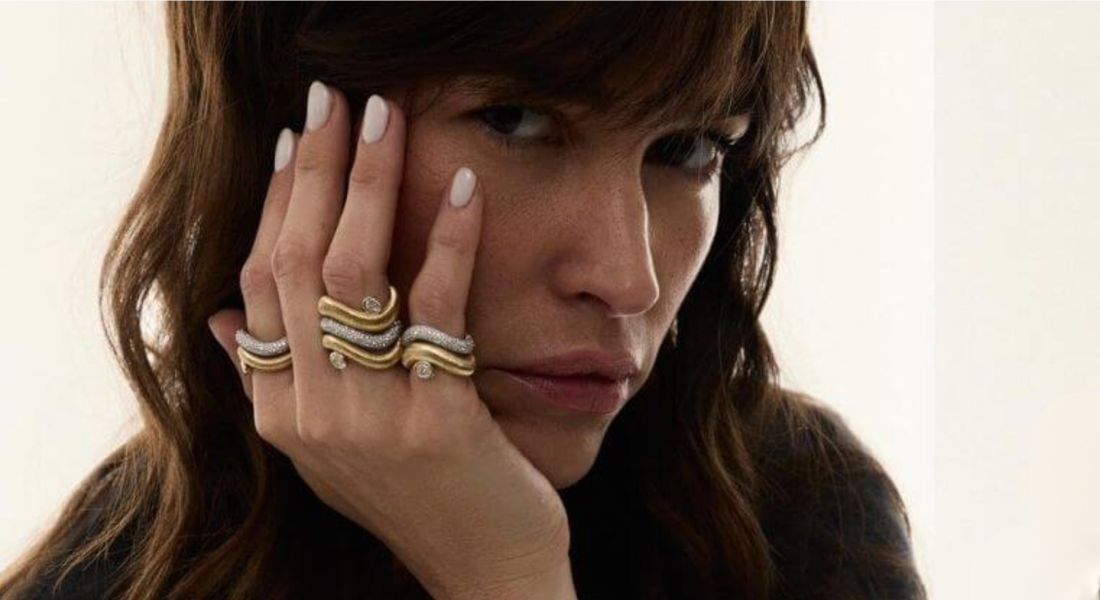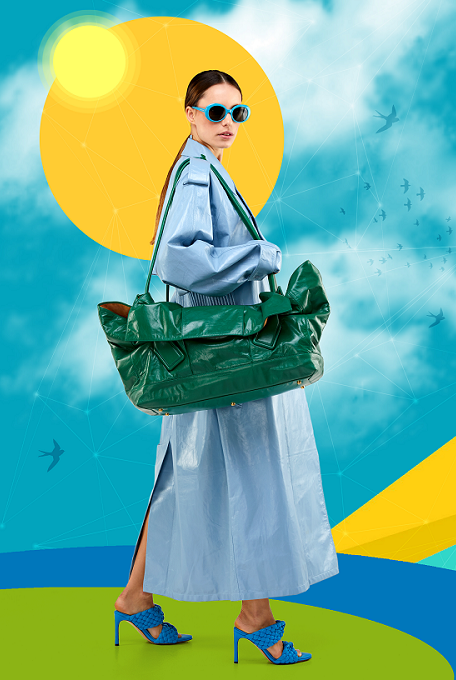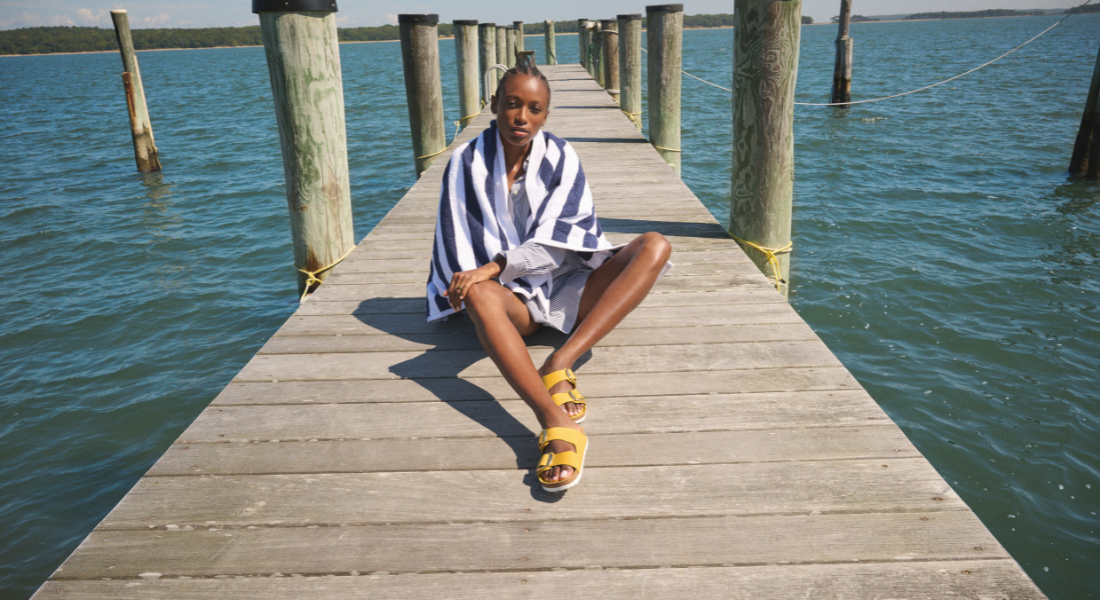



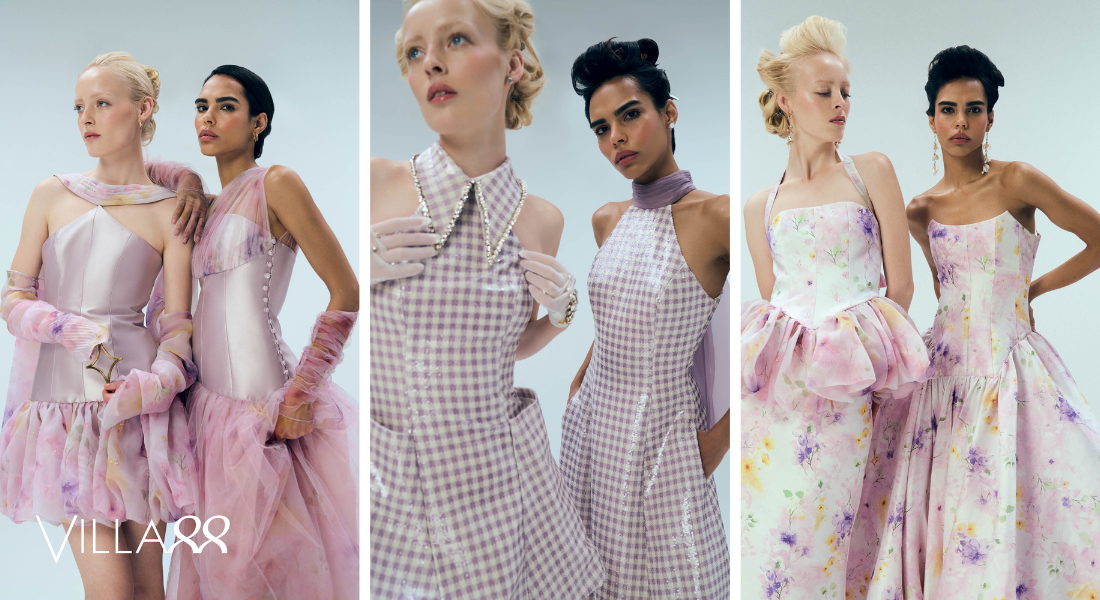
After living in Dubai, Washington D.C., and various fashion capitals of the world, Sharifa AlHashemi observed, absorbed, and came home to build ONORI. What emerged was a label that looks unmistakably like her.
Sharifa AlHashemi has always been paying attention. Growing up between the UAE and Saudi Arabia, she studied in the United States and spent summers moving through fashion capitals. What she was doing, it turns out, was taking notes.
“Being surrounded by diverse cultures and perspectives taught me to appreciate contrast, individuality, and detail,” she says. “I’m inspired not only by what aligns with my personal style, but also by what’s different from it.”
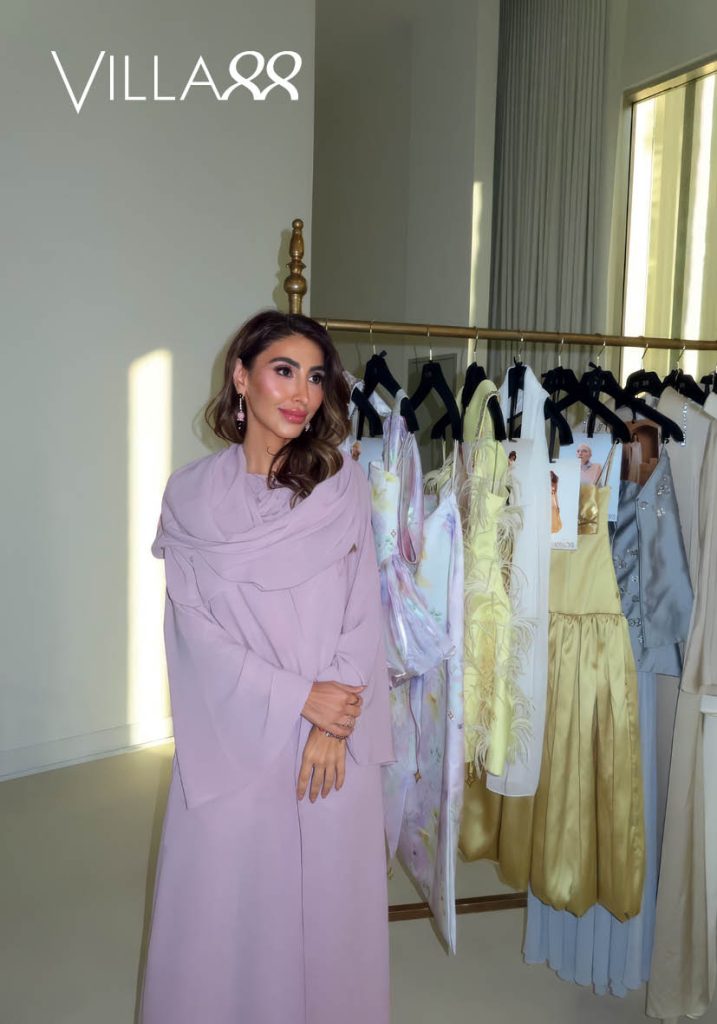
Today, her label, ONORI, feels simultaneously rooted and worldly, its signature palette and silhouettes carrying traces of everywhere she has been. Pearls, for one, are a recurring feature, appearing in almost every ONORI piece, and Sharifa is precise about why. “They represent patience and quiet strength,” she
says. “They’re not instant – they’re formed over time.”
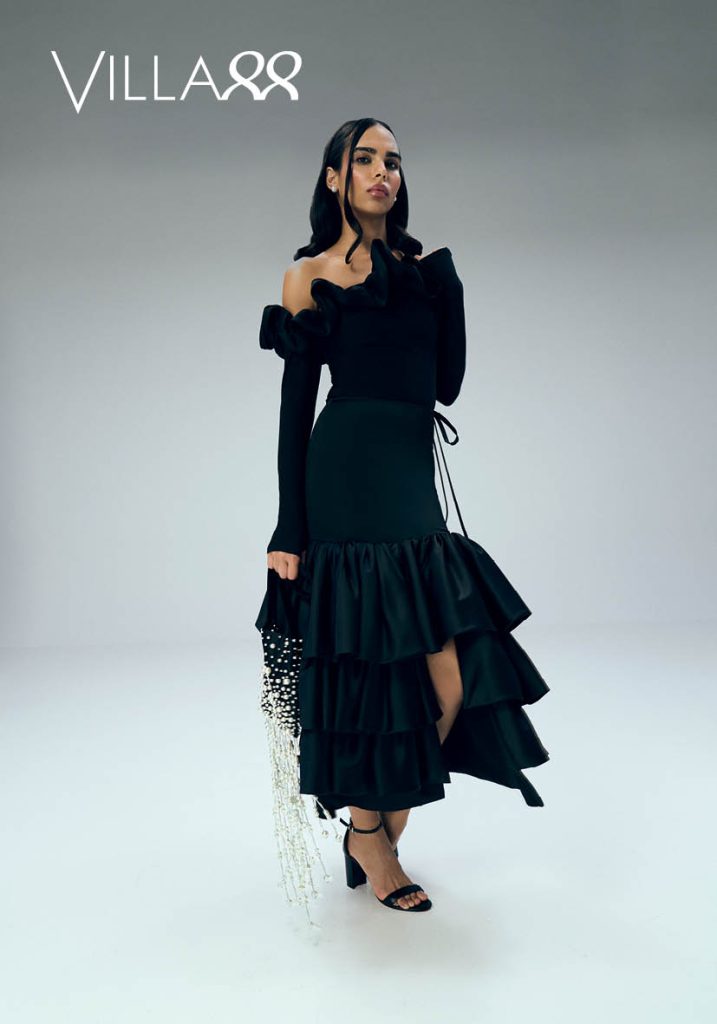
There’s the personal dimension, and then there’s the cultural one. Pearl diving is woven deep into Emirati heritage, and wearing that history into her work, Sharifa says, feels like a form of honouring where she comes from.
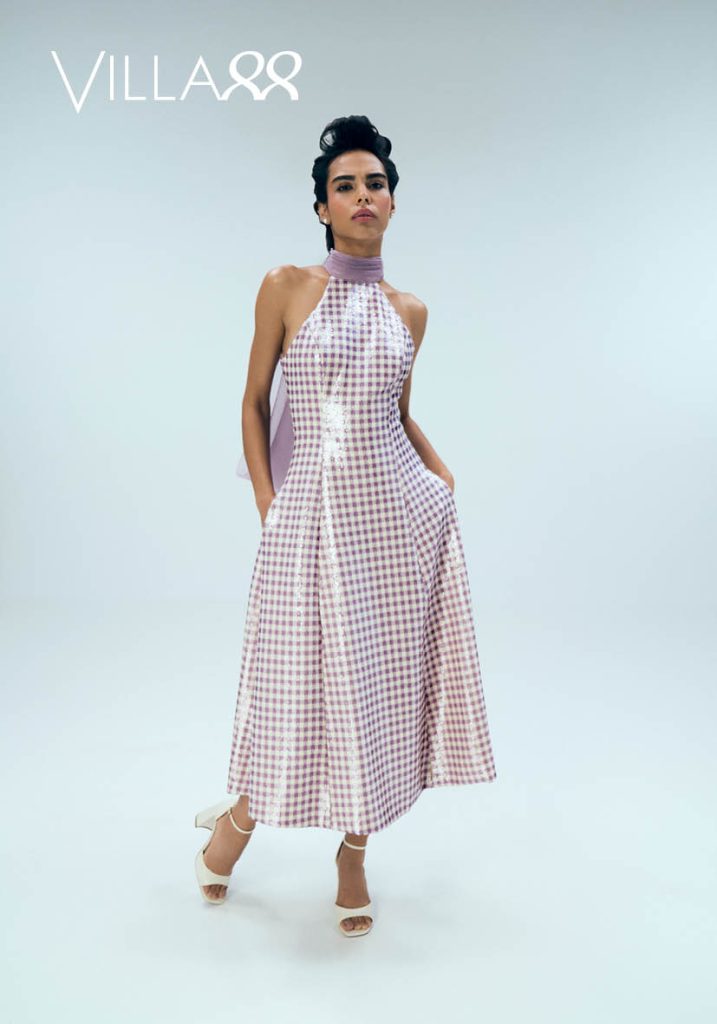
The same instinct governs her vintage references. Sharifa returns repeatedly to imagery from the 1960s through to the 1990s, drawn to women who carried themselves with an ease that had nothing to do with effort. Jacqueline Kennedy, Cher, the early Chanel and Dior archives, the tailoring of 1990s Oscar de la Renta and Giorgio Armani.
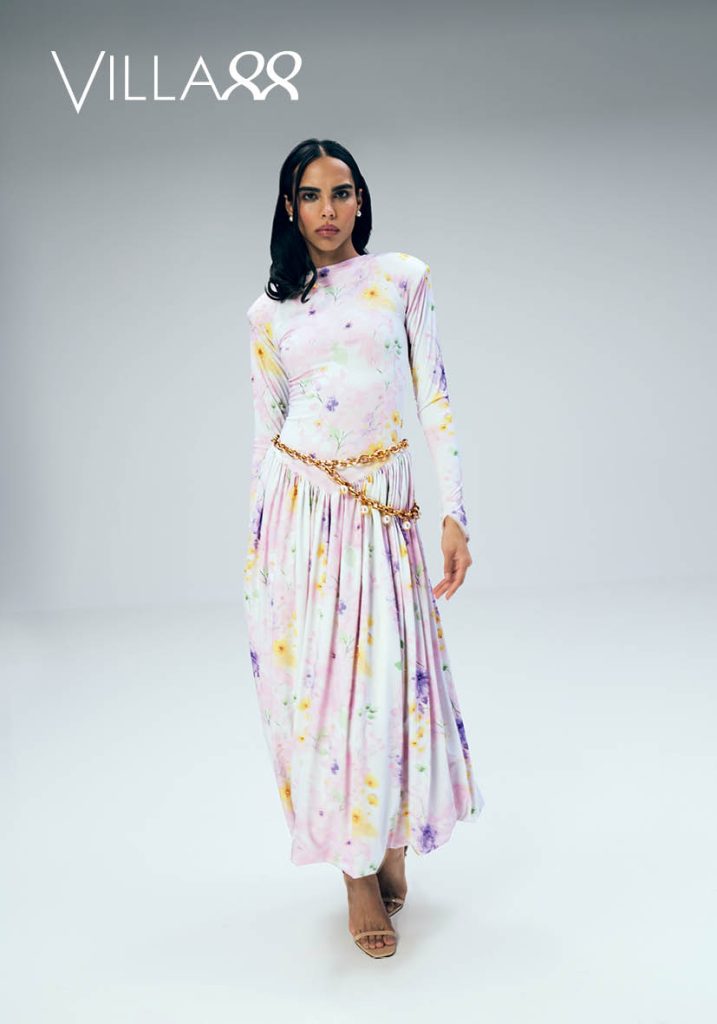
“Even in very simple pieces, there was a natural elegance that felt completely effortless,” she says. Right now, the 1960s pull hardest, the period’s high-waisted cuts, structured skirts, and polka-dot details offering what she describes as a balance between structure and softness, sophistication and charm.
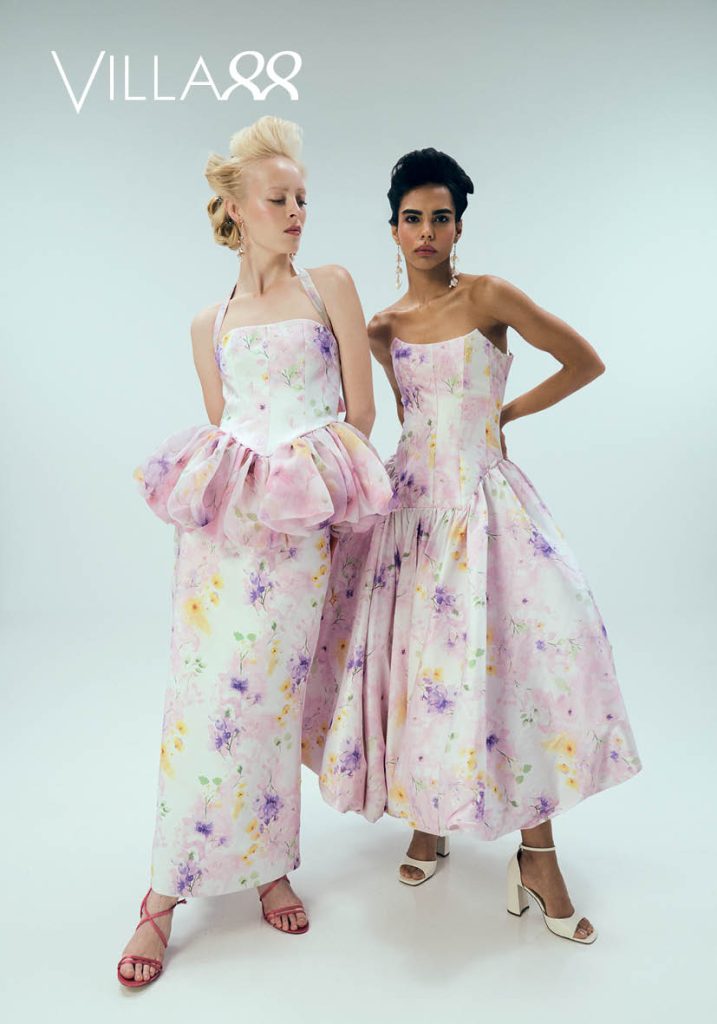
That balance also shapes what Sharifa believes Emirati fashion still isn’t getting enough credit for. “There’s a deep appreciation for detail, craftsmanship, and presence,” she notes. “Women here are very intentional in how they present themselves.” This is not, she is clear, simply a matter of style.
It is cultural awareness of elegance at a level that goes unspoken in most fashion conversations. The quality of taste, the genuine understanding of design, the way clients here engage with creativity. “To me, Dubai is a fashion capital now,” Sharifa says. “It’s not something in the making anymore.”
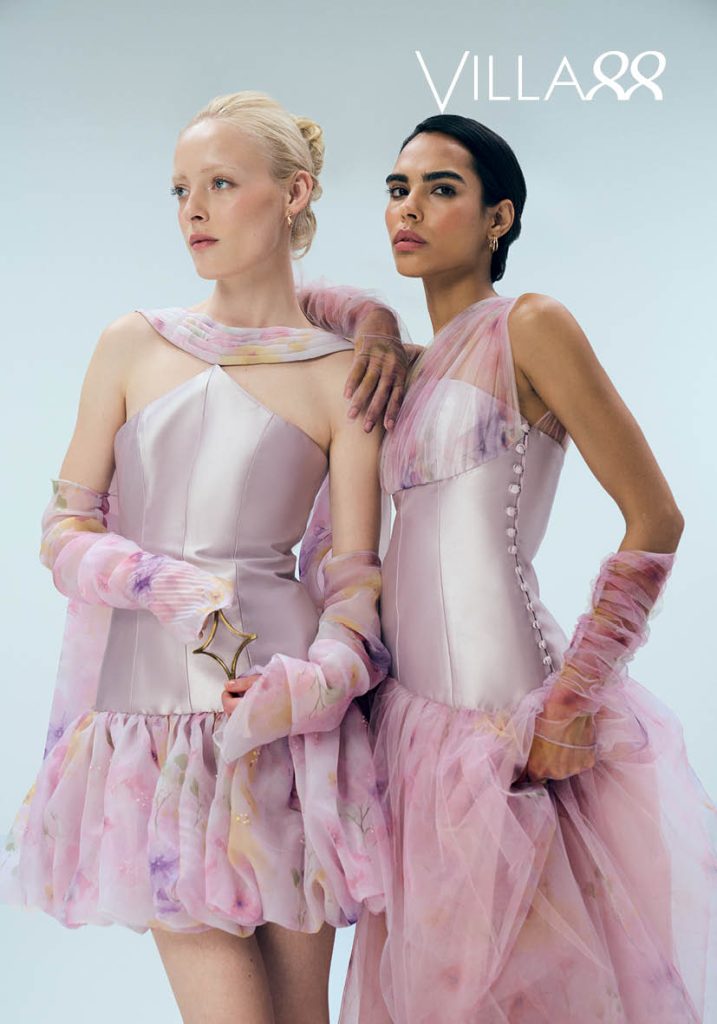
For those who think building a fashion label is primarily a creative exercise, Sharifa offers a different account. It is emotional, demanding, and full of decisions that have nothing to do with aesthetics. “Creativity and design alone aren’t enough,” she says. “It’s just as much about how you position the product, how you market it, and who you’re speaking to.”
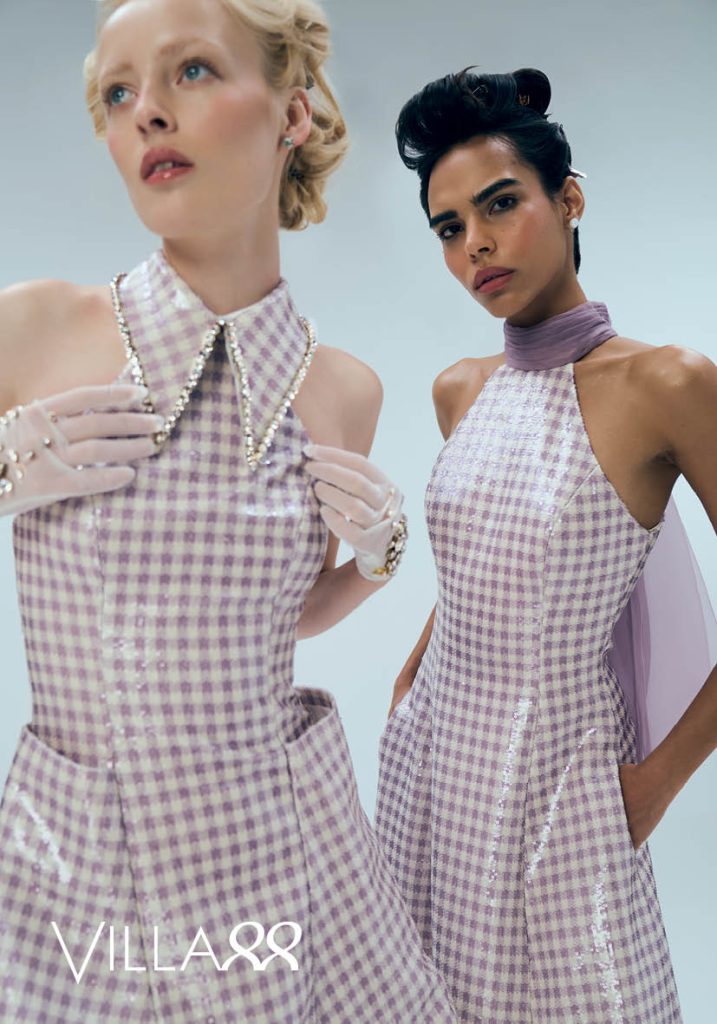
Resilience and patience, the same qualities she ascribes to pearls, are what she names as the real drivers of longevity. ONORI’s next chapter is the one she is most excited about – a Spring/Summer collection and a bridal edit that she describes as feminine, romantic, and rooted in the brand’s signature attention to detail. The PS26 collection, which included ONORI’s first custom floral print, gave her a glimpse of what that can look like when everything falls into place.
“The outcome felt very pure to the brand,” she says. “I wouldn’t change anything about how it came together.”
On days when Sharifa needs to feel powerful, she reaches for her own ONORI lycra maxi skirt, a tank top, sneakers, hair slicked back. Simple, grounded, fully herself. For her, power has never been about volume, but about alignment.
It is, in other words, exactly what ONORI is.