


Known for her surreal works exploring identity, folklore, and the natural world, Kuwaiti artist Alymamah Rashed opens up about the moments that inspire her creativity.
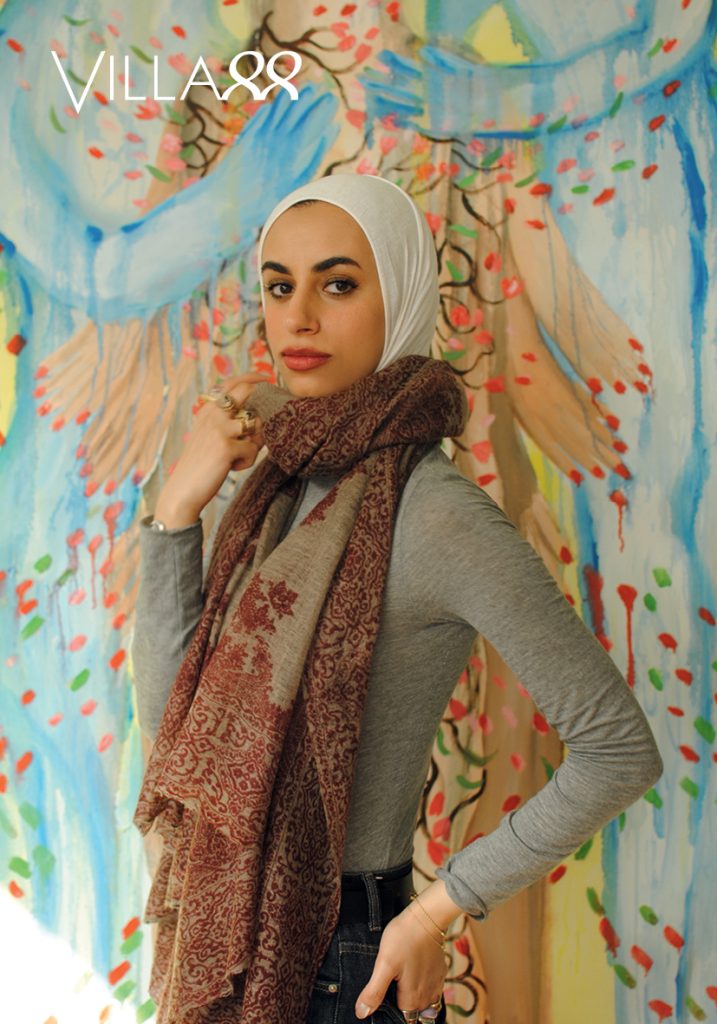
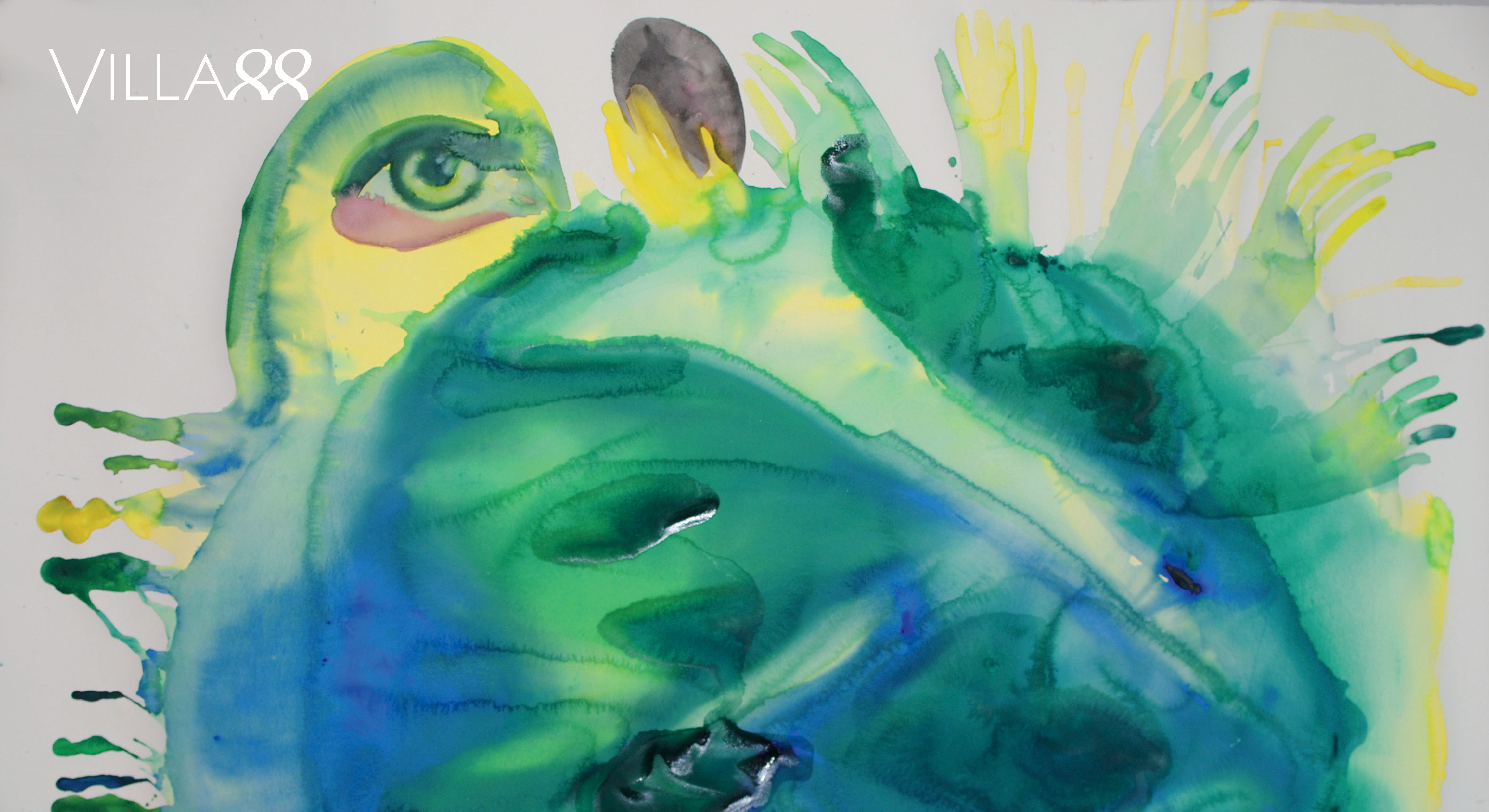
Kuwaiti visual artist Alymamah Rashed has become internationally recognised for her dreamlike paintings, watercolours, sculptures, and installations. Exploring themes of identity, female subjectivity, and the natural world, her work draws on regional folklore, Islamic philosophy, botanical studies, and personal memory.
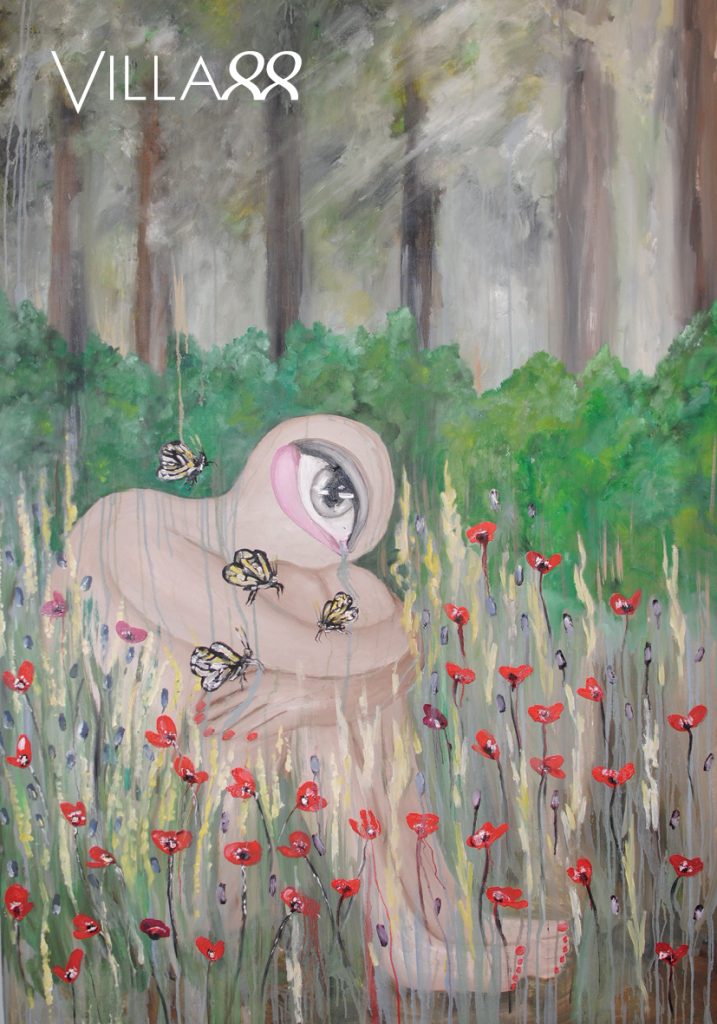
The result is a series of dreamlike narratives that blur the boundaries between reality and mythology. Drawing on perspectives shaped by her years living between Kuwait and New York, her work transforms everyday objects, landscapes, and the human body into poetic symbols.
Her distinctive artistic language has led to collaborations with some of the world’s most prestigious luxury houses, including Dior, after she was selected for the celebrated Lady Dior Art project in 2025, and Piaget, for a special commission unveiled at Art Dubai last year. Alongside exhibitions across Europe and the Middle East, Alymamah has recently published her first monograph, The Spirit Multiplies for You and I to Meet Again. The work offers an intimate insight into the artist’s evolving practice through painting, writing, and poetry.
We spoke to Alymamah about her artistic journey, the power of using mythology in her work, and why the most personal stories often resonate the most deeply.
What inspired you to use such a deeply personal approach to examine wider cultural narratives?
I’ve always believed that there is a deep sense of affinity that emerges when someone shares their soul without second guessing it or shaping it into something else.
When you create from a place of honesty, what is deeply personal begins to belong to everyone. There is something deeply joyful about that exchange of experiences, stories, and points of connection. To me, that is what art is for.
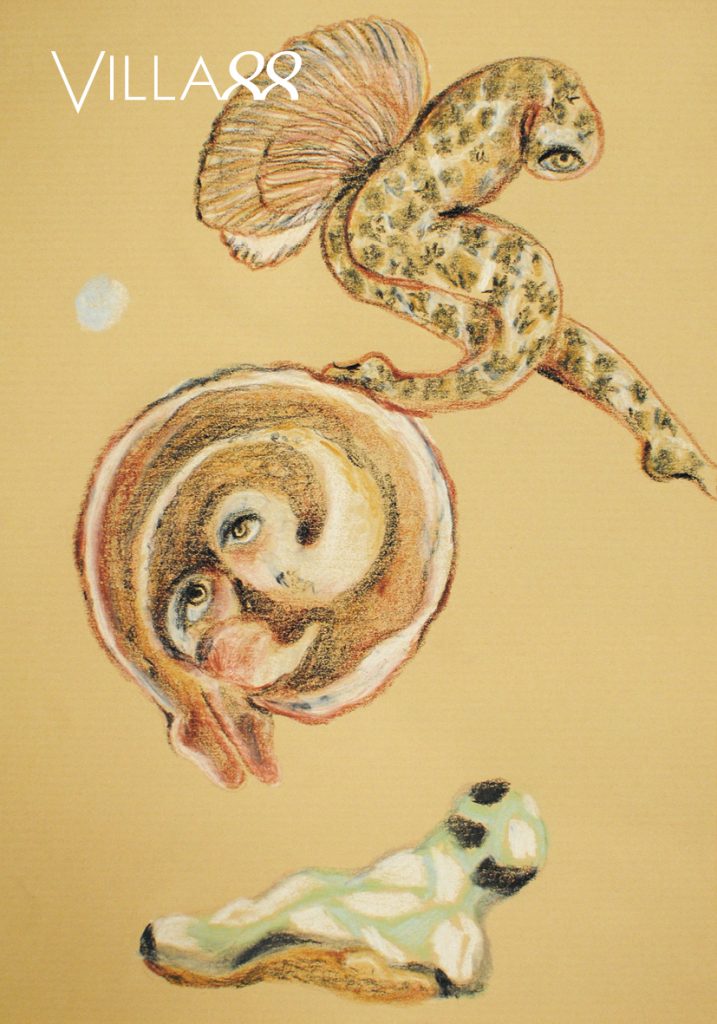
You’ve lived and studied between Kuwait and New York – how has moving between Eastern and Western perspectives shaped your artistic language and your understanding of yourself?
Studying, working, and living in New York for seven years taught me how to build my own sustainability system as an artist. It encouraged me to define my own rules, cultivate a strong sense of individuality, and remain rooted in my essence and spirit.
New York gave me the confidence to develop a practice on my own terms and to continuously expand from that foundation. Returning to Kuwait became an opportunity to reconnect with my subject matter and with myself.
It allowed me to paint bodies and spirits inspired not only by my own culture and lived experience, but also by my understanding of spirituality through Islamic philosophy and Sufi poetry.
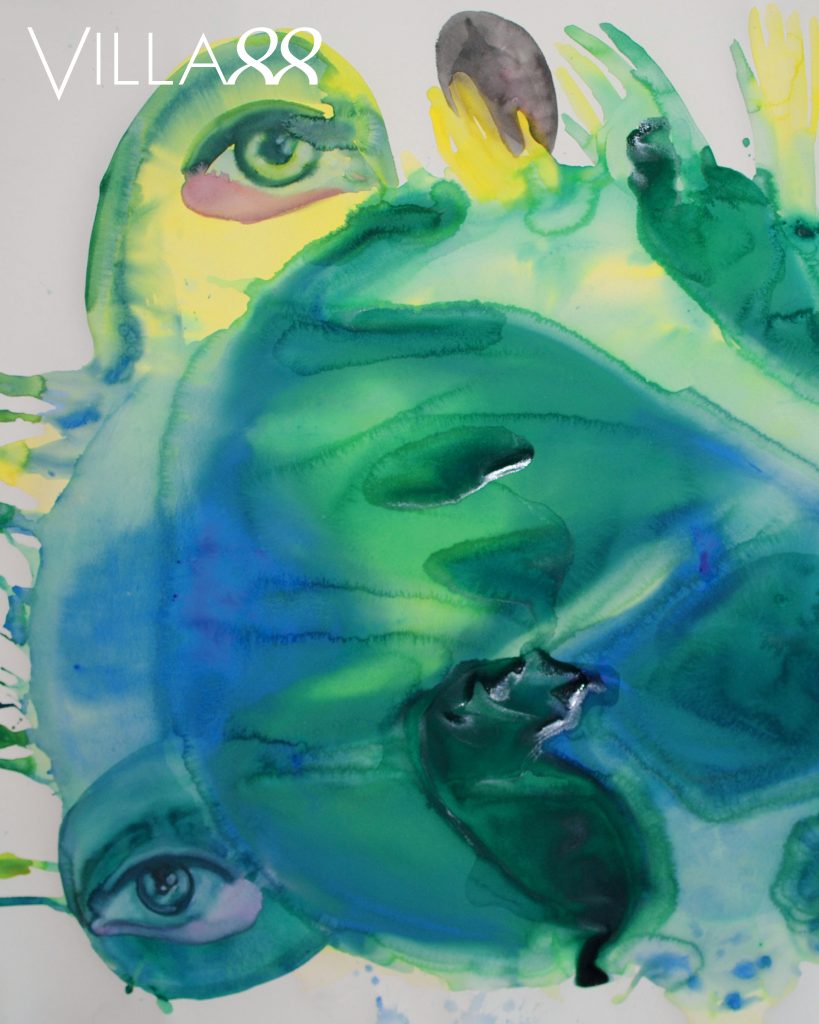
Nature and botanicals are recurring themes in your work. What draws you to the natural world, and what role does it play in your creative process?
I’m deeply drawn to nature and botanicals because they are subtle forms of existence. When you look closely at a flower – its veins, petals, and intricate details – you begin to realise that there is an entire world contained within it.
That sense of discovery fascinates me. I love taking something that might seem ordinary or mundane and allowing it to become an entire universe of its own.
How does your heritage inspire your work, and why is it important for you to reinterpret familiar narratives and symbols through a contemporary lens?
Heritage is incredibly important to me because it allows us not only to acknowledge the past, but also to reinterpret it and tell its stories in new ways. It helps us understand how the world became what it is today.
Mythology has always been a central part of my practice as it gives me a language through which I can create my own forms of storytelling. On rereading histories and narratives, I respond through my own senses and observations.
Your new monograph represents a comprehensive compendium of your work. Tell us why you decided to publish this now and how it highlights the evolution of your work.
My monograph is a project that’s very dear to me. More than simply a collection of images documenting my work, it is an opportunity to reveal another side of my practice – my relationship to writing and poetry, and how they have always been intertwined with my visual language.
It was important for me to invite contributors who have genuinely shaped and supported my practice over the years to be part of this project.
Their essays became part of the conversation the book creates. Publishing my first monograph feels like a dream come true. It marks an important milestone in my journey, and I hope it’s the first of many.
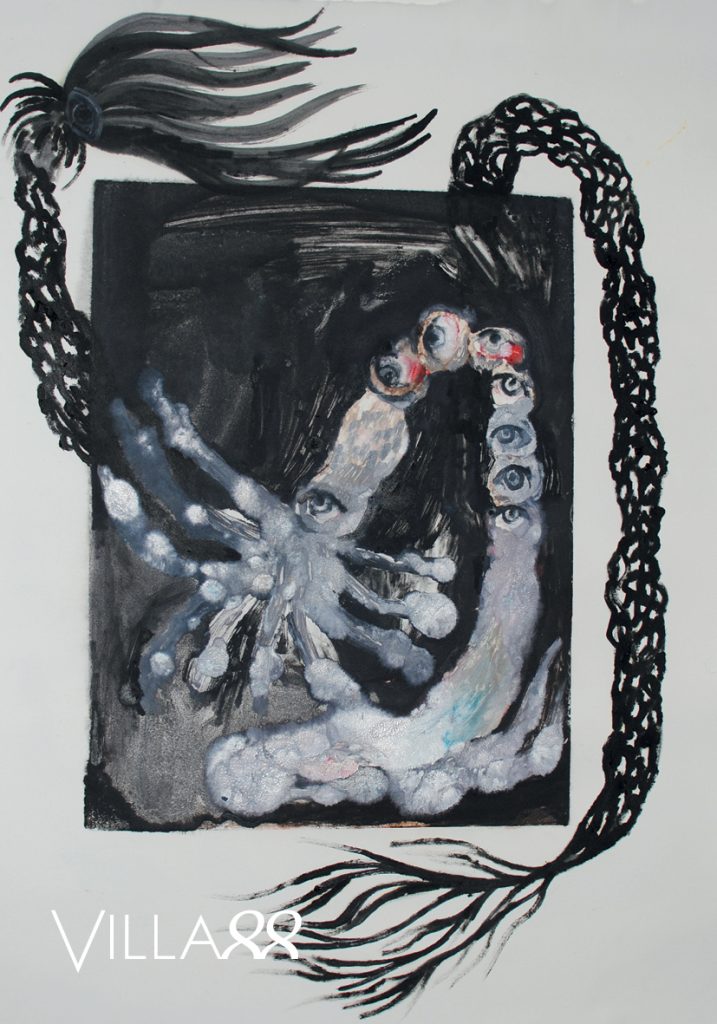
Your practice spans painting, sculpture, and textiles, as well as installation art. How do you decide which medium best suits the story you want to tell?
For me, the medium is always determined by the vision. An image often arrives unexpectedly – while I’m
on an aeroplane, driving, dreaming, or just before I fall asleep. When it appears, it already carries a sense
of scale, materiality, and emotion. I instinctively knowhow it wants to exist.
Ultimately, the vision arrives first, and the medium naturally follows. My role is simply to bring those languages together in the way that feels most faithful to the original image.
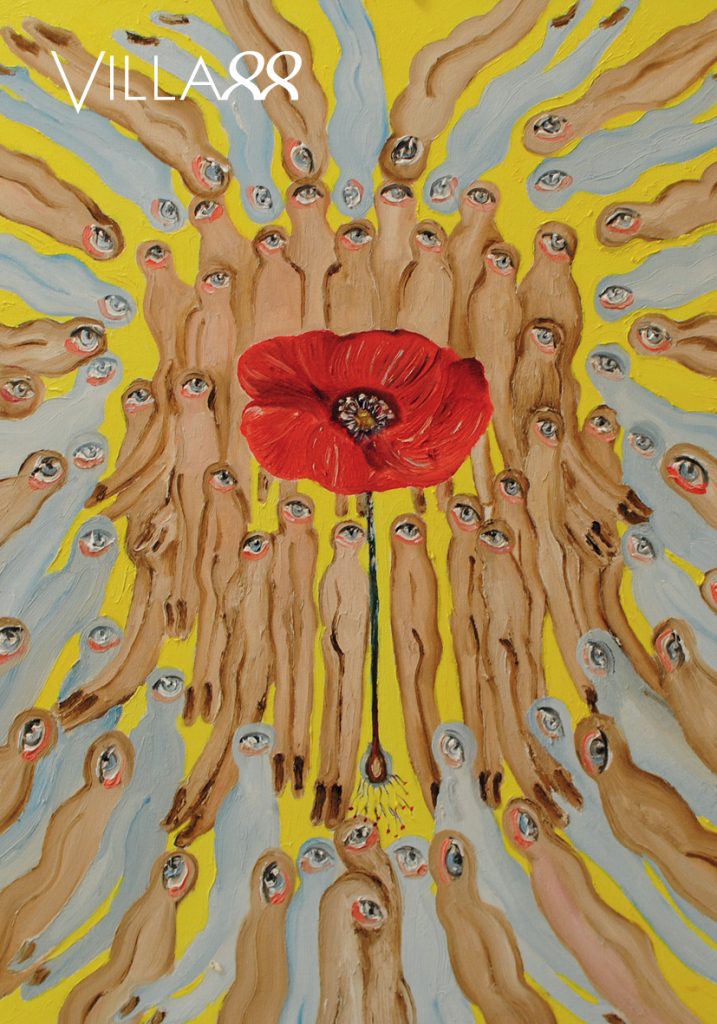
Every artist has moments when ideas don’t come easily. How do you overcome creative blocks, and where do you find inspiration again?
When I feel I need a break, I simply take it. Even during moments of rest, the creative process never
really stops. I’m always thinking, observing, and paying attention to the world around me. Ideas arrive when they’re meant to arrive.
Rest creates space for observation, and observation is a form of thinking. That quiet attention eventually informs the work itself.
I’ve learned to trust that every idea arrives at the right time. Rather than forcing inspiration, I create the conditions for it by giving myself the time and space to observe, reflect, and simply exist.
Looking ahead, are there any themes, materials, or collaborations you’re excited to explore?
I’m excited to embrace whatever collaborations and opportunities come my way. Having said that, I’m especially looking forward to expanding my sculptural practice alongside my writing, allowing both to grow in conversation with one another.
Painting will always be a lifelong language for me, and I’m excited to continue exploring it while also collaborating with fashion houses and working across different mediums. I’m always open to where those conversations might lead.
Above all, what remains most precious to me is simply having the ability to create, to show up in the studio each day, and most importantly, to show up for myself.
I truly believe that when you stay devoted to your work, the right opportunities naturally follow.