




Words by Lindsay Judge
Centuries-old enamelling techniques find new expression through the world’s leading jewellery and watch Maisons.
Long before diamonds were cut into brilliant facets or watches became feats of mechanical innovation, artisans were transforming powdered glass into luminous works of art. Enamel, one of the world’s oldest decorative techniques, has adorned everything from ancient jewellery and sacred objects to royal treasures for more than 3,000 years.
Today, after centuries of refinement, this ancient craft is enjoying a remarkable renaissance as leading jewellery and watch Maisons embrace enamel as a powerful expression of colour, creativity, and exceptional savoir-faire.
Part of enamel’s enduring appeal lies in its ability to combine technical precision with artistic freedom. The process, which fuses finely ground coloured glass onto metal at extremely high temperatures, demands extraordinary skill that only highly specialised artisans can achieve.

A single piece can require multiple firings, with even the slightest variation in temperature capable of altering the final result. The reward is a surface of exceptional luminosity and depth, with colours that are capable of retaining their brilliance for generations.
The technique first flourished in Ancient Egypt before spreading through the Byzantine Empire, Persia, China, and Europe. Along the way, each civilisation developed its own distinctive interpretation.
By the Renaissance period, enamel had become synonymous with luxury, adorning jewellery, decorative objects, and pocket watches often commissioned by royalty and aristocracy.
Its relationship with watchmaking became particularly significant during the 16th and 17th centuries, when enamel dials were preferred for their durability and appearance.
Miniature paintings, botanical motifs, and mythological scenes transformed timepieces into wearable works of art, while jewellers embraced enamel to introduce rich colour and intricate decoration long before coloured gemstones became widely accessible.
Although tastes shifted throughout the 20th century, enamel never truly disappeared. Instead, it remained the preserve of a handful of specialist artisans and Maisons committed to safeguarding these rare skills.
Today, as collectors increasingly value individuality, handcraft, and artistic expression, enamel has found renewed relevance. Across high jewellery and haute horlogerie, the craft is being reinterpreted through innovative techniques and contemporary design.
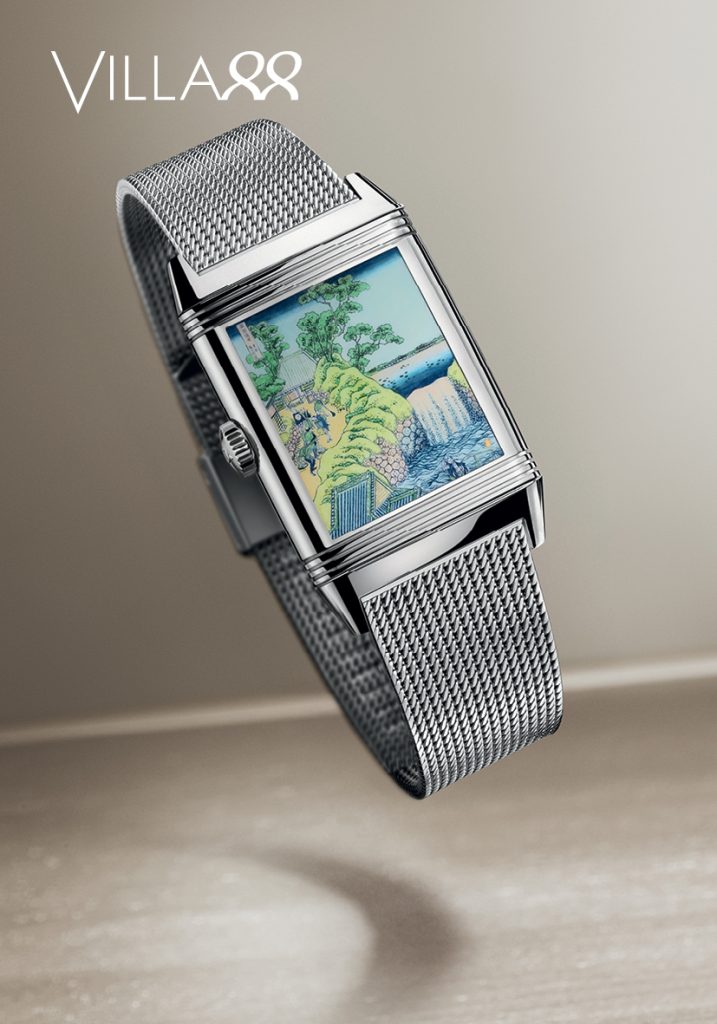
Among the Maisons championing this revival is Jaeger-LeCoultre, which has played an important role in preserving and evolving the art of enamelling for almost a century.
Since the Reverso watch was introduced in 1931, its distinctive reversible case has offered a unique canvas for artistic expression, allowing master artisans to create intricate miniature enamel paintings alongside engravings and other decorative crafts.
Today, that tradition continues within the Maison’s dedicated Métiers Rares atelier, where centuries-old techniques are carefully preserved while inspiring contemporary watch design. This expertise is beautifully expressed through the latest Reverso Tribute Enamel Hokusai Waterfalls series, where hand guilloché dials are paired with breathtaking miniature enamel paintings inspired by the final four works from Katsushika Hokusai’s A Tour of the Waterfalls of the Provinces. Each limited edition requires around 80 hours of meticulous work, with multiple enamel layers being individually fired before the intricate Japanese landscapes emerge in remarkable detail.
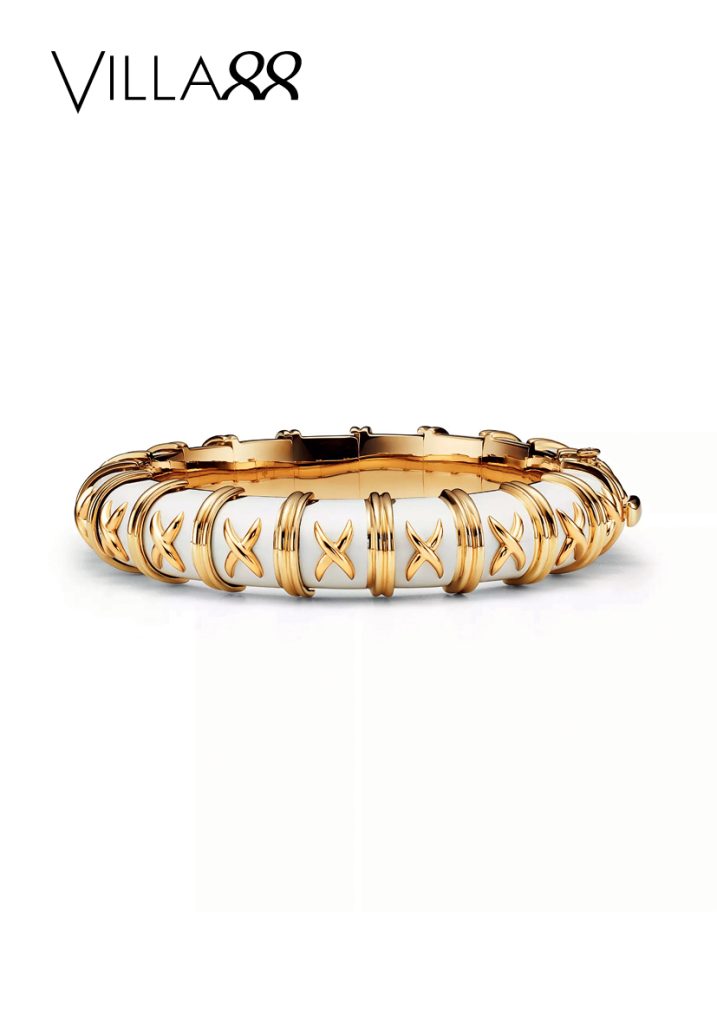
Another Maison that has long held enamel as an integral part of its artistic heritage is Tiffany & Co., for whom the technique has been a medium through which colour and innovation have been expressed for generations.
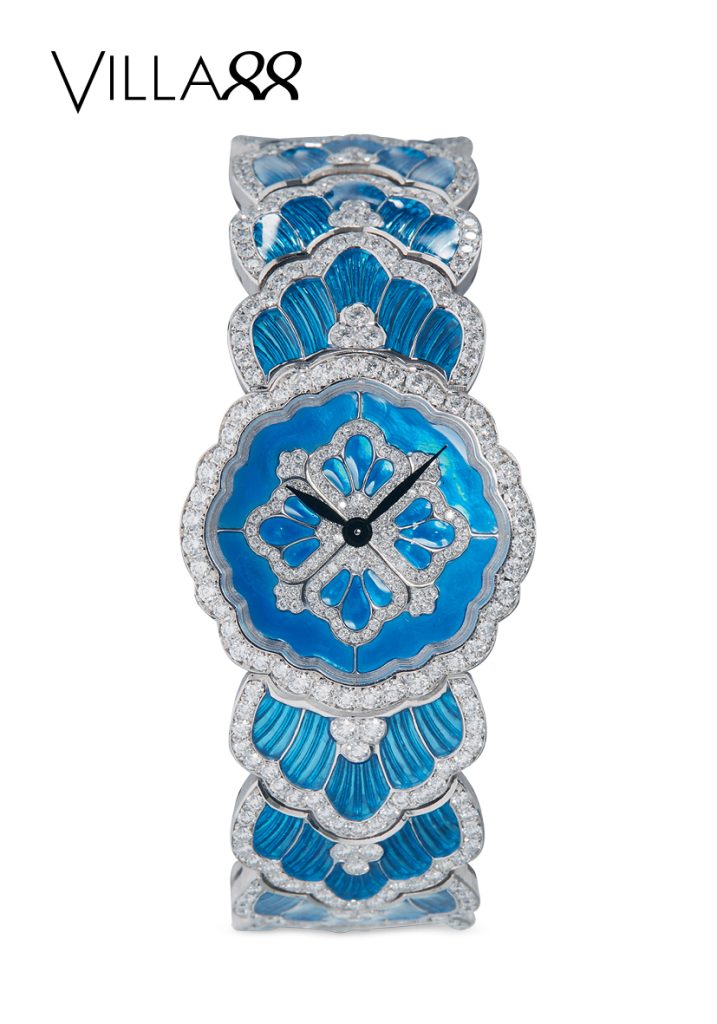
First introduced in Jean Schlumberger’s celebrated paillonné enamel bangles in 1962, the material today can be found in the Maison’s exceptional watchmaking creations, including the new Eternity by Tiffany Enamel Clematis watch, inspired by the stained-glass lamps of Tiffany Studios.
Combining translucent plique à-jour enamel with rich blue champlevé enamel, the dial creates the illusion of delicate clematis flowers floating above a field of snow-set diamonds. Requiring more than 100 hours of meticulous work, it demonstrates how historic decorative techniques continue to inspire contemporary watchmaking.
At Van Cleef & Arpels, enamel is regarded as a living art form, continually evolving through research and experimentation. Within the Maison’s Geneva watchmaking workshops, artisans have developed entirely new enamel finishes while preserving techniques refined over centuries.
The 2026 Midnight Heure d’ici and Heure d’ailleurs watches perfectly illustrate this philosophy. Inspired by the shifting optical qualities of rubies, the design’s rich amber-brown enamel subtly changes with the light, while its delicate piqué and guilloché motifs demand more than 30 hours of painstaking work.
“The main challenge was to shape the material without weakening or deforming it,” explains the Maison’s Head of Development for Artistic Crafts. “By combining the best of both crafts – glass-making and enamel – we were able to create extremely fine and sturdy enamels. This creation embodies the quality of human artistry.”
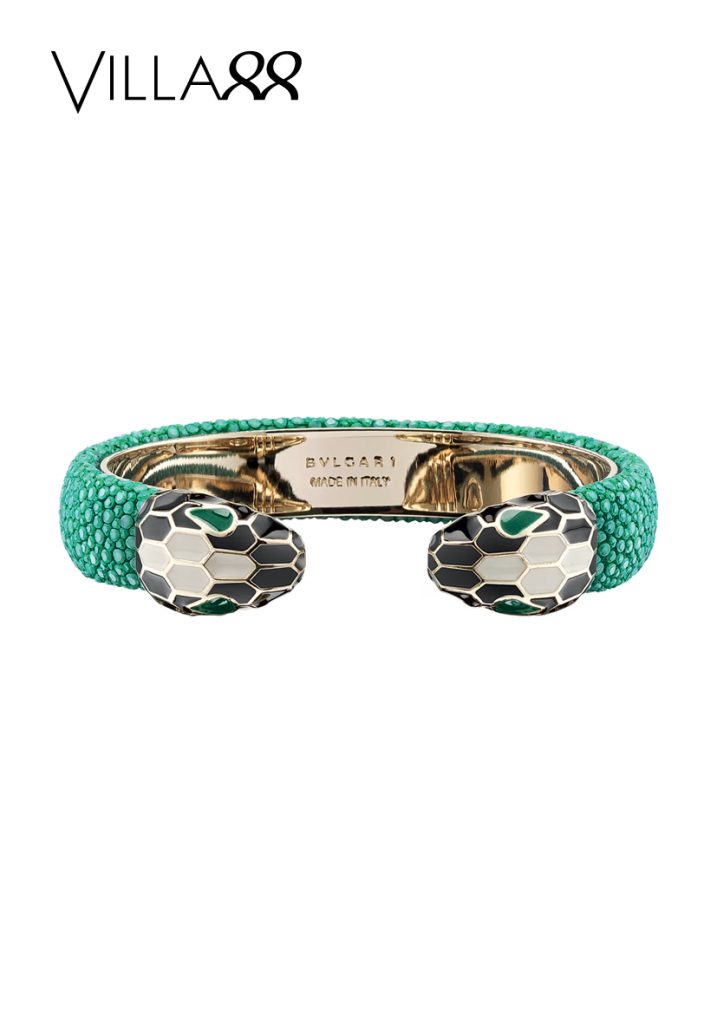
Bvlgari’s relationship with enamel, meanwhile, is inseparable from the evolution of its iconic Serpenti collection. First introduced in the late 1940s, the Serpenti watch took on a bold new identity in the mid-1960s when the Maison began adorning the design’s sculptural gold scales with vibrant, hand-applied enamels.
The introduction of rich colours transformed the serpent into a strikingly lifelike jewel, reinforcing Bvlgari’s distinctive approach to colour and its willingness to reinterpret traditional techniques.
For Buccellati, meanwhile, craftsmanship has always taken precedence, with the Milanese jeweller’s creations rooted in centuries-old Italian goldsmithing traditions.
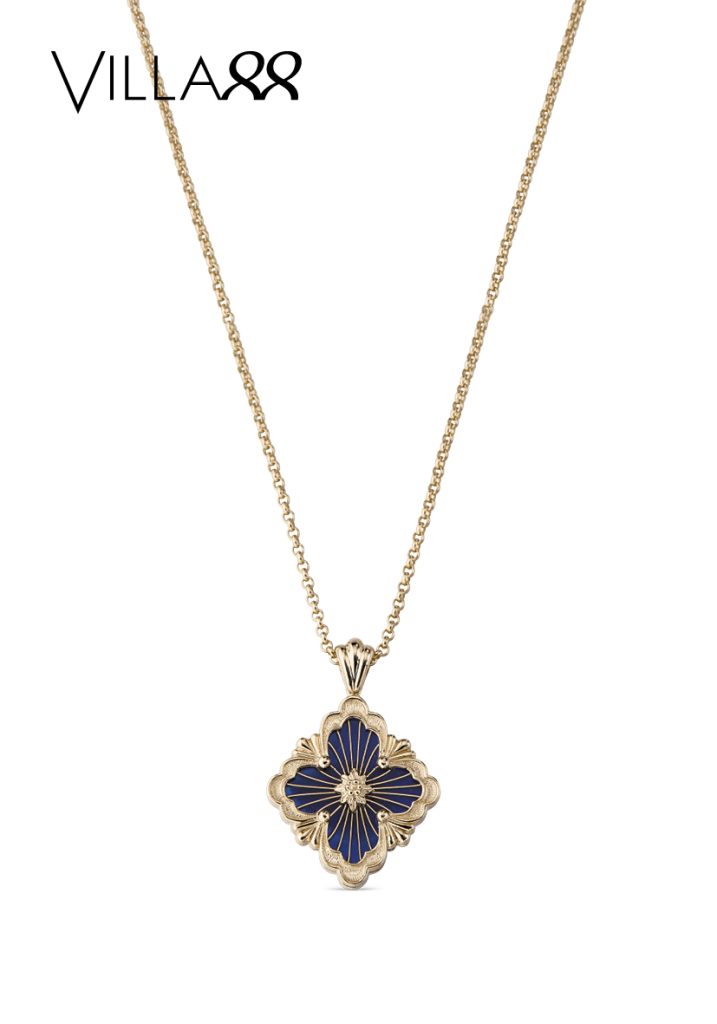
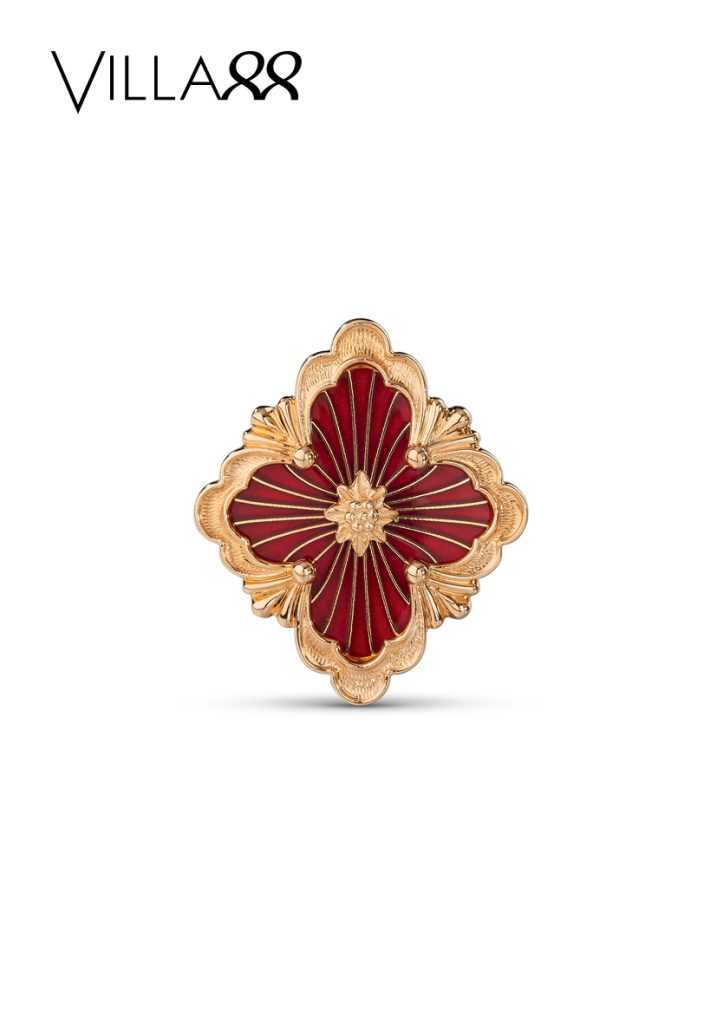
Renowned for its intricate hand engraving and lace-like tulle textures, the Maison uses enamel to introduce carefully considered colour, enhancing its unmistakable aesthetic. This philosophy is reflected in the Opera collection, in which the brand’s iconic logo is transformed into a decorative motif enriched with vibrant enamels and coloured stones.
Pieces including the Opera Tulle pendant and Thin Art Deco Tulle watch demonstrate how luminous enamel, diamonds, and Buccellati’s signature engraving techniques come together.
More than three millennia after it first appeared, enamel continues to captivate. Every brush stroke, every firing, and every subtle variation in colour is shaped by the hand of an artisan, ensuring that no two creations are ever exactly alike, and proving that the human touch remains crucial in the luxury world.
Whether preserving centuries-old techniques or pushing the craft into new creative territory, today’s leading Maisons are proving that enamel is far more than a decorative finish.