


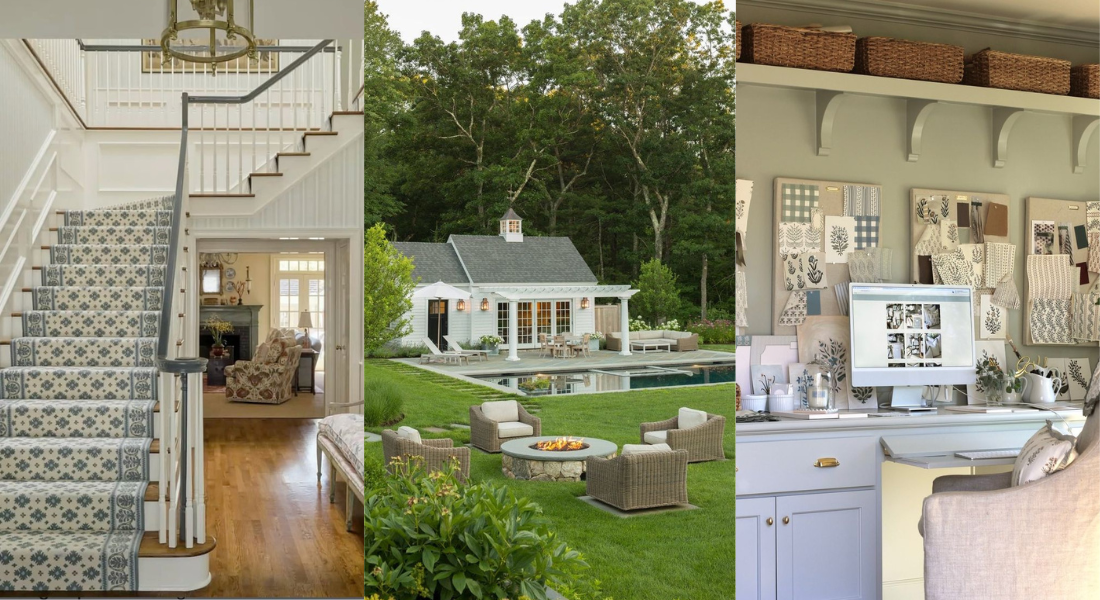
Luxury homes have always reflected the way we aspire to live. While grand architecture, bespoke interiors and exceptional craftsmanship remain timeless hallmarks of luxury, today’s most desirable homes are increasingly defined by how they support everyday life. Rather than chasing fleeting design trends, homeowners are making thoughtful investments that enhance wellbeing, encourage meaningful connection and create spaces designed to be enjoyed for years to come. These are the five design movements shaping the next chapter of luxury living.
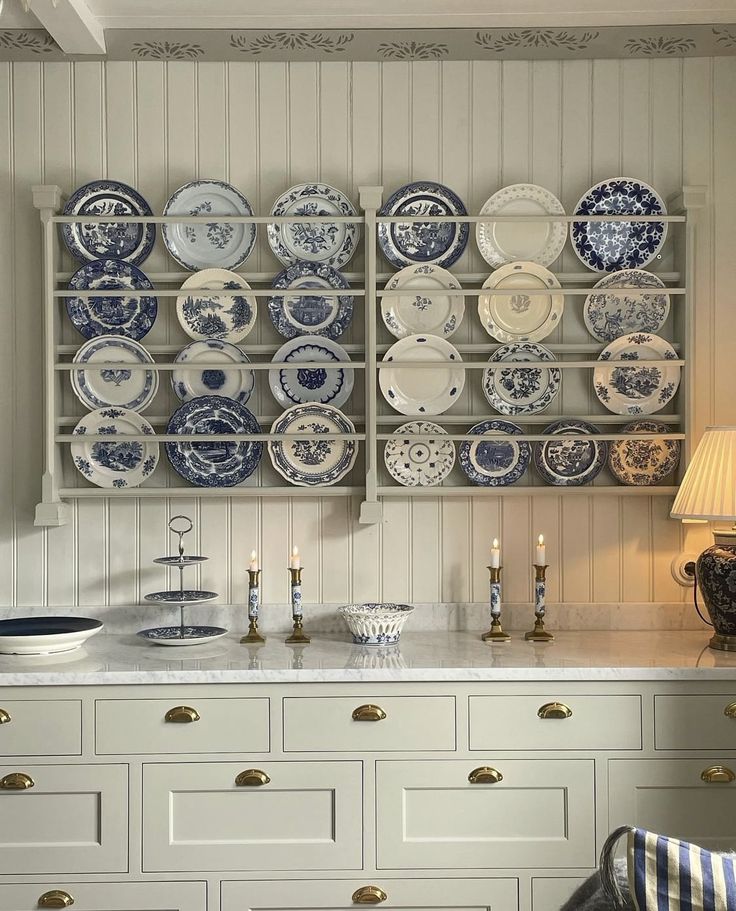
Rather than filling homes with brand-new furniture and perfectly matched interiors, luxury homeowners are increasingly embracing a more collected approach to design. Whether it’s antique furniture, vintage artwork, handcrafted ceramics or mismatched tableware gathered over many years, these pieces create homes that feel deeply personal rather than perfectly styled. The result is an interior with depth, character and individuality, where every piece tells a story. In an era increasingly focused on longevity and craftsmanship, homes that feel thoughtfully curated are becoming far more desirable than those designed purely to follow trends.
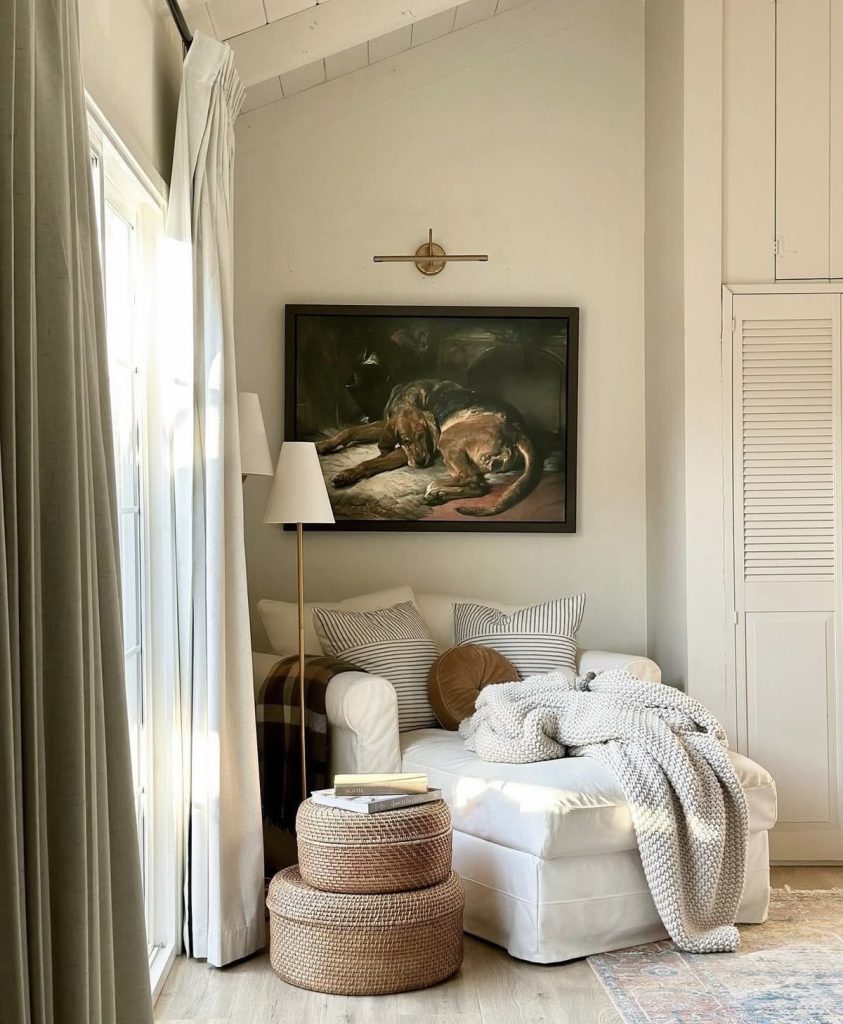
Minimalism has evolved into something softer, warmer and more inviting. Replacing stark white interiors and ultra-modern finishes are earthy neutral palettes, natural oak, linen upholstery, textured stone and handcrafted details that create a sense of effortless comfort. Rather than stripping spaces back completely, warm minimalism layers texture, craftsmanship and natural materials to create interiors that feel lived in rather than staged. The result is a home that feels timeless, elegant and quietly luxurious.
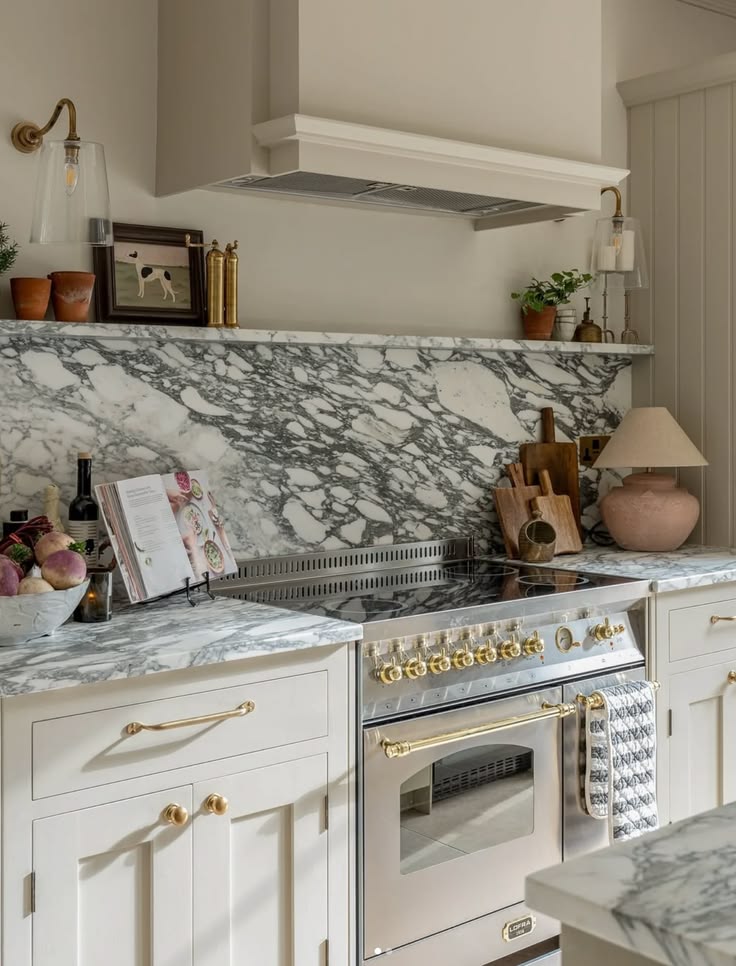
Natural stone has become one of the defining materials of contemporary luxury interiors, valued not only for its beauty but also for its longevity and individuality. Dramatic marble kitchen islands, sculptural travertine bathrooms, richly veined quartzite and striking onyx surfaces are increasingly being celebrated as works of art in their own right. In many homes, these expressive materials reduce the need for excessive decoration, allowing craftsmanship and the natural character of the stone to become the focal point.
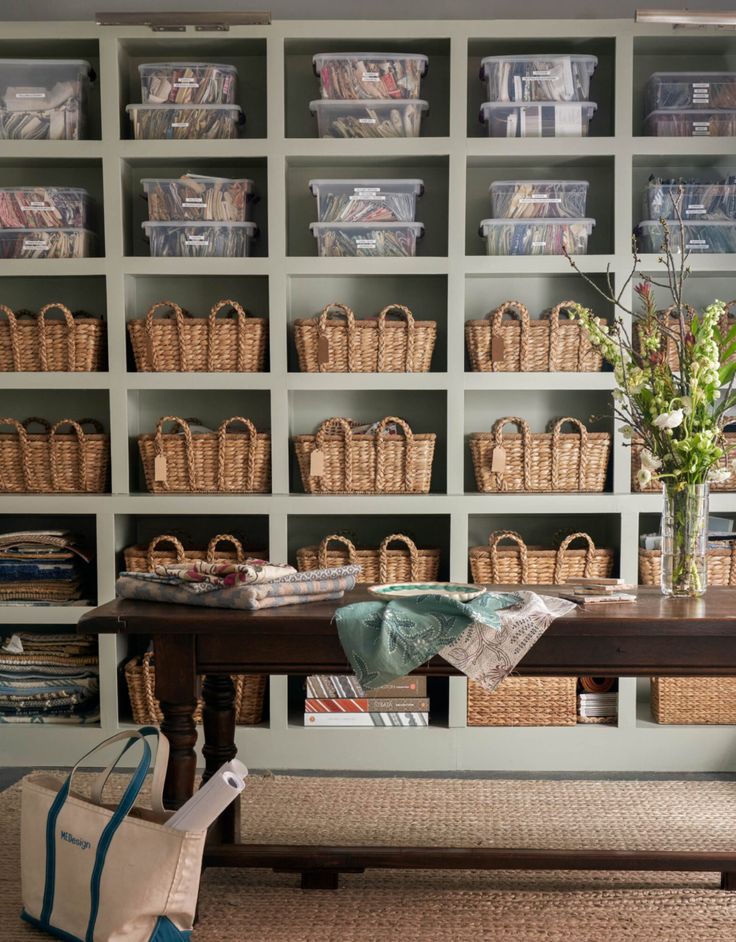
Perhaps the biggest shift in luxury homes is that they are becoming increasingly personal. Rather than designing spaces simply to impress, homeowners are creating rooms that reflect the rituals, hobbies and moments they value most. Home libraries, elegant coffee corners, dressing rooms, craft studios and beautifully designed entertaining spaces are replacing underused formal rooms, creating homes that feel both purposeful and deeply individual. Increasingly, luxury is becoming less about having more rooms and more about creating spaces that genuinely enrich everyday life.
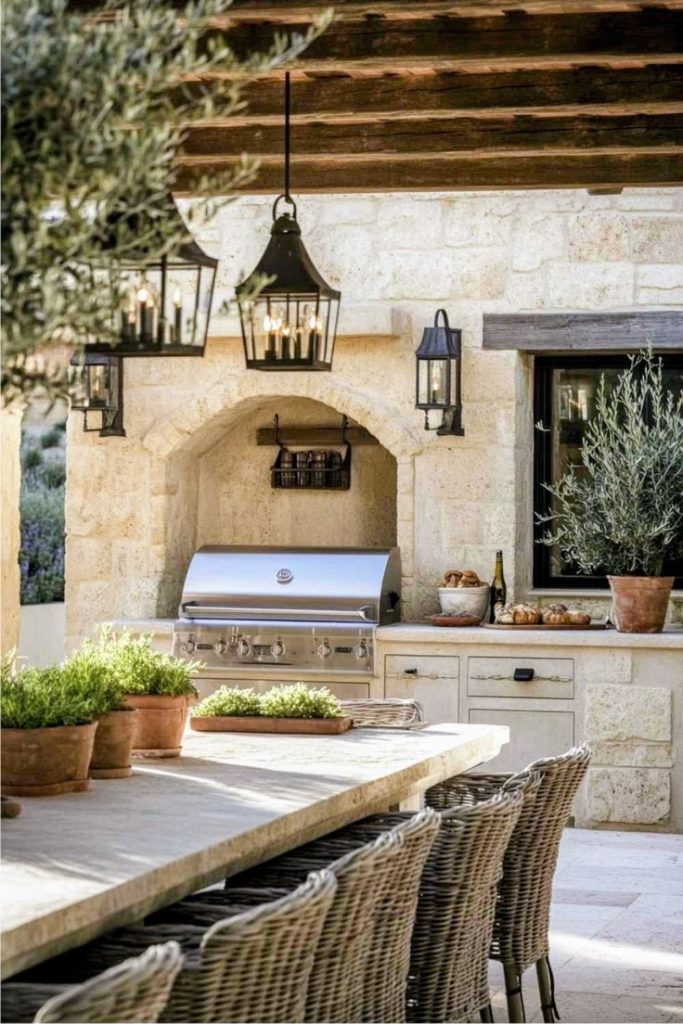
As homeowners seek a closer connection with nature, the boundaries between indoors and outdoors continue to blur. Expansive sliding doors, covered terraces, outdoor kitchens and beautifully landscaped courtyards allow living spaces to extend effortlessly beyond the home itself. Particularly across the GCC, where outdoor entertaining plays an important role for much of the year, these thoughtfully designed spaces create opportunities to gather, relax and enjoy the surroundings without compromising comfort or elegance.
While these design movements may define today’s most beautiful homes, they also reflect a broader shift in the way we think about luxury itself. Increasingly, homeowners are choosing quality over quantity, craftsmanship over excess and spaces that support everyday wellbeing rather than simply impress at first glance. Rather than following trends for the sake of novelty, they are investing in timeless materials, thoughtful design and homes that evolve alongside the people who live in them. In the end, the most luxurious homes are not those that follow every trend, but those designed carefully enough to remain beautiful, functional and meaningful for years to come.
By Sayhrah Noor Asif-Ali