



From Renaissance innovation to contemporary complications, the pocket watch transformed how people experienced time
Before personal timepieces, time belonged largely to places of worship, town squares and public clocks. The arrival of portable watches around the beginning of the sixteenth century changed that relationship, turning timekeeping into something personal.
The earliest examples appeared in Europe around 1500, developed from small spring-driven clocks. Often worn as pendants or incorporated into jewellery, they were crafted from gold, rock crystal or enamel. Accuracy was limited, and many displayed only the hour, making them as much expressions of wealth and artistry as practical instruments.
A decisive advance came in 1675, when Dutch mathematician Christiaan Huygens introduced the spiral balance spring. Watches became more accurate, and minute hands grew increasingly common. As fashions changed, men began carrying them in their pockets, secured by chains and accompanied by decorative fobs, seals or keys.
During the eighteenth and nineteenth centuries, watchmakers introduced more elaborate complications. Repeaters chimed the time in darkness; calendars tracked the date and chronographs measured elapsed seconds. Cases also became canvases for engraving, enamelling and gem-setting, allowing mechanical innovation and decorative craftsmanship to coexist.
Industrial production made pocket watches more widely available during the nineteenth century, while accuracy became essential to expanding railway networks. Railroad watches were built to exacting standards, with highly legible dials, robust movements and carefully regulated timekeeping.
The pocket watch remained the dominant personal timepiece for men until the early twentieth century. Wristwatches had previously been associated largely with women, but their practicality became apparent during the First World War. By the 1920s, the wristwatch was rapidly becoming the modern standard.
Yet the pocket watch never disappeared. Instead, it moved from daily necessity to specialised expression. Today, it survives through formal dress, family heirlooms, vintage collecting and the work of Maison’s that continue to use the format to demonstrate exceptional craftsmanship.
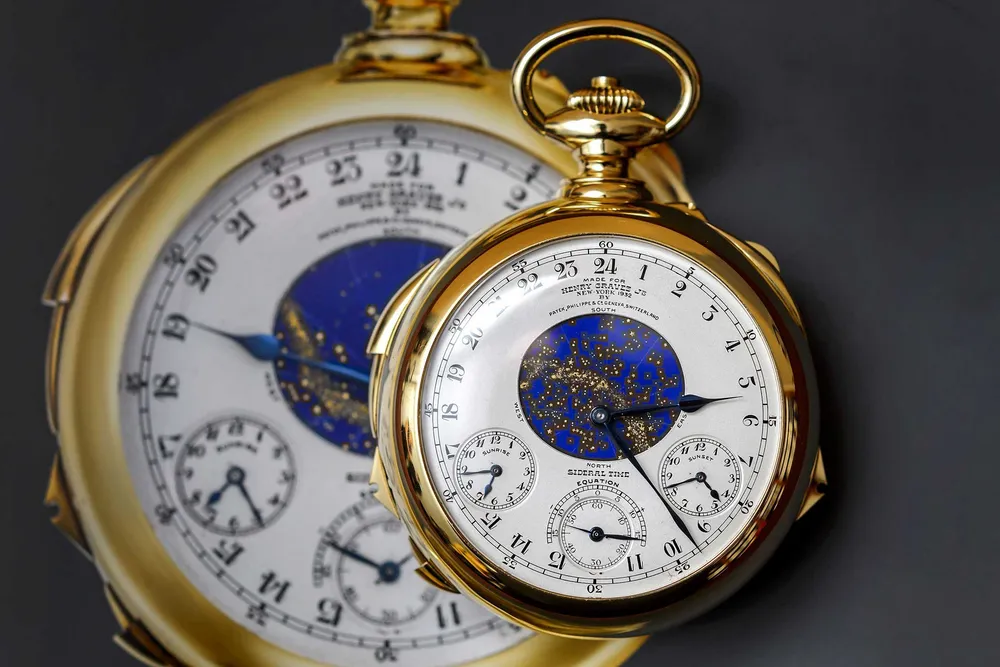
Patek Philippe remains one of the clearest custodians of the traditional pocket watch, with manually wound models still included in its current collection. Vacheron Constantin has taken the format to remarkable technical heights with Les Cabinotiers – The Berkley Grand Complication. Unveiled in 2024 after 11 years of development, the pocket watch contains 63 complications and 2,877 movement components, making it the most complicated watch ever created.
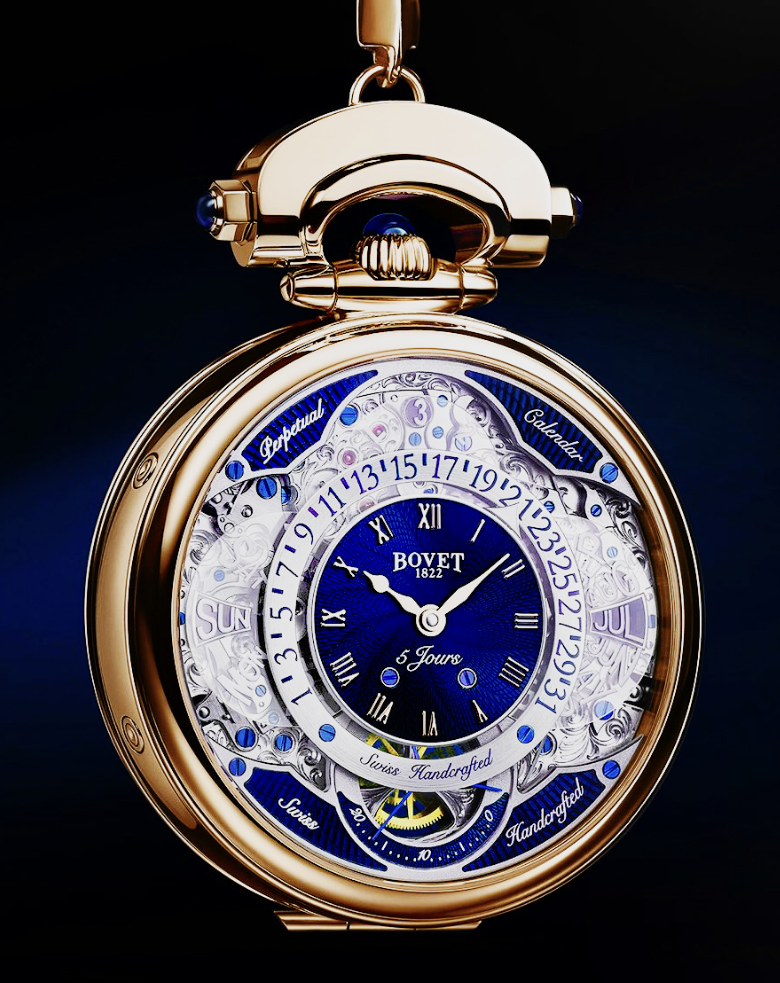
Other watchmakers have reconsidered how a pocket watch can be used. BOVET’s Amadéo convertible case allows models such as the Monsieur Bovet to transform from a wristwatch into a pocket watch or desk clock without tools. Tissot continues to offer traditional Lépine and Savonnette models, keeping the format accessible to a wider audience.
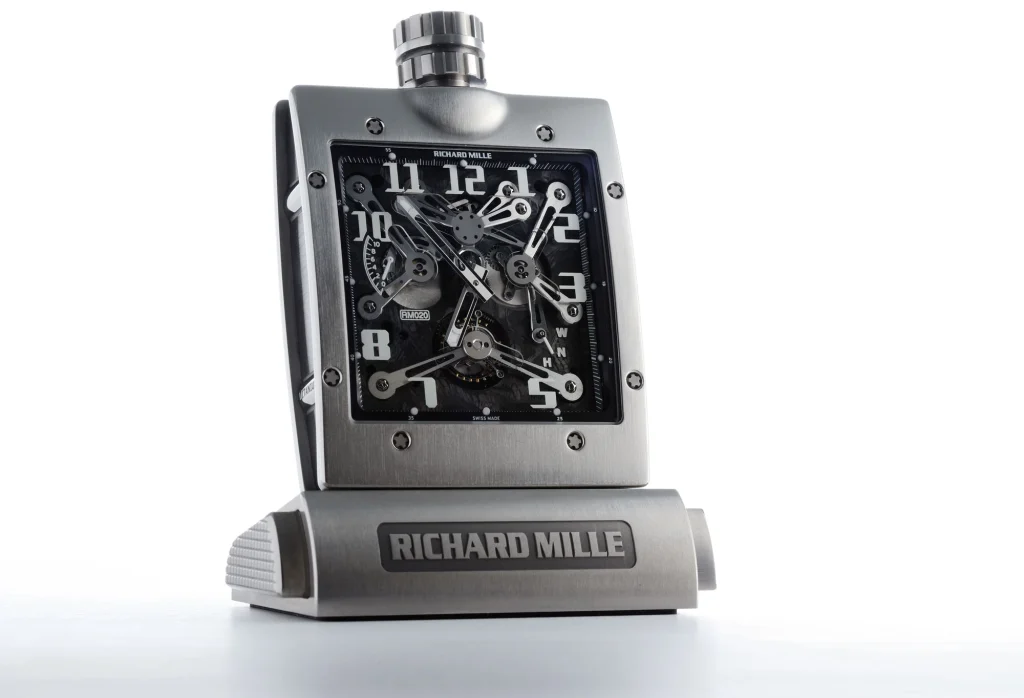
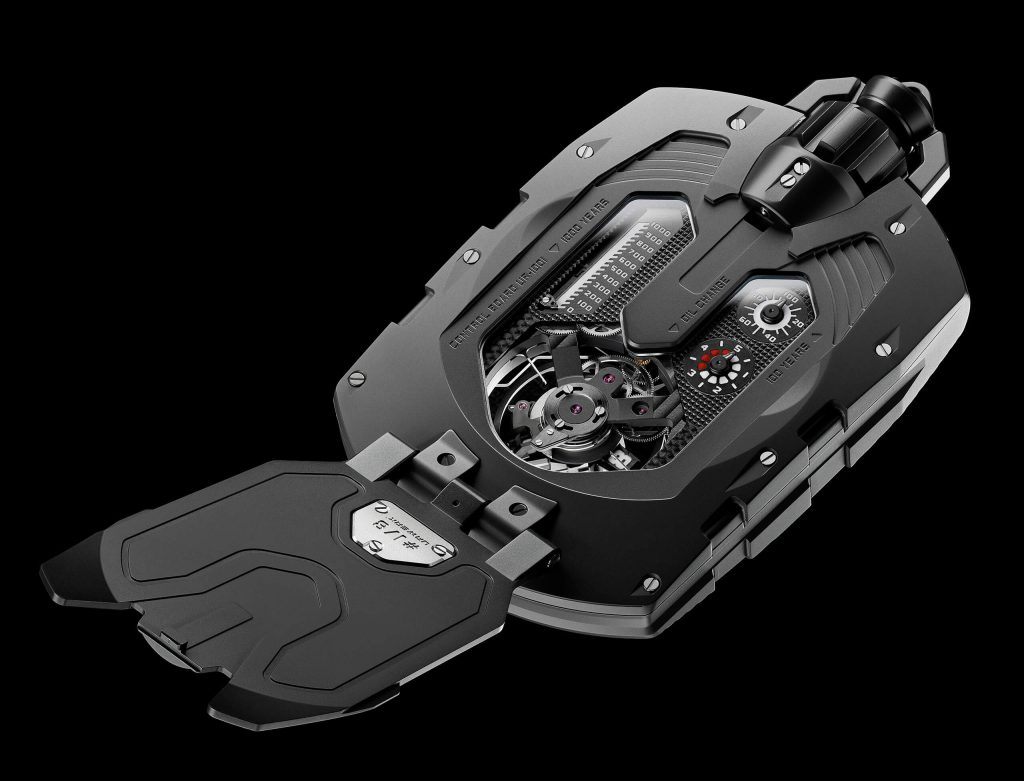
More experimental interpretations have also emerged. Richard Mille’s RM 020 Tourbillon Pocket Watch applied carbon nanofibre and aerospace-inspired engineering to the centuries-old design, while URWERK’s futuristic UR-1001 Zeit Device measured intervals extending from seconds to 1,000 years. Parmigiani Fleurier’s La Rose Carrée combined a restored historic movement with contemporary enamelling, engraving and case design.
Today, the pocket watch’s modern appeal lies partly in sentiment and historical references. It must be removed, held and sometimes opened, turning the simple act of reading the time into a deliberate gesture. No longer necessary for daily life, it has acquired a different kind of value: an object through which heritage, technical ambition and personal style continue to meet.