


Words by Souha Abbas
The founder of Parmigiani Fleurier on restoration, the Hijri Perpetual Calendar, and the ideas that have shaped three decades of the Maison.
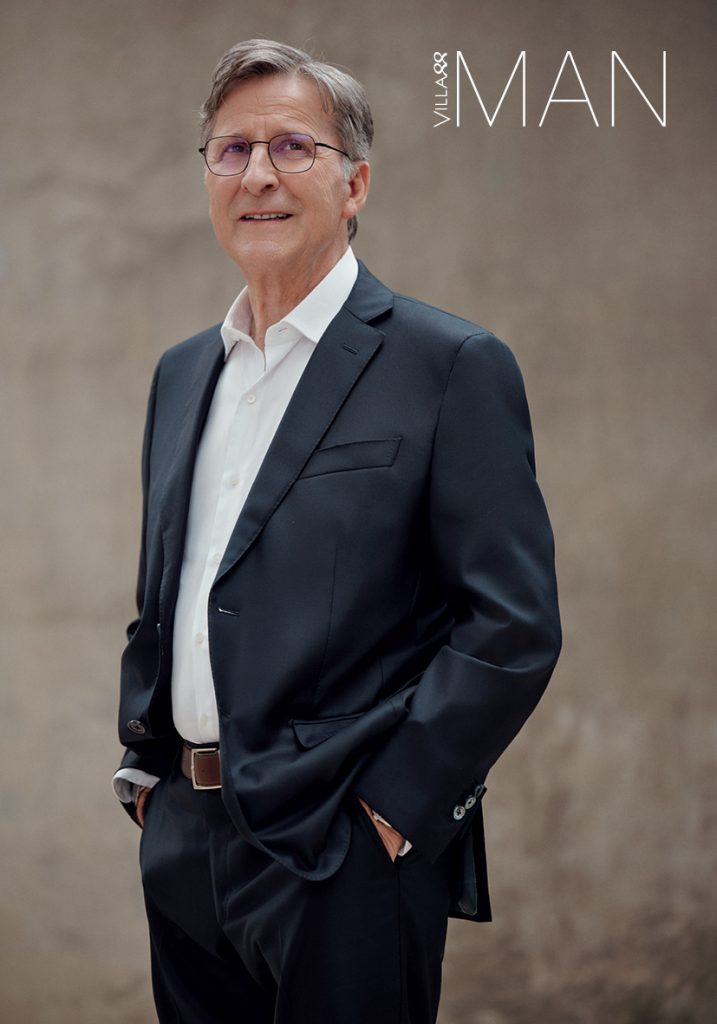
Parmigiani Fleurier marks its 30th anniversary this year, but Michel Parmigiani’s relationship with watchmaking began long before the Maison carried his name.
He opened his first restoration workshop precisely a half-century ago, spending his early career inside historical clocks, watches, and automata, studying not only how they worked, but how their makers thought. That distinction still matters to him.
Restoration taught Michel to look for intention behind a mechanism, to value clarity over complication, and The founder of Parmigiani Fleurier on restoration, the Hijri Perpetual Calendar, and the ideas that have shaped three decades of the Maison. Words by Souha Abbas to treat the past as something to be understood rather than reproduced.
It is a way of thinking that would later shape Parmigiani Fleurier, from the architecture of its famed Bugatti watches to the Hijri Perpetual Calendar. Even now, three decades into the Maison’s story, those principles remain largely unchanged.
In conversation with Villa 88 Man, Michel Parmigiani reflects on the objects that formed his approach, his connection with the Arab world, and the ideas that continue to guide his work today.
Parmigiani Fleurier turns 30 this year, while your career in restoration stretches back more than five decades. When you look back, what are you most proud of?
I am most proud of having remained faithful to a certain idea of watchmaking. When I opened my restoration workshop in 1976, my objective was never to build a brand, but to understand the genius of the great watchmakers who came before us. Restoration taught me humility and respect for craftsmanship, lessons that have stayed with me since the early days of my career.
Thirty years of Parmigiani Fleurier represent so much more to me than the creation of a Manufacture. These years have meant the transmission of knowledge, the preservation of traditional savoir-faire, and perhaps most importantly, the freedom to create according to our convictions. If I am proud of anything, it is that this spirit continues to live within the Maison today, and that our independence gives us the freedom to perpetuate it.
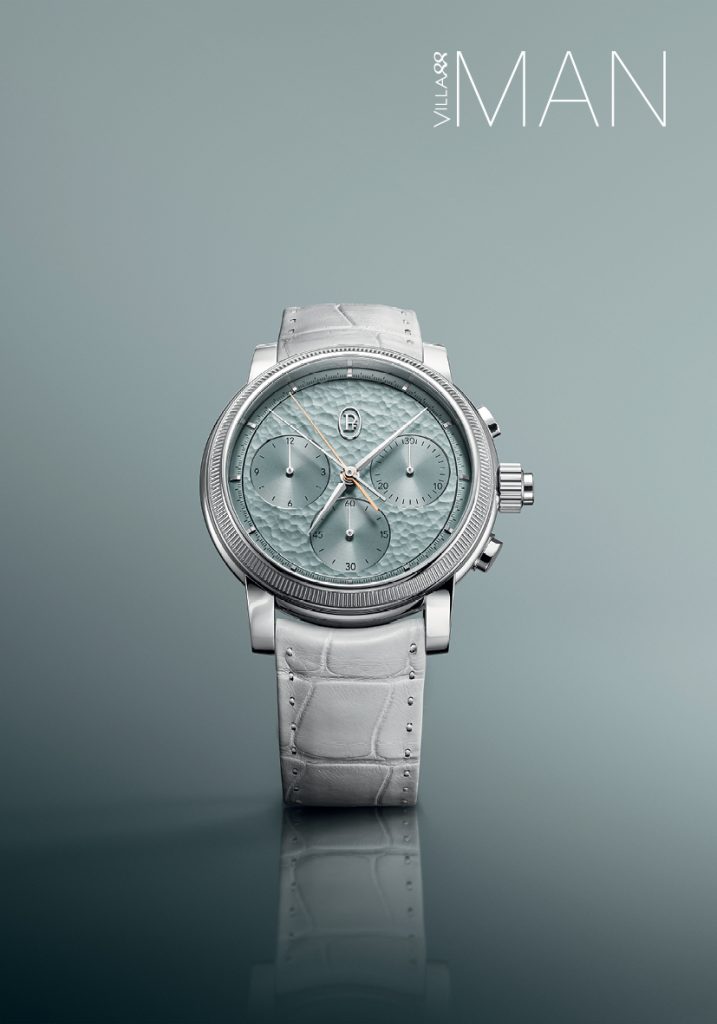
What made you believe so strongly that this craft was worth preserving?
Mechanical watchmaking is one of the most remarkable expressions of human intelligence. Even during the quartz crisis, when I first began working, I never believed that people would lose their appreciation for beauty, craftsmanship, and ingenuity.
A mechanical watch is not simply an instrument. It is a cultural object. It carries history, emotion, and human talent. Preserving this craft, to me, was, in a way, preserving part of our civilisation.
What did restoration teach you about your own approach to watchmaking?
Restoration taught me that every great watchmaker leaves behind a way of thinking, not simply a mechanism.
When you disassemble a historical masterpiece, you discover solutions that are often surprisingly elegant.
You learn that true sophistication is not complexity for its own sake, but clarity. This lesson has guided every creation I have ever designed.
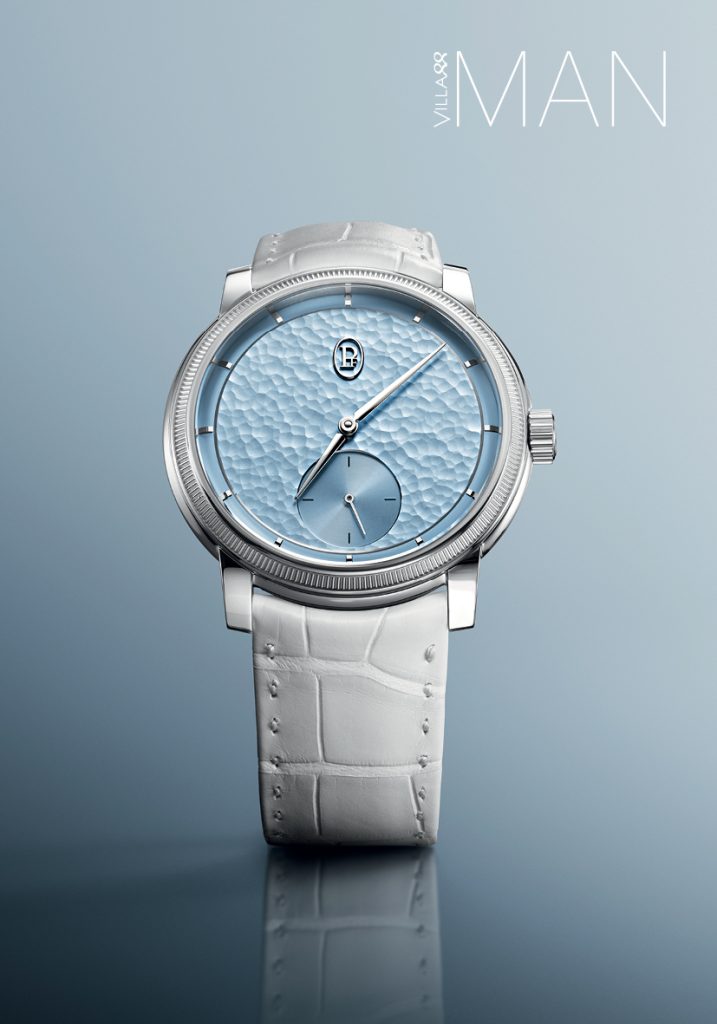
Is there any one historical timepiece that changed the way you thought about watchmaking?
There were several, but some of the most important were the extraordinary clocks and automata from the Sandoz Collection. Those masterpieces demonstrated that watchmaking could embrace mechanics, art, architecture, and poetry at the same time. They broadened my vision of what horology could be and encouraged me to think beyond conventional wristwatches.
Which of your creations feel most personal to you?
The pieces closest to my heart are often those born from years of reflection rather than commercial necessity. The Bugatti project, for example, challenged conventional watchmaking architecture. The Hijri Perpetual Calendar is another. It is a creation that unites technical innovation, culture, and respect for history. Those are values that have guided me throughout my life.
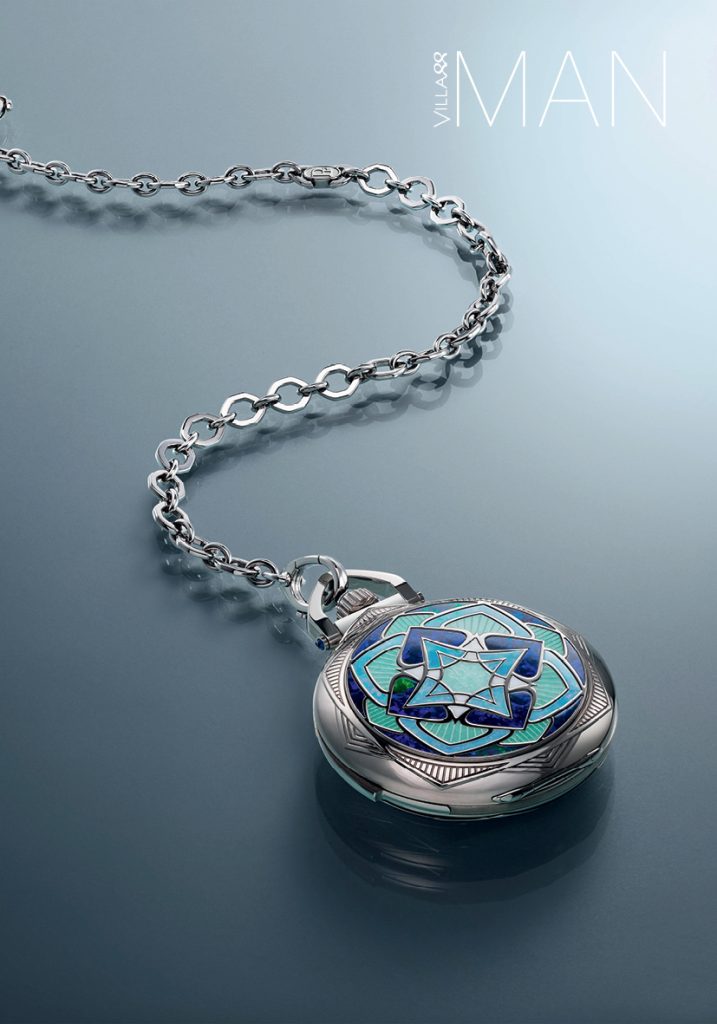
The Hijri Perpetual Calendar was the first timepiece of its kind created for a wristwatch. What first drew you to the Islamic lunar calendar, and what did it mean to you to finally bring it to the wrist?
My fascination with the Islamic lunar calendar began long before the wristwatch itself. As a restorer, I had the privilege of studying historical timepieces connected to different cultures and traditions. Through these encounters, I came to understand that calendars are not simply instruments for measuring time – they reveal how civilisations see the world, how they relate to nature, and even how they express spirituality.
The Islamic calendar touched me deeply because of its intimate connection to the moon and the rhythms of life. Bringing the Hijri calendar to the wrist was therefore far beyond a technical challenge. It was an act of respect. I wanted to create something that honoured a rich cultural heritage while expressing it through the universal language of fine watchmaking.
Apart from the technical achievement itself, what makes me happiest is the idea that a mechanical watch can serve as a bridge between cultures. For me, the Hijri Perpetual Calendar is a celebration of knowledge, heritage, and mutual understanding.
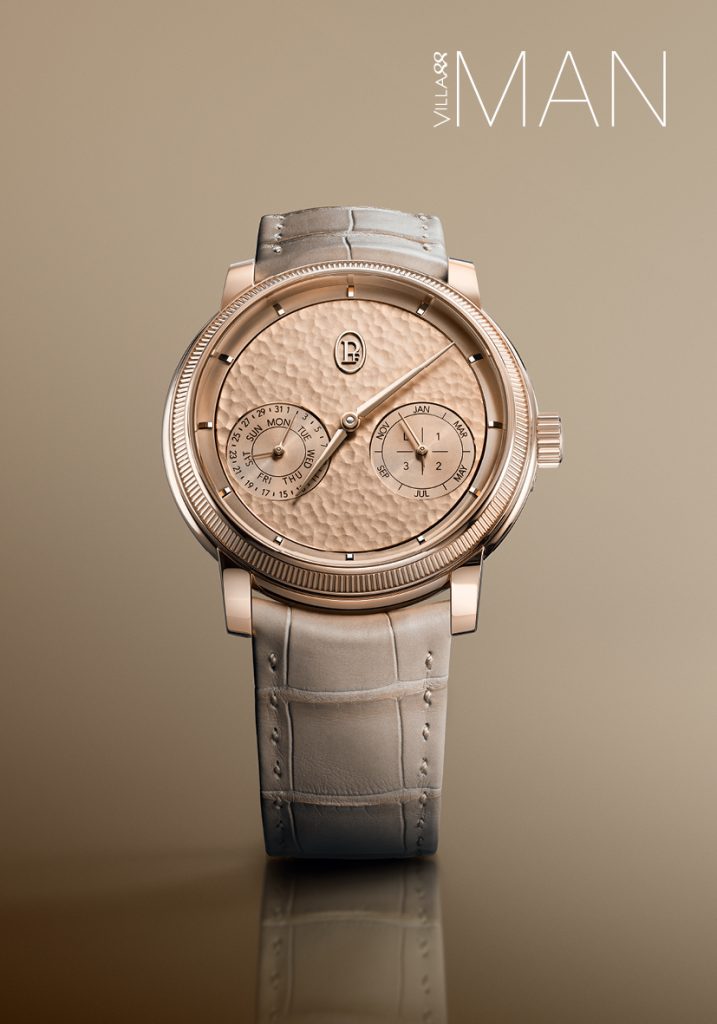
The UAE and the wider Arab world have held a special place in your journey for many years. How has your relationship with the region developed over time, and what has it meant to you – both personally and as a watchmaker?
My relationship with the UAE and the Arab world has developed over many years through encounters, friendships, and a shared appreciation for craftsmanship and culture. What has always impressed me is the importance given to heritage, to transmission, and to the preservation of identity while embracing modernity. These are values that resonate strongly with my own approach to watchmaking.
On a personal level, I have always felt a great deal of warmth and generosity from the people I have met in the Middle East. There is a genuine curiosity about culture, history, and beauty that makes every exchange meaningful. As a watchmaker, this relationship has also been a source of inspiration. The Hijri Calendar is perhaps the most visible example but, more broadly, the region has reminded me that horology is not only about measuring time. It is about telling human stories.
When a creation reflects the traditions, beliefs, and aspirations of a culture, it acquires a deeper purpose. That is one of the reasons my connection with the Arab world remains so important to me today.
How do you turn something from the past into something relevant today?
The objective is never to reproduce the past. The past is a source of understanding and inspiration.
Once you understand the underlying idea, you can reinterpret it through contemporary aesthetics, technologies, and expectations.
I believe the future of watchmaking depends on this dialogue between heritage and innovation.
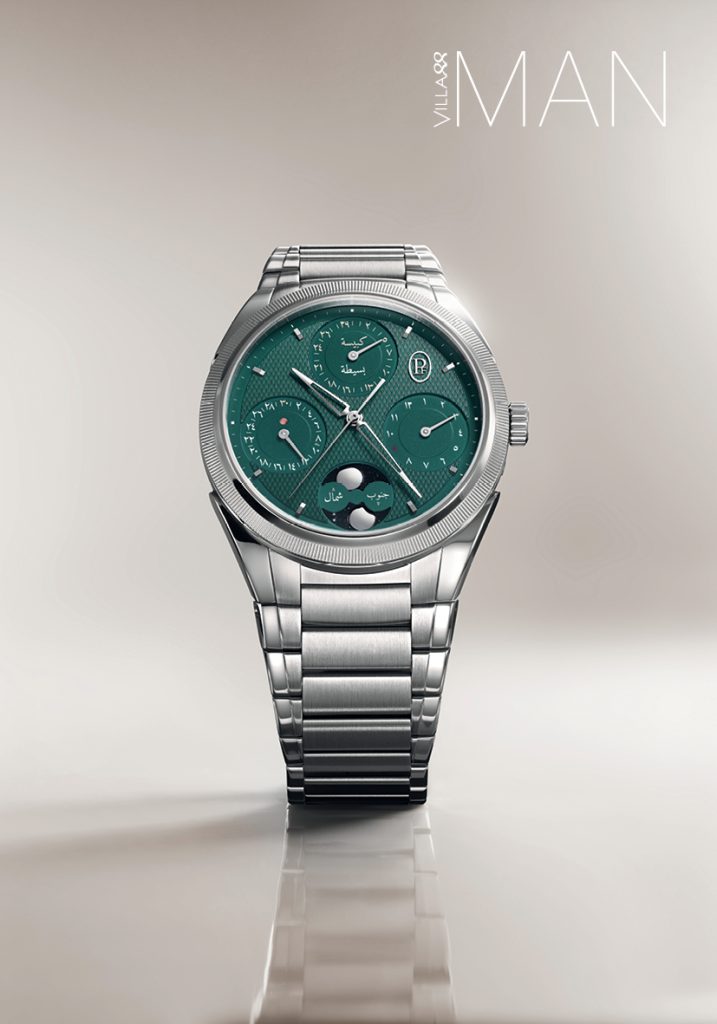
What would you say still feels unmistakably Parmigiani today?
A deep respect for authenticity. Styles may evolve and collections may change, but the essence remains the same – technical integrity, artisanal excellence, and a search for harmony.
Parmigiani Fleurier was founded on those principles, and I still recognise them today.
What does the TORIC collection mean to you personally?
The TORIC is where the story began. It embodies many of the principles that have guided me throughout my career – proportion, architectural balance, attention to detail, and respect for classical beauty. Thirty years later, it continues to express those values in a contemporary language, which is perhaps the greatest compliment one can pay to a design.
What would you like people to remember about the Maison as well as your work?
I would hope that people remember that we sought meaning rather than fashion, that we did not follow trends, and that our ambition was never simply to create watches. It was to preserve and enrich a culture of craftsmanship while contributing something original to the history of haute horlogerie.
If future generations see Parmigiani Fleurier as a Maison that combined beauty, intelligence, and integrity, I would be very satisfied.