


Dubai-based architect Abdalla Almulla finds inspiration in familiar materials, everyday life, and the possibilities of making something his own.
Founder / EIC: Asma Al Fahim
Creative Direction/Production: Beya Bou-Harb
Photographer/Videographer: Tareck Raffoul
Assistant Photographer: Scar Salario
Location: Four Seasons Resort Dubai at Jumeirah Beach
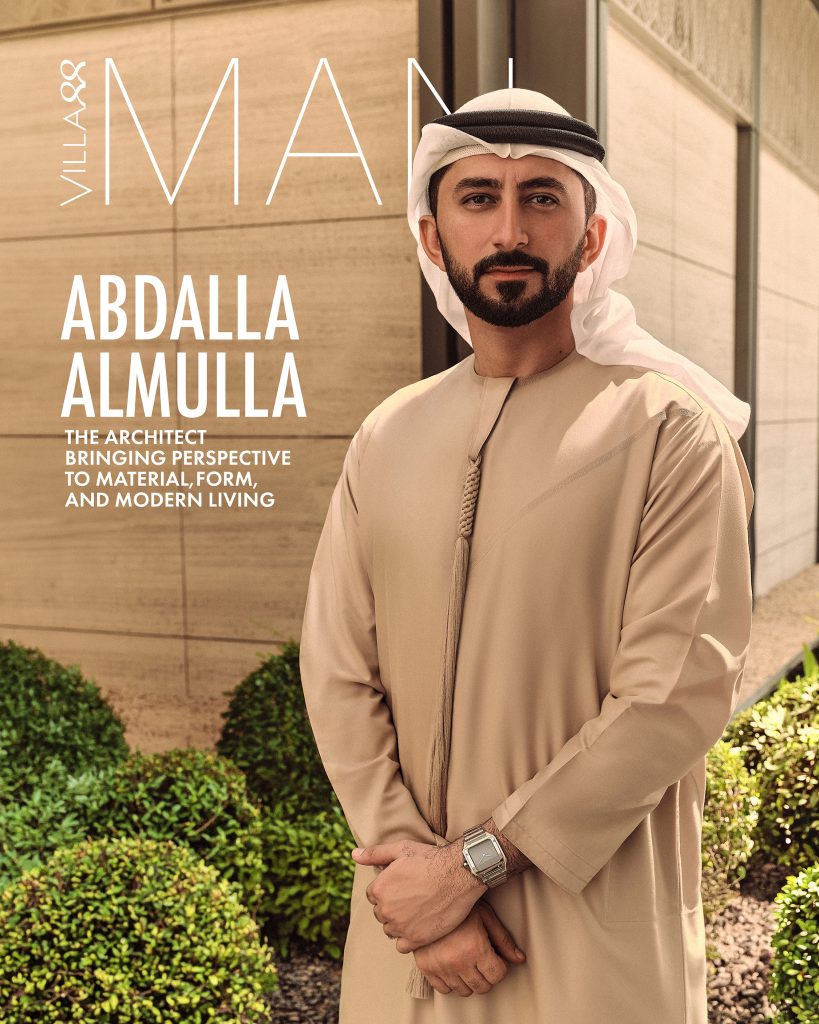
Abdalla Almulla once built an entire room around the possibilities of a palm tree. For Dubai Design Week in 2023, he created Of Palm, a pavilion commissioned through Abwab, the event’s annual pavilion programme. Palm was used for the structure, interiors, furniture and smaller details.
There was something appealing about taking a material so familiar and giving it this much to do. He wanted to see how far he could take it in a contemporary space. MULA, the design practice that Abdalla founded in Dubai in 2018, has since taken on projects of different scales, from individual objects to architectural spaces.
“Geometry, materials, and making are questions that can be explored through an object as much as through a building,” the architect explains. A chair might give him an opportunity to test an idea that may later inform a room – although, he adds, he sees no reason why one project should necessarily resemble another.
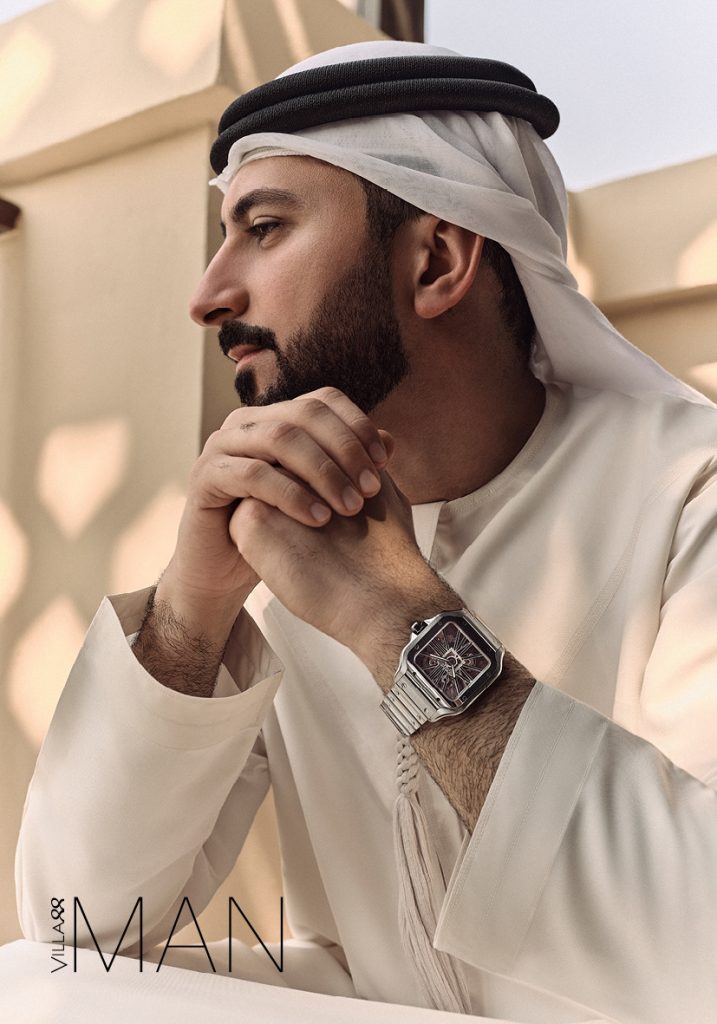
His interest in design began with graphics. Abdalla reveals that he always liked arranging things on a page, working with proportions and patterns, and making small adjustments until the composition felt right. Architecture allowed him to explore taking those ideas further. For example, “a composition could become something people enter, move through, and experience,” he explains.
Abdalla went on to study at Woodbury University in San Diego, where his graduation project explored geometry, winning both the Grand Critique Faculty Choice Award and Best Degree Project Award in Architectural Design. He later returned to Dubai.
Making Ideas Real
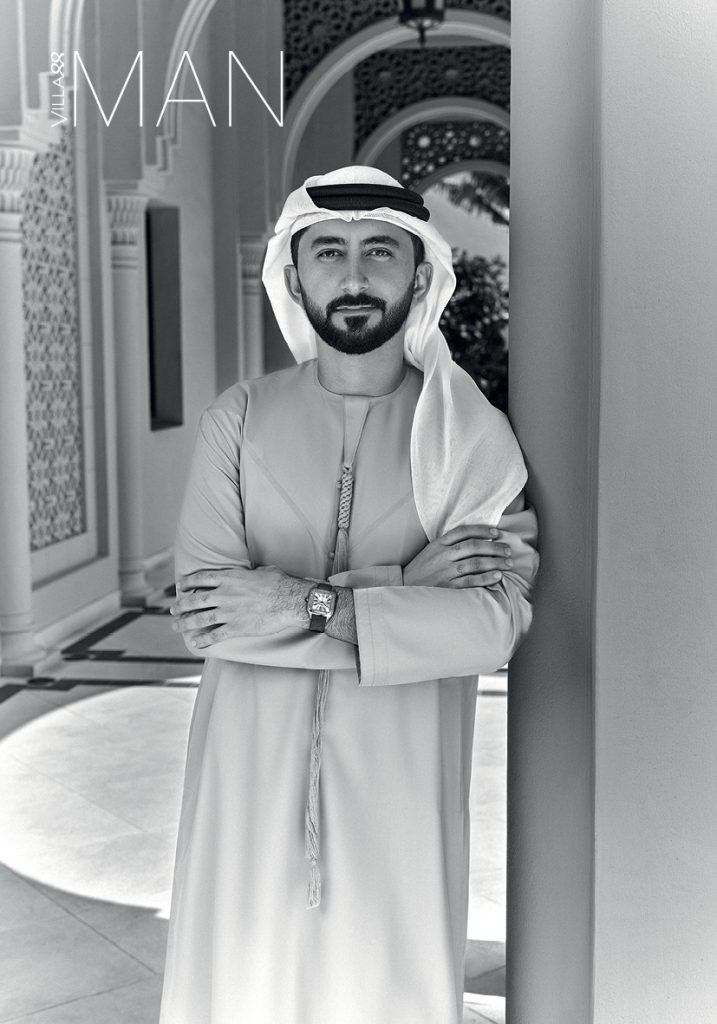
Abdalla likes to work out an idea by making it. A drawing can only take him part of the way, but a prototype offers a better sense of the proportions, while also making limitations harder to overlook. It becomes something he can handle physically, take another look at, and make changes to – this is the practical part of the process, he says, particularly when working with unfamiliar materials.
With a room, there is also the matter of what happens once people arrive. Abdalla explains that he pays attention to how the space may be used by different individuals, for varied purposes – things that are difficult to judge from a photograph. “Where does someone sit? How do they move through it?” he asks. “Is there a comfortable place to pause or speak with another person?”
His interior designs are often pared back, though he has little interest in making them feel severe. He relies on geometry to establish proportions, while using texture and light to determine how the room feels.
“A space can be visually quiet and still have texture, warmth, and generosity,” he says, adding that he wants people to feel comfortable enough to stay, rather than simply admire what they see.
Material Origins
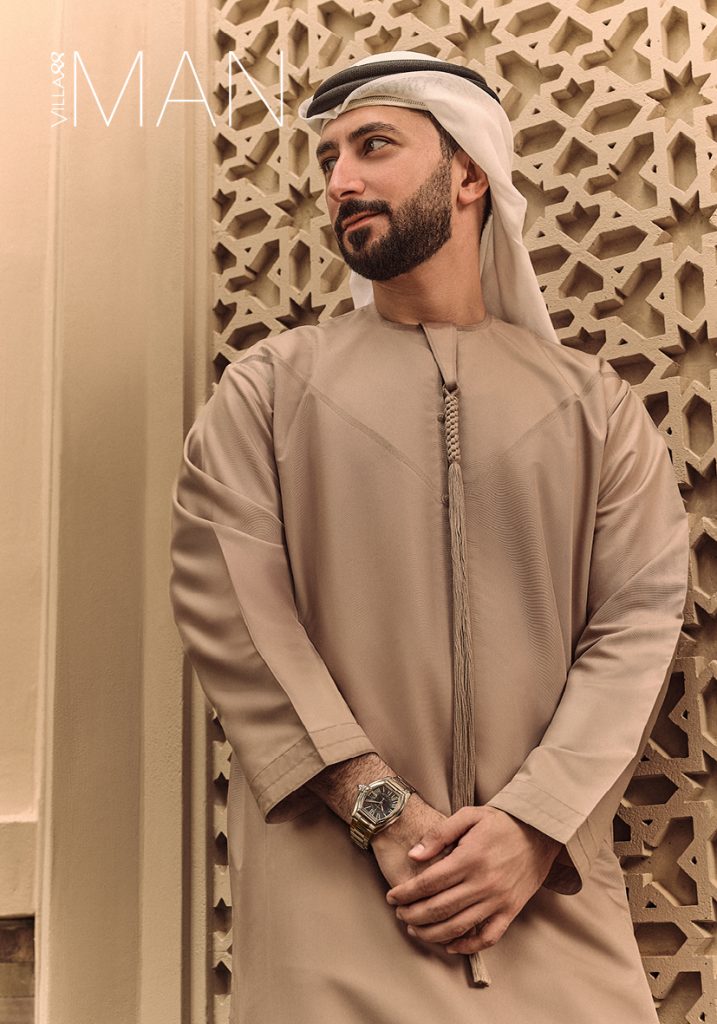
Materials occupy a large portion of Abdalla’s attention. Their origins matter, as do the way they perform and the possibilities they offer in the workshop. So, when he looks to regional architecture, he is interested in the decisions behind it. “Why was a material used? How did a space respond to climate?” he ponders. “What kind of social life did it support?” He believes these are the questions worth asking while a design is taking shape, when the answers can still change it.
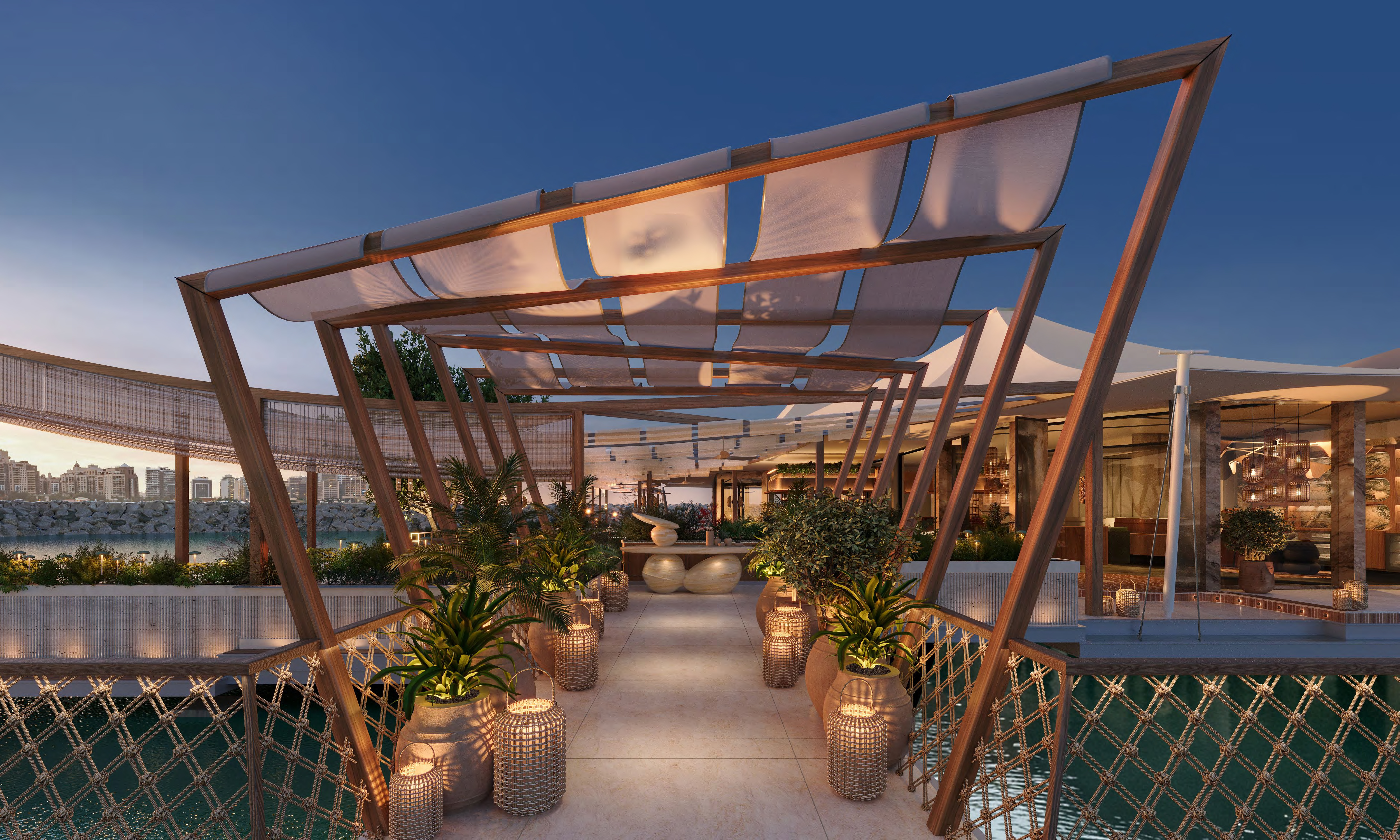
Abdalla’s projects show how differently those interests can be expressed. For an international luxury house in Dubai Mall, he combined Swiss-pine bark and Emirati palm trees, materials with very different origins and associations. At Heaf in Marsa Al Arab, a curved timber ceiling takes its inspiration from the hull of a boat and the water beyond. The first draws on an unlikely combination of materials, while the second begins with the setting itself.
Growing up in the UAE has also influenced the way Abdalla approaches his work. He has watched the country’s-built environment change rapidly, something he regards as an invitation rather than a constraint. “It encourages you to imagine what could come next and to pursue ideas with confidence,” he says.
Yet he sees just as much value in what already exists. “Restraint comes from paying attention to what already has value – materials, knowledge, and familiar ways of living,” he adds.
Unexpected Luxuries
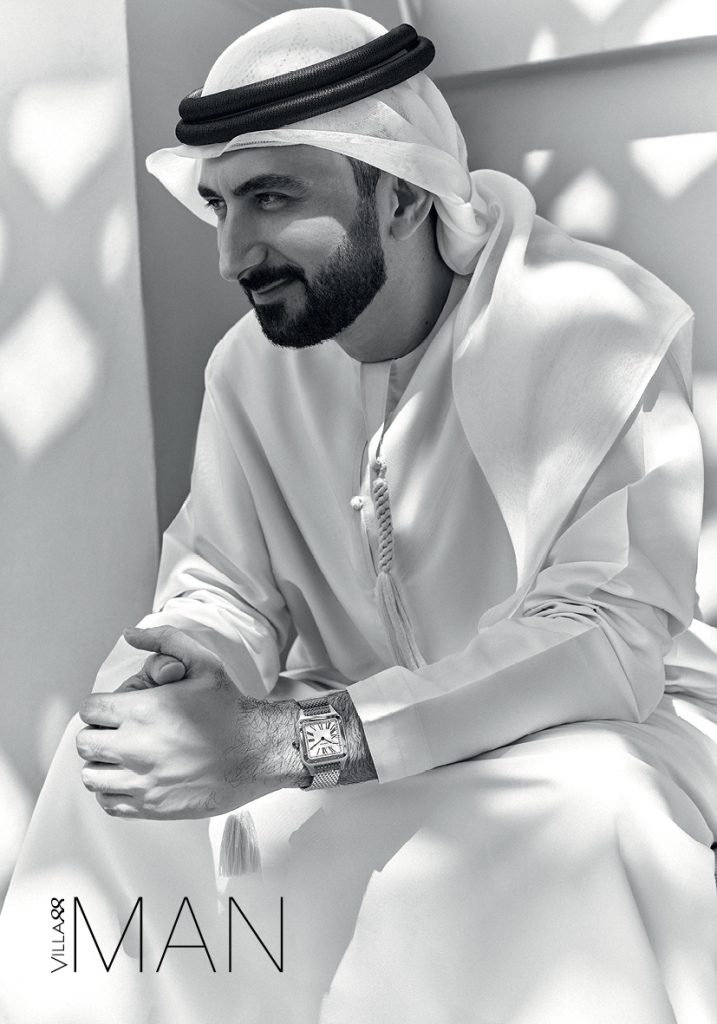
Abdalla’s appreciation extends beyond architecture – his idea of luxury, for example, has little to do with excess. “It might be a precise proportion, a carefully resolved detail, or the way an object feels in daily use,” he states.
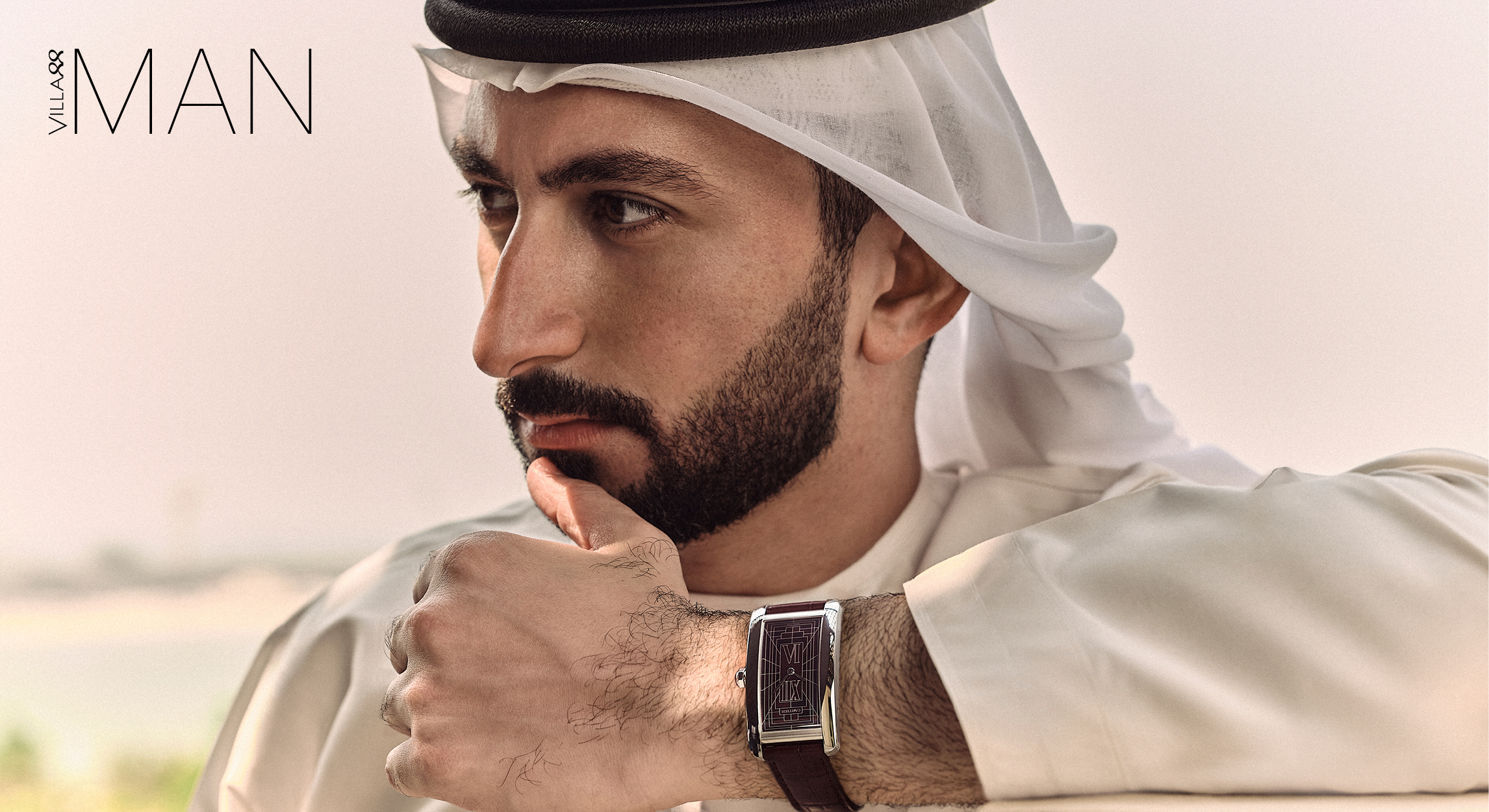
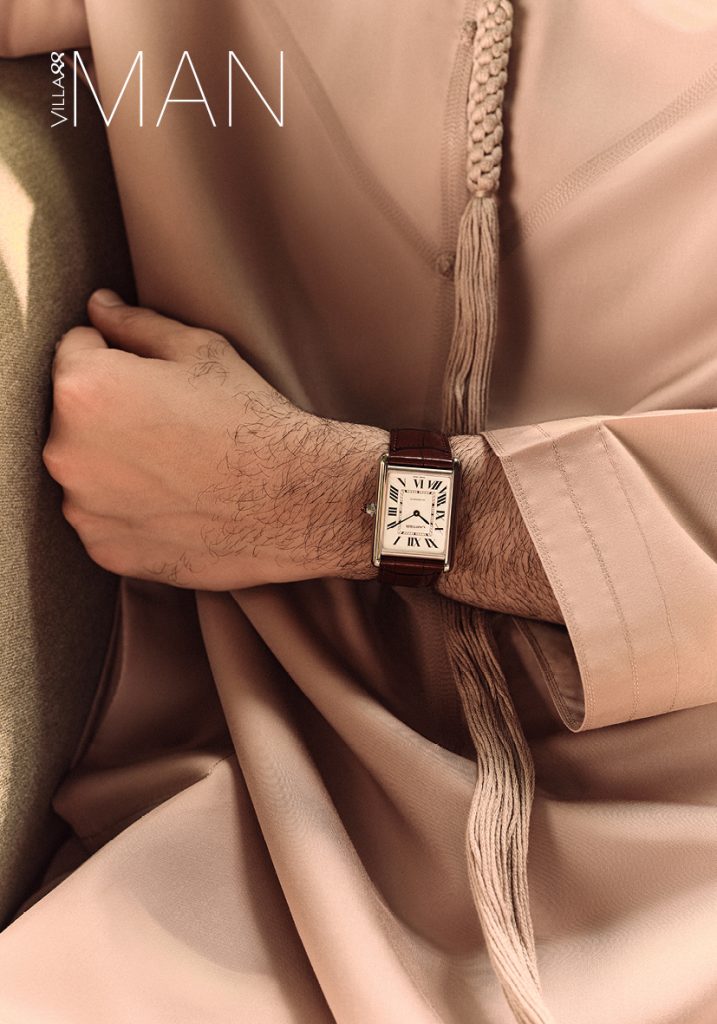
He has a particular interest in watches, enjoying their mechanisms and history as much as their appearance. He notices how the proportions have been handled, how the materials work together, and, importantly, how a watch feels on the wrist.
Clothes offer him a different kind of pleasure. Proportion and material still catch his eye, but he is not trying to apply the same principles to everything he owns. “There is also room for curiosity and for something unexpected,” Abdalla says. His wardrobe can be more spontaneous than his architecture. Nor does he feel any need for his home, studio, and clothes to share a single aesthetic. Each, he explains, has its own purpose and thus reflects a different part of his personality.
Looking ahead, he hopes the UAE’s next generation of buildings will draw more confidently on local craft and material knowledge, as well as the habits that have long shaped life in the region.
“Understanding shade, gathering, privacy, and hospitality gives architecture a strong basis for development,” he says. He sees plenty of room for experimentation, provided it is informed by an understanding of the place and the people who will use it.
As MULA takes on projects of increasing variety, Abdalla remains protective of “the time and attention needed to develop an idea properly”. The scale of the work may change, but he sees little reason to hurry the process. And there’s no shortage of ideas he’d like to explore next.