


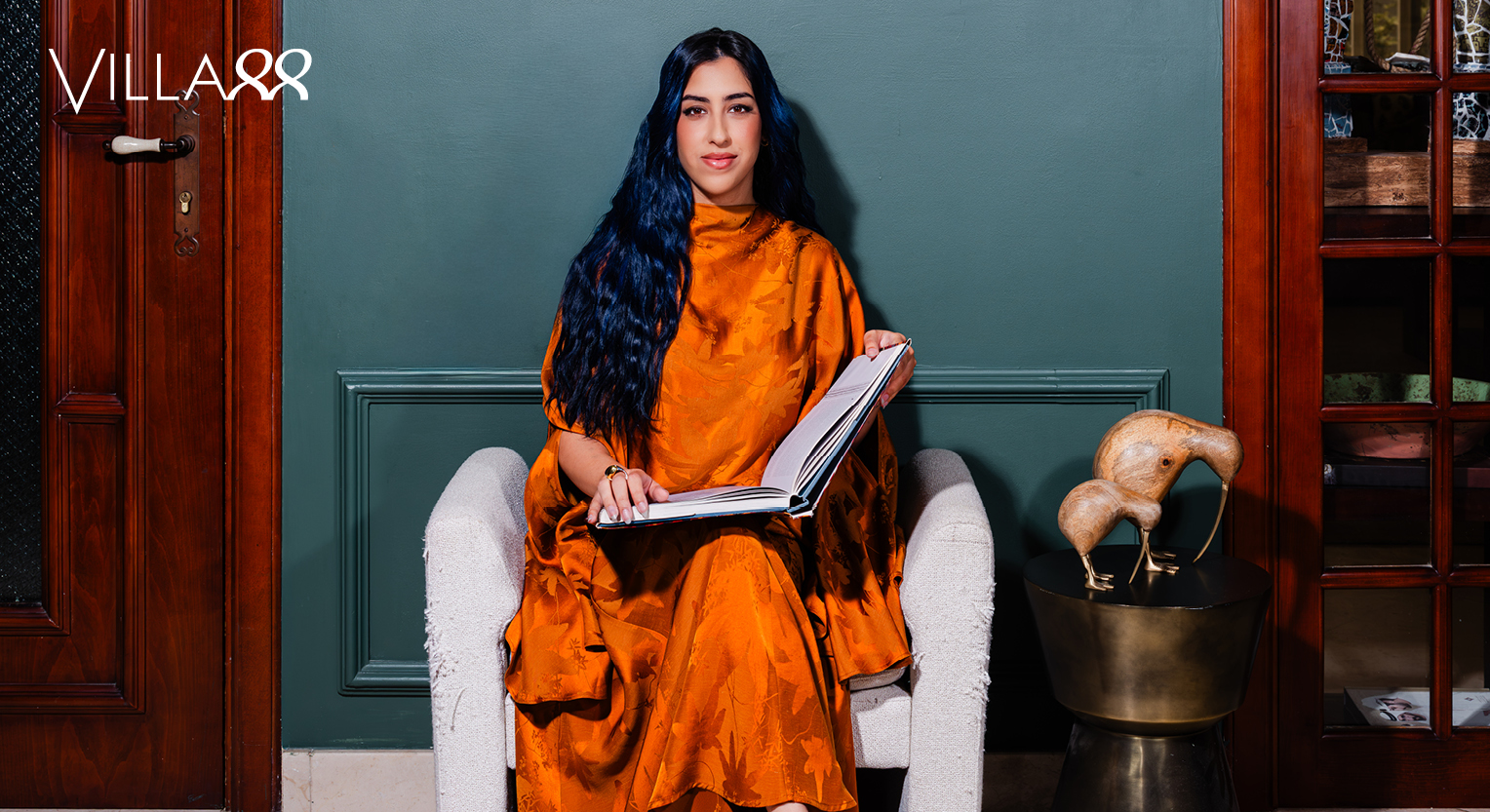
Emirati designer Yara Bin Shakar reflects on a decade of creativity, her mother’s artistic influence, and building a fashion label defined by colour, craftsmanship, and the freedom to change.
Words by: Lindsay Judge – Photographer: Yassine Taha
Creative Producer: Beya Bou-Harb – Stylist: Gemma Jones
Talent: Yara Bin Shakar – Hair and Make-up: Kalina Klarakocemba
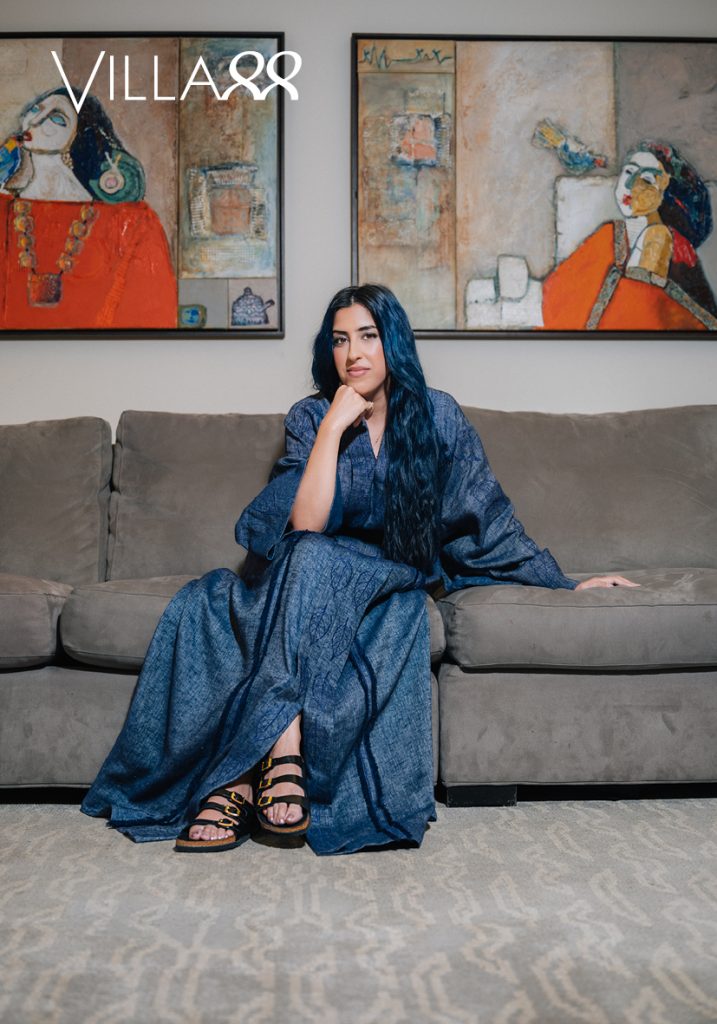
For fashion designer Yara Bin Shakar, each morning begins with one simple question. “What do you
want to wear today?” It is, she believes, the first creative decision of the day – one that can express
an emotion, introduce a different energy, and ultimately “set the tone for the whole day and the way you feel about yourself”.
This instinctive connection to clothing began long before she founded her eponymous fashion label in 2016. Growing up in a creative household, Yara always knew her future would be connected to art or design. Fashion gave her a language to bring together colour, silhouette, craftsmanship, and emotion, transforming ideas into pieces that could become part of another woman’s life.
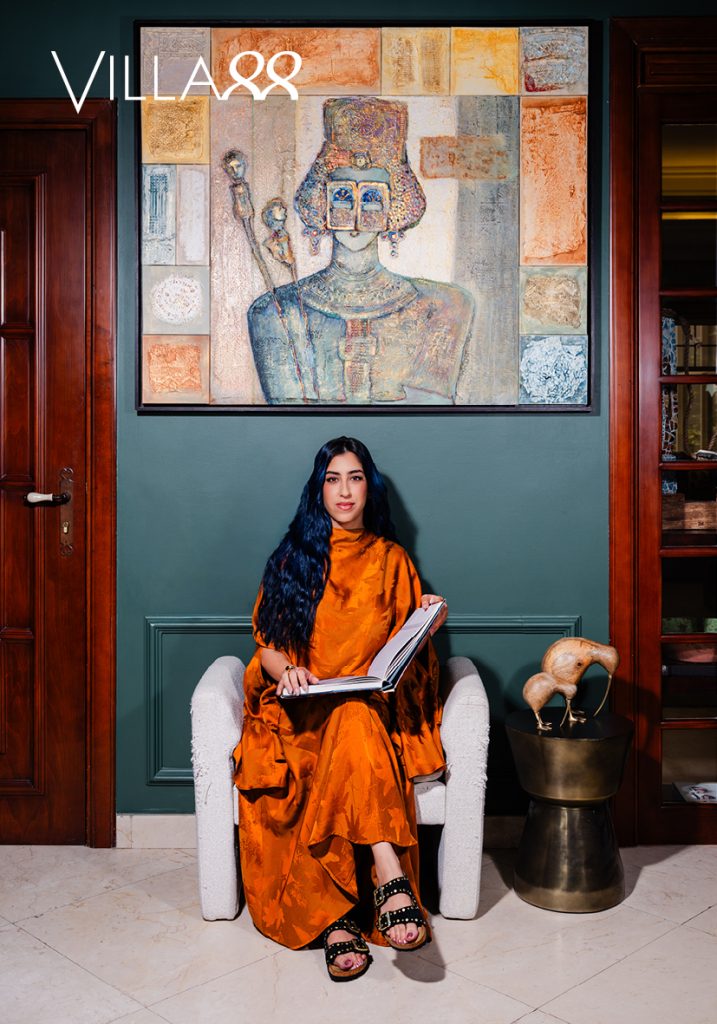
A decade after launching her eponymous label, Yara’s creative world continues to evolve. Some collections are minimal and practical, while others are colourful, eclectic, and filled with statement pieces.
Rather than committing to one recognisable formula, but not driven by trends, Yara allows each collection to reflect a different mood, stage, or perspective.
“I realised that I didn’t want to place myself in a box where all my creations looked similar,” she says. What has not changed is her commitment to creating pieces that are “impeccably made and timeless” – the kind of garments that remain in a wardrobe long after the season has passed.
Yara’s earliest understanding of creativity came from her mother, Salma Almerri, a prominent artist in the UAE and the greatest influence on her life. Growing up, art was part of Yara’s everyday life. It shaped how spaces were experienced, how beauty was recognised, how ideas were communicated. “In our household, art is a very serious matter,” the designer says. It has the ability to “bring life into every space it occupies” – a perspective that would eventually inform the way she approached clothing.
Watching her mother work taught Yara to see beyond the immediately obvious. She learnt to appreciate colour, composition, and texture, but also to recognise the emotion held within a creative object. Her mother encouraged her to view people as “walking works of art”, inspiring her desire to create garments that allow individuality to come forward.
Growing up around an artist also gave her the confidence to experiment. Colour was not something to fear or use cautiously – it became a tool for building atmosphere, conveying emotion, and developing identity.
That openness shows across Yara’s collections, in which expressive prints and vivid shades sit comfortably beside clean lines and restrained monochrome pieces. “I see fashion as an art form too,” she shares.
Her parents’ support was equally important when she decided to pursue fashion professionally. “I always knew I wanted to be in a creative or artistic field, just like my mother,” Yara explains. At the time, entering a creative field wasn’t necessarily considered a conventional career path, but their encouragement helped her see it as a serious, sustainable profession. “I believed I could do anything, and that is something people sometimes underestimate,” she adds.
Launching her label gave Yara the space to develop her own visual language. Each collection begins with observation. She considers what she has been seeing, listening to, and feeling, alongside the places she hopes to visit and the textures that have caught her attention. Inspiration may arrive through an image,
a sound, a fabric, or an emotion. There is no rigid starting point. “I take my time and allow inspiration to develop,” she says. These references gradually come together until a distinct direction emerges, which explains why one collection can feel entirely different from the next.
For Yara, creative consistency comes from a clear point of view, attention to construction, and an understanding of the woman who will ultimately wear the clothes.
The ability to change direction has become one of the most valuable lessons of her career. “It is important to trust your instincts. Your brand should grow with you,” she explains, “while still staying true to its identity.”
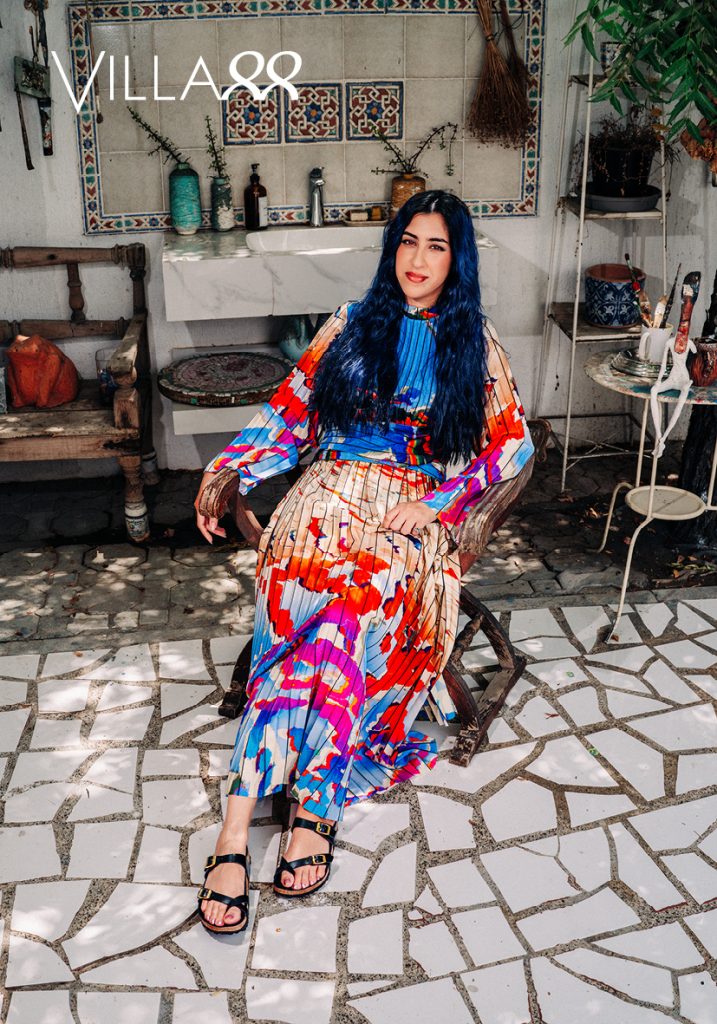
This freedom also shapes her interpretation of femininity. “We live in a world that requires us to be everything at the same time,” she says. “In trying to meet those demands, women can become so exhausted that they forget to nurture both their softness and their strength.”
Her collections respond to that complexity. Flowing shapes sit beside sharply structured pieces, while vivid colour is balanced by quieter, more practical designs.
Each offers a different way for a woman to dress according to the moment she is experiencing. “Femininity shifts from soft to resilient, to strong and back to being soft,” Yara explains. Her Emirati identity also informs her approach to fashion.
Modesty, proportion, and colour all carry elements of the culture in which she was raised, even when those references are not immediately recognisable. “I always design with our culture and heritage in mind,” she says. Rather than presenting these influences literally, she prefers to translate them through cut, detail, and feeling, taking aspects of Emirati culture and expressing them “in a way that is not so obvious”.
Her mother’s influence extends beyond aesthetics. By observing an artistic practice that embraced upcycling and sustainability, Yara developed an instinct for seeing materials not only for what they are, but for what they could become. “My mother’s work focuses a lot on upcycling and sustainability,” she says. “Then it hit me – that is why I love creating reversible pieces and giving fabrics another chance at life.”
Within the business, this philosophy translates into made to-order production, reversible garments, and the reuse of fabrics from previous collections. Surplus material can also be transformed into the label’s signature reversible make-up bags, extending its purpose instead of becoming waste.
“When selecting a fabric, I always think several steps ahead,” Yara notes. “The question is not simply how it will be used within the current collection, but what else it might eventually become.”
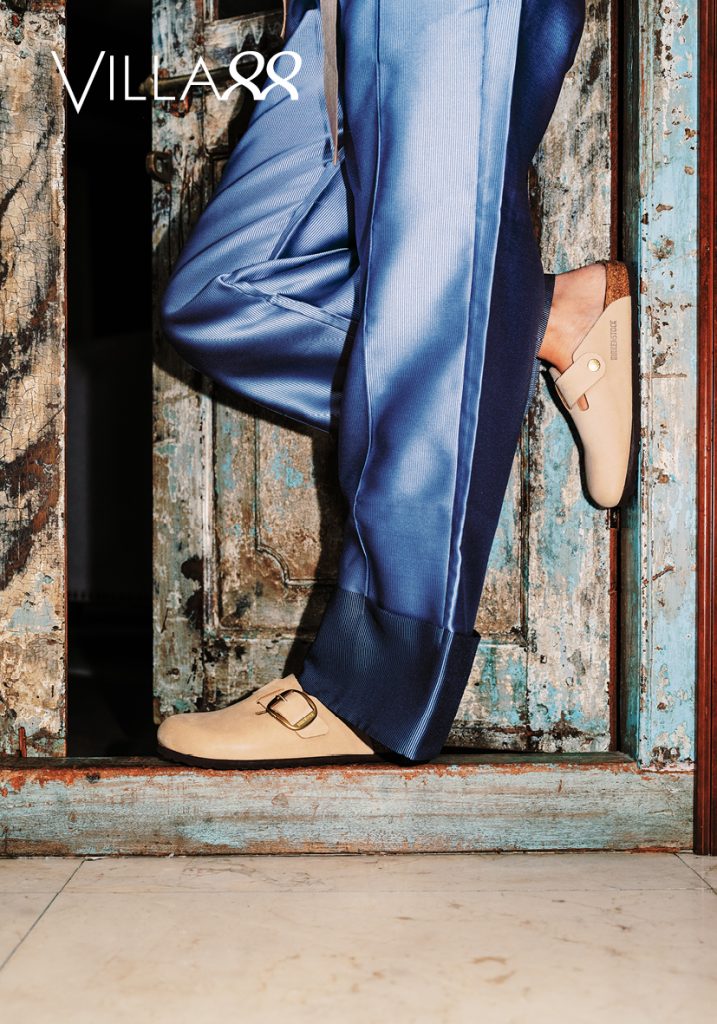
This considered approach reflects her belief in slow fashion. She recognises the environmental impact associated with the industry and wants her label to contribute to a more responsible model of production. For her, that means minimising waste while ensuring every piece is made with care and intended to last.
The industry surrounding her has also transformed considerably since she launched the brand. In 2016,
there were fewer visible platforms for independent regional designers and less infrastructure to support
emerging names. Today, Yara sees the UAE becoming an increasingly important fashion centre, with
new initiatives, communities, and opportunities allowing designers to develop their businesses and reach
international audiences.
More significantly, Yara has noticed a change in how local design is perceived. Consumers, she notes,
are showing greater interest in homegrown brands, craftsmanship, and the story behind an individual garment. They are also becoming more conscious of how and where pieces are made. “There is much more appreciation for local talent,” Yara reveals. Customers are increasingly drawn to designs that feel “considered, distinctive and meaningful”, creating space for regional labels with an authentic perspective.
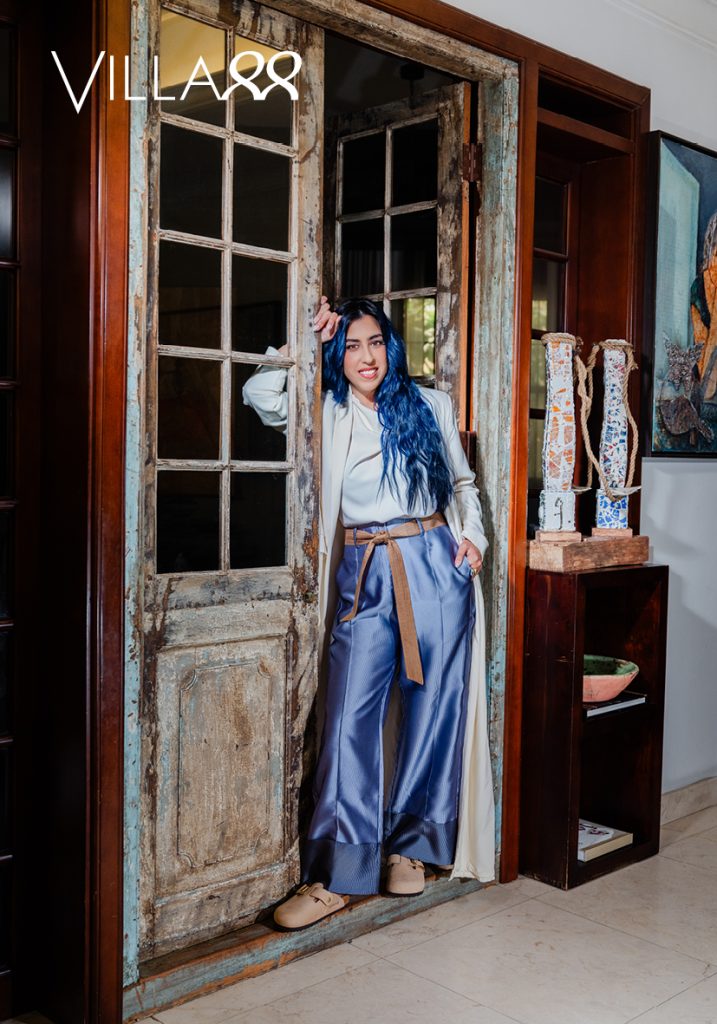
After a decade in business, Yara remains ambitious about what her label can become. “My ambition is to continue growing the label while staying true to our voice and perspective,” she says. She wants the brand to be recognised for its “craftsmanship, versatility, and clearly defined identity”, but her aspirations are also personal.
Ultimately, the Emirati designer hopes to create clothing that women do not simply purchase, but live in, remember, and return to – “pieces,” as Yara Bin Shakar puts it, “that women genuinely connect with and make part of their own stories”.