



WORDS BY MARK EKE
As I approach 30, my idea of wellness is shifting – away from chasing numbers and towards understanding what is happening beneath the surface, from hormones and recovery to stress, sleep and long-term health.
There is something about approaching 30 that makes you think about your body differently. Maybe it is completely psychological, although a recent wellness assessment at Marsa Al Arab put my metabolic age at 27 – information I have naturally chosen to treat as medically binding. Jokes aside, I have found myself thinking less about wellness purely in terms of how I look or perform and more about what is happening underneath it all: recovery, sleep, stress, metabolic health and, increasingly, hormones.
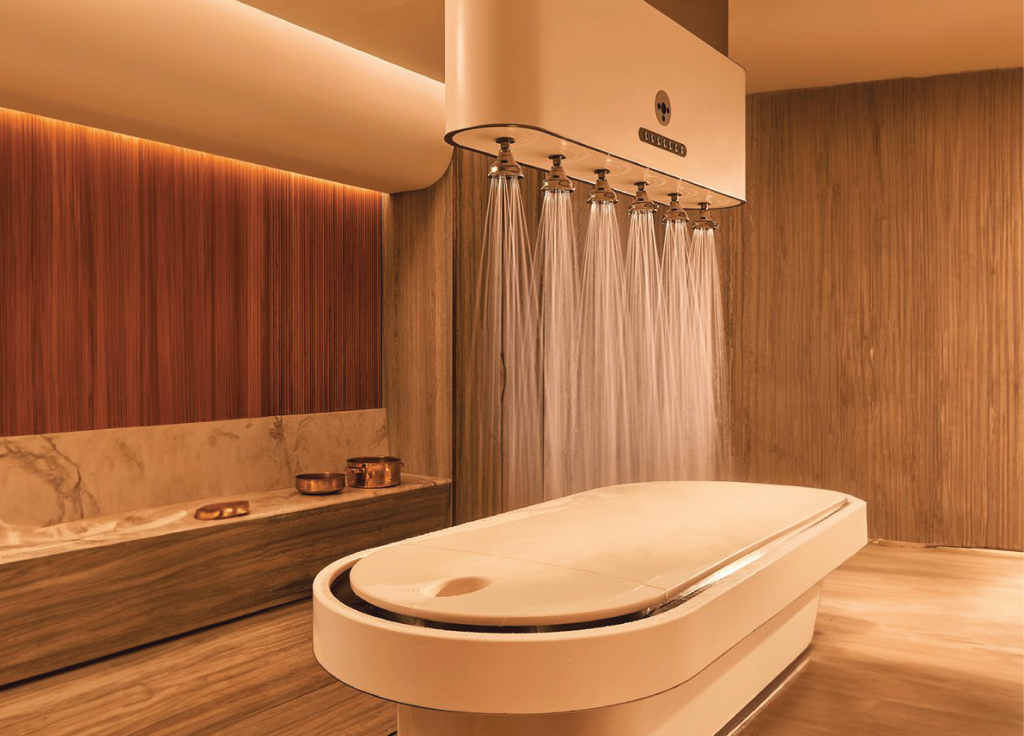
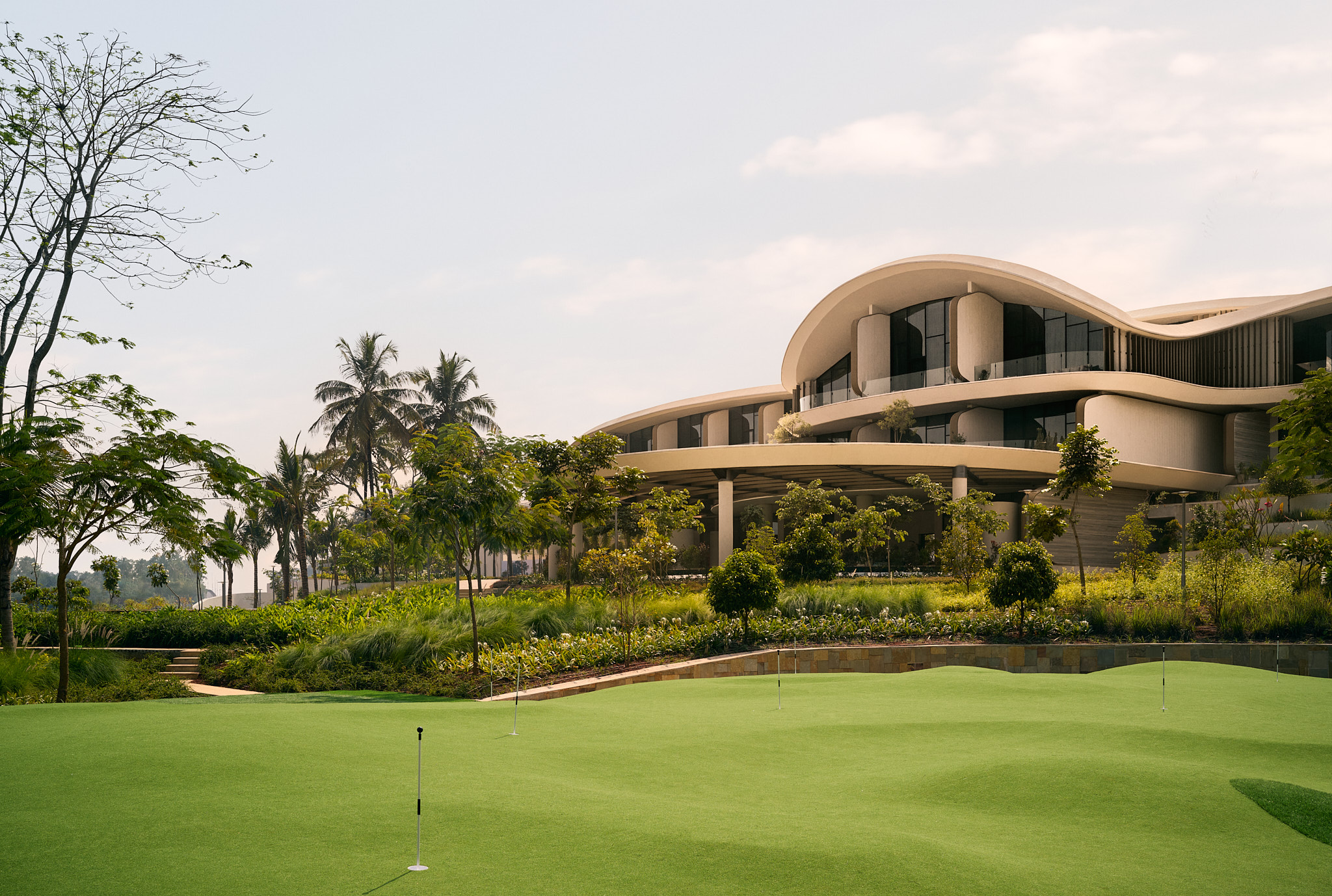
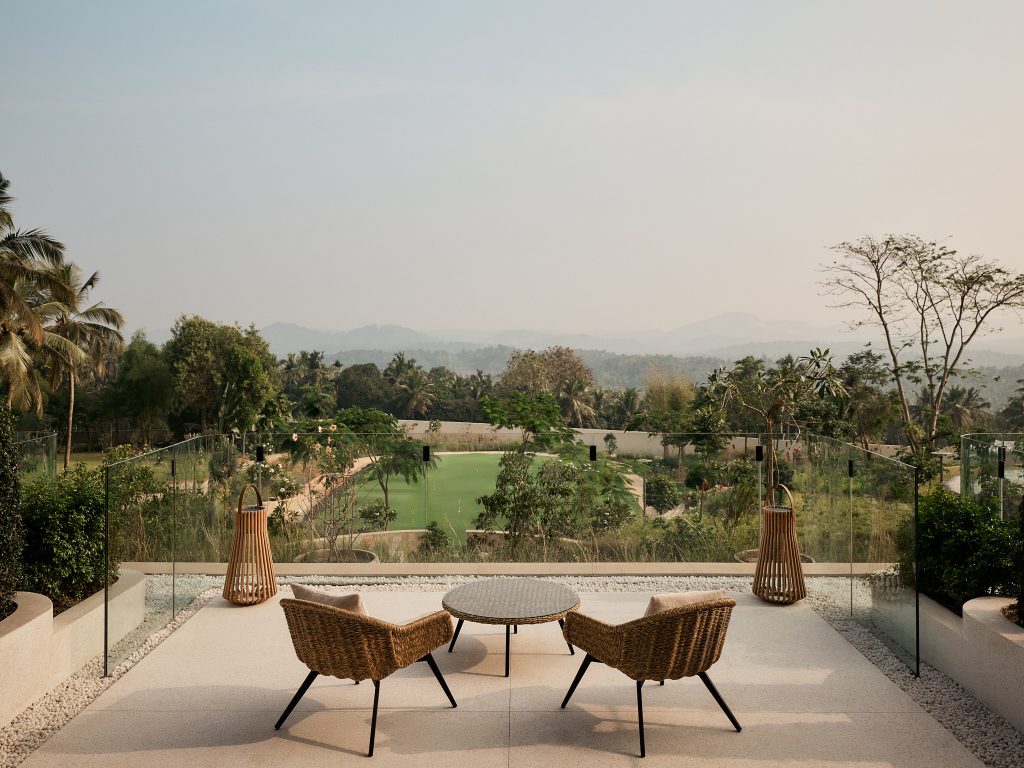
That is what makes tulåh Clinical Wellness in Kerala interesting. Set across 30 acres of gardens and rewilded forest, the retreat combines modern medicine and advanced diagnostics with Ayurveda, Traditional Chinese Medicine, nutrition, movement, regenerative therapies and mind-body practices, approaching hormonal health as part of a much wider picture rather than reducing it to a single concern. For men in particular, that philosophy feels timely. We live in an age of optimisation, where testosterone, cortisol, sleep scores, body-fat percentages and recovery metrics can start to feel like a never-ending report card on how well we are ageing.
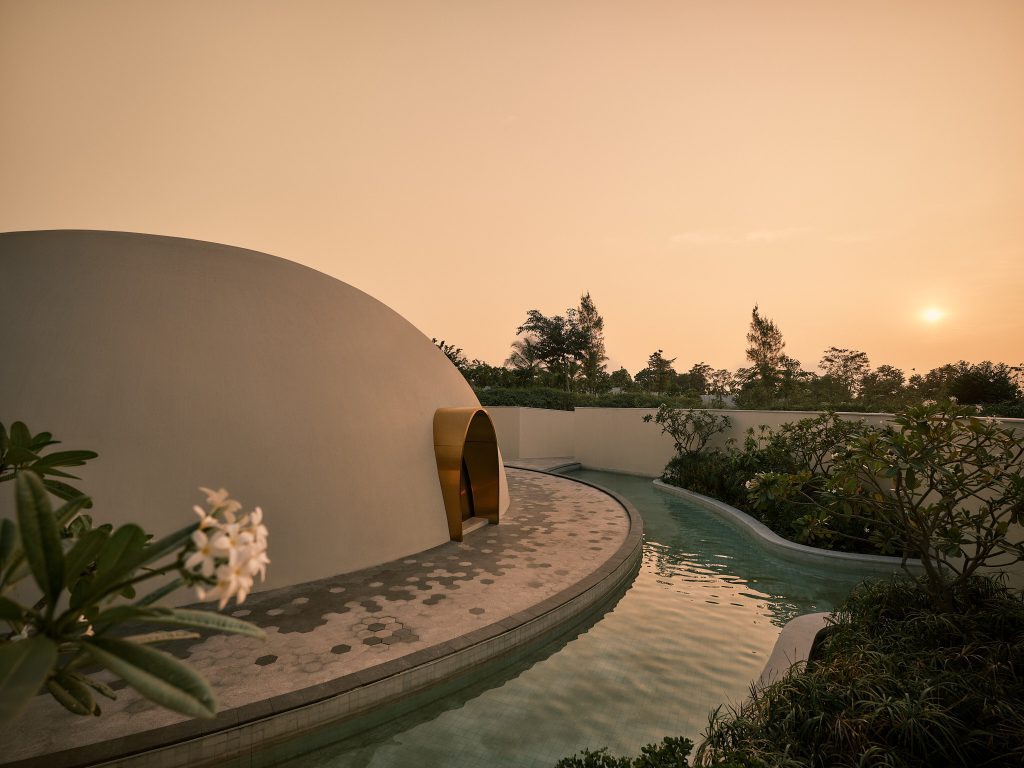
tulåh’s approach moves beyond simply chasing a higher testosterone number, looking instead at how hormonal health connects with stress, sleep, metabolic health, body composition, energy and overall vitality, with its programme combining diagnostics with nutrition, movement, stress management and restorative therapies.

As someone who trains regularly, tracks his recovery and can become disproportionately pleased when my Garmin tells me I slept well, that resonates. The older I get, the more I realise there has to be a middle ground between ignoring your health entirely and turning yourself into a permanently unfinished optimisation project. That is also where tulåh’s take on wellness travel feels relevant: rather than treating a retreat as a temporary reset, the idea is to understand the foundations of your health, from metabolic resilience and stress to body composition and energy, and leave with something that can actually translate into everyday life.
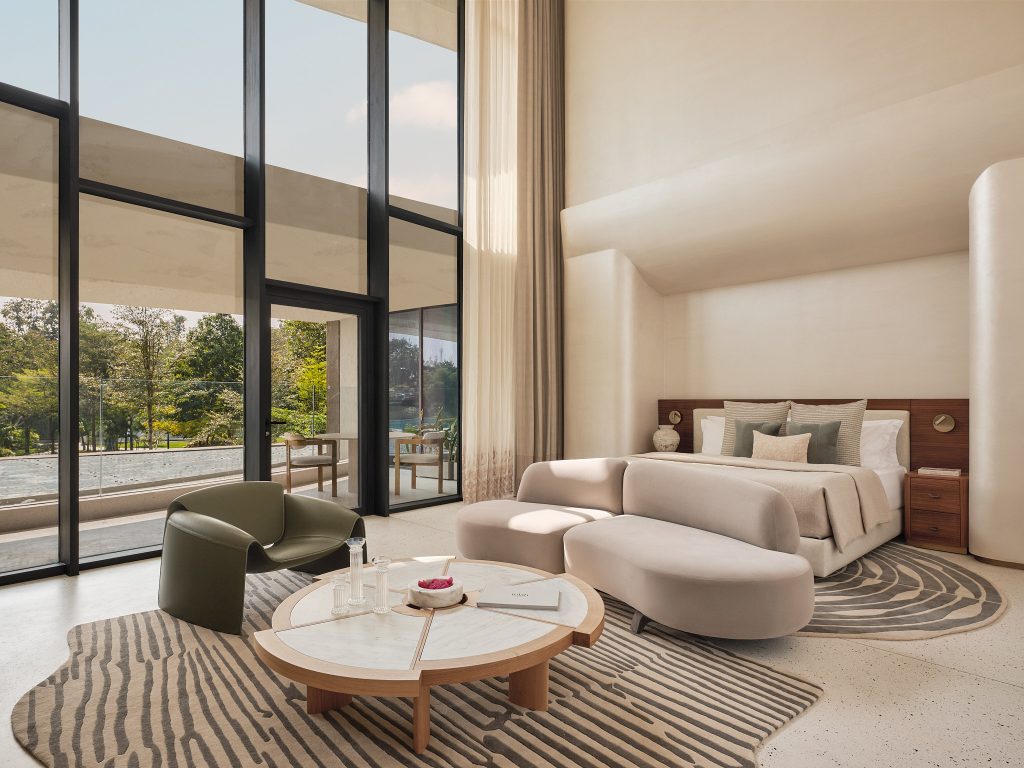
Guests receive a physician debrief and personalised recommendations following their programme, with the tulåh app designed to continue that support beyond the stay. Perhaps that is what approaching 30 is making me realise. I do not feel the need to mourn my twenties or suddenly search for ways to stay 25 forever – my metabolic age has apparently taken care of that for me – but I am increasingly interested in making sure the version of me at 40, 50 and beyond benefits from the decisions I am making now.
Ageing well, then, feels less about trying to stop the clock and more about understanding your body well enough to move with it. And if anyone needs me in the meantime, you know where to find me – somewhere between 29 on paper, 27 metabolically, and increasingly tempted by a few weeks at tulåh.