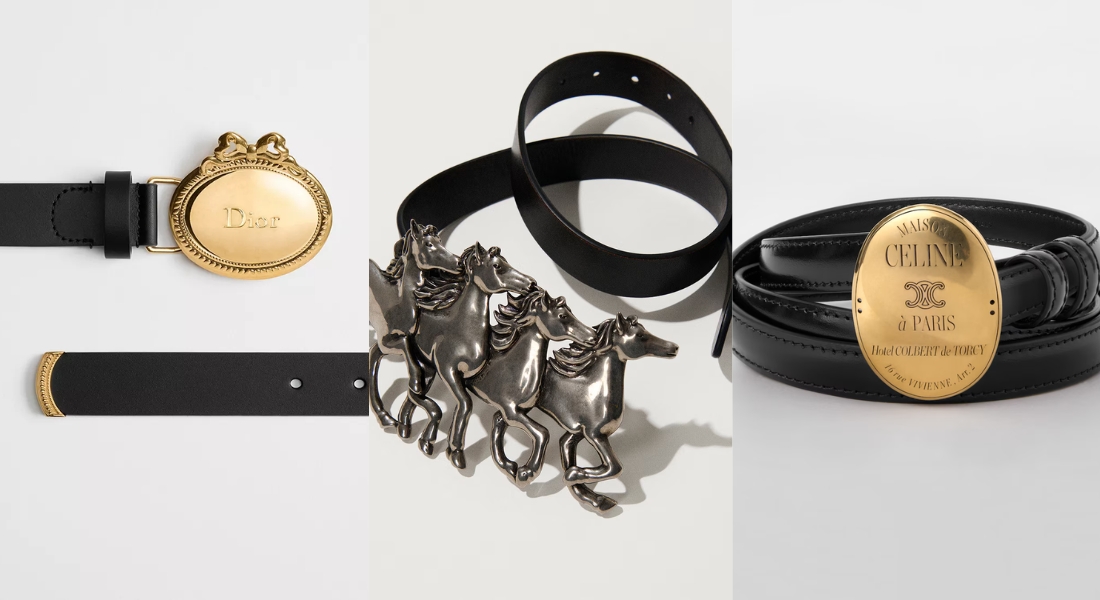




From sculptural gold and graphic silhouettes to designs made for everyday wear, the jewellery codes of the late 1960s and 1970s are influencing a new appetite for bold, instantly recognisable pieces.
There is something distinctly modern about jewellery that emerged in the late 1960s and 1970s. Gone was the idea that precious pieces needed to be reserved for evening or special occasions. Instead, designers began experimenting with stronger shapes, unconventional materials and jewellery that could become part of a woman’s everyday wardrobe.
More than five decades later, many of those ideas feel remarkably relevant again. As fashion moves towards greater individuality and a more expressive approach to accessorising, the era’s most recognisable designs are finding renewed resonance.
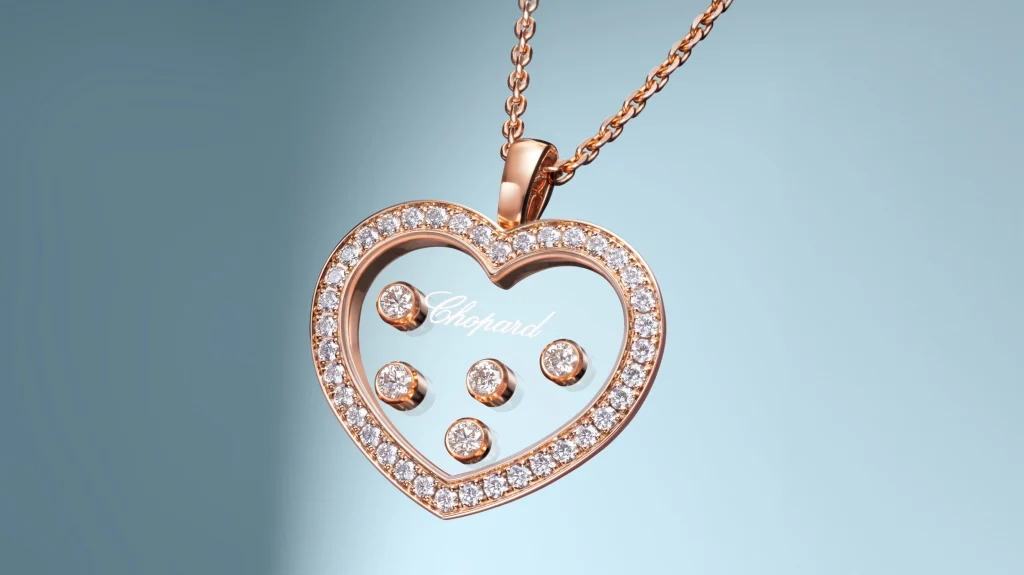
Chopard’s Happy Diamonds, introduced in 1976, captured that sense of freedom by allowing diamonds to move rather than fixing them rigidly into traditional settings. The concept challenged conventional ideas of how precious stones should be presented and remains one of the Maison’s signatures 50 years later.
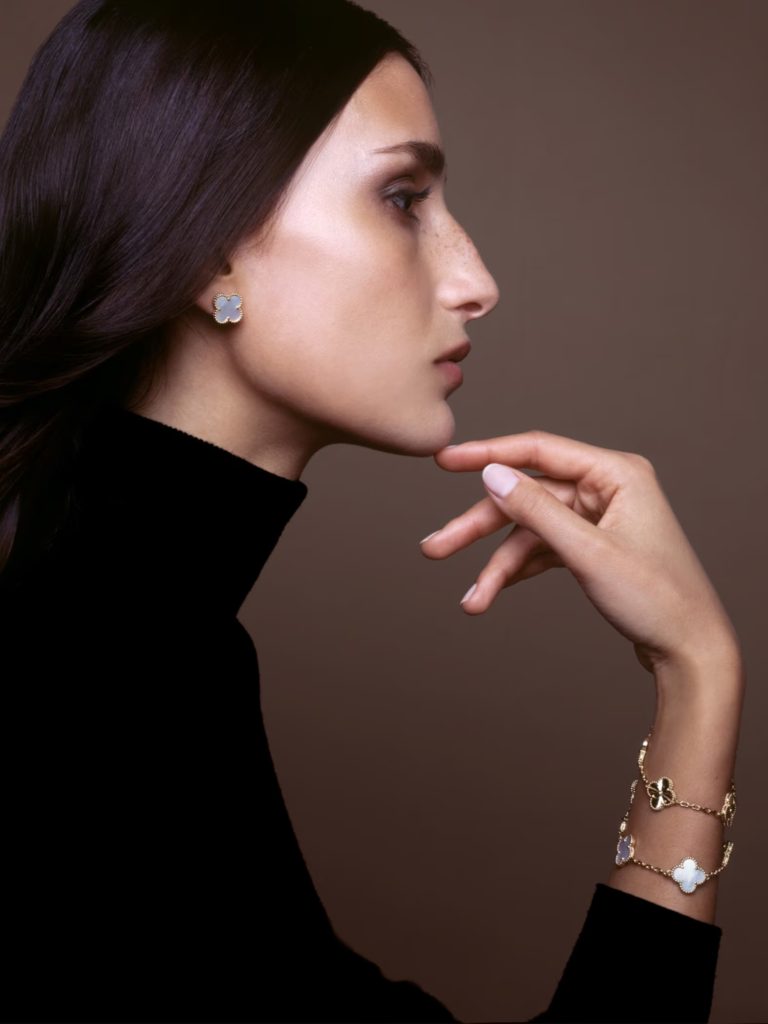
The same spirit appears in Van Cleef & Arpels’ Alhambra, first created in 1968. Its graphic quatrefoil motif was simple enough to wear every day, yet distinctive enough to become instantly recognisable. Decades of variations in hard stones, mother-of-pearl, gold, and diamonds have shown how adaptable a strong design can be.
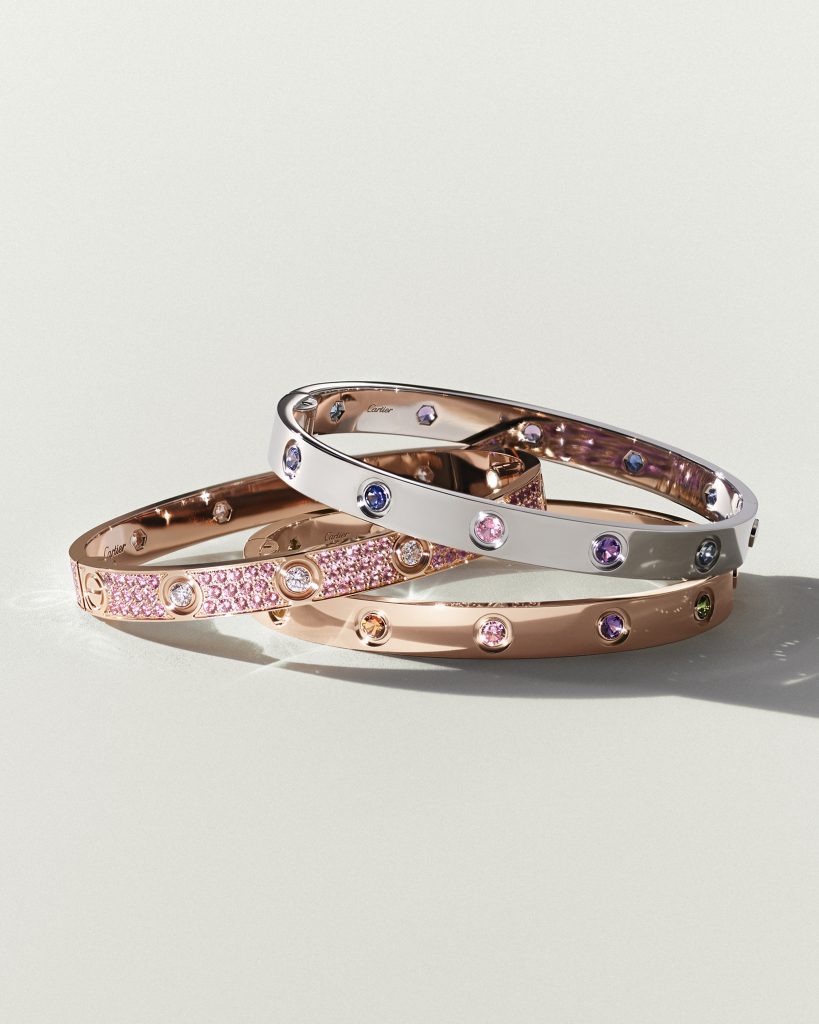
Cartier was also changing the language of jewellery during this period. The LOVE bracelet appeared in 1969, turning visible screws and an almost industrial construction into an expression of precious design. Soon after came the nail-inspired bracelet that would later become known as Juste un-Clou, transforming one of the most ordinary objects imaginable into a sculptural piece of jewellery.
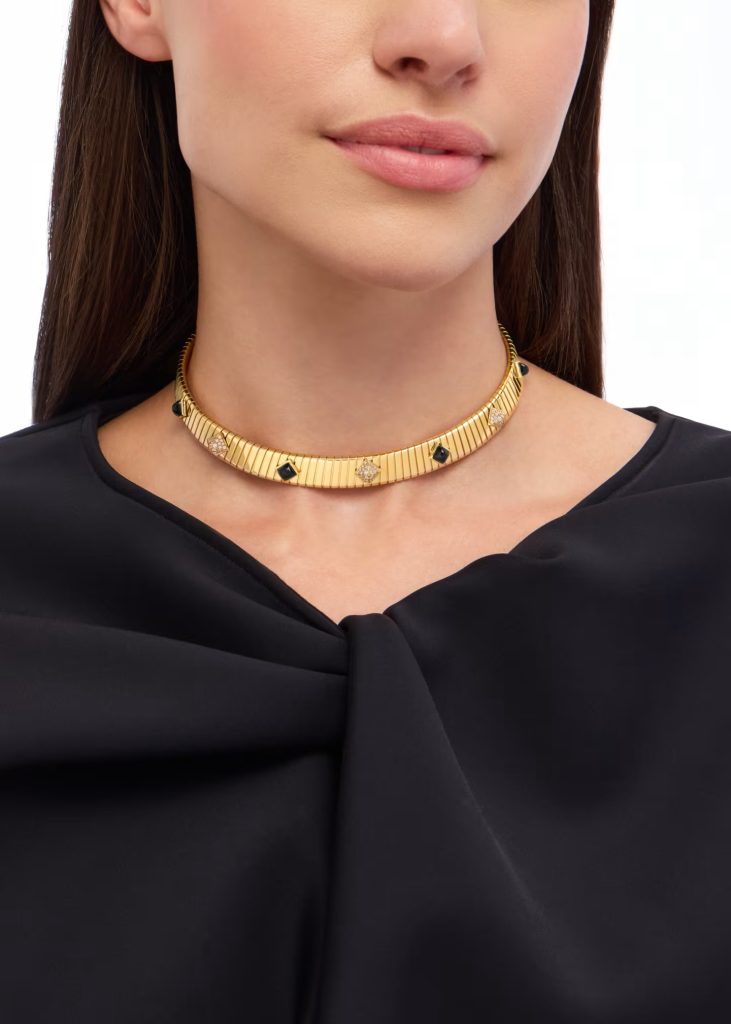
Elsewhere, Bvlgari embraced bold volumes, yellow gold and the flexible Tubogas technique, contributing to an aesthetic that was confident, tactile and unmistakably glamorous. These designs made silhouette, movement and construction equally important.
This clarity of identity may explain their enduring appeal. The era’s strongest jewellery was meant to be noticed, worn every day, and recognised for its intentional motifs or silhouette.
Today, as collectors and clients increasingly gravitate towards pieces with history and established design codes, the late 1960s and 1970s provide a compelling blueprint. Their icons may be rooted in another era, but their combination of confidence, versatility and individuality feels entirely suited to the present.