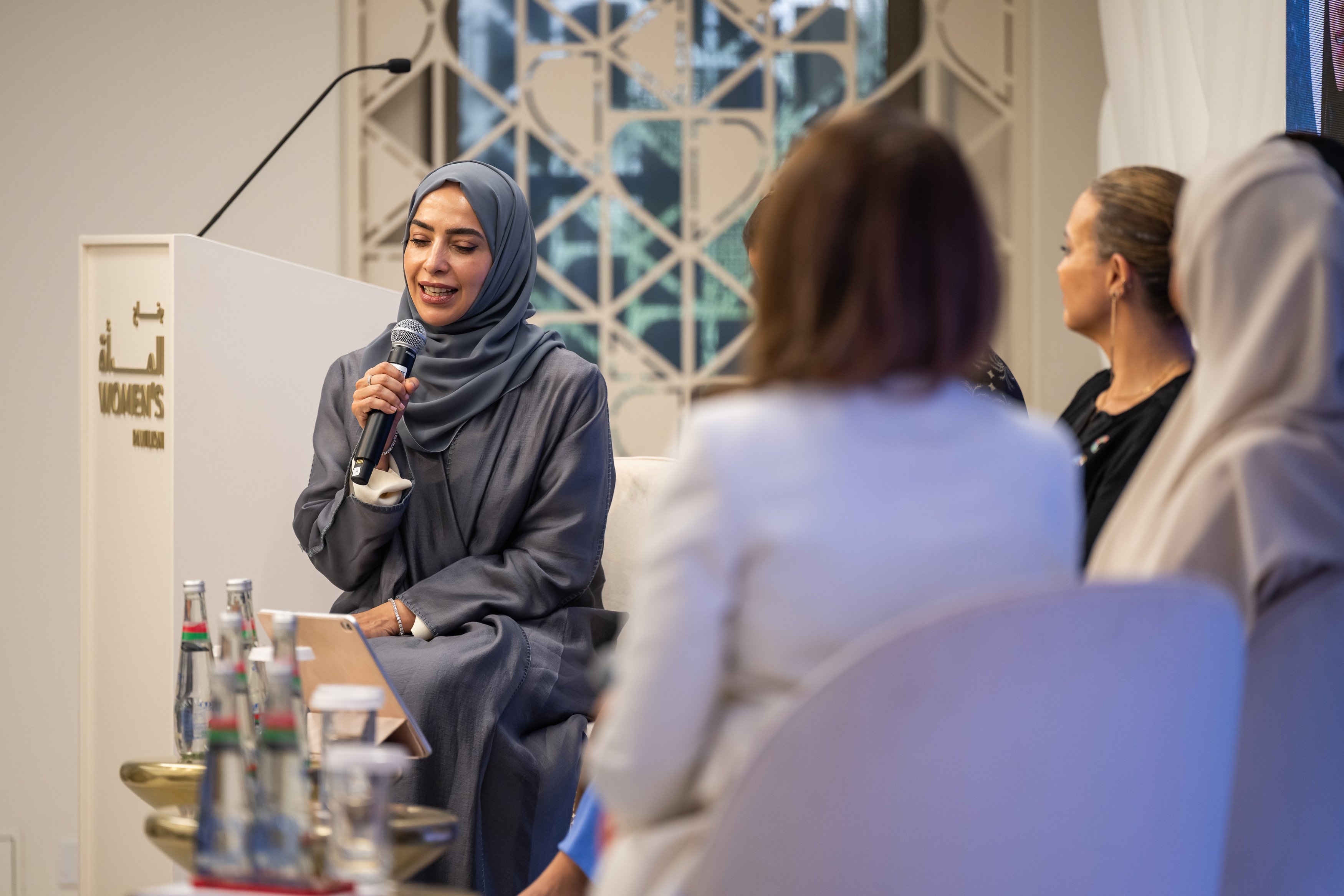



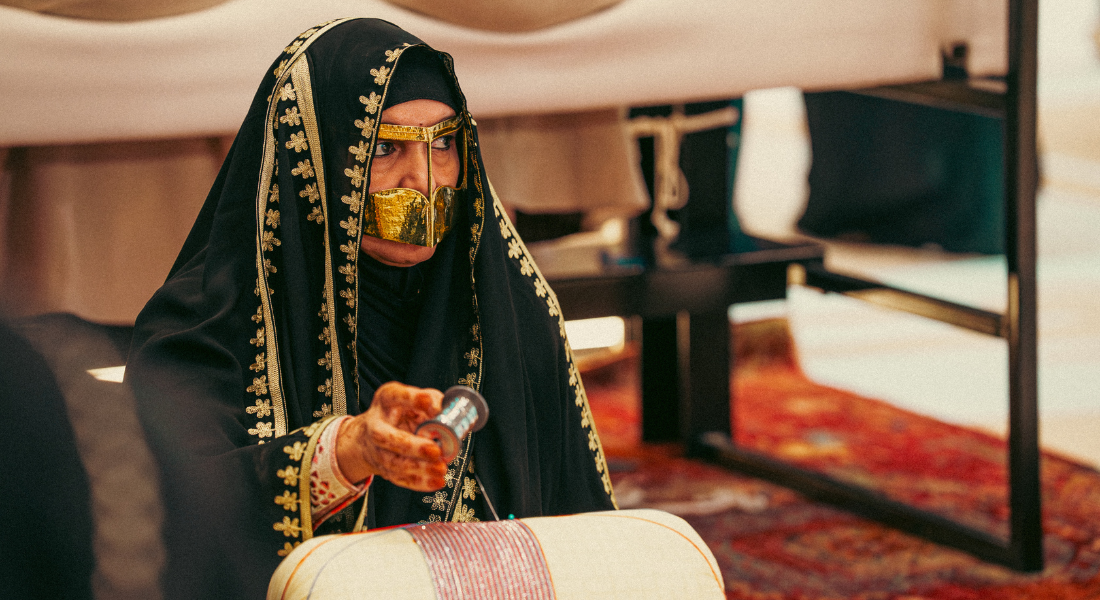
Opening this December at MiZa in Mina Zayed, the GCC’s first handmade carpet facility will bring together centuries-old weaving traditions, Emirati craftsmanship and a new generation of women artisans.
Heritage is not sustained through preservation alone. It survives when skills remain in practice, when knowledge passes between generations and when traditional forms are given the space to evolve.
That idea sits at the heart of Zuleya’s newest project in Abu Dhabi. The social enterprise of the Fatima Bint Mohamed Bin Zayed Initiative (FBMI) is preparing to open what it describes as the GCC’s first handmade carpet facility, introducing the centuries-old tradition of hand-knotted carpet weaving into the UAE’s contemporary craft landscape.
Scheduled to open in December 2026, the 10,000-square-foot facility will be located within MiZa, the emerging creative district in Mina Zayed. Rather than operating simply as a place of production, the centre has been conceived as a meeting point for craftsmanship, cultural exchange and skills development.
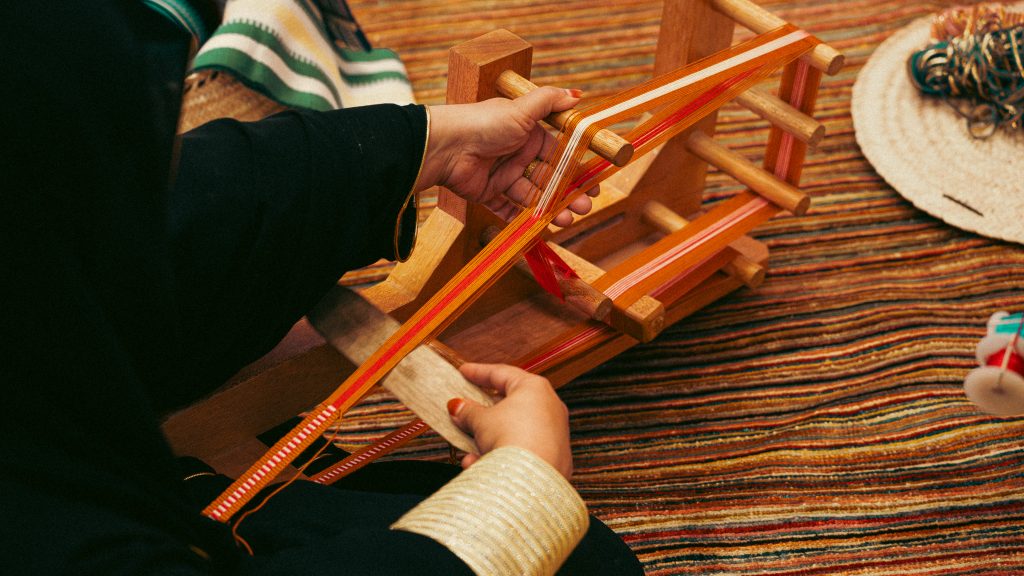
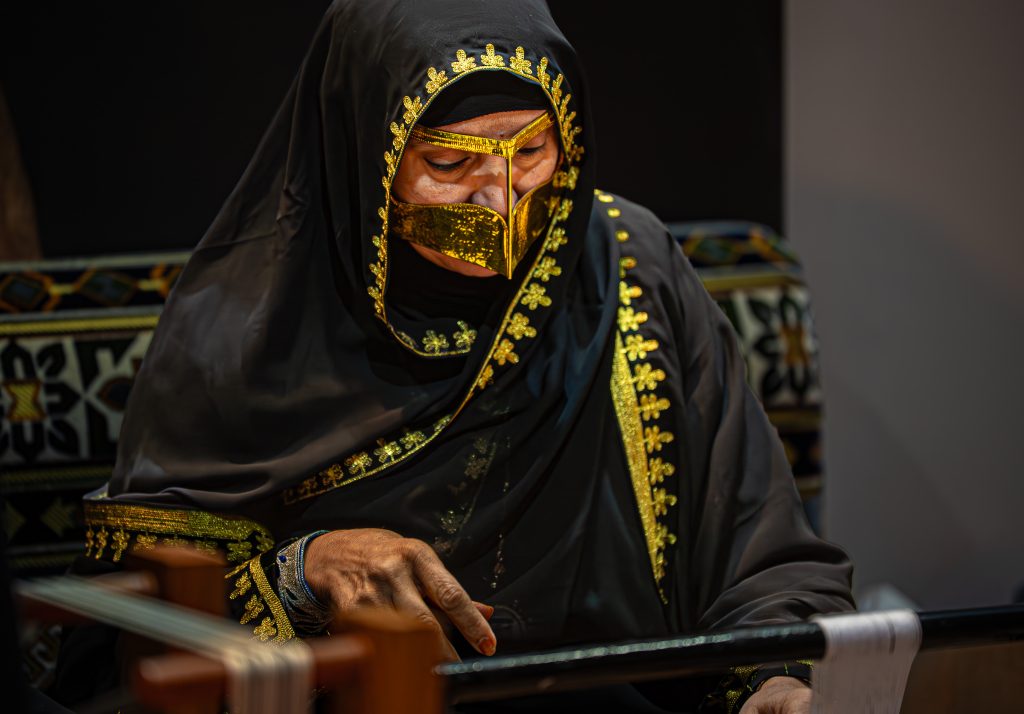
At its centre will be a new generation of Emirati women who are currently undergoing specialist training in carpet weaving. Through the programme, they will learn a highly specialised craft while helping establish a new form of making within the UAE.
The project becomes particularly interesting in the way it approaches the idea of heritage. Carpet weaving itself does not originate in the Emirates, yet Zuleya is placing the approximately 4,000-year-old practice in conversation with distinctly Emirati traditions including Sadu, Khoos and Talli. The facility will showcase these local crafts alongside hand-knotted carpets, creating an environment in which different techniques and histories can coexist rather than remain separated.
“This is about more than making carpets; it is about creating a new chapter for heritage in the UAE,” says Maywand Jabarkhyl, CEO of FBMI. “By bringing carpet weaving together with Sadu, Khoos and Talli, we are creating an exchange of skills and cultures while opening new opportunities for Emirati women.”
That exchange builds on more than a decade of work by FBMI. Established in 2010, the initiative has supported artisans and communities in Afghanistan through vocational training and sustainable employment in traditional carpet making, with a particular focus on women’s livelihoods. Zuleya brings that experience into the UAE through a social-enterprise model that connects traditional craftsmanship with contemporary design and social impact.
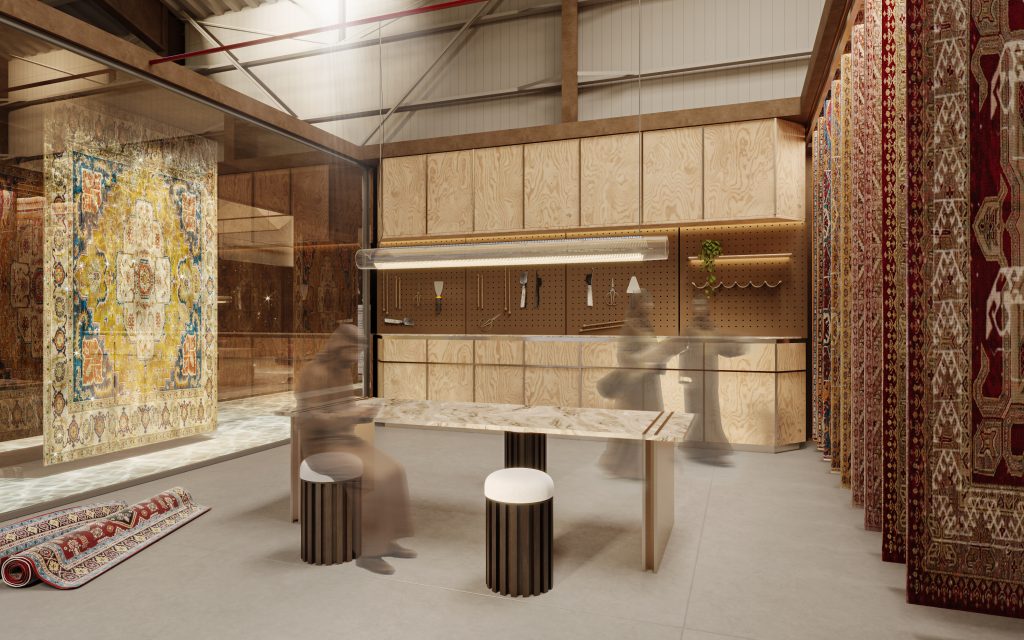
Its arrival in Mina Zayed also places the facility within a wider period of cultural growth in Abu Dhabi. MiZa is developing as a creative district in its own right, while the surrounding area sits within reach of the capital’s expanding network of cultural institutions. Zuleya’s new centre adds craft and making to that conversation, offering a different perspective on what a cultural destination can look like.
More broadly, the project reflects an understanding of heritage as something active rather than fixed. The preservation of craft depends not only on protecting finished objects, but on ensuring that the techniques behind them remain relevant, teachable and economically viable for the people who practise them.
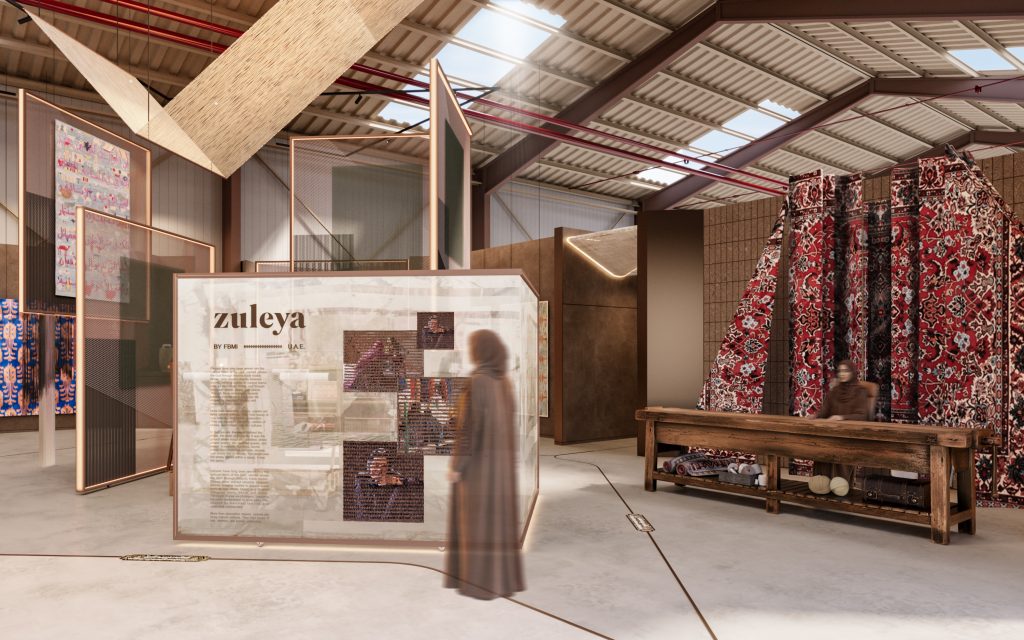
For the Emirati women training within the programme, that means becoming part of a craft tradition with thousands of years of history while contributing to its next interpretation in the UAE.
When Zuleya opens its doors this December, the carpets produced within them will therefore represent more than an exercise in technique. They will be the product of knowledge moving between cultures, women gaining new specialist skills and an evolving definition of what it means to carry heritage forward.