


Royal tiaras are almost always iconic. Often created to mark weddings, coronations and dynastic milestones, these extraordinary jewels carry the histories of the families who have owned them. Some are passed from one generation to the next, while others are reserved for a particular royal title.
From Britain’s best-known diamond diadems to Queen Rania’s Arabic Scroll, these are some of the world’s most iconic royal tiaras.
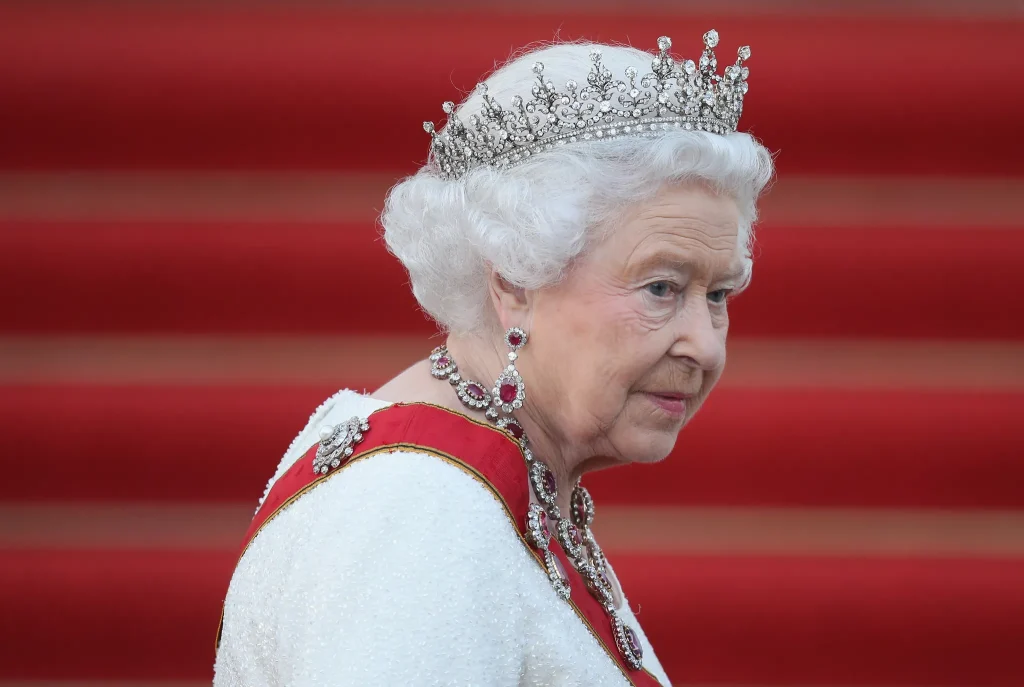
Queen Mary’s Girls of Great Britain and Ireland Tiara
One of the most recognisable jewels in the British royal collection, this diamond tiara was created by Garrard & Co. in 1893. A committee of women funded it as a wedding gift to Princess Victoria Mary of Teck, later Queen Mary. Queen Mary subsequently gave it to Princess Elizabeth for her wedding in 1947. It became one of Queen Elizabeth II’s most frequently worn tiaras.
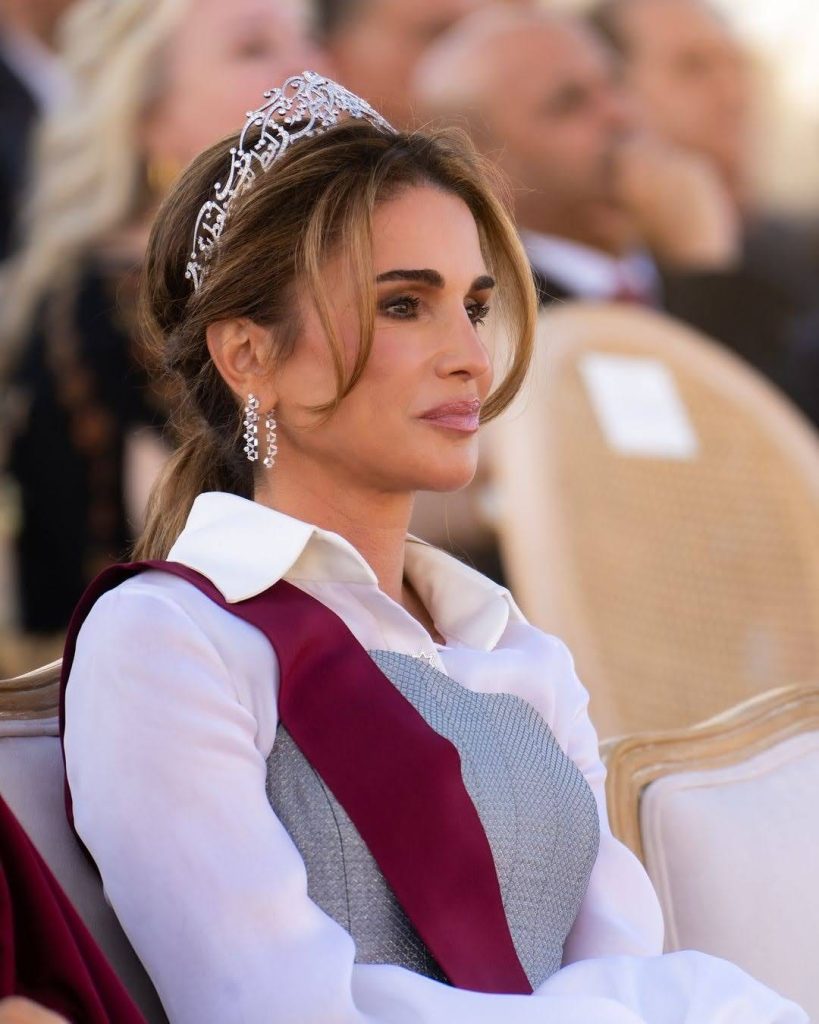
Queen Rania’s Arabic Scroll Tiara
Created for Queen Rania of Jordan in 2005, the Arabic Scroll Tiara was designed by Yan Sicard for French jewellery house FRED. Reportedly commissioned by King Abdullah II, it features approximately 1,300 diamonds and a pear-shaped central diamond weighing around 20 carats. The design incorporates the Arabic phrase “Greatness belongs to Allah”. Queen Rania wore the striking piece during Crown Prince Hussein’s 2023 wedding celebrations and for portraits marking King Abdullah II’s Silver Jubilee in 2024.
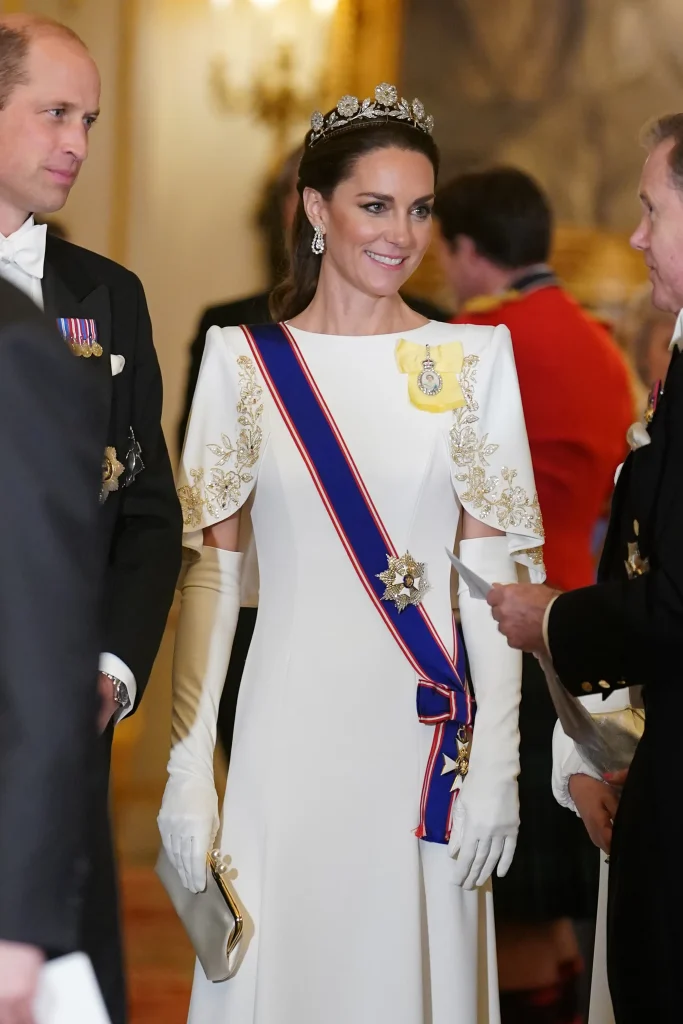
The Strathmore Rose Tiara
The Strathmore Rose Tiara was presented to Lady Elizabeth Bowes-Lyon, the future Queen Mother, by her father ahead of her 1923 wedding to the Duke of York. Purchased from London jewellers Catchpole & Williams, the British tiara resembles a garland of wild roses formed from diamonds. After remaining unseen for several decades, it returned to public view in 2023 when Catherine, Princess of Wales, wore it to a state banquet for the president of South Korea.
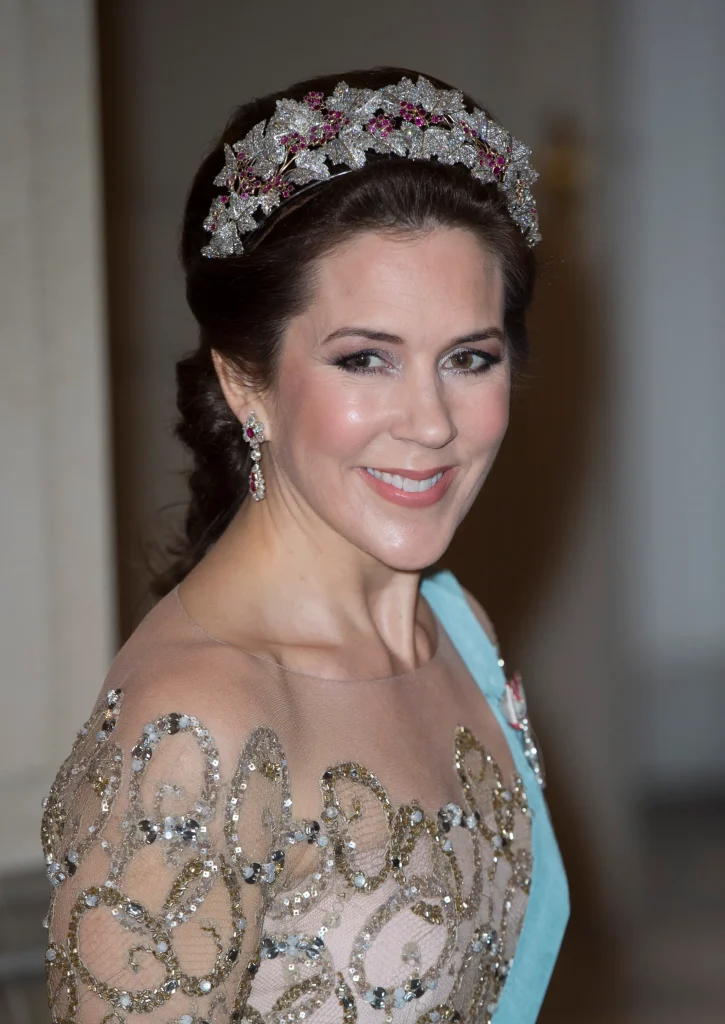
The Danish Ruby Tiara
Now closely associated with Denmark’s royal family, the Danish Ruby Tiara dates back to Napoleon’s coronation in 1804. Its rubies are arranged like berries among diamond leaves, creating the appearance of a richly decorated wreath. The jewel arrived in Denmark in 1869 through a royal marriage. It has since been worn by Queen Alexandrine and Queen Ingrid and is now one of Queen Mary of Denmark’s most important pieces. Its original maker remains unknown.
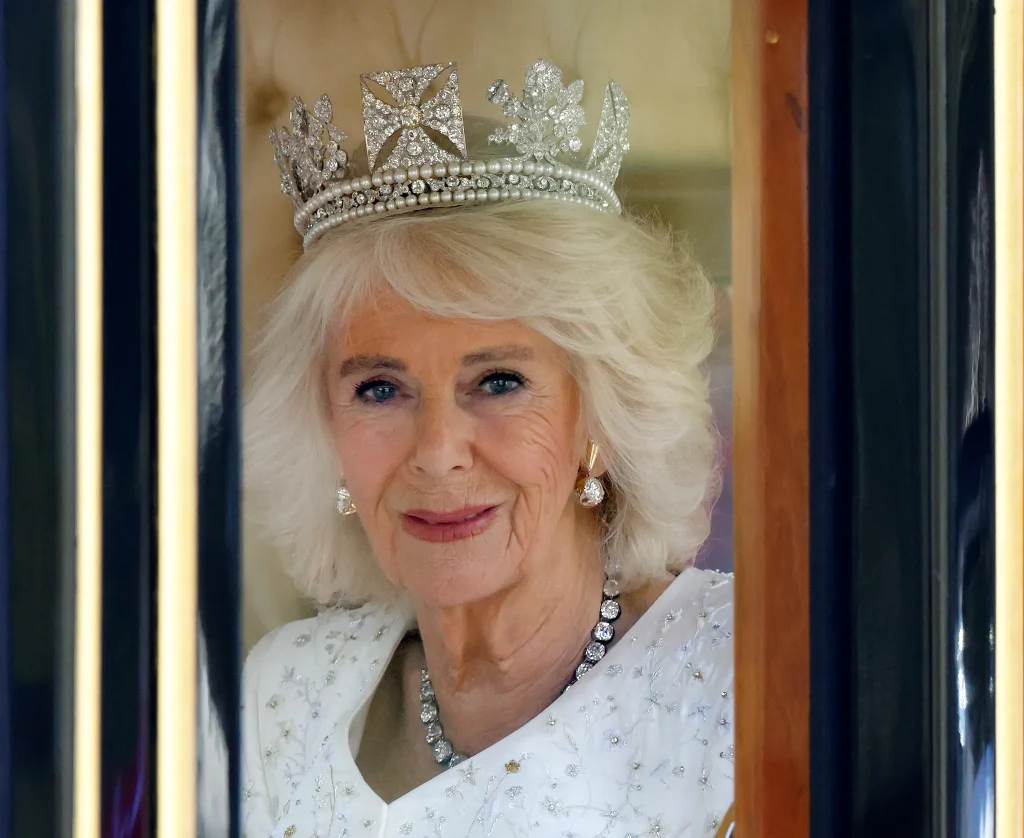
The George IV State Diadem
Made by Rundell, Bridge & Rundell for the coronation of Britain’s King George IV in 1821, the State Diadem contains 1,333 diamonds and two rows of pearls. Its central cross is set with a four-carat pale yellow diamond, while roses, thistles and shamrocks represent England, Scotland and Ireland. Every British queen and queen consort since Queen Adelaide has worn it, including Queen Victoria, Queen Elizabeth II and, most recently, Queen Camilla.
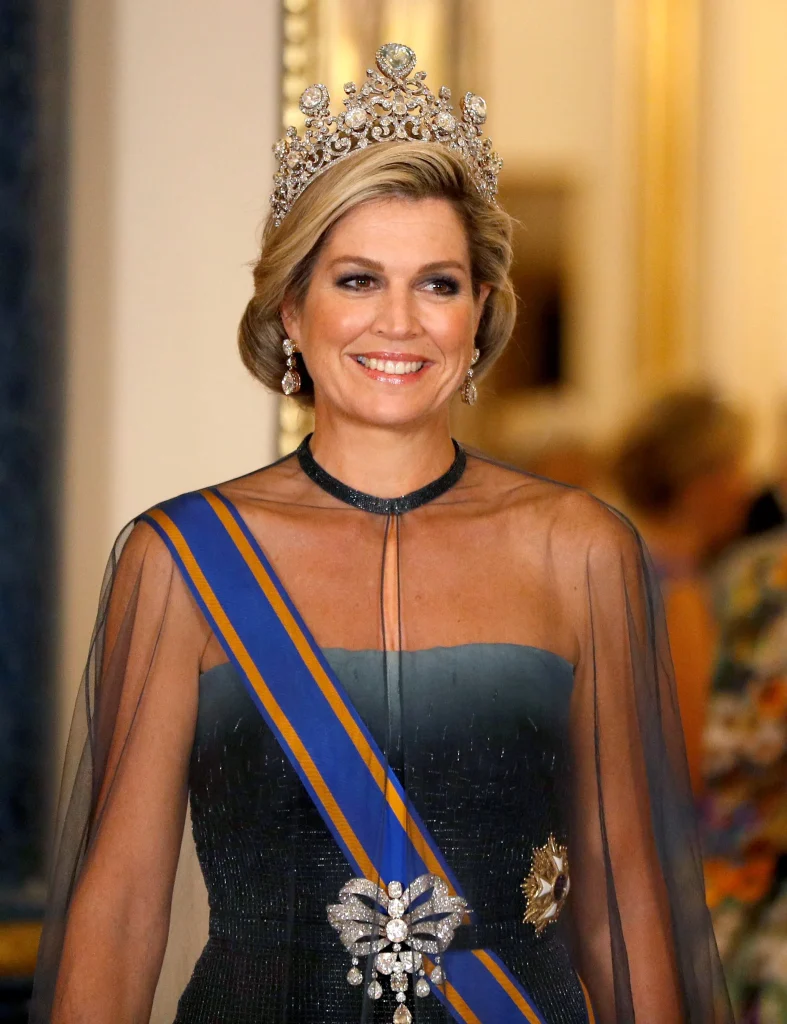
The Stuart Tiara
One of the most significant jewels belonging to the Dutch royal family, the Stuart Tiara was commissioned by Queen Emma in 1897 for her daughter, Queen Wilhelmina. Its centrepiece is the 39.75-carat Stuart Diamond, a blue-green stone once owned by Britain’s King William III and Queen Mary II. Queen Juliana also wore the tiara. Queen Máxima of the Netherlands brought it back into the spotlight during a state visit to Britain in 2018.
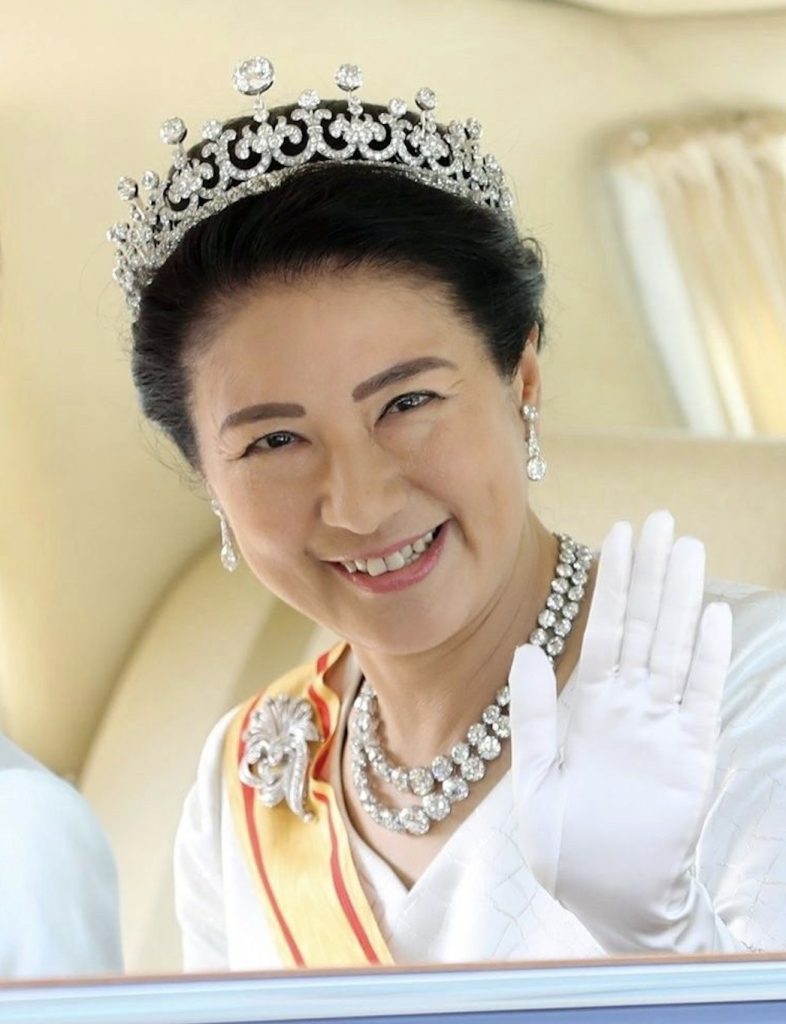
The Meiji Scroll Tiara
Created around 1885 by French jewellery house Chaumet, the Meiji Scroll Tiara is one of the most senior jewels in Japan’s Imperial collection. Its diamond scrollwork can be worn with diamond stars, large round diamonds or without either set of toppers. First worn by Empress Shōken, the tiara has subsequently appeared on Empress Teimei, Empress Kōjun and Empress Michiko. Reserved for the Empress of Japan, it is now worn by Empress Masako.
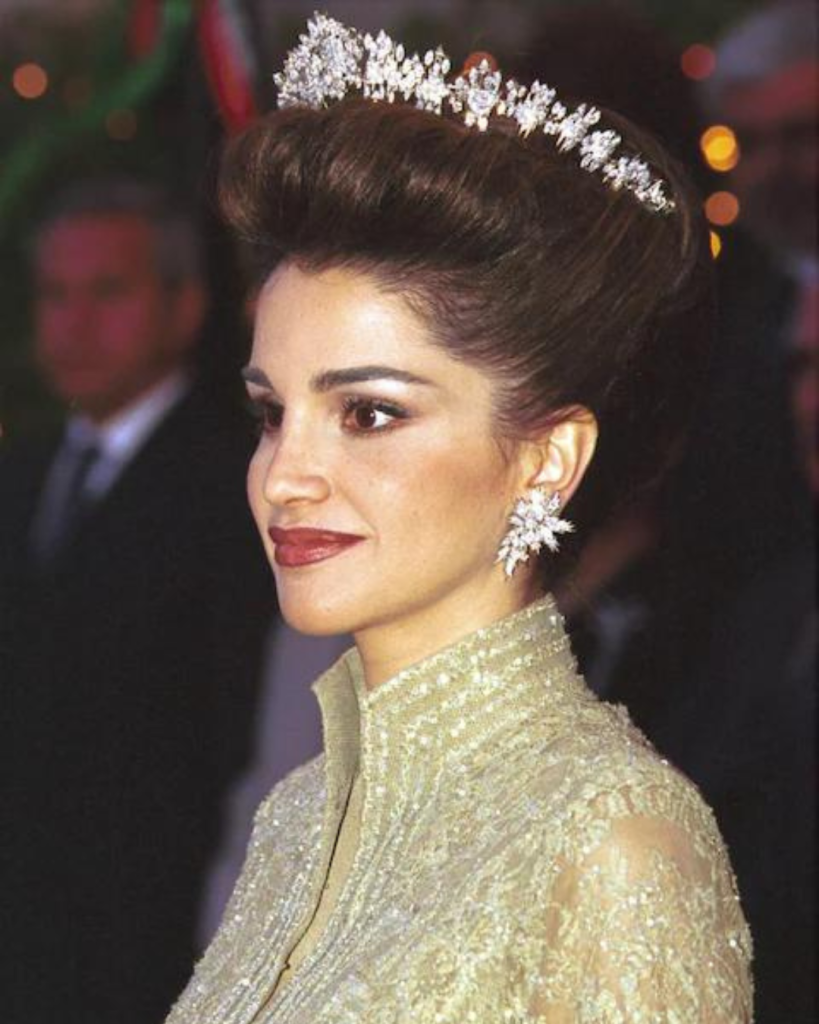
Queen Alia’s Cartier Tiara
Cartier created this abstract diamond tiara for Queen Alia of Jordan in the 1970s, reportedly as a gift from King Hussein. Its modern, almost halo-like design was accompanied by coordinating earrings and a bracelet. After Queen Alia’s death in 1977, her daughter, Princess Haya, inherited the tiara. She later lent it to Queen Rania, who wore it for King Abdullah II’s enthronement and during royal state visits to Spain and Japan in 1999.
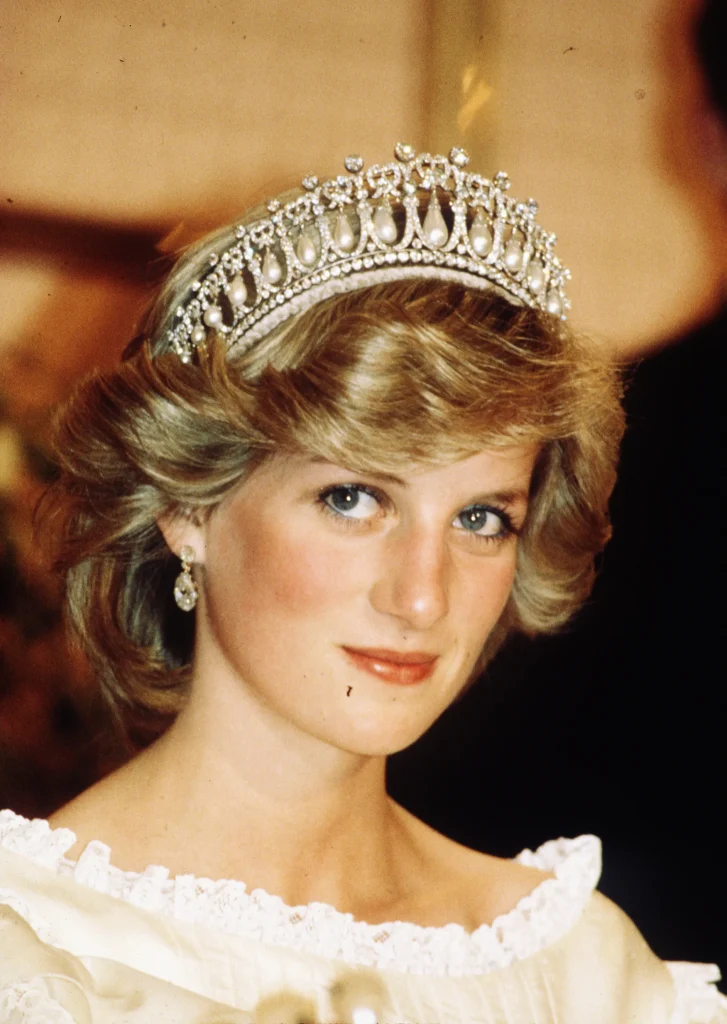
Queen Mary’s Lover’s Knot Tiara
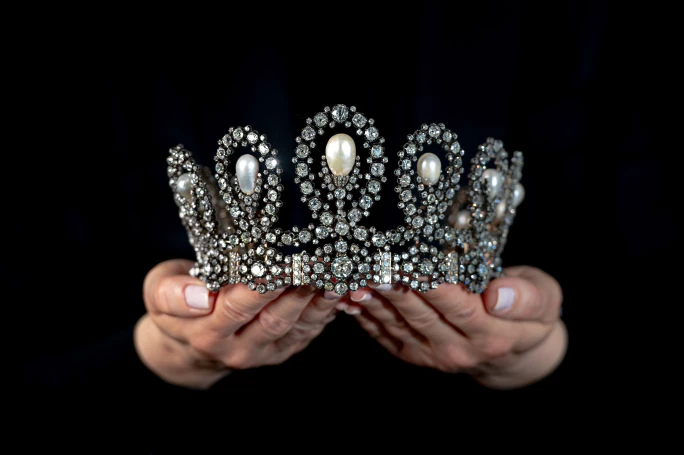
Queen Mary commissioned the Lover’s Knot Tiara from British jeweller Garrard in 1913, taking inspiration from a piece once owned by her grandmother, Princess Augusta of Hesse-Kassel. Its diamond arches are finished with 19 suspended pearls that move with the wearer. Queen Mary later left the tiara to Queen Elizabeth II, who loaned it to Diana, Princess of Wales. It has since become one of the tiaras most closely associated with Catherine, Princess of Wales.
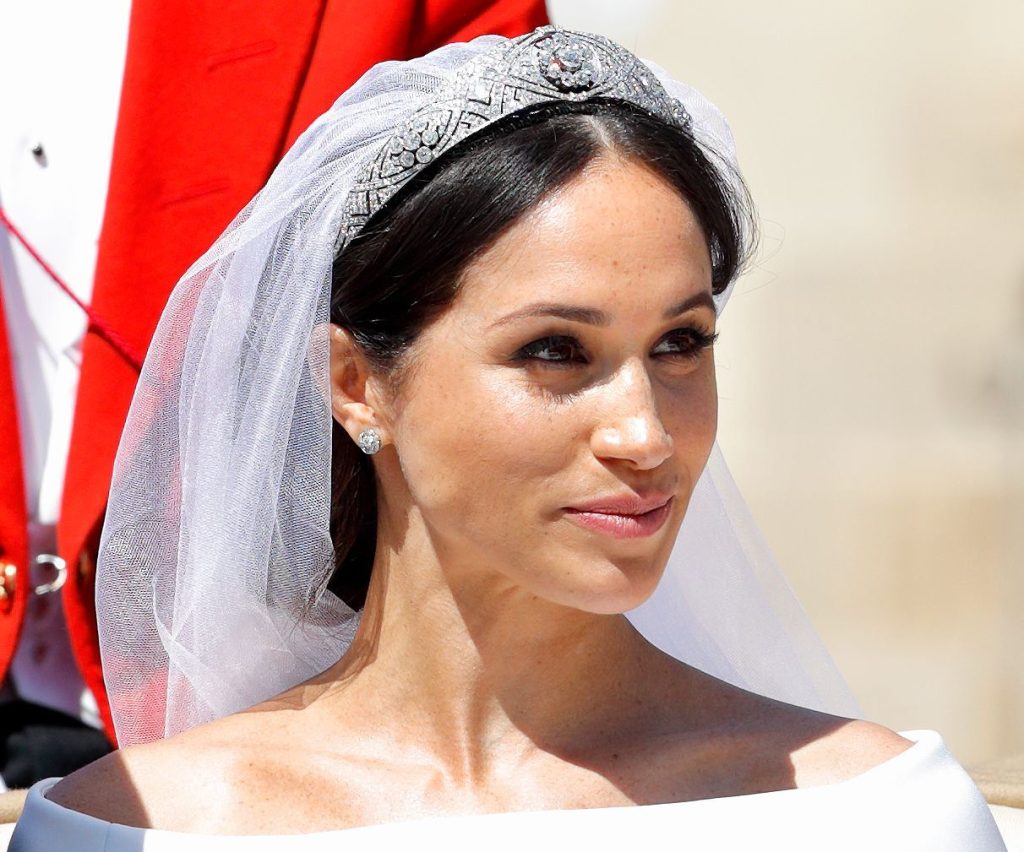
Queen Mary’s Diamond Bandeau
Made for Queen Mary by Garrard in 1932, this British tiara consists of a flexible platinum band divided into 11 geometric sections and set with brilliant diamonds. Its centrepiece is a detachable brooch featuring ten diamonds, originally presented to Queen Mary by the County of Lincoln for her wedding in 1893. The Art Deco-style bandeau received renewed attention in 2018 when Meghan, Duchess of Sussex, wore it for her wedding to Prince Harry.