


WORDS BY PRIYANKA PRADHAN
Just 600 kilometres east of Mauritius, the rugged, windswept island of Rodrigues is worlds apart in its ethos, culture, and community. Here’s why the island, no more than 108 sq. km. in size, makes a case for a detour.
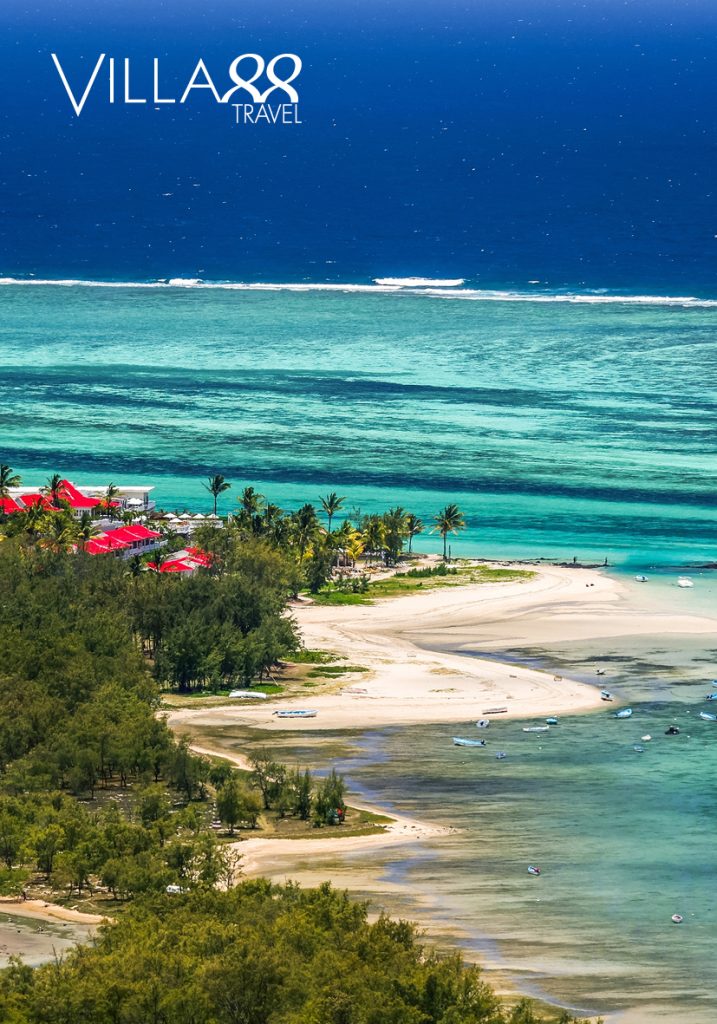
Rodrigues is not an island with a lagoon as much as it’s a lagoon with an island in it, with its water twice the size of the land it surrounds. All life here is built around this fact, so I understood immediately that the island would only reveal itself along the lagoon’s shores, above its surface, and under its waters.
Rodrigues at first sight is something I expected out of a small island, but I wasn’t prepared for how simple and grounded its beauty would be. There are no buildings above the first floor, no fast-food joints, no glossy signboards, and no traffic – if you don’t count goats.
All roads lead to views of the lagoon and the ocean from winding, gently sloping roads. The island has been kept purposely insulated from consumerism, which is exactly what draws people to it. Internet is stable though, which means the ’gram doesn’t suffer.
After locals urged me to hike the island to get better acquainted, I drove from Mourouk, where I stayed at C Rodrigues, onto the rolling hills of Saint François, which was a reward in itself. Sweeping views of wild grass swaying in the wind, the fresh blues and surf whites of the lagoon beyond were almost enough to make me skip the hike entirely. If Saint François was the opening act, I wondered what the end point, the island’s famed volcanic beach cove, Trou d’Argent, would deliver.
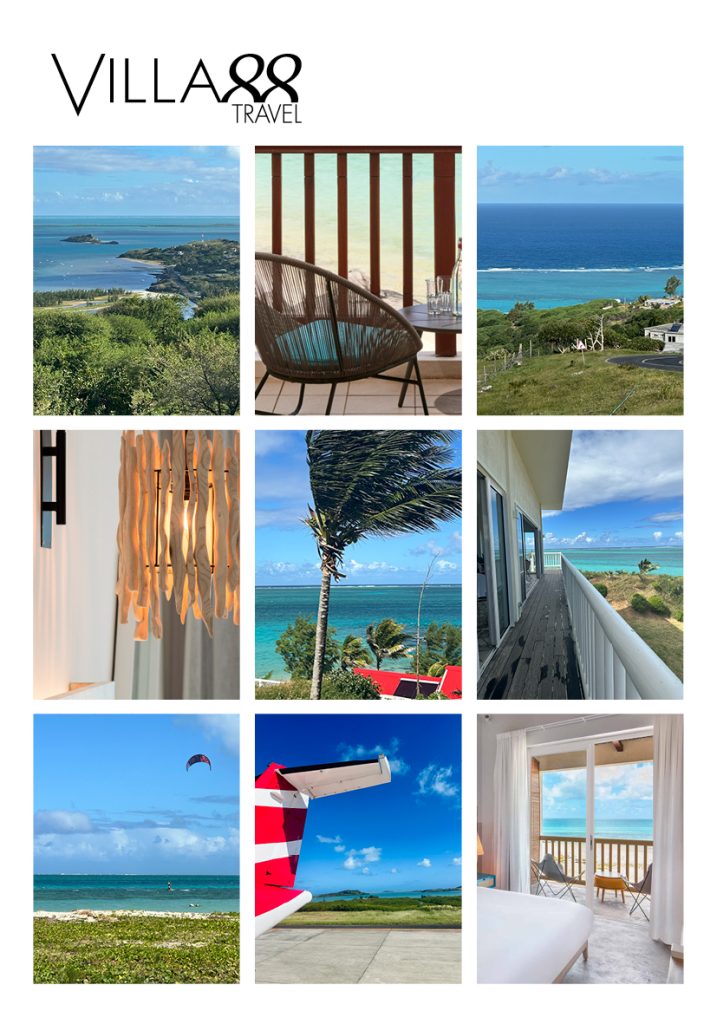
“Rodrigues at first sight is something I expected out of a small island, but I wasn’t prepared for how simple and grounded its beauty would be. There are no buildings above the first floor, no fast-food joints, no glossy signboards, and no traffic – if you don’t count goats.”
It was a short coastal hike, considering the entire island is only 8 km wide and 18 km long. I dodged veins of tree roots and volcanic rock, catching glimmers of the lagoon between the Casuarina trunks, as the sound of the ocean remained relentless and reassuring. Legend has it that Trou D’Argent (which translates to ‘Silver Hole’) has a hidden pirate treasure in one of its natural caves. If I’d found it, I wouldn’t say it here.
The cove appeared suddenly, its battered cliffs cutting into the water just before the lagoon’s turquoise met the ink of the open ocean. A cave mouth made the pirate legend entirely believable. The payoff? Worth the sweat and stubbed toes.
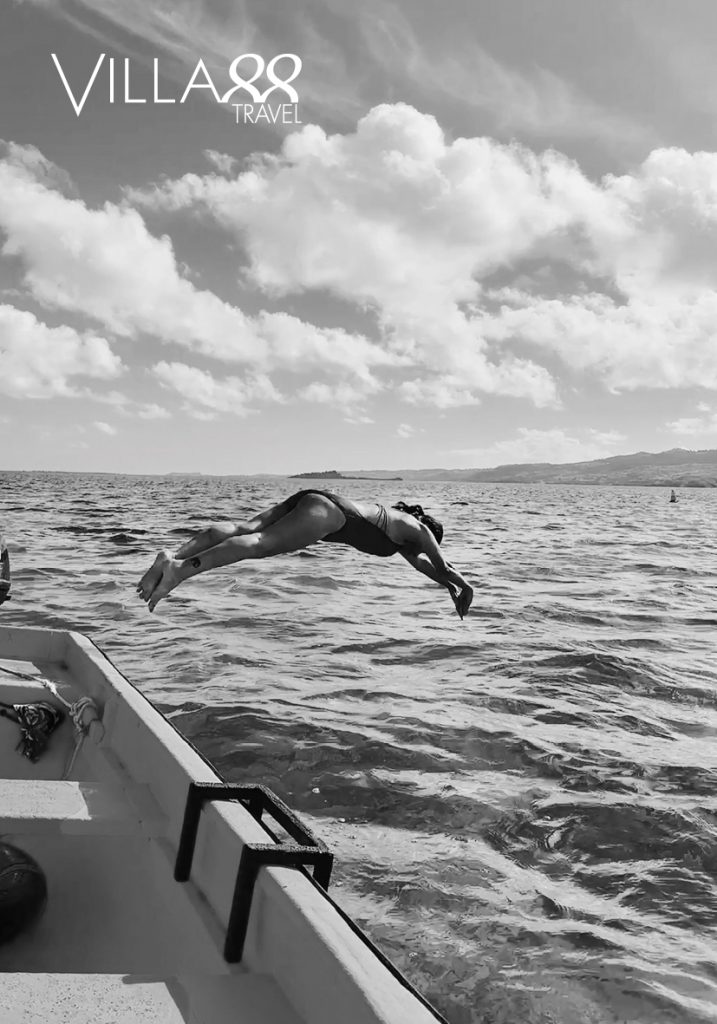
But the lagoon was not content to be admired from a distance. It pulled me in, a giant kite and a surfboard in tow. I’d had my first attempt at kite-surfing two days earlier at C Mauritius, which is a polite way of saying I’d spent 20 minutes being dragged face-first across the water. I may have lifted off the ground and almost flown away, but I won’t say more. Some stories deserve to stay on the island.
The south-east trade winds reach Rodrigues having travelled all the way from Western Australia. Mourouk, for this reason, has become the heartland of wind sports in the Indian Ocean, hosting an international kite-surf festival that draws surfers from across the globe, every June.
The lagoon, it seemed, wasn’t done with me yet. What lives beneath its surface feeds an entire island. Understanding Rodrigues, I realised, meant eating at a Rodriguan Creole table.
“The octopus is the closest thing Rodrigues has to a national dish – served in a salad, a curry, a vindaye, or a daube, it appears at every table, in every home. It is caught at low tide, mostly by fisherwomen, who wade into the shallows in the early hours of the morning, picking octopus off the rocks with nothing more than a stick with a hook at its end. The practice is called piquer ourites”, said chef Clendy Clair, at C Rodrigues Mourouk.
He invited me into the kitchen to make octopus curry from scratch. To me, the flavours were immediate and familiar, closer to the Indian palette than expected – a reminder of the multicultural threads woven into Rodriguan Creole identity.
It was over a plate of this same curry that Gilbert Kattik, a Mauritian local who spent almost 30 years on Rodrigues Island, told me about New Year’s Day. “To celebrate New Year in Rodrigues, on the first of January, people make dry octopus salad,” he said. “And if you’re on bad terms with someone, on this day, if they came to your home, your door should be open for them. You’ll offer them a beverage, a piece of meat, and a bit of dried octopus salad. Rodrigues believes all should be forgiven on this day, to start the new year fresh.”
The island also protects what it produces, and nowhere is that more evident than in the lagoon itself. Under its surface, I found a world more vivid than anything above it. Pitch black, silvery white, striped, and multi-hued fish moved through yellow and purple foliose corals, turning the lagoon floor into something closer to a garden than an ocean bed. It made the conservation question inevitable.
But the community has always known how to keep its real treasures. The island once had the highest known density of giant tortoises in the world, until they were hunted to local extinction.
Twenty year ago, the François Leguat Giant Tortoise and Cave Reserve was established, spanning 20 hectares and home to over 110,000 endemic and native plants, and giant tortoises once again. The same instinct extends to the lagoon. Octopus fishing in Rodrigues is seasonally restricted, giving the waters time to replenish what they give.
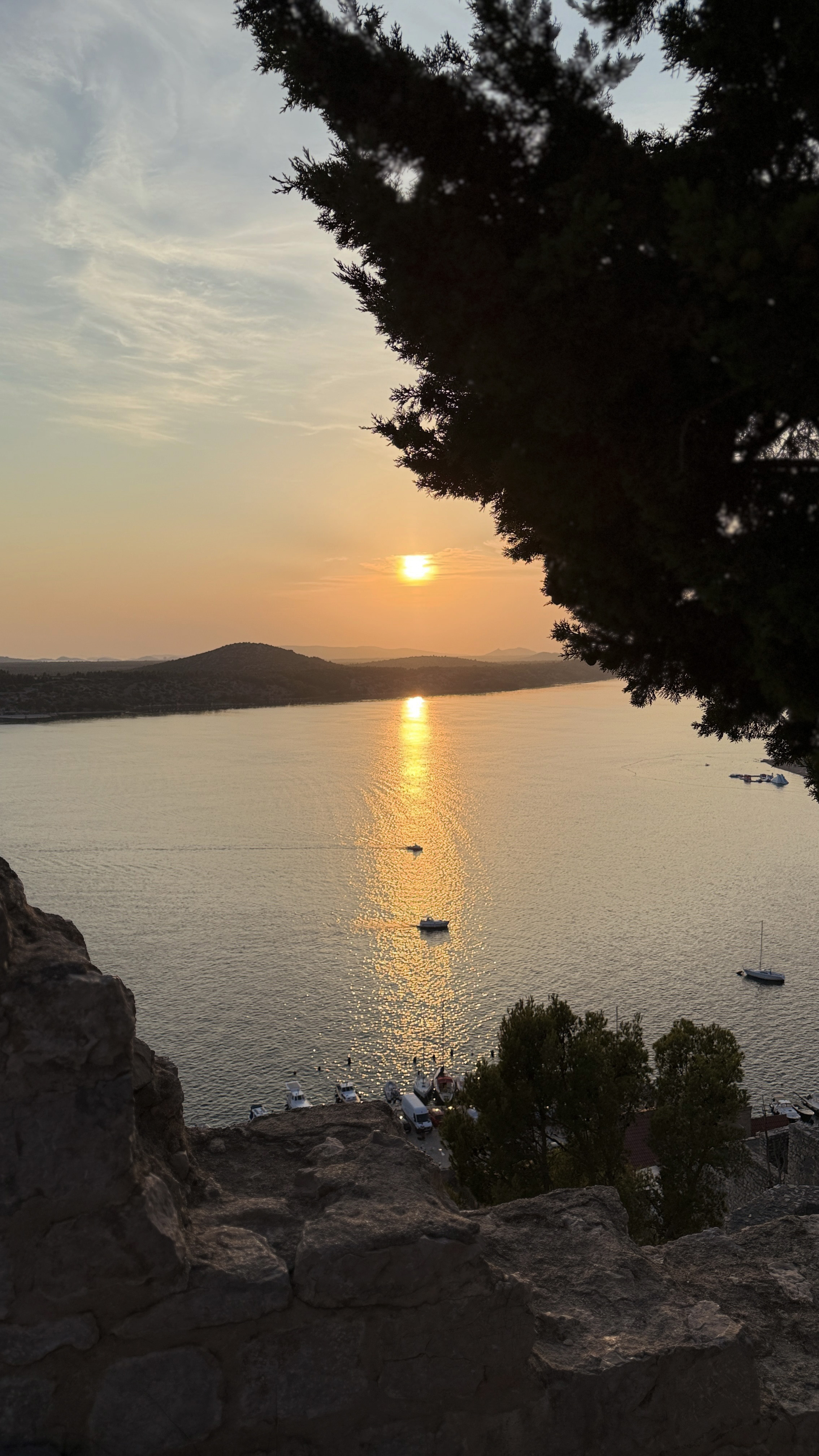
I sign off from a desk that looks over the lagoon at C Rodrigues Mourouk. As the light drops, it turns the colour of dark jade, forgetting it was ever brilliant turquoise.
Au revoir… I will always remember the Rodriguan blue.