


Arabian architecture is far more than an aesthetic style; it is a masterclass in regional climate response, privacy, and community living. Evolved over centuries in hot, arid landscapes, these design principles balance necessity with artful craftsmanship. Here are four enduring Arabian architectural staples that continue to inspire designers worldwide.
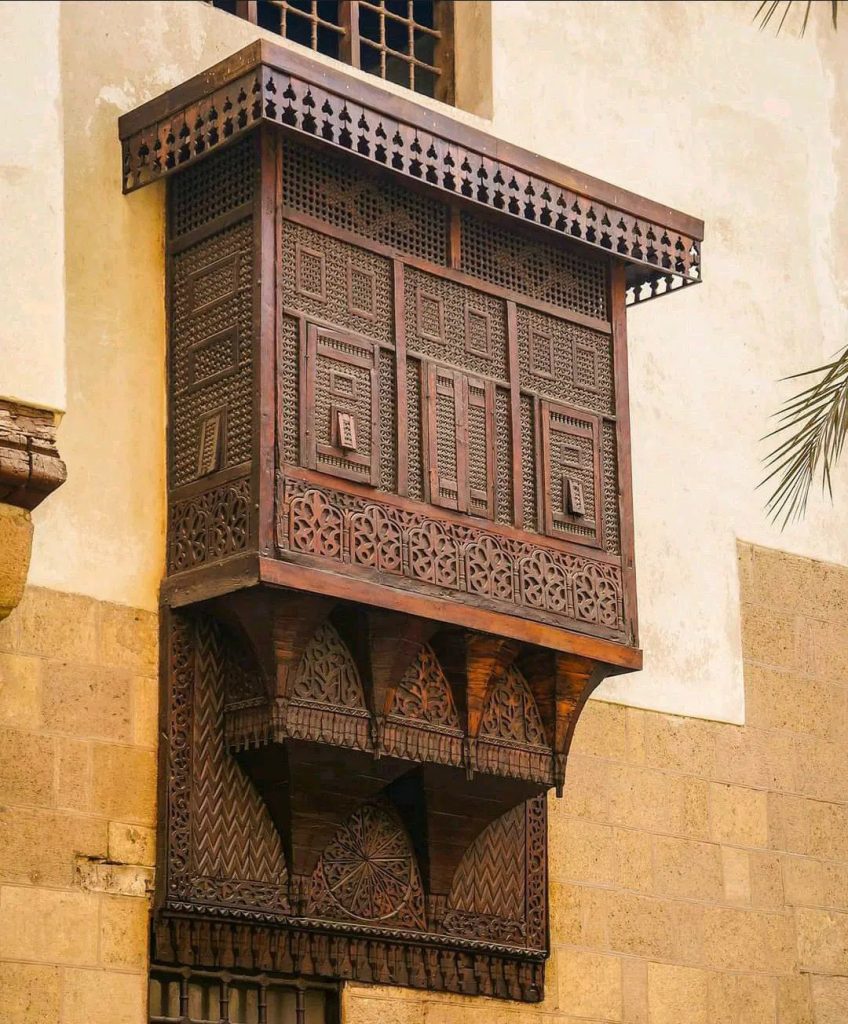
The Mashrabiya (Lattice Screens)
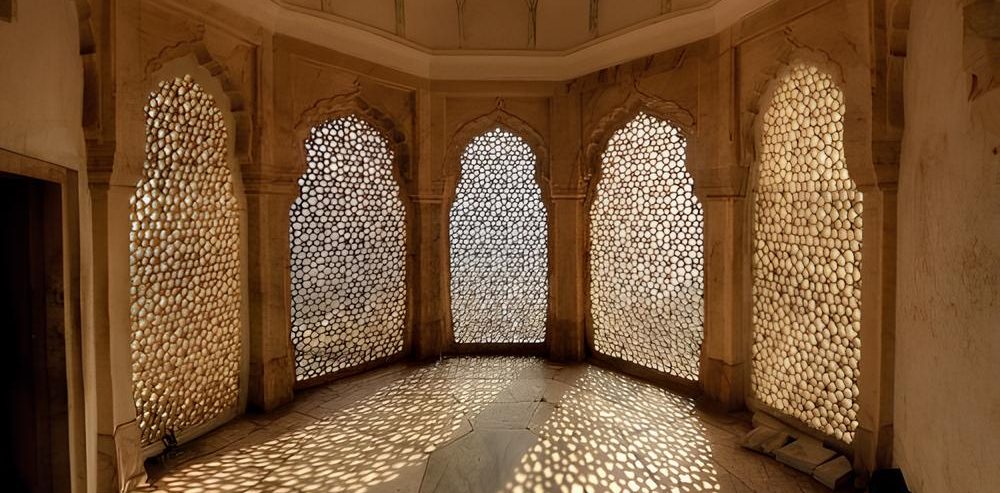
An intricately carved wooden screen placed over windows or balconies, the mashrabiya solved two major desert challenges simultaneously, harsh sunlight and privacy. The porous geometric patterns diffuse blinding light while allowing fresh sea or desert breezes to flow through. More importantly, residents inside can see outside without passersby looking in while casting stunning, lace-like shadow patterns across floors and walls throughout the day.
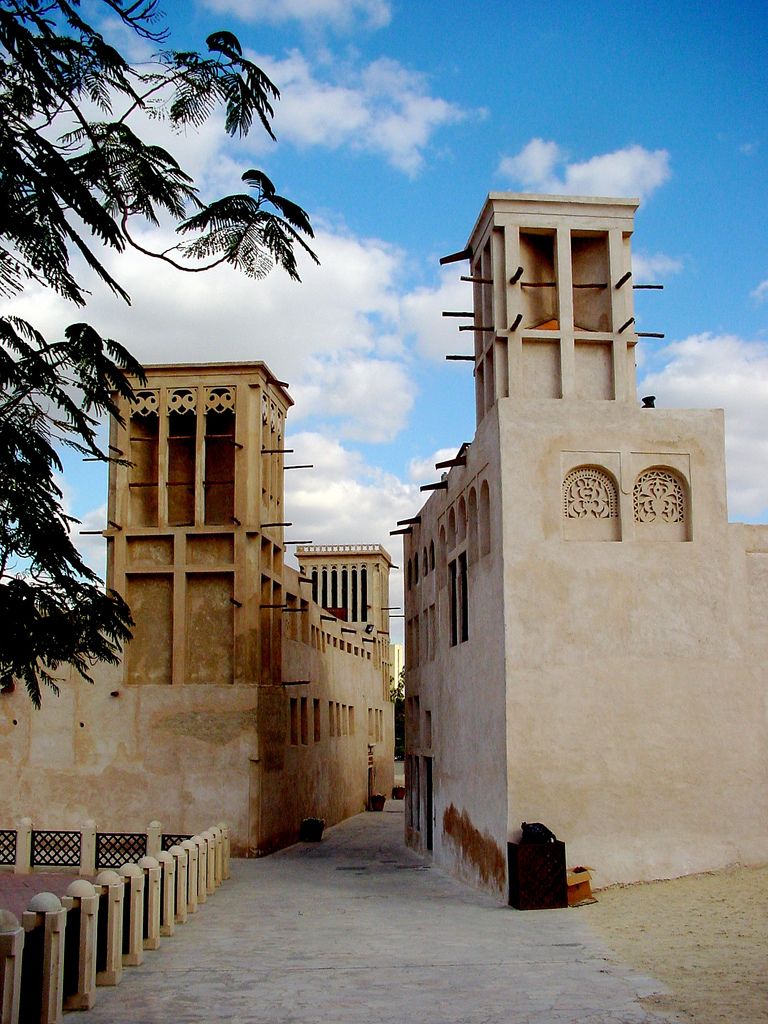
The Barjeel (Windcatcher Towers)
Breaking up horizontal skylines with elegant vertical geometry, the Barjeel acts as a non-electric, passive air conditioner. Crafted with plaster, sea stone, or coral, these framed open vents, creating a dramatic play between light and shadow, rise high above the roofs, capturing desert breezes and channelling them downward into living spaces below, dropping indoor temperatures significantly while flushing out hot air.
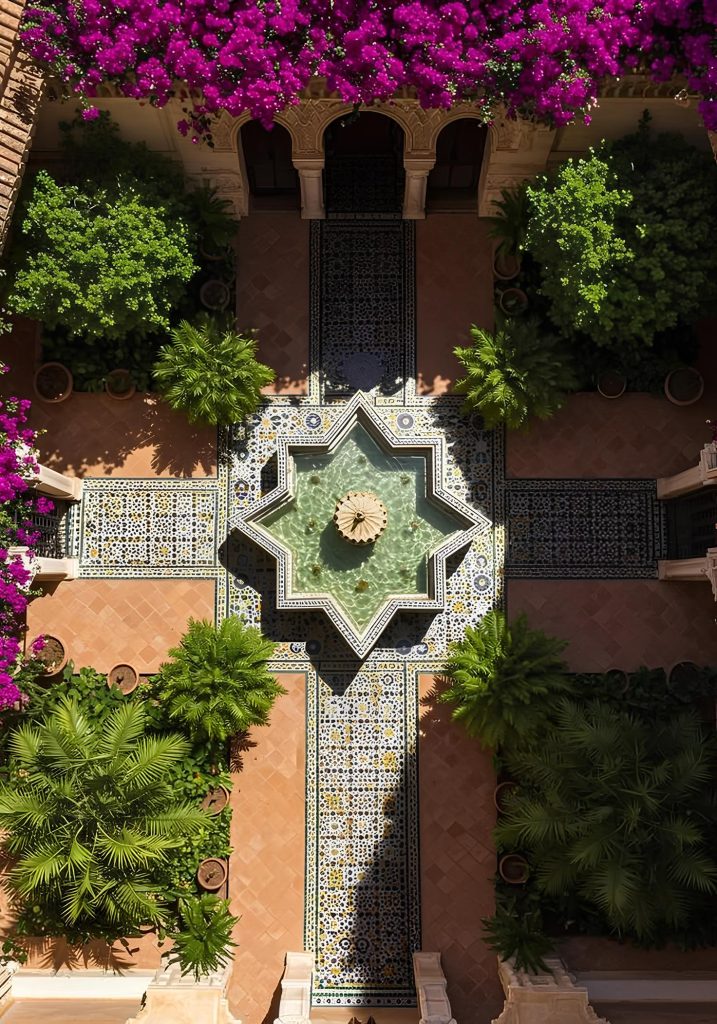
Sahn (Central Courtyards)
Functioning as the building’s thermal heart, courtyards offer a peaceful private oasis tucked away inside a home. These courtyards draw cool night air downwards and trap it, while during the day, the enclosed walls prevent heat buildup, keeping surrounding rooms comfortable. Often anchored by central marble fountains, citrus trees, and decorative tiles, they offer striking visual contrast between harsh desert exteriors and serene interiors.
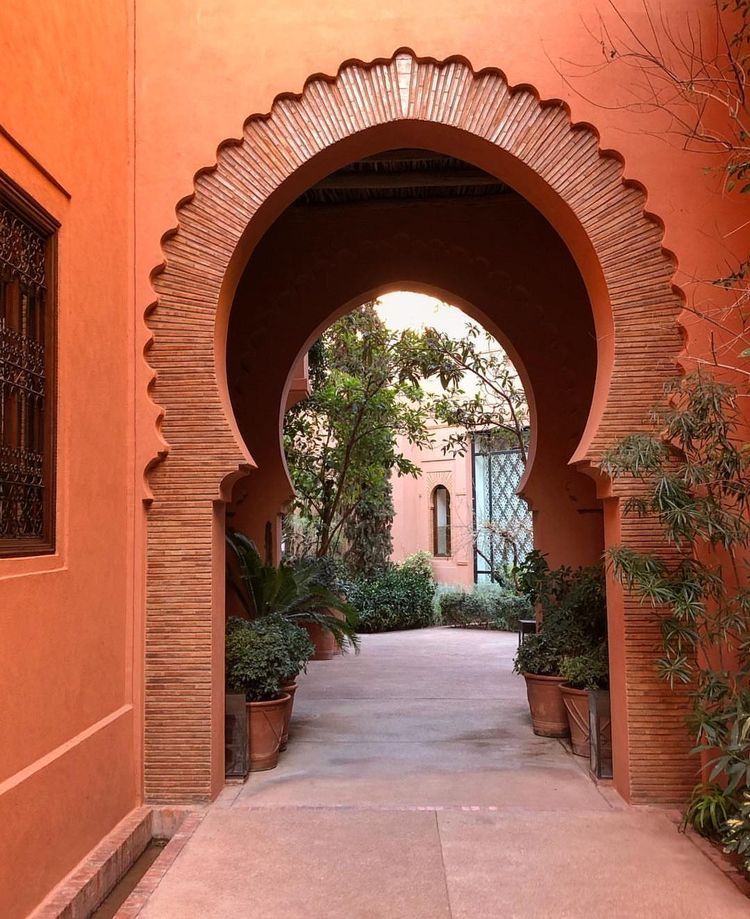
Horseshoe or Ogee Arches
Distributing structural weight more effectively, these pointed arches are superior to rounded arches, allowing builders to construct higher ceilings and wider doorways. Whether simple or decorated with carved plasterwork, its flowing curves frame garden views, guide the eye through hallways, and evoke timeless grandeur.
By Bhavatna Prasad