



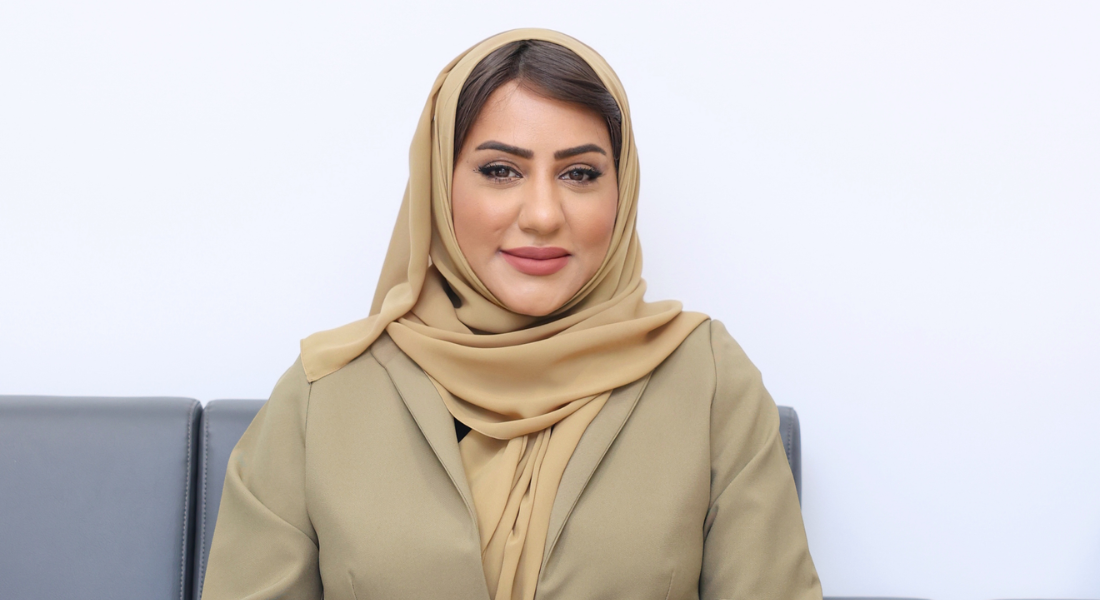
“Have you asked yourself today: ‘How am I really feeling?’ and ‘What do I need right now?’” According to Dr. Sayyida Basma Al Said, a mental health specialist and founder of Oman’s first-of-its-kind mental health clinic, these two questions are not small talk. They are the foundation of emotional awareness, and in a digital age that increasingly distances us from real human connection, she believes they matter more than ever.
As we mark Mental Health Awareness Month, Dr. Sayyida Basma joins us for an insightful conversation on the misconceptions, barriers, and evolving approaches surrounding mental health and why emotional wellbeing is a continuous process that requires compassion, awareness, and support.
“As a psychologist, I believe we’re more connected digitally, but not as we’re supposed to be as humans, not the normal kind of connection,” says Dr. Sayyida Basma. “The pressure to appear productive, successful, and emotionally fine has become constant. Many people are carrying stress, anxiety, burnout, grief, or loneliness quietly because they fear being judged or misunderstood.”
Sayyida Basma notes that conversations around mental health make people feel safer to talk and share more openly, normalising the reality “that struggling is part of being human, not a sign of weakness.”
Among the most pressing issues Dr. Sayyida Basma addresses is the misconception that suffering must reach a breaking point before help is warranted. “One of the biggest misconceptions is the belief that you have to be seriously unwell before you deserve help,” she explains. “Many people minimise their emotional pain, feeling they should simply handle it.” For Dr. Sayyida Basma, seeking support is never a last resort; it is a healthy and proactive step that should be taken long before crisis sets in.

When asked what approaches genuinely help people embrace their mental well-being, her answer is clear: “The approaches that truly help are the ones rooted in connection.” Mental wellbeing is not about being happy all the time but about building the ability to navigate life’s challenges with support, resilience, and self-understanding.”
And what does she wish more people truly understood about the journey? “I wish more people understood that healing is not linear. Progress in mental health does not mean never struggling; there is struggle, but there is also a mechanism for how to navigate it.”
She closes with the thought that perhaps resonates most: “Mental well-being is an ongoing relationship with yourself. It requires patience, self-compassion, and support. Often, the bravest thing a person can do is allow themselves to be human, instead of constantly trying to appear strong.”
“Real healing begins,” she adds, “when people stop fighting their emotions and start understanding them with kindness.”