




The UAE is a country that rewards those who look closer. Beyond the skyline and the glamour lies a layered history, a literary tradition, and a cast of characters worth knowing. These five titles do the work beautifully.
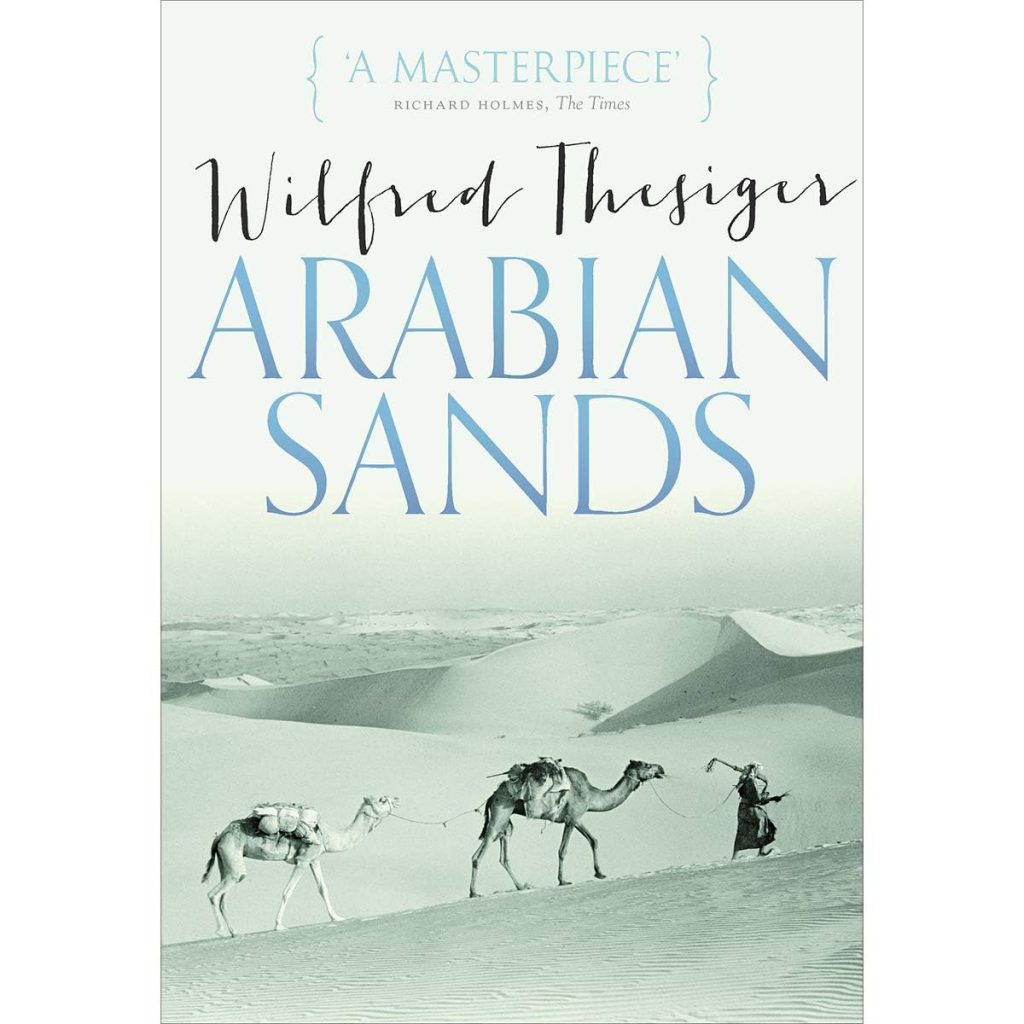
Arabian Sands by Wilfred Thesiger
Before the towers, before the roads, there was the desert. Thesiger’s book covers his travels across the Arabian Peninsula between 1945 and 1950, including two crossings of the Empty Quarter, and attempted to capture the lives of the Beduin people and their world. It reads like something close to poetry, and it remains essential context for anyone who wants to understand what existed before everything changed.
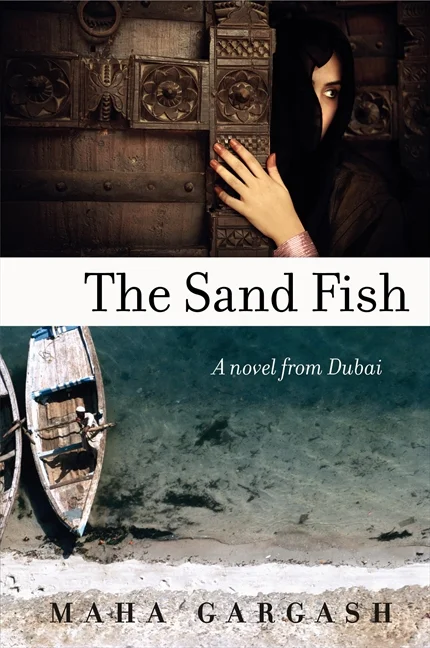
The Sand Fish by Maha Gargash
Gargash’s debut novel won international acclaim as one of the first English-language novels by an Emirati woman. Set in 1950s Dubai as the last of the big pearl dives set out and the oil era was just beginning, it follows a young woman forced into marriage, told in language at once rich and stark. It lingers long after the last page.
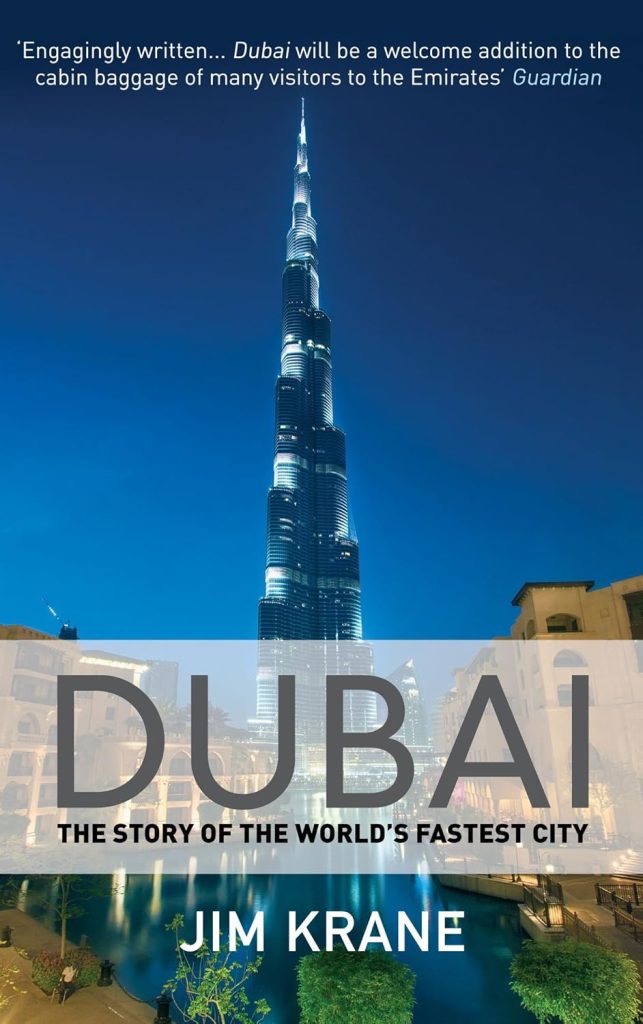
Dubai: The Story of the World’s Fastest City by Jim Krane
The definitive account of Dubai’s transformation, rigorous and readable in equal measure. Krane traces not just the economics of the city’s rise but the cultural shifts that came with it, examining how rapid growth reshaped the fabric of daily life. Required reading for anyone who calls this city home.
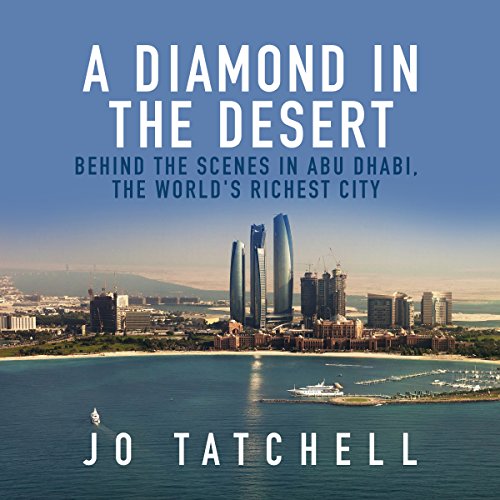
A Diamond in the Desert by Jo Tatchell
Tatchell offers a nuanced view of life in Abu Dhabi beyond its wealth and luxury, providing a rare glimpse into the everyday lives of its residents and the city’s cultural traditions. The writing is warm, the observations precise.
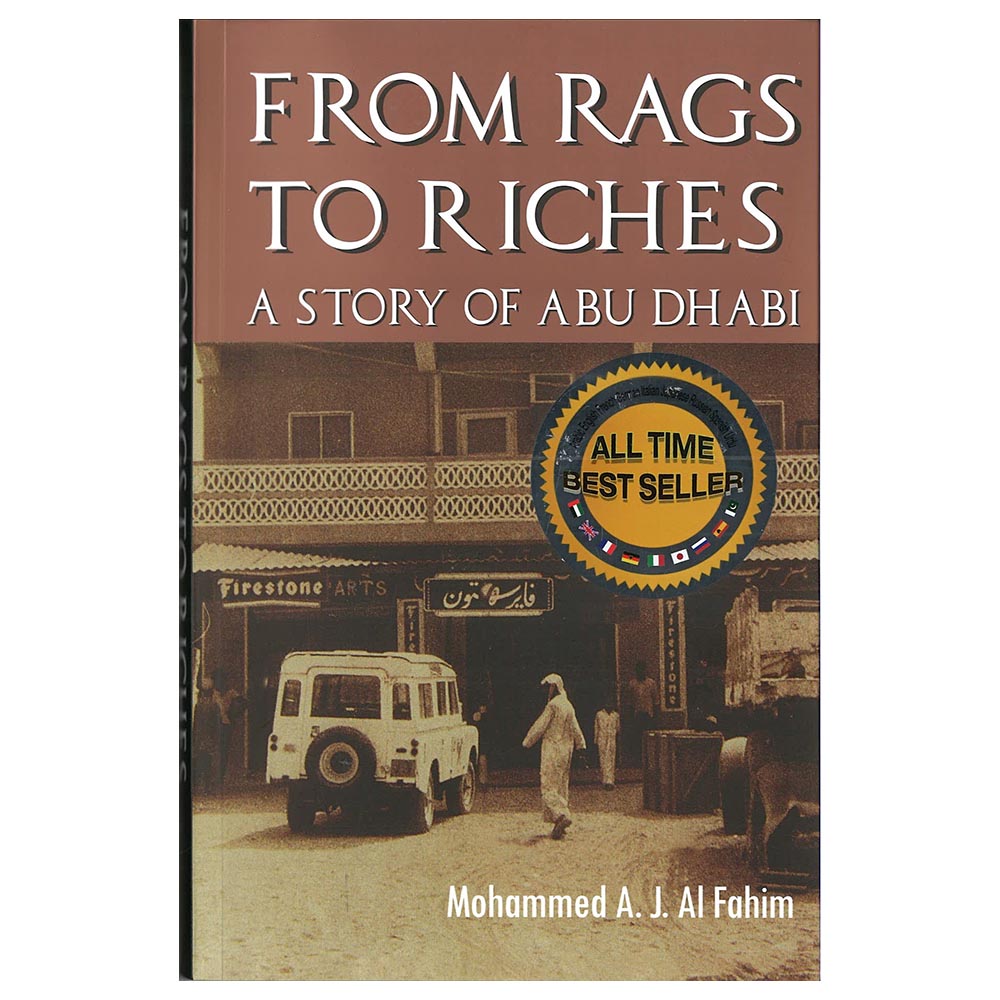
From Rags to Riches: A Story of Abu Dhabi by Mohammed Al Fahim
The most intriguing book on this list, and arguably the most essential for anyone living here. Al Fahim grew up in Abu Dhabi knowing real poverty before oil wealth transformed the country, and his account traces the total transformation of a Bedouin society within just three decades. He is candid about the struggles, the political tensions, and the human cost of progress in a way that most official histories are not. A first-person record of a world that no longer exists, written by someone who lived it.