



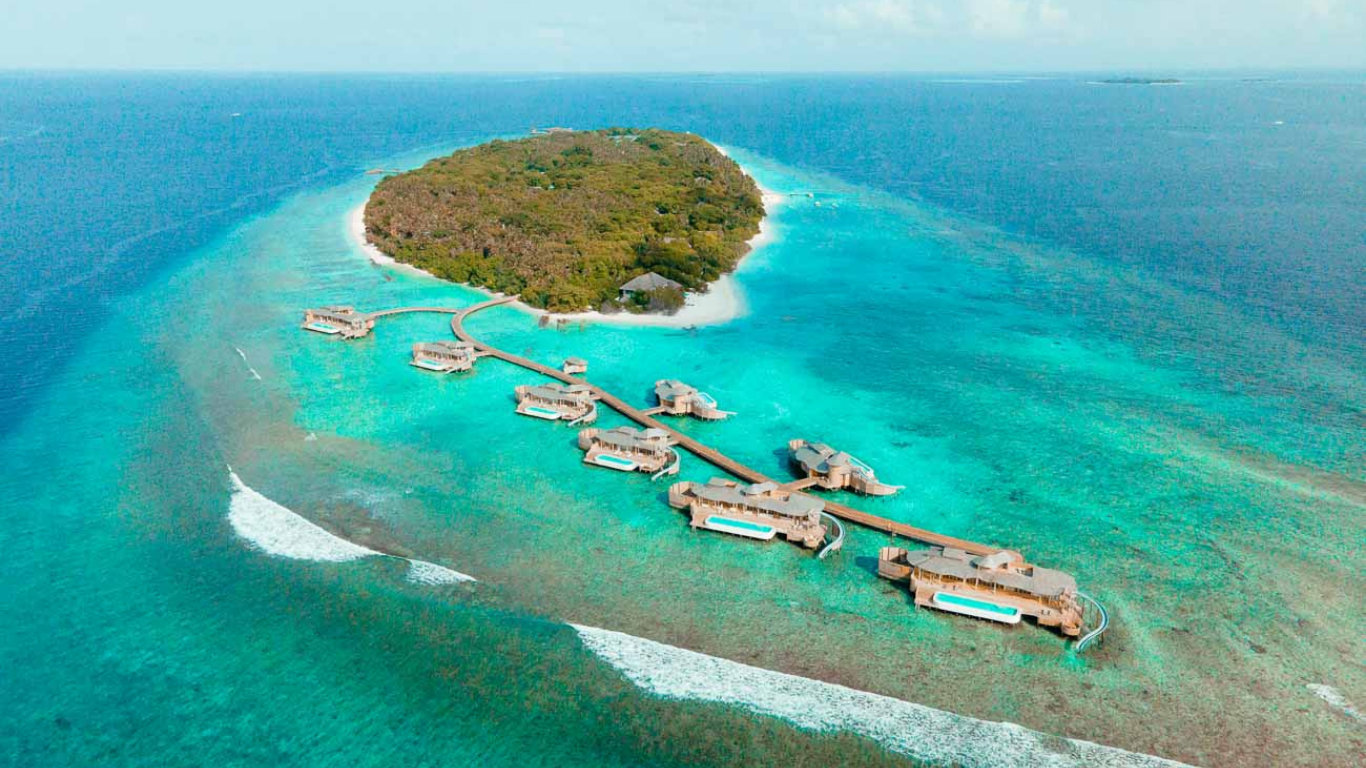
On Earth Day, Villa 88 Travel spotlights six extraordinary properties where five-star indulgence and genuine environmental commitment are not in conflict they are inseparable.
There was a time when sustainability in hospitality meant bamboo straws and a politely worded note asking guests to reuse their towels. Today, the world’s most forward-thinking luxury hotels are now operating coral farms, replanting rainforests, generating their own solar energy, eliminating plastic from entire supply chains, and pouring revenue back into the communities that surround them. The shift is structural, measurable, and in many cases, redefining what it means to travel well. On Earth Day 2026, Villa 88 Travel features six properties around the world that prove the most profound luxury of all might just be leaving a place better than we found it.
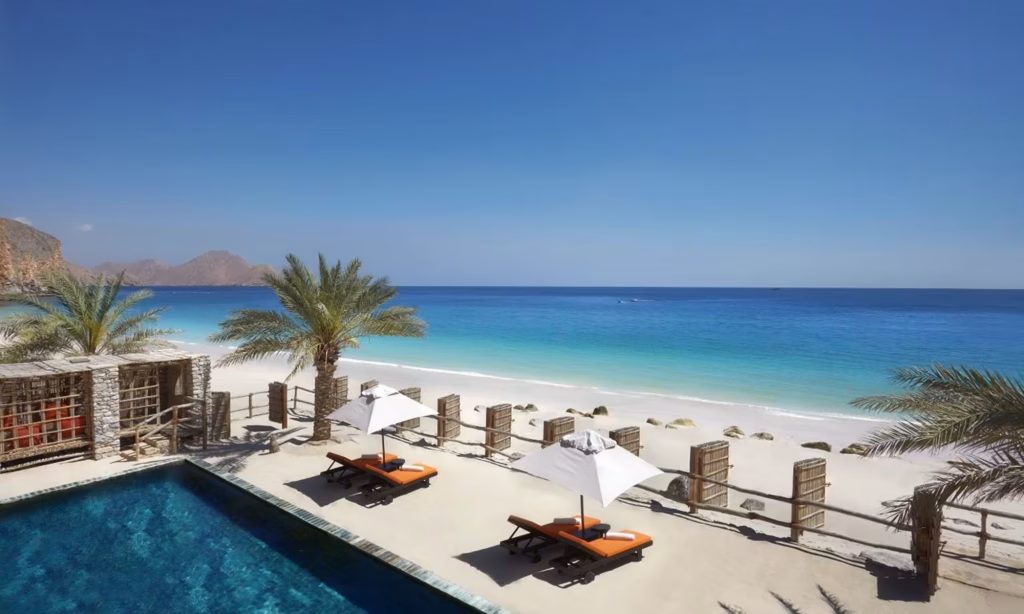
Six Senses Zighy Bay, Oman
Tucked between the Hajar Mountains and the Gulf of Oman on the Musandam Peninsula, Six Senses Zighy Bay has long been the region’s most compelling argument that responsible hospitality and breathtaking design belong. The resort’s sustainability programme extends well beyond its own grounds: a Mobile Earth Lab delivers sustainability workshops to local schools, women’s initiatives generate additional income for local families, and a sustainability fund supported by guest contributions enables impactful projects both on-site and in nearby villages. Across the brand, Six Senses has now attained the premier level of certification from Control Union, a body recognised by the Global Sustainable Tourism Council — the culmination of a rigorous audit of the brand’s environmental, cultural, and community impact.
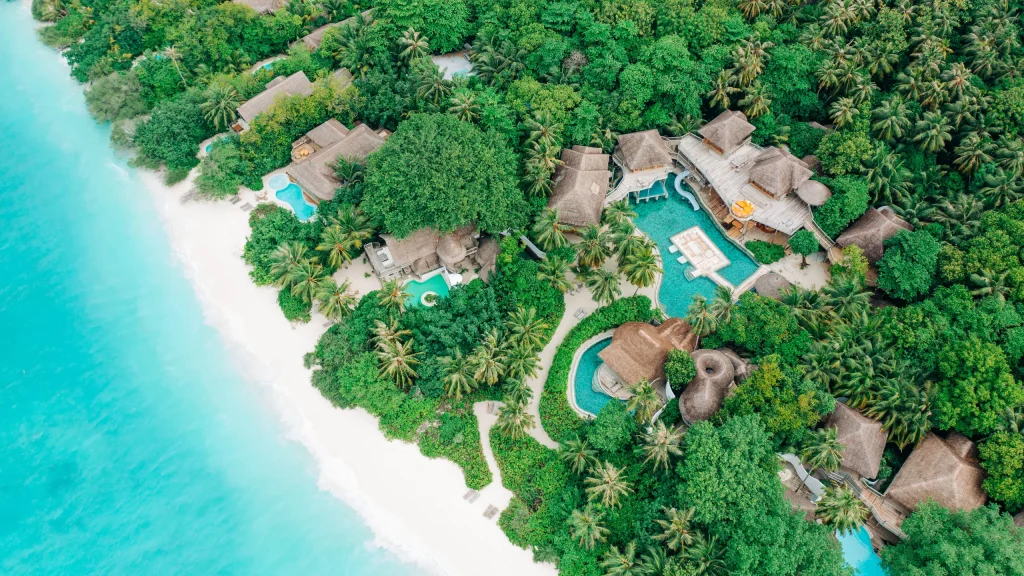
Soneva Fushi, Maldives
Soneva banned imported water in 2008 and became carbon neutral in 2012, which are milestones that are the opening chapter of a much longer story. Situated within the Baa Atoll UNESCO Biosphere Reserve, Soneva Fushi’s villas are constructed from reclaimed wood and natural materials , and the resort runs one of the Indian Ocean’s most advanced coral restoration programmes. A state-of-the-art glass workshop upcycles waste glass from across the Maldives into glassware and art, and the Soneva Foundation’s 5 Million Trees pledge, with two million already planted across four countries, ensures the resort’s reach extends far beyond its own lagoon.
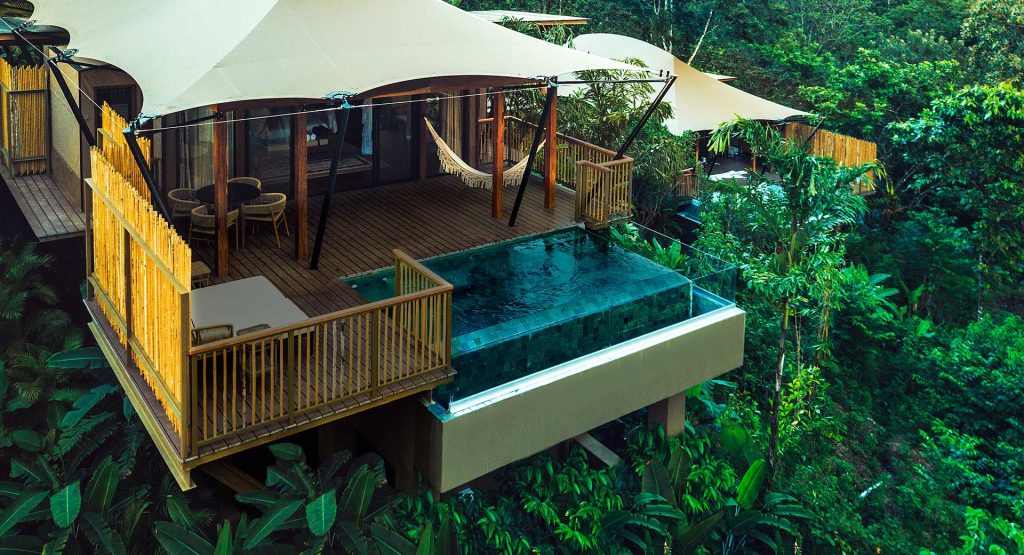
Nayara Springs, Costa Rica
Nayara Resorts emerged out of a simple idea: to create a world-class, luxury experience guided by the foundational principles of regenerative tourism. At Nayara Springs, adults-only villas with hot-spring-fed plunge pools overlook the Arenal Volcano, but the property’s deeper work unfolds in the surrounding rainforest. Nayara hired a reforestation expert and has been working to rebuild rainforest that was destroyed decades ago, planting 40,000 indigenous trees, and with the wildlife returning, monkeys and birds have begun reclaiming the hillside. The resort holds Costa Rica’s coveted Four Leaves Award for Sustainability , with buildings oriented to maximise natural ventilation and minimise energy use. Green Globe-certified, the camp operates under a broader carbon-neutral programme with solar energy powering most operations and food sourced locally.
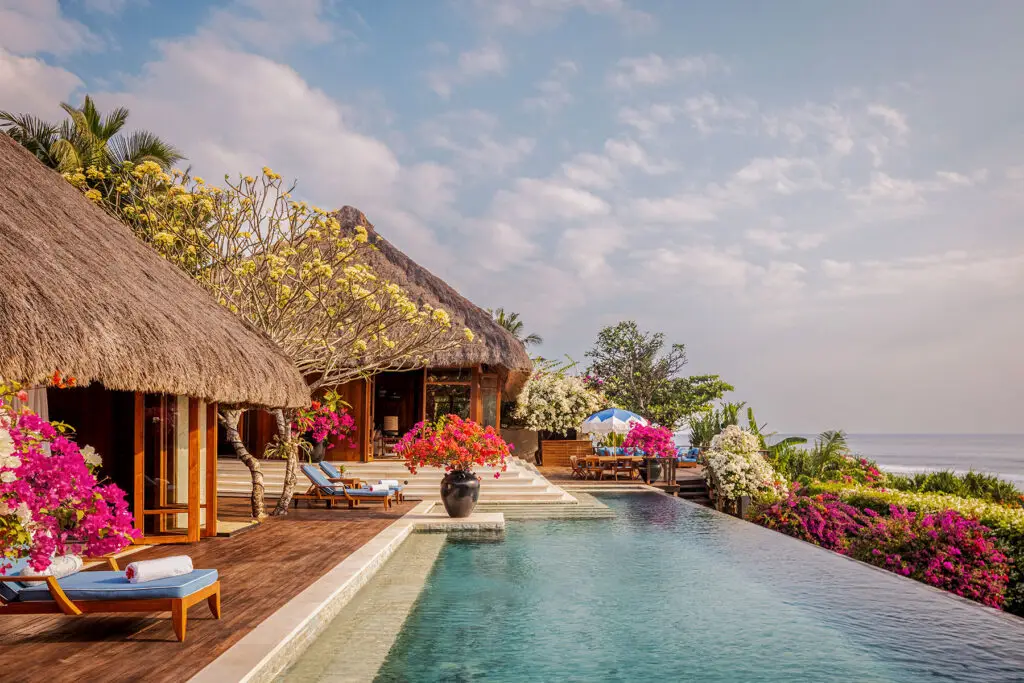
NIHI Sumba, Indonesia
NIHI Sumba has been voted one of the world’s most eco-friendly luxury hotels, and in 2025 was awarded three MICHELIN Keys, one of only three hotels in Indonesia to receive the distinction. Spread across more than 560 acres on the remote island of Sumba, the resort was conceived with a founding commitment to empower the Sumbanese people. The Sumba Hospitality Foundation campus, constructed mainly from bamboo and powered by 288 solar panels, trains local youth in sustainable tourism and hospitality, with a three-hectare permaculture garden supplying its restaurant.
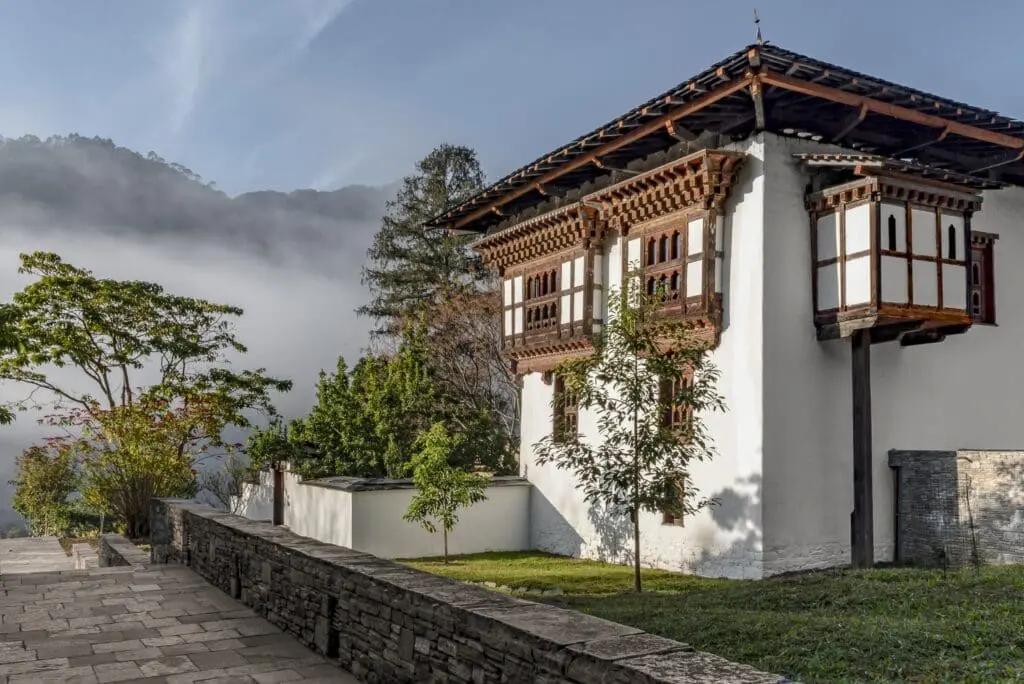
Amankora, Bhutan
Few destinations frame a hotel’s sustainability story quite as powerfully as Bhutan itself. The country is one of the only carbon-negative nations on earth, with 70 per cent forest coverage, and its sustainability practices include hyper-localising the supply chain, eliminating plastic bottles entirely, long-term temple restoration, and skill-sharing between tourists and the Bhutanese community. Amankora’s five lodges — positioned along the ancient monks’ trail through the Paro, Thimphu, Punakha, Gangtey, and Bumthang valleys — operate in deep alignment with that national ethos. Across all Aman properties, 15 sit on or adjacent to UNESCO World Heritage Sites and support them actively, and the brand prioritises employment of locals and sourcing from local agriculture in all culinary operations. At Amankora specifically, tree-planting is a guest ritual, the supply chain is kept within the valley where possible, and the lodges are designed to read as extensions of the dzong architecture rather than impositions upon it. Aman’s founding philosophy, that a hotel should belong to its place, has never found a more natural home.
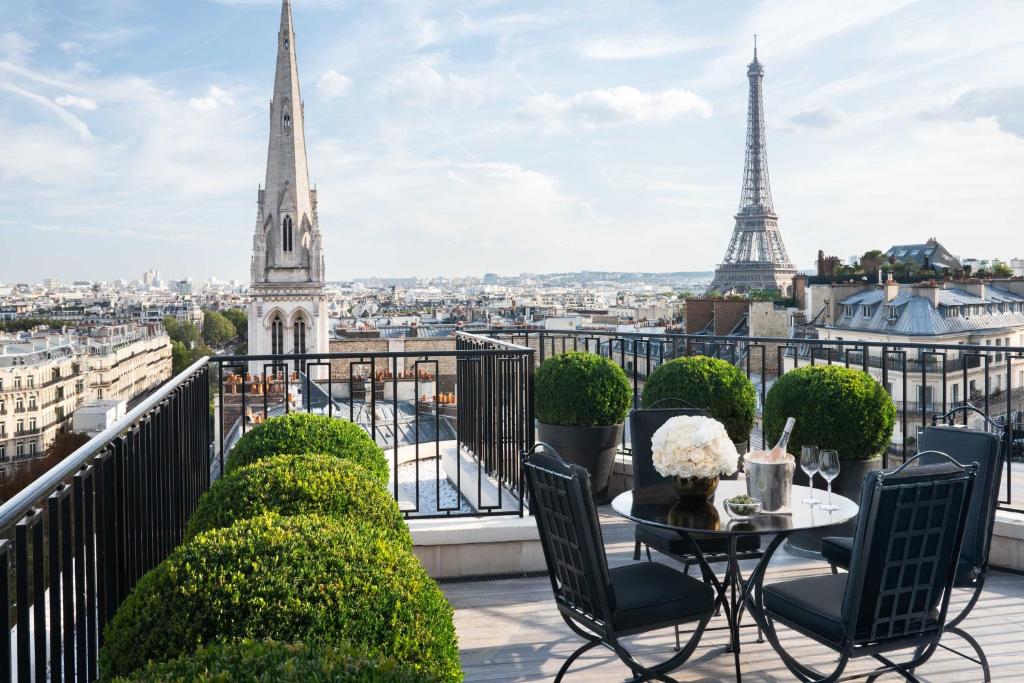
Four Seasons Hotel George V, Paris
Sustainability in a palace hotel on the Avenue George V might seem like an unexpected conversation, but the George V has made it one of the most rigorously documented programmes in European luxury hospitality. The property won “World’s Leading Sustainable Supply Chain Programme 2025” at the World Sustainable Travel and Hospitality Awards, structured around the hotel’s “George V for Good” framework: six pillars covering responsible consumption, energy efficiency, water management, waste reduction, social inclusion, and community engagement. The hotel has introduced a responsible purchasing charter embedding environmental and social criteria into every procurement decision, and partners with associations including Les Hôtels Solidaires for surplus food redistribution, Unisoap for recycled soap, and Le Karithé, which transforms used glass jars into handcrafted candles. For a hotel of this scale and visibility, the programme sends a signal that sustainability belongs at the very top of the market, as a definition of excellence.